

Search
Latest Stories

Newsletter Sign-Up
Newsletter
September 29, 2026, is World Heart Day.
High blood pressure, or hypertension, is a common health condition affecting nearly half of U.S. women. But how much do you really know about it?
Many people may not understand the risk factors, how high blood pressure affects the body or the role lifestyle changes play in managing the condition.
Here are 10 facts about high blood pressure that you may not know.
1. High blood pressure often has no symptoms
Hypertension occurs when the force of blood against your artery walls is consistently too high.
If blood pressure becomes dangerously high, some people may experience symptoms such as:
- Shortness of breath
- Severe headache
- Vision changes
- Chest pain
- Confusion
- Weakness or numbness
- Heart palpitations
- Seizures
- Signs of stroke (slurred speech, sudden facial droop, and sudden leg or arm weakness)
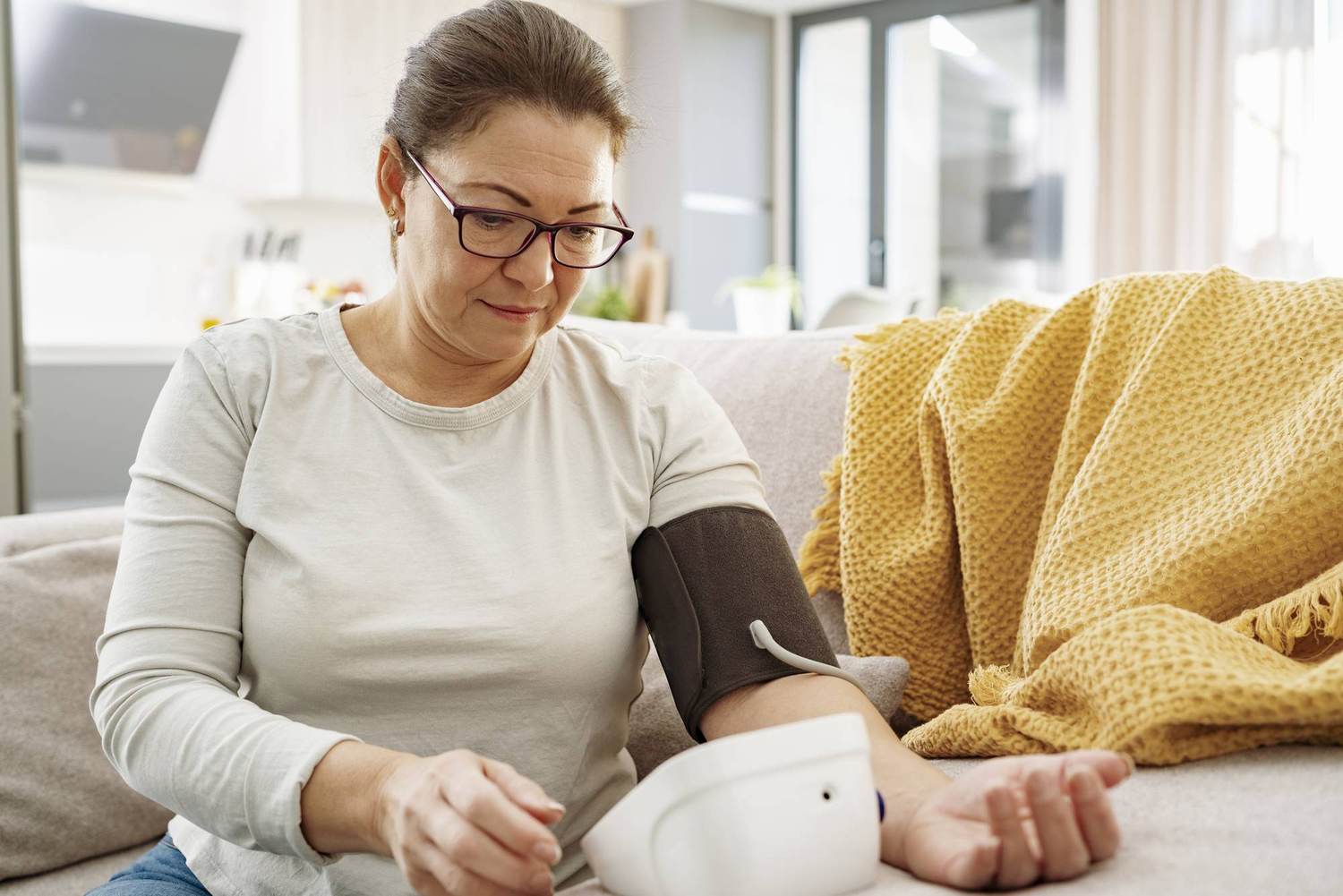
But most people won’t experience any symptoms, which can make the condition difficult to identify without a blood pressure monitor.
“Hypertension is called a silent killer because there are usually few symptoms, and the disease causes grave damage in the background,” said Meena Verma, M.D., M.P.H., a board-certified nephrologist and longevity physician.
2. Your blood pressure reading has two numbers
A blood pressure reading has a top number and a bottom number that measure the pressure in your arteries.
- Top number (systolic pressure): Measures the pressure in the arteries when your heart beats
- Bottom number (diastolic pressure): Measures the pressure in the arteries between heartbeats
Blood pressure readings fall into four categories: normal, elevated, stage 1 hypertension or stage 2 hypertension, depending on the specific numbers. If your top and bottom numbers fall into two different categories, your correct blood pressure category is the higher category.
According to the American Heart Association, blood pressure categories are:
Normal: Less than 120 systolic (top number) and /80 mm Hg diastolic (bottom number)
Elevated: 120–129 systolic and less than 80 mm Hg diastolic
Stage 1 hypertension: 130–139 systolic or 80–89 diastolic
Stage 2 hypertension: 140 mm Hg or higher systolic or 90 mm Hg or higher diastolic
Note: Any blood pressure reading above 180 mm Hg systolic or 120 mm Hg diastolic without symptoms is severe hypertension and requires contacting your clinician. With symptoms, these numbers are a medical emergency and require a call to 911.
3. Some risk factors for high blood pressure are out of your control
Eating a heart-healthy diet and getting regular exercise may help lower your risk of high blood pressure. But some risk factors are outside your control.
Risk factors you can't change include age, family history, co-existing diseases such as diabetes or kidney disease, and certain pregnancy-related conditions. Race and ethnicity are also linked to differences in hypertension risk and outcomes. However, a range of social, environmental and healthcare factors shape those differences.
4. Other risk factors for high blood pressure can be changed
Certain lifestyle habits can increase the risk of having high blood pressure. However, making lifestyle changes doesn’t guarantee normal blood pressure.
Some ways to potentially prevent high blood pressure include:
- Reducing sodium
- Following the DASH diet
- Increasing potassium
- Engaging in at least 30 minutes of aerobic exercise five days a week
- Maintaining a healthy weight
- Limiting alcohol
- Stopping smoking
- Managing stress
- Getting enough sleep
“A person can do everything right — exercise, diet and lifestyle — and still have high blood pressure,” Verma said.
5. Not everyone has the same risk or access to care
Societal factors can shape your risk of developing high blood pressure and your ability to manage it.
Black adults face the highest prevalence of high blood pressure in the United States and have lower blood pressure control rates.
These differences can be influenced by factors such as:
- Access to healthcare and medications
- Health literacy and socioeconomic conditions
- Access to healthy food and safe places to exercise
- Rural or geographic barriers, such as shortages of clinicians or hospital and travel challenges
These factors can affect access to preventive care and treatment for high blood pressure.
6. Hypertension can damage your arteries
Over time, high blood pressure can damage the artery walls, potentially contributing to narrowed arteries or an aneurysm.
7. Your heart has to work harder, too
High blood pressure makes the heart work harder to pump blood and oxygen to the rest of the body. This can cause the lower left heart chamber, called the left ventricle, to thicken and enlarge. This is known as left ventricular hypertrophy.
“Untreated hypertension can lead to very serious outcomes, including heart attacks, strokes and kidney failure to name a few,” Verma said.
8. A single high reading doesn’t mean you have hypertension
Blood pressure readings can fluctuate, and one elevated reading doesn’t necessarily mean that you have high blood pressure.
A diagnosis typically requires an average of two or more readings equal to or greater than 120/80 mm Hg taken on separate occasions.
Pay attention to elevated blood pressure readings, even if they haven’t reached the hypertension range. Home blood pressure monitoring can help confirm a diagnosis or track treatment.
9. Medication is sometimes part of the plan
Clinicians typically recommend lifestyle changes to lower blood pressure. But in some cases, prescription medication may also be needed to control and manage hypertension.
Common treatments for hypertension include:
- Angiotensin-converting enzyme (ACE) inhibitors
- Angiotensin II receptor blockers (ARBs)
- Calcium channel blockers
- Diuretics (also known as water pills)
Other medications may be prescribed depending on a person’s blood pressure, other health conditions and how they respond to treatment. Your clinician will determine what treatments are right for you.
10. Small changes and regular monitoring can make a difference
Making small but meaningful changes to your daily routine can help lower and control high blood pressure. Here are some things you can try:
- Taking a brisk, 30-minute walk
- Cutting back on salt
- Finding ways to manage your stress
- Eliminating or reducing alcohol intake
- Maintaining a healthy weight
“It's important for everyone to have regular blood pressure checks with a trained physician who can intervene — even in pre-hypertensive stages before end-organ damage has evolved,” Verma said.
Managing your blood pressure is essential for protecting yourself from cardiovascular disease. Whether you’ve already been diagnosed with hypertension, have had an elevated reading or just want to get on top of your heart health, there are several lifestyle changes you can make today to keep your numbers down.
This educational resource was created with support from Merck.





Popular
1
Bye, Bye, Itch! Managing Chronic Hives at Home
Sep 23, 2026
2

3
Biologics for Treating Asthma
Sep 22, 2026
4
What Happens in the Body During a Hot Flash
Sep 03, 2026
5

6
Lo que ocurre en el cuerpo durante un bochorno
Sep 03, 2026
Support Our Mission
Keep Trusted Women’s Health Information Free
Your donation ensures every woman continues to have access to credible health content.More Stories



Everything you need to know about women’s health — in one place.