

Search
Latest Stories

Newsletter Sign-Up
Newsletter
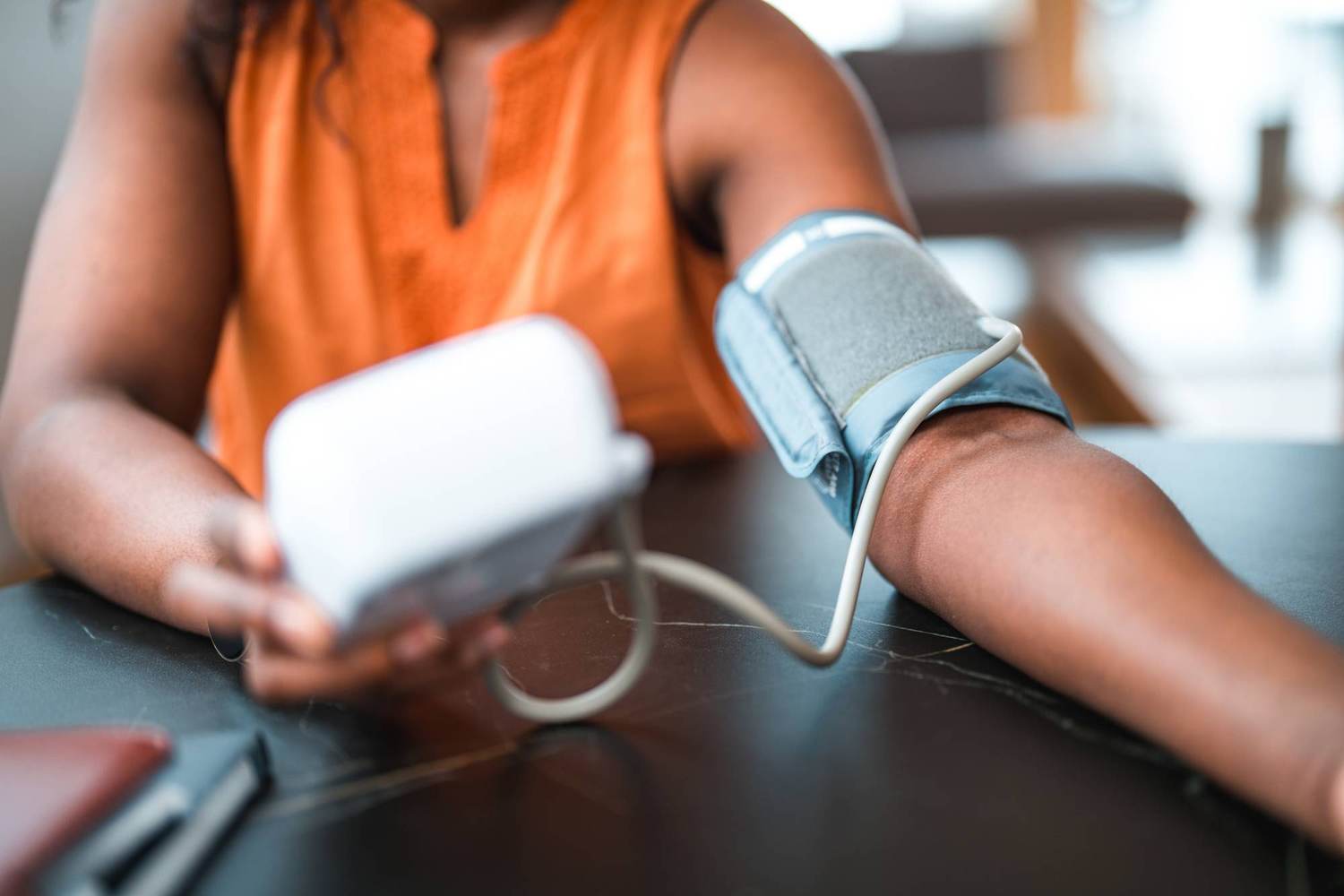
May is Hypertension Awareness Month.
The usual suspects — obesity, genetics, stress, salt intake, tobacco and alcohol use — affect your blood pressure. But did you know there are some things you may not have thought about?
For some people, it’s cold medication. We all know decongestants are great for opening up a stuffy nose, but they also make it harder for blood to flow, which can increase blood pressure.
As it turns out your blood pressure can be affected by a lot of things. Ironically, even going to see your healthcare provider (HCP) for a blood pressure check can cause a rise in levels, also known as “white coat syndrome.”
A spike in blood pressure here or there is usually nothing to worry about, but chronic high blood pressure can be deadly. This is especially important for women to note as nearly half of all women in the U.S. have high blood pressure, and less than 1 in 4 have it under control.
What is high blood pressure, and how serious is it?
High blood pressure, also known as hypertension, is a serious chronic condition that affects 120 million people in the U.S. “That’s almost half the people in the country,” said Michelle Kelsey, M.D., a general cardiologist and associate professor at Duke's School of Medicine.
Hypertension causes the force of blood to push against your artery walls with pressure that is consistently too high. “This makes your heart work harder to pump blood and can lead to heart attacks, stroke or other serious health conditions over time,” Kelsey explained.
“Hypertension is often called a ‘silent killer,’” Kelsey said.“While hypertension is asymptomatic in most people, you really have to check it to know.”
Here are 5 surprising things that can increase your blood pressure:
1. Dehydration – Missing an occasional glass of water isn’t a big deal. But consistently running your body on empty can cause your blood pressure to drop, at first. “You feel light-headed and woozy, while your body tries to compensate by squeezing your blood vessels and hanging onto salt,” Kelsey explained. Over time, this can lead to high blood pressure.
2. Sleep apnea – Sleep apnea occurs when your breathing starts and stops at night while you sleep. This disrupts your ability to get restorative sleep and reduces your oxygen intake. Sleep apnea can be caused by living with overweight or obesity (which can be a risk factor for hypertension itself) or a structural issue that causes an obstruction in the airways as you breathe. “The drops in oxygen levels put stress on your body, which can lead to high blood pressure,” Kelsey said.
3. Chronic pain – Similar to the way stress can cause blood pressure to rise, chronic pain also triggers stress in the body and an adrenaline response that can cause full blown hypertension over time. One study found people with chronic widespread pain had a 75% increased risk of high blood pressure, while people with short-term pain had a 10% higher risk.
4. Loneliness – Social isolation and social stressors, like feelings of loneliness, can increase stress and contribute to the development of high blood pressure.One study of adults ages 45 to 85 found that the women who were single and had limited social activity had higher than average blood pressure. And if you have high blood pressure, not having someone to check in on you or take you to appointments can worsen the problem, according to Kelsey.
5. Nonsteroidal anti-inflammatory drugs (NSAIDs) – Popping an ibuprofen (Advil), naproxen (Aleve) every day may seem innocent enough, but it may also raise your blood pressure. NSAIDs inhibit cyclooxygenase (COX) enzymes, which leads to sodium and water retention in the kidneys, reduced blood flow and narrowed blood vessels.
Talk to your healthcare provider
It’s important to keep track of your blood pressure. The risk for hypertension increases with age so you could be walking around with high levels that increase your risk for heart attack and stroke and not even know it.
Your healthcare provider can assess your risk and check your blood pressure regularly to see if medications or lifestyle changes are needed. “Knowing your numbers can be empowering,” Kelsey said.




Popular
1
What Happens in the Body During a Hot Flash
Sep 03, 2026
2
Bye, Bye, Itch! Managing Chronic Hives at Home
Sep 23, 2026
3
Biologics for Treating Asthma
Sep 22, 2026
4
5
Understanding Menopause Stages and Terms
Sep 08, 2026
6
Lo que ocurre en el cuerpo durante un bochorno
Sep 03, 2026
Support Our Mission
Keep Trusted Women’s Health Information Free
Your donation ensures every woman continues to have access to credible health content.More Stories





Everything you need to know about women’s health — in one place.