Like This Article?
Click to rate
Preventive Health Screenings for Women
Be proactive about your health by staying on top of necessary screenings and health care visits. This schedule is a suggested timeline for routine screenings. Talk with your health care provider for specific personal guidance. More frequent screenings may be recommended based on your personal health history.
| General Health | ||
| What | When | Why |
| Physical examination | Every 2–3 years; discuss with your health care provider. | To screen for diseases; assess risk for future problems; discuss lifestyle habits; and keep vaccinations up to date. |
| Thyroid test | Discuss with your health care provider. | To identify an under- or overactive thyroid, both of which are very treatable and either of which can lead to more serious conditions if left untreated. |
| Bone Health | ||
| What | When | Why |
| Bone mineral density test | At least once beginning at age 65; earlier depending on your risk factors for osteoporosis. | There are no obvious signs of osteoporosis until you fracture a bone. Bone density screenings identify problems early, enabling you to start treatment and prevent further bone loss. |
| Breast Health | ||
| What | When | Why |
| Mammogram | Every 1–2 years starting at age 40. | To identify possible early signs of breast cancer. |
| Clinical breast exam | About every 3 years for women in their 20s and 30s, and every year for women 40 and over. | Not all breast cancers are found on mammograms; a good clinical breast exam can also help identify cancers relatively early. |
| Colorectal Health | ||
| What | When | Why |
| Colonoscopy | Every 10 years starting at age 50. Alternatively, you may get a flexible sigmoidoscopy every 5 years or a double-contrast barium enema every 5 years or a CT colonography (virtual colonoscopy) every 5 years, but a colonoscopy will be needed if any of those results are positive. | To identify (and remove) precancerous polyps or early cancers. |
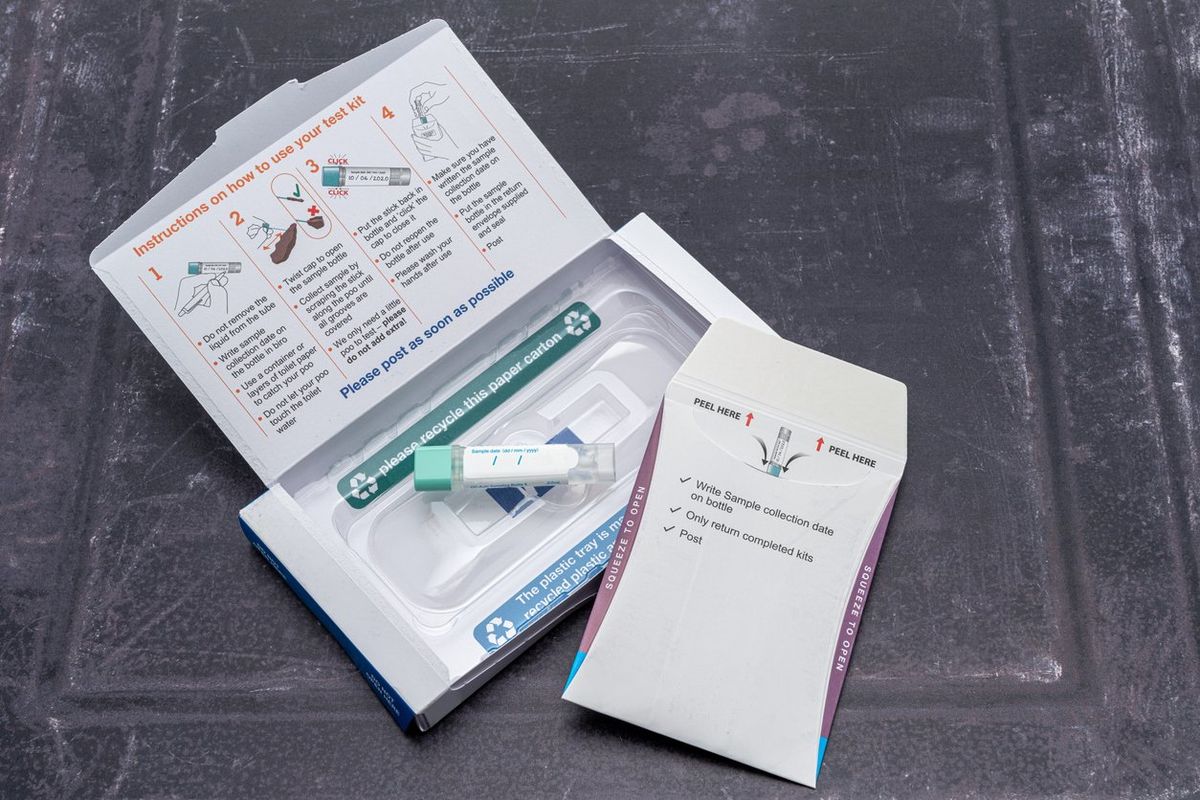
| Fecal occult blood test (also called stool guaiac test) or fecal immunochemical test or stool DNA test | Annually starting at age 50 for the fecal occult blood test or the fecal immunochemical test; stool DNA test may be given at intervals recommended by your doctor. | To provide an early warning sign about colon cancer. Not as good as a colonoscopy in identifying cancers or precancerous cells. |
| Digital rectal exam | Starting at age 50, every 5–10 years with each colon screening. | To help find early signs of colon cancer in the anal canal and lower rectum. Because of its limitations, it is not recommended as the only test for colorectal cancer. |
| Diabetes | ||
| What | When | Why |
| Fasting plasma glucose test (also called blood glucose test) | Every three years starting at age 45; more often or earlier if you're overweight or at risk for diabetes. | To provide an early warning sign of high blood sugar levels, which could mean an increased risk for diabetes. |
| Eye, Ear and Teeth Health | ||
| What | When | Why |
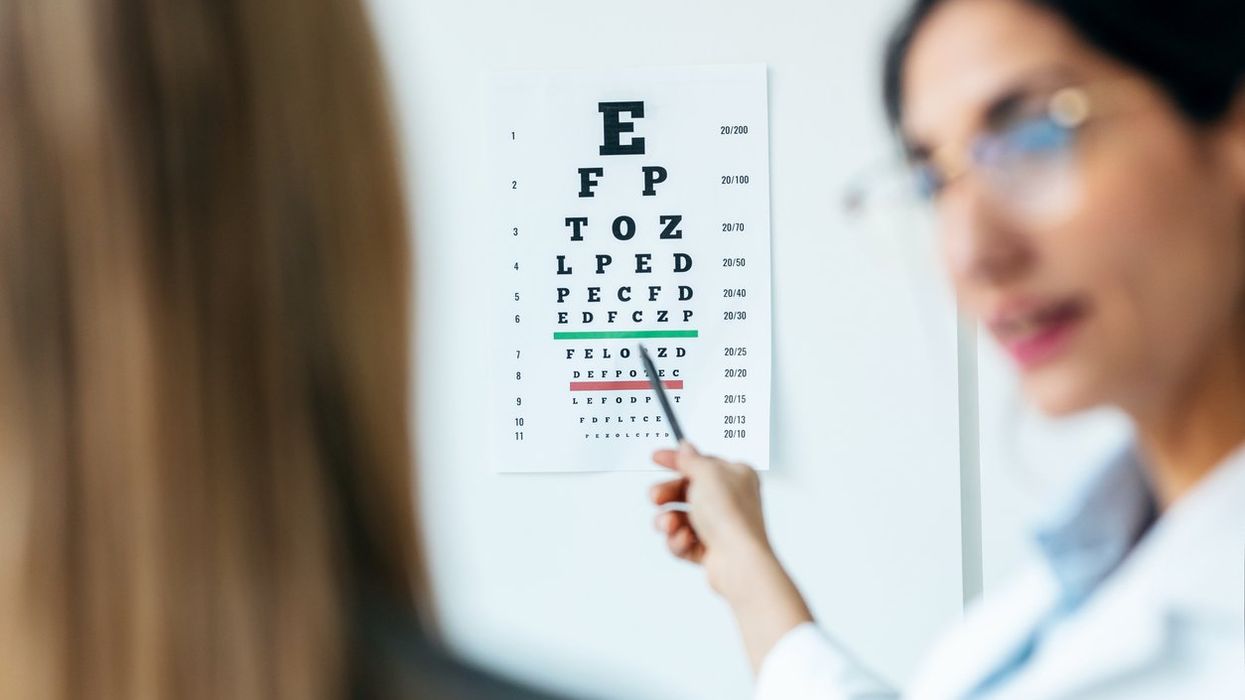
| Eye exam | At least once from ages 20 to 29; at least two exams between ages 30 and 39. At age 40, get a baseline eye disease screening. Based on results, follow ophthalmologist's recommendations until age 65. After that, complete eye exam every one to two years. | To test your vision and screen for glaucoma and macular degeneration, two common, often age-related conditions. |
| Hearing test | Beginning at age 18, then once every 10 years until age 50, after which it should be once every three years. | To make sure you're hearing all life has to offer. |
| Dental exam and cleaning | At least once a year; twice a year is best. | To remove plaque and bacteria that could lead to tooth and gum disease; to check for tongue and mouth cancer. Problems with your teeth can indicate osteoporosis. |
| Heart Health | ||
| What | When | Why |
| Blood pressure screening | At least every 2 years in your health care professional's office. | The only way to identify hypertension is with blood pressure screenings. |
| Cholesterol screening | Every 5 years starting at age 35. Begin screening at age 20 if you smoke, are obese, have diabetes or high blood pressure or have a family history of heart disease. | Treating cholesterol abnormalities can help reduce your risk of heart disease. |
| Reproductive/Sexual Health | ||
| What | When | Why |
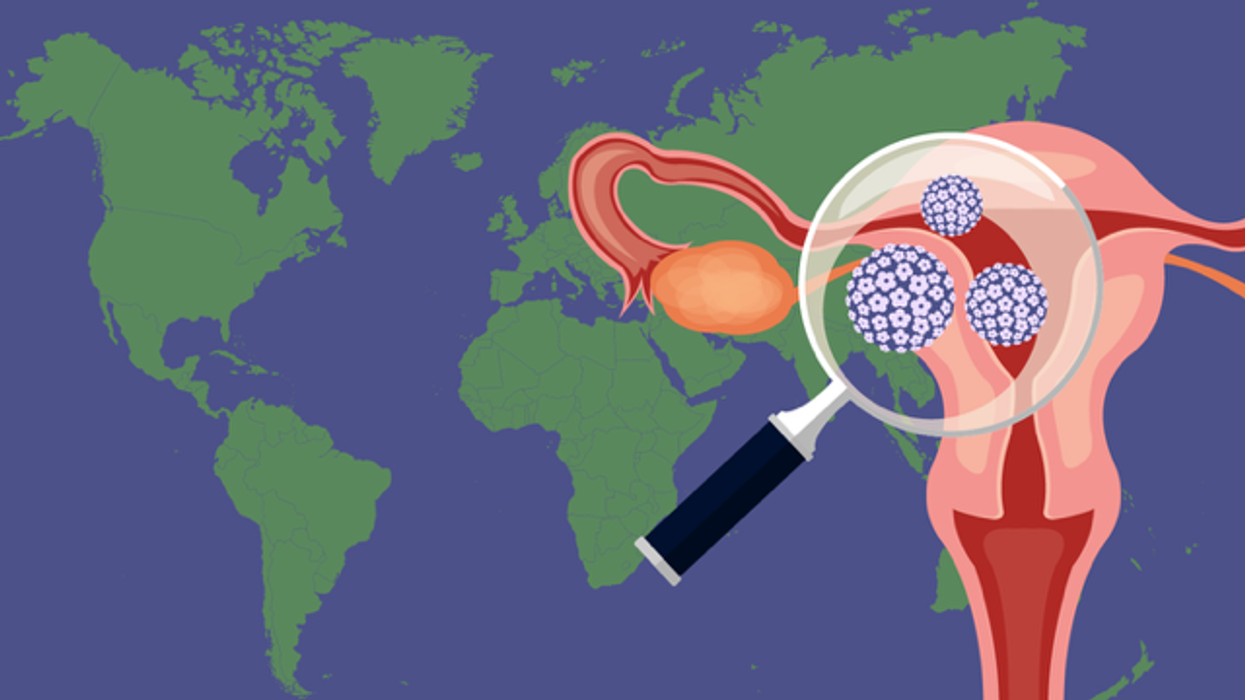
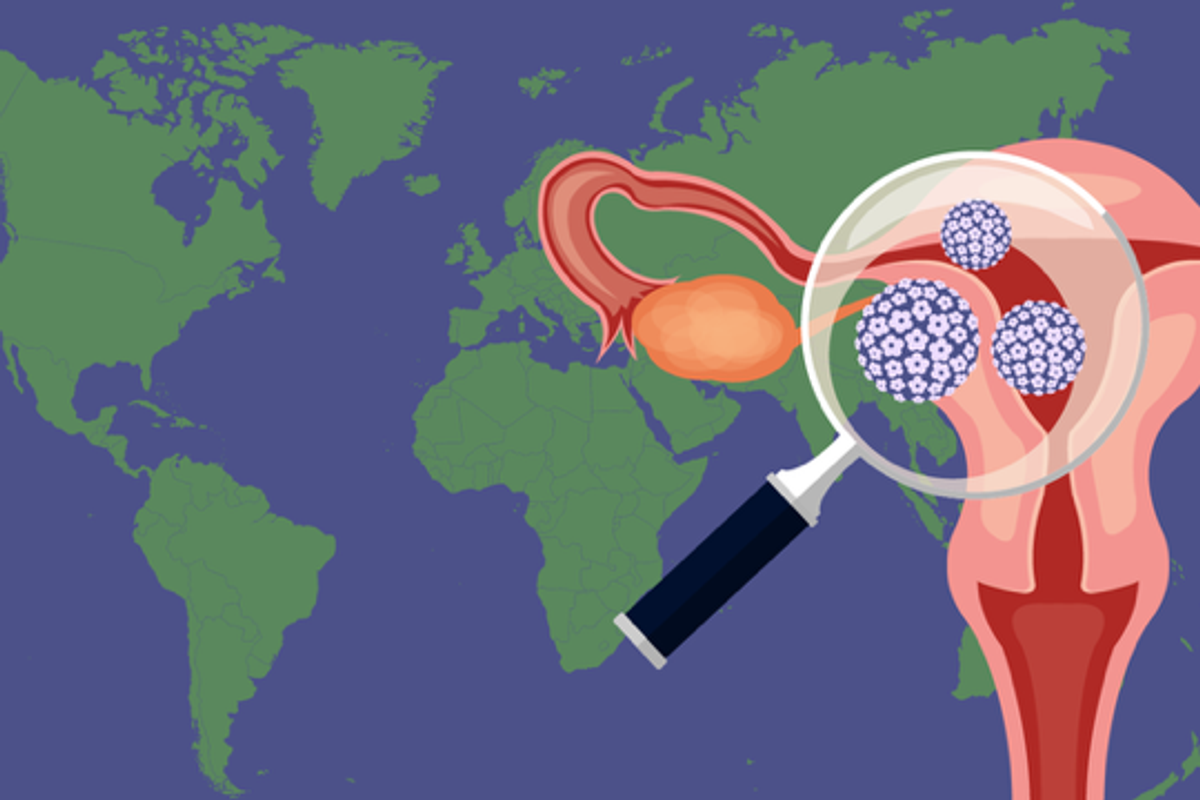
| Pap test and pelvic exam | Every 2 years from ages 21-30; every 2-3 years for women age 30 and older who have had 3 consecutive normal Pap tests. Screening may be stopped at age 65 or 70 for women who have 3 or more normal Pap tests in a row and no abnormal test results in 10 years. If you have had your cervix and uterus removed, ask your health care provider if you need to continue screening. | To screen for abnormalities that could indicate pre- or early cervical cancer. |
| HPV test | Every 2–3 years along with Pap test starting at age 30 (and in younger women with inconclusive Pap tests). | Helps identify women at risk for developing cervical cancer. |
| Chlamydia test | Yearly until age 25 if sexually active; for age 26 and older, get the test if you have new or multiple sexual partners. | Prevents spread of chlamydia. |
| Sexually transmitted disease (STD) screening | All sexually active women and their partners should be tested for HIV and other STDs before starting sexual activity. | Prevents spread of HIV and other STDs, many of which can only be detected through testing. |
| Skin Health | ||
| What | When | Why |
| Skin exam by a doctor | Talk to your health care provider about what’s right for you. If you have risk factors for skin cancer, your health care provider may recommend periodic skin exams. | To track worrisome moles and identify skin cancer early. |
| Skin self-exam | Monthly skin exam starting at age 18. | To know your own skin and be able to report changes to your health care provider. |
| Immunizations | ||
| What | When | Why |
| Influenza (flu) vaccine | Annually for everyone 6 months and older. | Protection again some flu viruses (will include H1N1 starting in fall 2010). |
| Hepatitis A | Given in 2 doses, 6-18 months apart, to children 1 year of age and to adults at risk or who want protection from hepatitis A. | Protects against hepatitis A, a serious liver disease that can cause flu-like illness, jaundice and severe stomach pains and diarrhea. |
| Hepatitis B | Given to children at birth in 3 doses at 0, 1 and 6 months. Also given to children or adults who weren't vaccinated and are at risk for hepatitis B, such as health care workers. | Protects against hepatitis B, a serious liver disease that can develop into a chronic infection. |
| Herpes zoster | Once only at age 60 or older. | Shingles prevention. |
| Human papillomavirus (HPV) | Age 11–12 or 13–26 if not previously vaccinated; 3 doses at 0-, 2- and 6-month intervals; no booster necessary. | Protects against four common types of HPV, including the two most likely to cause cervical cancer. |
| Pneumonia | Once only at age 65 or older. | Protects against pneumonia. |
| Tetanus, diphtheria, pertussis (Td/Tdap) | Every 10 years. | Protects against tetanus, diphtheria and pertussis. |
| Meningococcal | College freshmen, military recruits and other at-risk persons; discuss with your health care provider. | Protects against some types of meningococcal disease (meningitis). |
| Varicella (chickenpox) | Given in 2 doses at 0- and 4- to 8-week intervals to those 19 or older who have not been vaccinated or had chickenpox. | Protects against chickenpox, a usually mild but highly contagious childhood disease, which can be serious in infants and adults. |