

Search
Latest Stories

Newsletter Sign-Up
Newsletter
January is Cervical Cancer Awareness Month.
Good news for anyone with a cervix! New federal guidelines make it easier to get screened for cervical cancer.
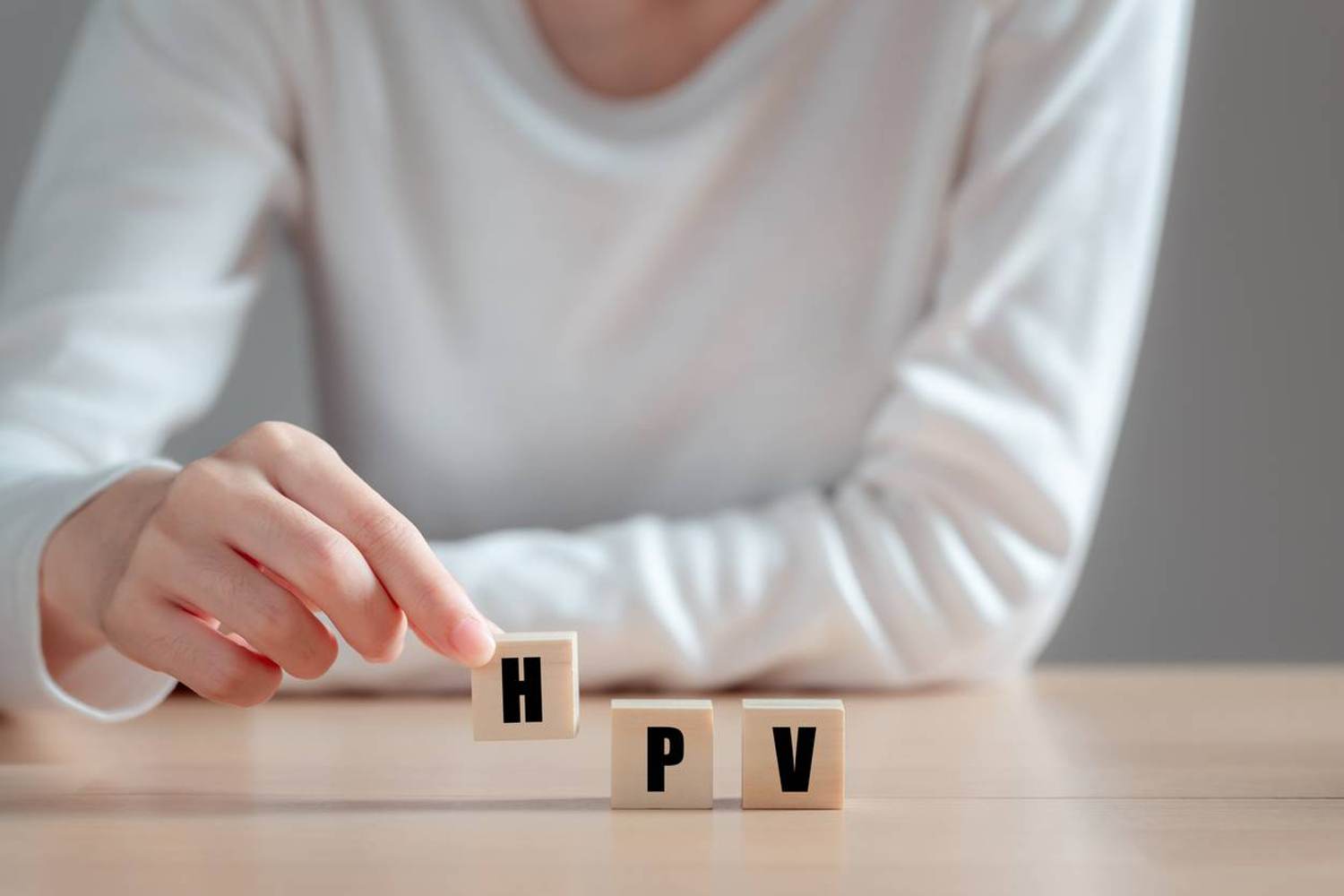
According to new guidelines adopted by the Health Resources and Services Administration (HRSA) in January 2026, high-risk HPV testing has been identified as the preferred first step for cervical cancer screening. The new HRSA guidelines include a self-collection kit option, so women can test themselves at home for high-risk strains of human papillomavirus (HPV) — which cause more than 90% of all cervical cancers.
The new HRSA guidelines require that self-collection test kits be covered by private insurance starting January 2027, but some insurance plans are covering them already, and you can use HSA or FSA funds.
Why at-home HPV testing is important
HPV is a common virus that almost everyone will be exposed to at some point in their life if they have sex. Many people’s bodies can clear the virus on their own, but for some, the high-risk strains of the virus can lead to abnormal cells that turn to cancer.
HPV testing is extremely important because detecting HPV before it turns to cancer can stop cervical cancer from ever forming. And, if it does form, early detection is a game changer because the five-year survival rate for cervical cancer is 90% when it’s caught early. After it spreads, that rate drops to 20%
For over seven decades, cervical cancer screening relied solely on the Pap test, which was invented in 1941 (and hasn’t changed much since). Pap tests, which require the use of a speculum to allow a healthcare provider (HCP) to take samples, detect abnormal cells that may be pre-cancerous or cancerous. But, in 2014, HPV tests were approved as a screening test to identify the presence of the virus before it even progresses to abnormal cells.
In-office HPV tests still use the same invasive and uncomfortable speculum as the Pap test and require a visit to your HCP. This can be particularly off-putting for women who have a history of sexual trauma, have difficulty getting on the exam table, or lack easy access to healthcare. The pain and inconvenience of these tests often lead to delayed or missed testing. In fact, according to the CDC, 1 in 4 women in the U.S. are not up to date with their cervical screening.
New self-collection HPV tests offer the convenience and privacy of testing at home and use a sponge-like tool to swab the vagina — no stirrups or speculum needed. The self-collection test kits are an additional option, aimed at increasing access and appeal for those women who are deterred by in-office screening methods. Traditional Pap and HPV testing are still available.
It’s important to note that, when self-testing for HPV, you must use an FDA-approved device that you obtain through a prescription from a healthcare provider. And, if you have an abnormal result, you will need to follow up with an HCP for further testing.
HPV screening guidelines
The new HRSA guidelines recommend that women of average risk between the ages of 30 and 65 receive a high-risk HPV test every five years. Nothing was changed for women ages 21 to 29, who are advised to get a Pap test every three years.
However, guidelines about who should be screened for cervical cancer, how and how often vary from organization to organization, so it’s important to talk to your HCP about what type of screening is best for you.







Popular
1

2
What Happens in the Body During a Hot Flash
Sep 03, 2026
3
Understanding Menopause Stages and Terms
Sep 08, 2026
4

5
Lo que ocurre en el cuerpo durante un bochorno
Sep 03, 2026
6
Biologics for Treating Asthma
Sep 22, 2026
Support Our Mission
Keep Trusted Women’s Health Information Free
Your donation ensures every woman continues to have access to credible health content.More Stories






Everything you need to know about women’s health — in one place.