
Search
Latest Stories
Newsletter Sign-Up
Newsletter

Human immunodeficiency virus, or HIV, is a lifelong condition that can be managed with treatments like antiretroviral therapy (ART). But many people still have questions about how the virus spreads, what the early signs of infection are, when to test and what a diagnosis really means.
Whether you’re worried about potential exposure, have recently been diagnosed with HIV or just want to brush up on your knowledge, understanding the basics can help you make informed decisions about your health.
Here are 10 common questions about HIV, answered.
1. How soon can you test for HIV after exposure?
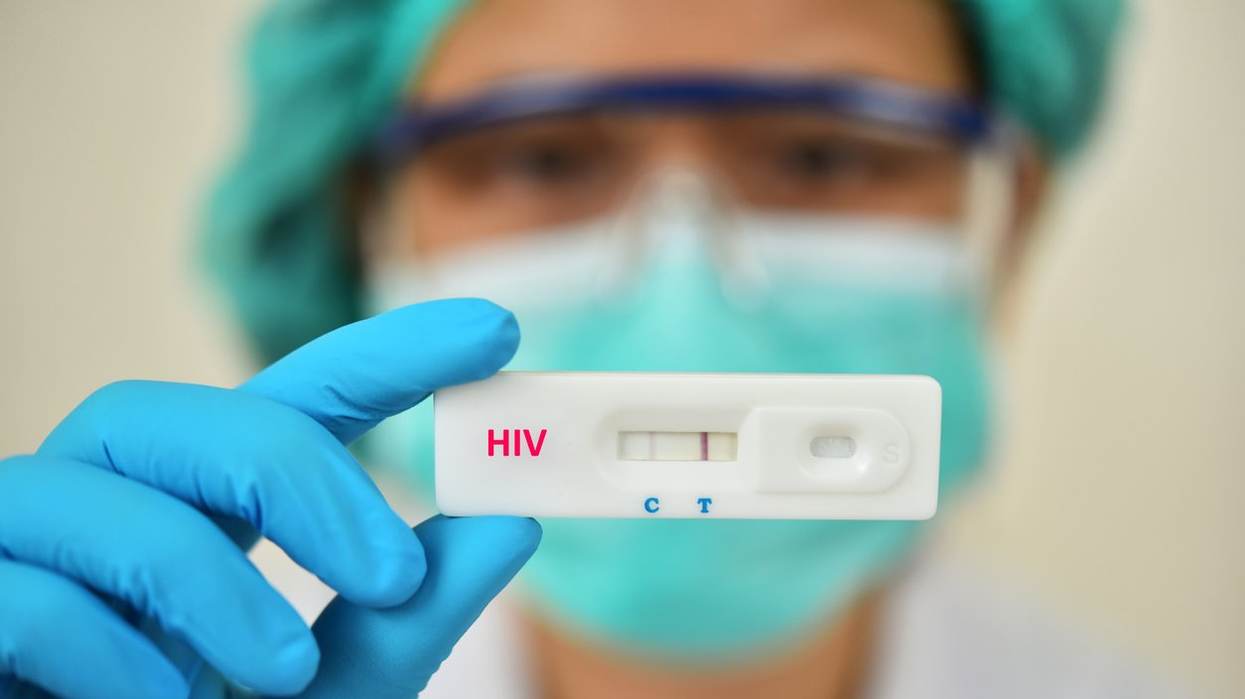
It can take 10 to 90 days to detect HIV after exposure, depending on the type of HIV test you take.
Here are the window periods (the time between HIV exposure and when a test can accurately detect the infection) for each HIV test:
- Nucleic acid test (NAT): 10–33 days
- Antigen/antibody lab test: 18–45 days
- Rapid antigen/antibody test: 18–90 days
- Antibody test: 23–90 days
If you believe you’ve been exposed to HIV, talk with your clinician about which test is right for you. Even if your test is negative, you may need to test again after that test's window period.
2. What are the earliest symptoms of HIV?
Some early symptoms of HIV can mimic the flu or mononucleosis.
These symptoms can include:
- Fever
- Swollen lymph nodes
- Sore throat
- Skin rash
- Fatigue
- Night sweats
- Mouth sores
- Muscle and joint aches
- Weight loss
Some people may have mild symptoms or have no symptoms at all.
3. How soon do symptoms appear after exposure?
HIV symptoms often appear within two to four weeks after infection. The initial stage, known as the acute infection or acute retroviral syndrome, can resemble a bad flu or mononucleosis.
Once early symptoms fade, many people enter a chronic or asymptomatic HIV stage where they don’t experience any noticeable symptoms.
4. How accurate are HIV tests?
Modern HIV tests are highly accurate when used correctly and taken within the appropriate window period.
Factors such as the window period, confirmatory lab tests and user error can affect test accuracy. No test can detect the virus immediately after HIV infection.
5. What is the difference between HIV and AIDS?
HIV is the virus that causes the infection, while AIDS is the most advanced stage of that infection. You cannot have AIDS without having HIV first, but having HIV doesn’t guarantee it will progress to AIDS.
6. Is HIV curable?
There is no cure for HIV, but treatments like antiretroviral therapy (ART) can control the virus and reduce a person’s viral load to the point where it’s undetectable. When HIV is undetectable, it is untransmittable, meaning it can not be transmitted to another person through sexual activity. Treatment can also protect the immune system and allow people to live long, healthy lives.
7. Can HIV live outside the body?
No, HIV doesn’t survive very long outside the human body (such as on surfaces), nor can it reproduce. Once it’s exposed to air, 90% to 99% of HIV particles are inactive.
8. What’s the main way people get HIV?
HIV most commonly spreads through vaginal or anal sex with someone who has HIV, especially if condoms or other preventive methods, like PrEP or PEP, aren’t used.
Other forms of transmission include:
- Sharing needles, syringes or other equipment used to inject drugs, steroids or hormones
- A mother with HIV passing the virus to her baby during pregnancy, childbirth or breastfeeding
- Getting artificially inseminated with semen that is infected with HIV
9. Are HIV symptoms different in women than in men?
Both women and men can experience early flu-like symptoms, such as fever, fatigue and swollen lymph nodes. However, HIV can also affect sexual and reproductive health differently, and some symptoms might be more relevant to women or men.
Some women may experience recurring yeast infections, menstrual cycle changes (lighter, heavier, irregular or completely missed periods), higher rates of bacterial vaginosis and pelvic inflammatory disease (PID), and an increased risk of cervical cancer.
10. Can women who have sex with men get HIV?
Yes. Anyone can get HIV. Women can get HIV through sex with a man who has HIV. In the United States, most women who acquire HIV get it through sex with a male partner.
Several factors make women more likely than men to get HIV during vaginal sex:
- The vagina has a larger surface area than a penis that can be exposed to HIV-infected semen or preseminal fluid.
- Semen can stay in the vagina for several days after sex.
- Vaginal yeast infections, bacterial vaginosis or STIs can make HIV transmission more likely.
Women who have sex with women also can get HIV if they have open cuts in their mouth during oral sex or through non-sexual methods of transmission.
Protect yourself against HIV
You can lower your risk of getting HIV by using barrier methods (condoms), taking prevention medications — such as pre-exposure prophylaxis (PrEP) and post-exposure prophylaxis (PEP) — and getting regularly tested for the virus and other STIs.
If you test positive for HIV, know that there are effective medicines that can stop the virus from progressing to AIDS, help you manage symptoms and protect your health.
This educational resource was created with support from Merck.








Support Our Mission
Keep Trusted Women’s Health Information Free
Your donation ensures every woman continues to have access to credible health content.
More Stories





Everything you need to know about women’s health — in one place.