
Search
Latest Stories


Newsletter Sign-Up
Newsletter
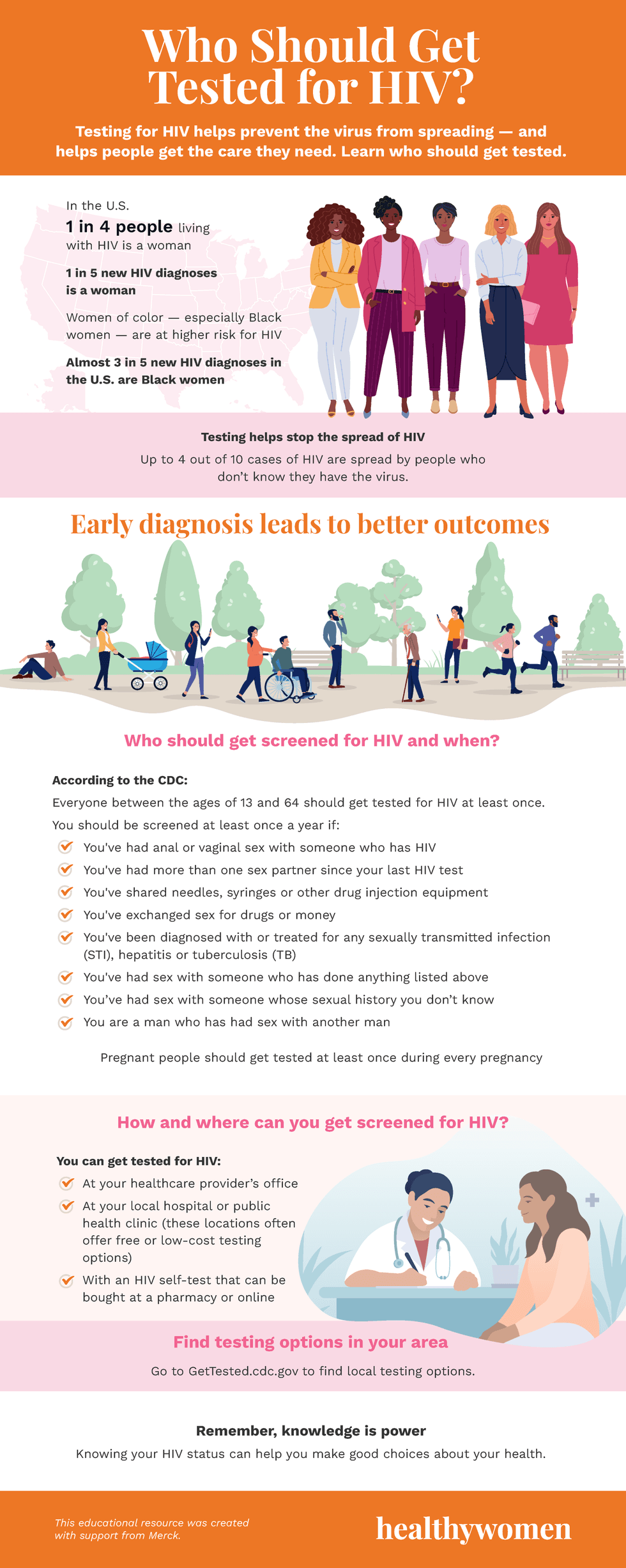
In the U.S.
- 1 in 4 people living with HIV is a woman
- 1 in 5 new HIV diagnoses is a woman
- Women of color — especially Black women — are at higher risk for HIV
- Almost 3 in 5 new HIV diagnoses in the U.S. are Black women
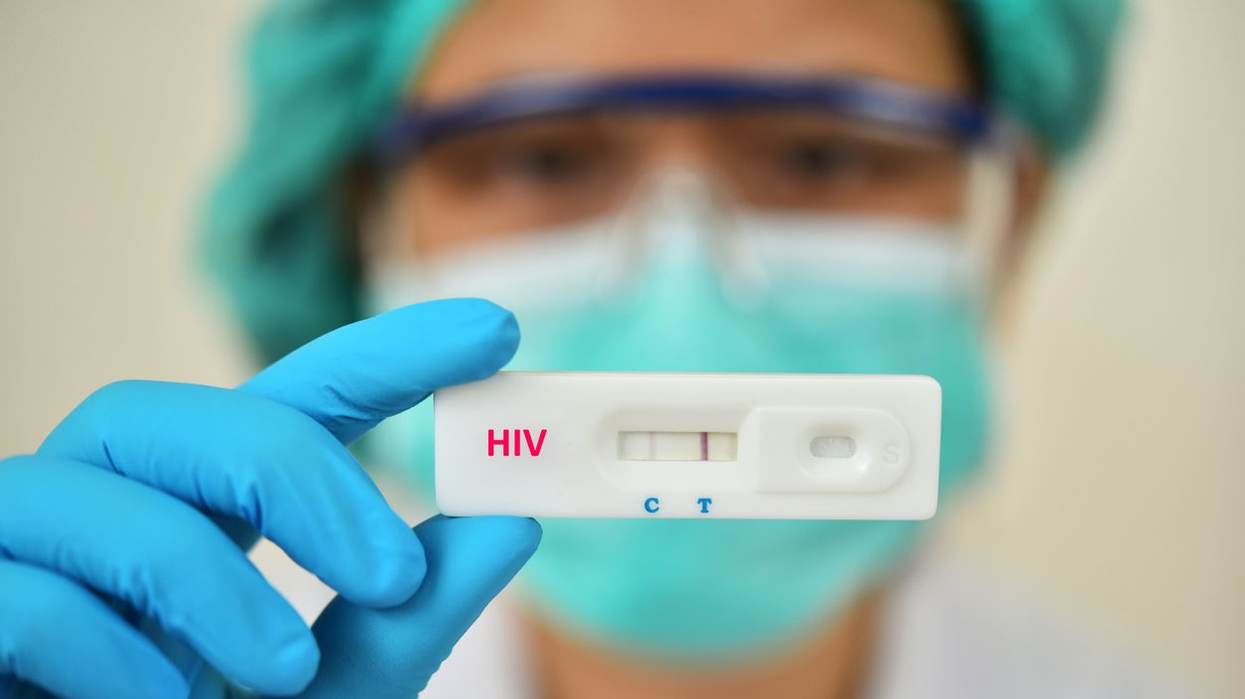
Testing helps stop the spread of HIV
Up to 4 out of 10 cases of HIV are spread by people who don’t know they have the virus.
Early diagnosis leads to better outcomes
Who should get screened for HIV and when?
According to the CDC:
- Everyone between the ages of 13 and 64 should get tested for HIV at least once
- You should be screened at least once a year if:
- You've had anal or vaginal sex with someone who has HIV
- You've had more than one sex partner since your last HIV test
- You've shared needles, syringes or other drug injection equipment
- You've exchanged sex for drugs or money
- You've been diagnosed with or treated for any sexually transmitted infection (STI), hepatitis or tuberculosis (TB)
- You've had sex with someone who has done anything listed above
- You’ve had sex with someone whose sexual history you don’t know
- You are a man who has had sex with another man
- Pregnant people should get tested at least once during every pregnancy
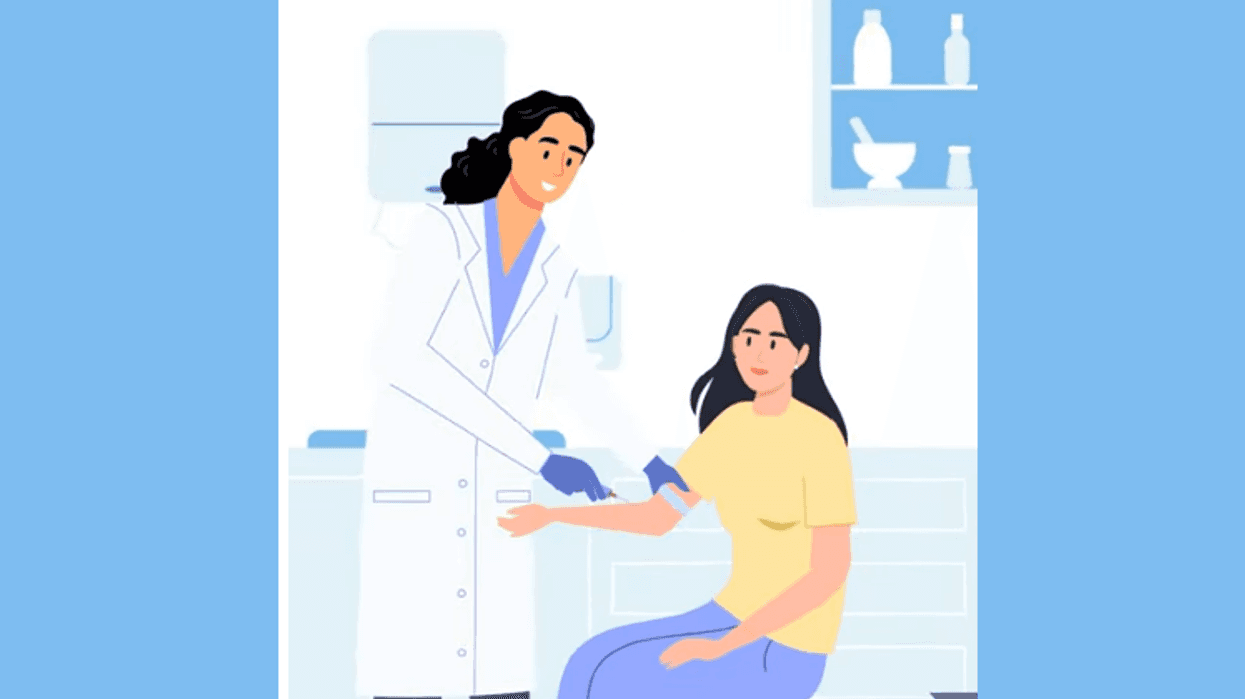
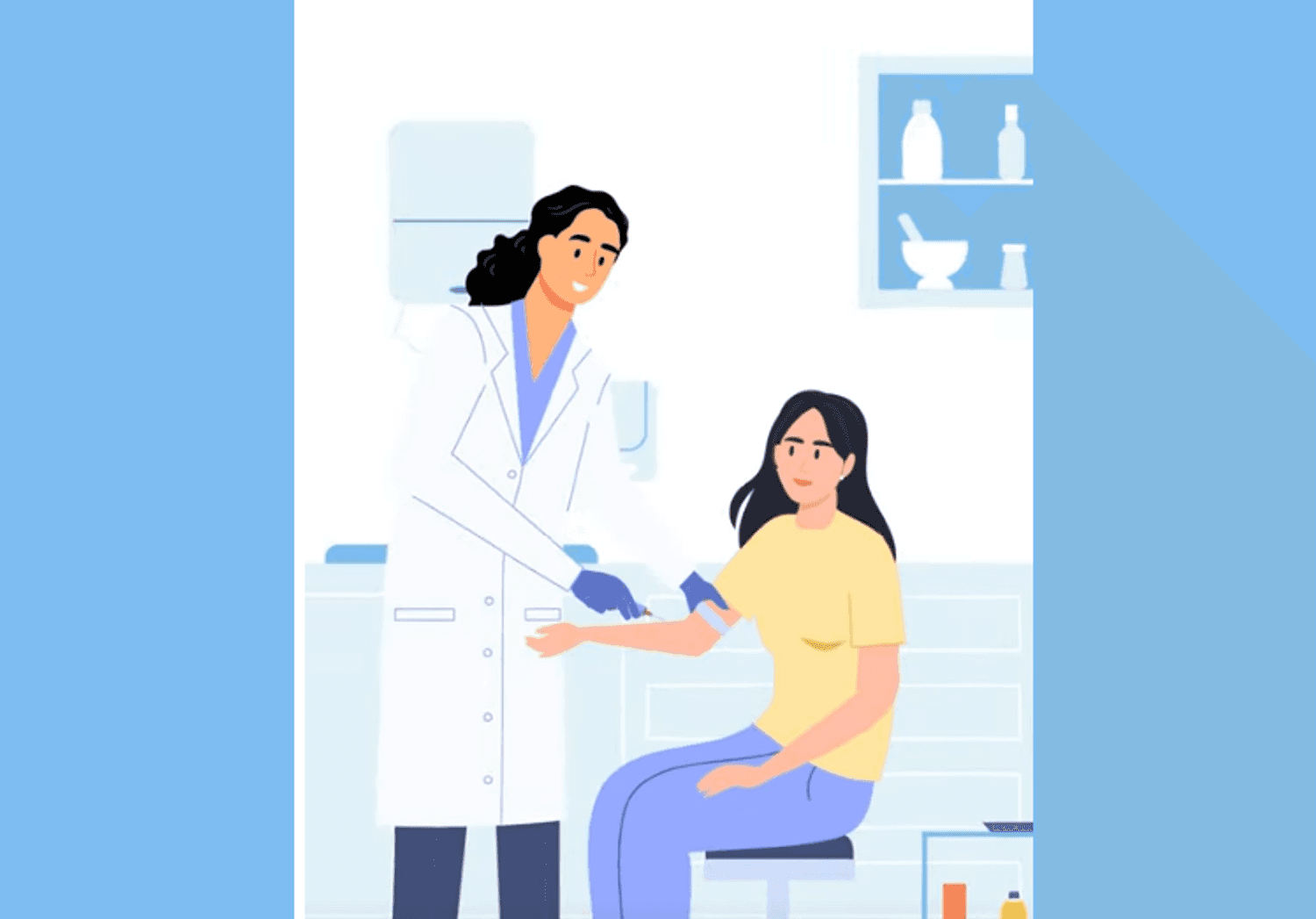
How and where can you get screened for HIV?
You can get tested for HIV:
- At your healthcare provider’s office
- At your local hospital or public health clinic
- These locations often offer free or low-cost testing options
- With an HIV self-test that can be bought at a pharmacy or online
Find testing options in your area
Go to GetTested.cdc.gov to find local testing options.
Remember, knowledge is power
Knowing your HIV status can help you make good choices about your health.
Resources
GetTested
This educational resource was created with support from Merck.
View the rest of the “You, Me and HIV” campaign









Stories We Love
1
2
HIV and Older Women
Sep 27, 2021
3
4
HIV Testing: Knowing Your Status Can Save Your Life
Dec 02, 2024
5
6

Comic Strip: Heather Gets an HIV Test
May 04, 2026
Support Our Mission
Keep Trusted Women’s Health Information Free
Your donation ensures every woman continues to have access to credible health content.
More Stories



Everything you need to know about women’s health — in one place.