
Search
Latest Stories



Newsletter Sign-Up
Newsletter
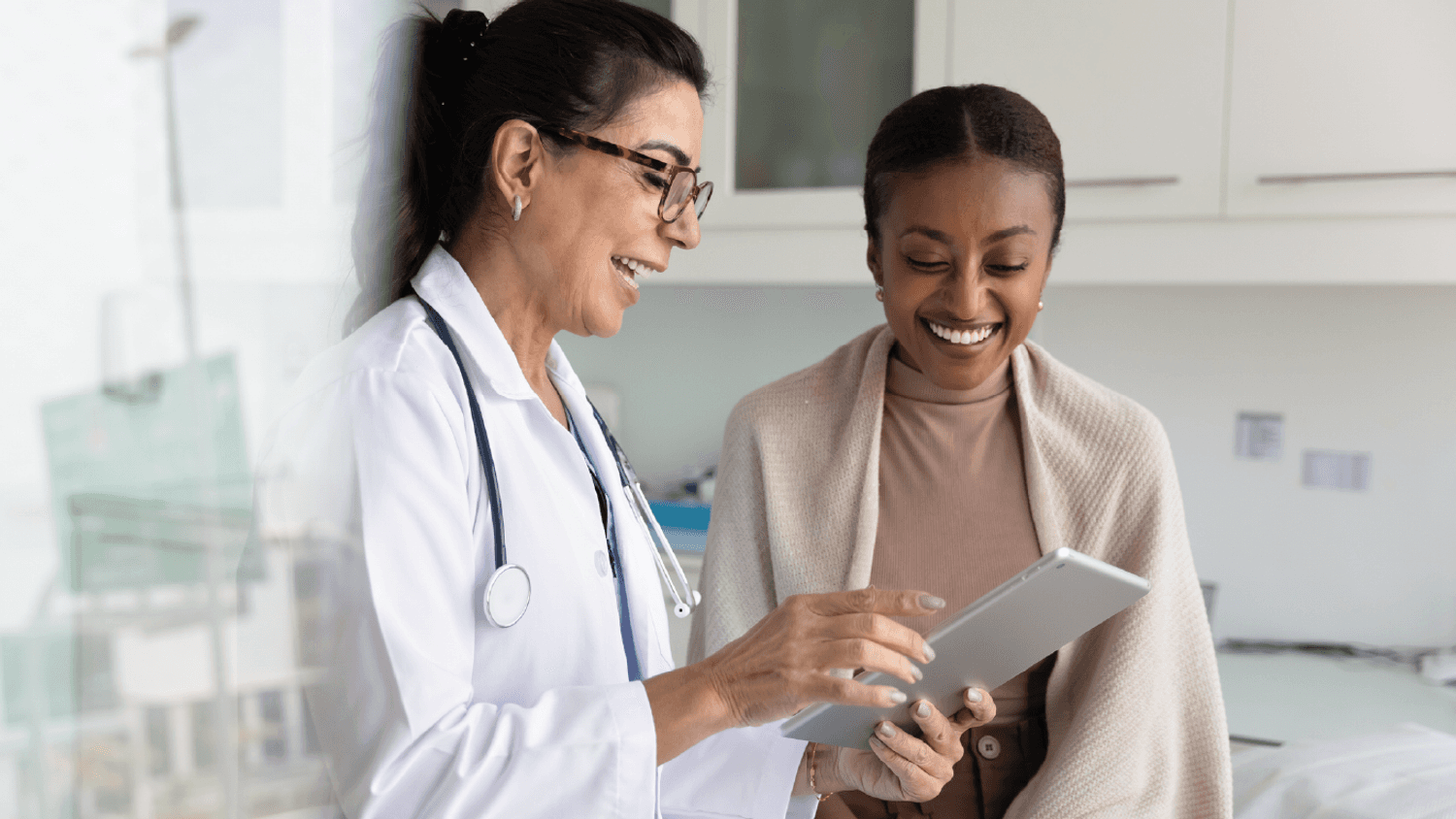
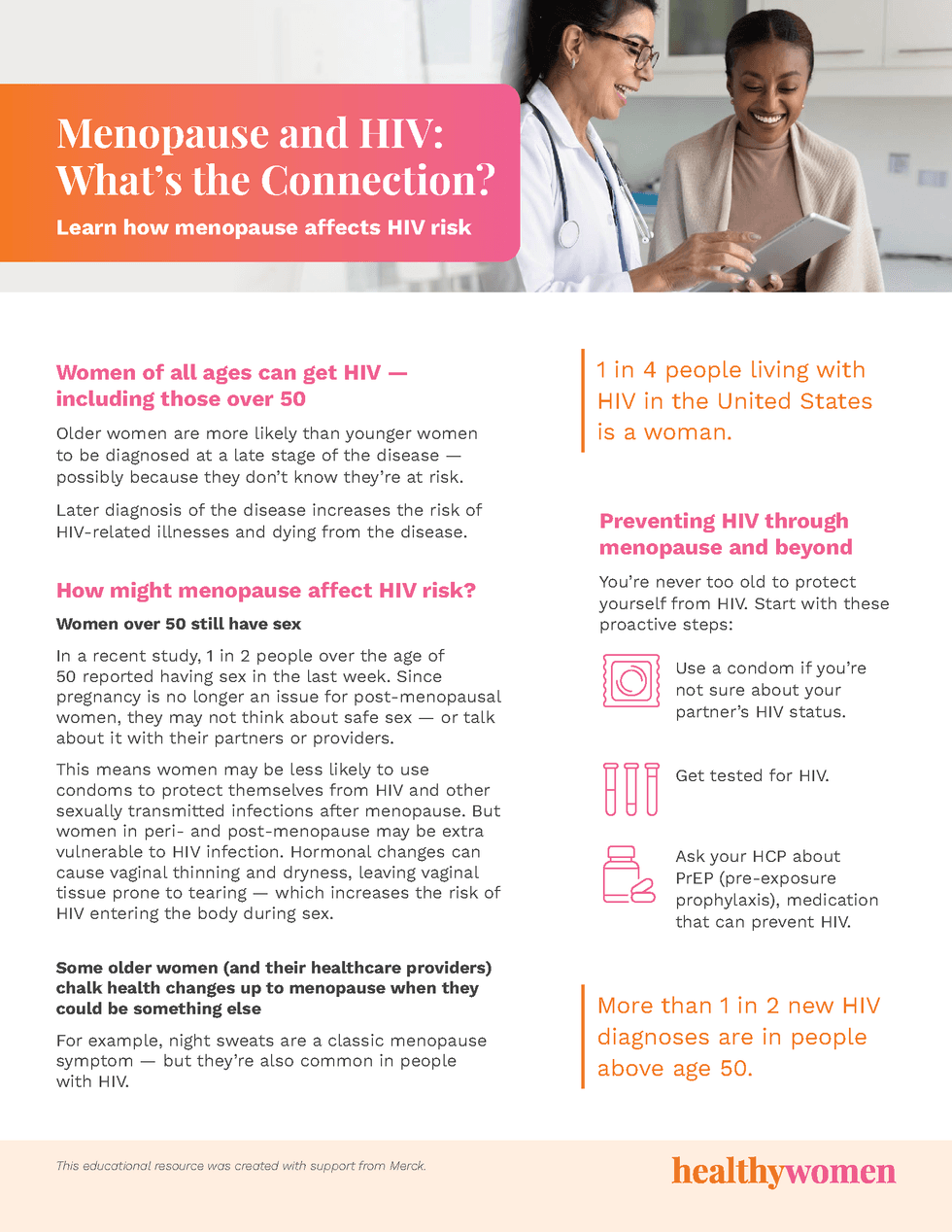
Women of all ages can get HIV — including those over 50
- 1 in 4 people living with HIV in the United States is a woman.
- More than 1 in 2 new HIV diagnoses are in people above age 50.
Older women are more likely than younger women to be diagnosed at a late stage of the disease — possibly because they don’t know they’re at risk.
Later diagnosis of the disease increases the risk of HIV-related illnesses and dying from the disease.
How might menopause affect HIV risk?
Women over 50 still have sex.
In a recent study, 1 in 2 people over the age of 50 reported having sex in the last week. Since pregnancy is no longer an issue for post-menopausal women, they may not think about safe sex — or talk about it with their partners or providers.
This means women may be less likely to use condoms to protect themselves from HIV and other sexually transmitted infections after menopause. But women in peri- and post-menopause may be extra vulnerable to HIV infection. Hormonal changes can cause vaginal thinning and dryness, leaving vaginal tissue prone to tearing — which increases the risk of HIV entering the body during sex.
Some older women (and their healthcare providers) chalk health changes up to menopause when they could be something else
For example, night sweats are a classic menopause symptom — but they’re also common in people with HIV.
Preventing HIV through menopause and beyond
You’re never too old to protect yourself from HIV. Start with these proactive steps:
- Use a condom if you’re not sure about your partner’s HIV status.
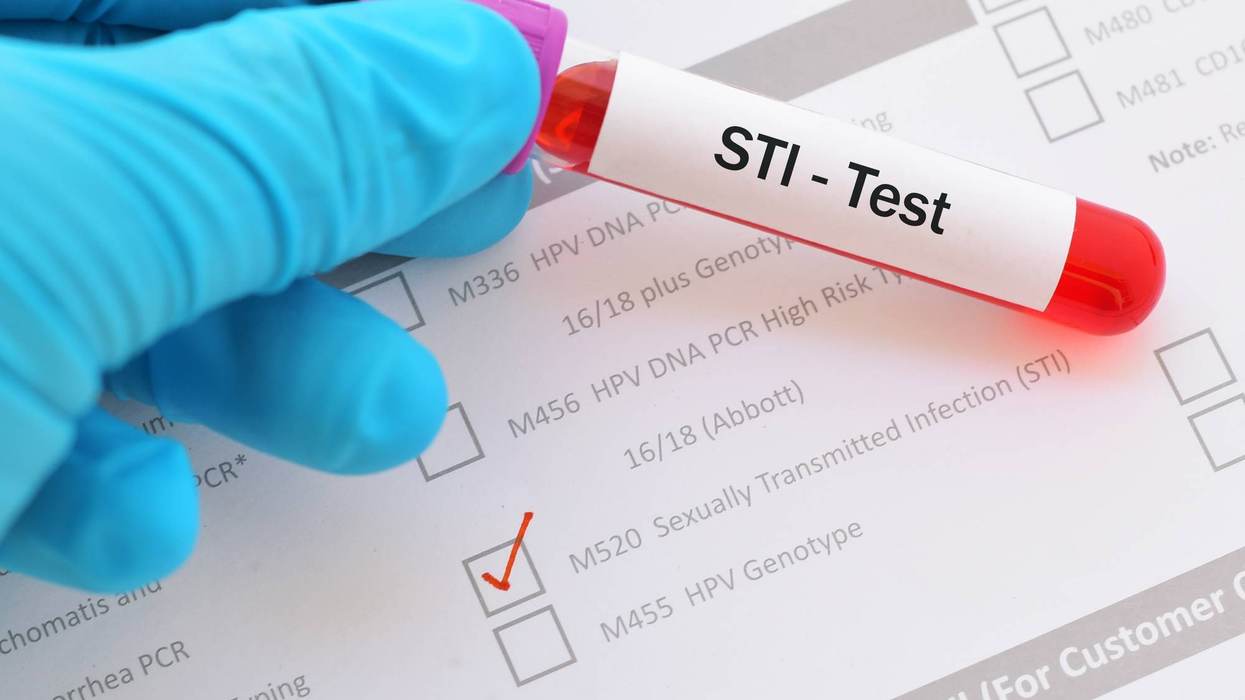
- Get tested for HIV.
- Ask your HCP about PrEP (pre-exposure prophylaxis), medication that can prevent HIV.
This educational resource was created with support from Merck.



Popular
1
Biologics for Treating Asthma
Sep 22, 2026
2
3
Bye, Bye, Itch! Managing Chronic Hives at Home
Sep 23, 2026
4
Biofármacos para el tratamiento del asma
Sep 22, 2026
5
¿Qué es la urticaria crónica espontánea (UCE)?
Jun 29, 2026
6
The Skinny on Microdosing GLP-1 Drugs
Mar 06, 2025
Support Our Mission
Keep Trusted Women’s Health Information Free
Your donation ensures every woman continues to have access to credible health content.More Stories


Everything you need to know about women’s health — in one place.