
Search
Latest Stories
Newsletter Sign-Up
Newsletter
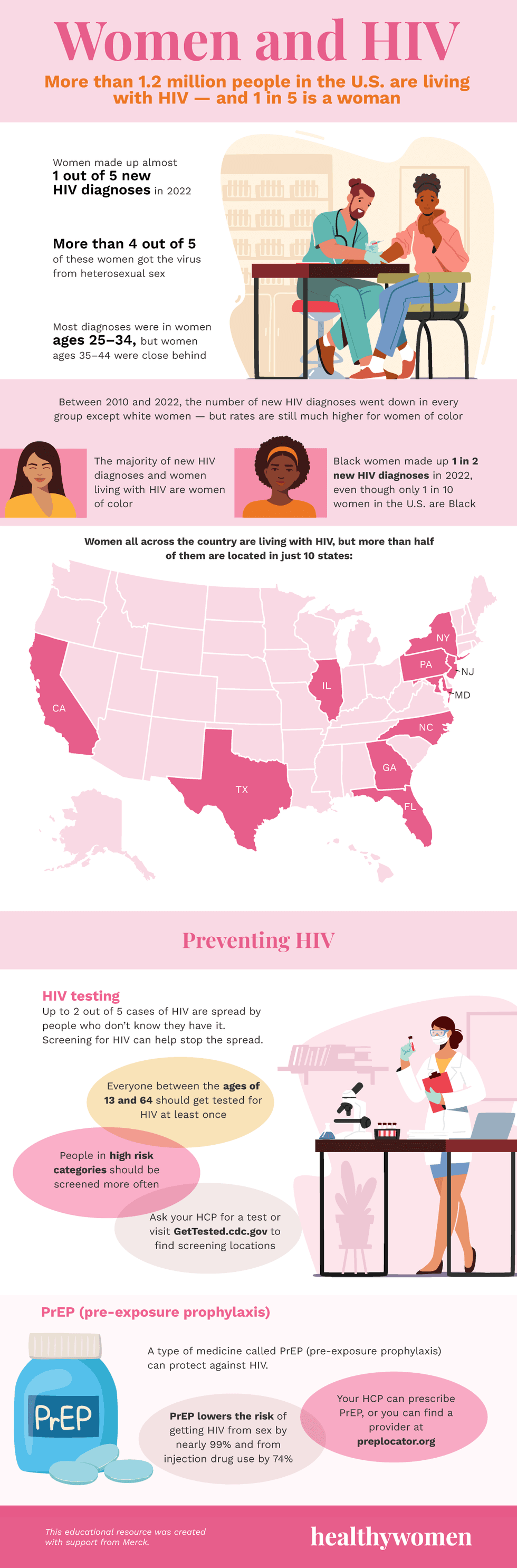
- Women made up almost 1 out of 5 new HIV diagnoses in 2022
- More than 4 out of 5 of these women got the virus from heterosexual sex
- Most diagnoses were in women ages 25–34, but women ages 35–44 were close behind
- Between 2010 and 2022, the number of new HIV diagnoses went down in every group except white women — but rates are still much higher for women of color
- The majority of new HIV diagnoses and women living with HIV are women of color
- Black women made up 1 in 2 new HIV diagnoses in 2022, even though only 1 in 10 women in the U.S. are Black
- Women all across the country are living with HIV, but more than half of them are located in just 10 states:
- NY
- FL
- TX
- CA
- GA
- MD
- NJ
- PA
- NC
- IL
Preventing HIV
HIV testing
Up to 2 out of 5 cases of HIV are spread by people who don’t know they have it. Screening for HIV can help stop the spread.
- Everyone between the ages of 13 and 64 should get tested for HIV at least once
- People in high risk categories should be screened more often
- Ask your HCP for a test or visit GetTested.cdc.gov to find screening locations
PrEP (pre-exposure prophylaxis)
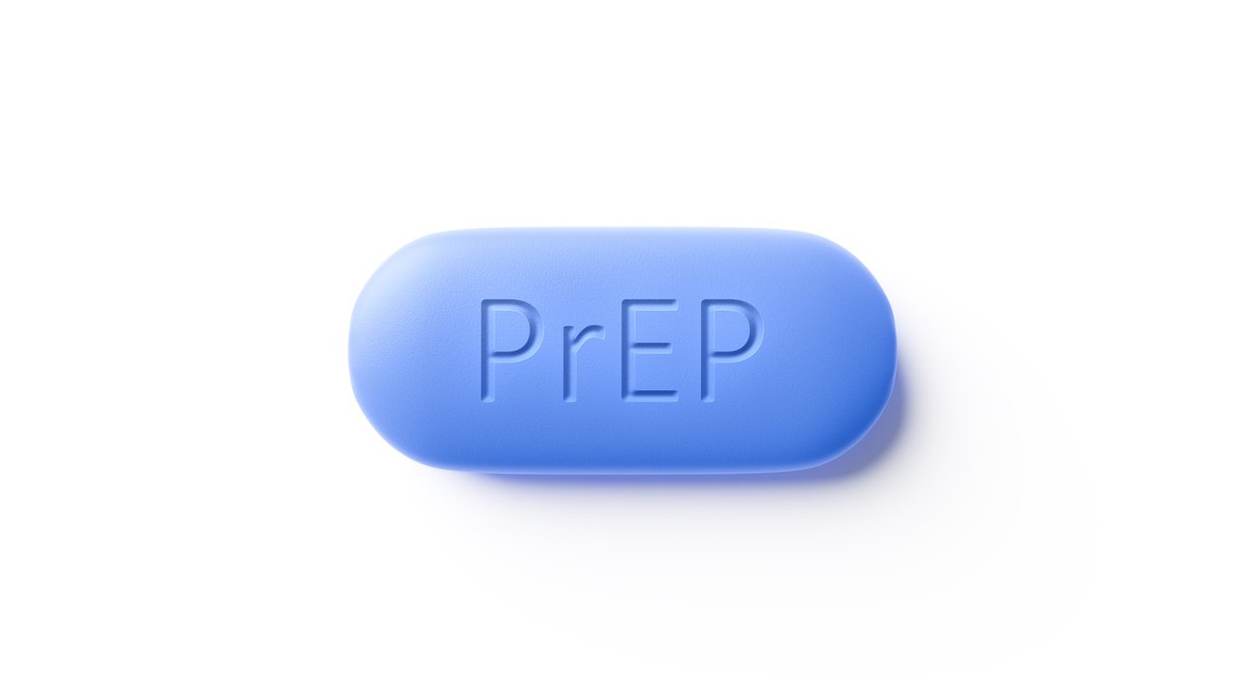
A type of medicine called PrEP (pre-exposure prophylaxis) can protect against HIV.
- PrEP lowers the risk of getting HIV from sex by nearly 99% and from injection drug use by 74%
- Your HCP can prescribe PrEP, or you can find a provider at preplocator.org
This educational resource was created with support from Merck.




Stories We Love
1
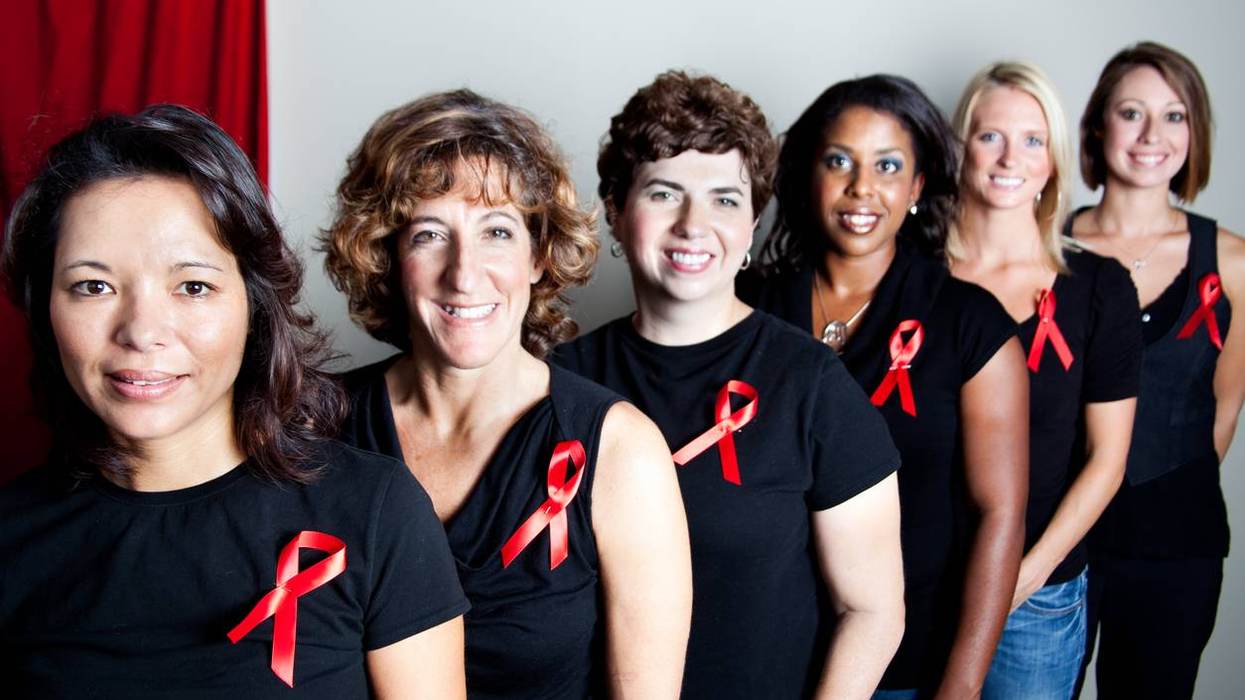
HIV and the Risk of Other Health Problems
Nov 26, 2025
2
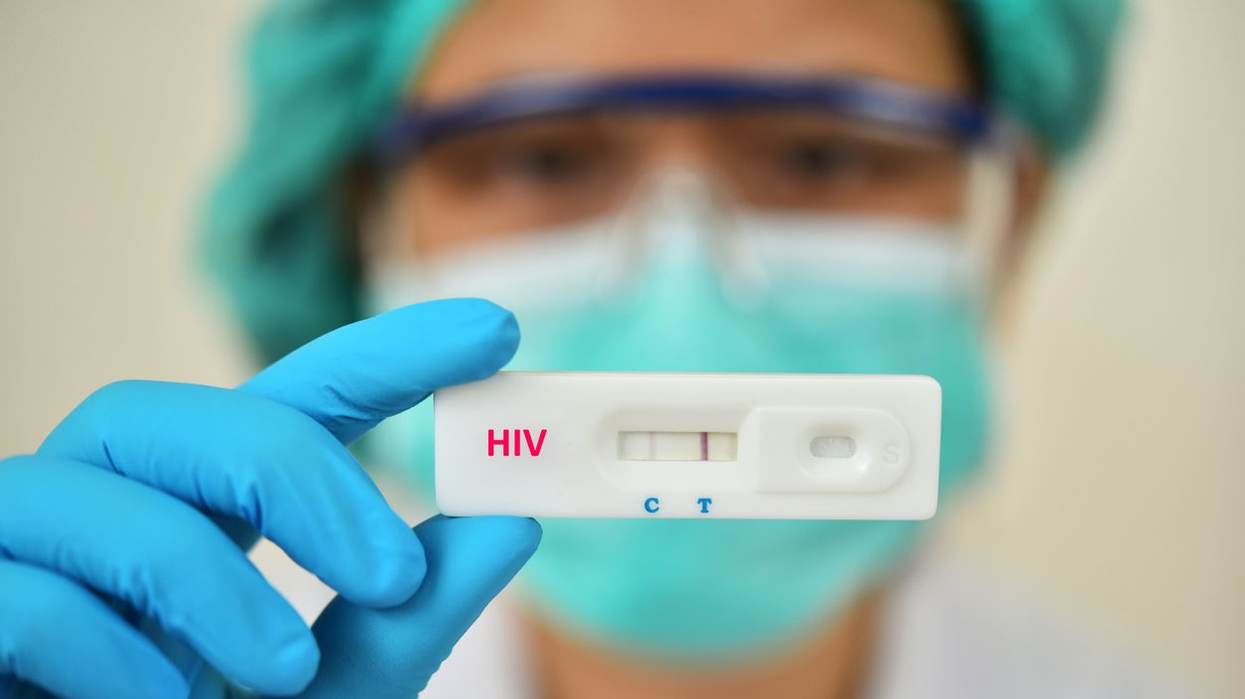
HIV Testing: Knowing Your Status Can Save Your Life
Dec 02, 2024
3

4
5
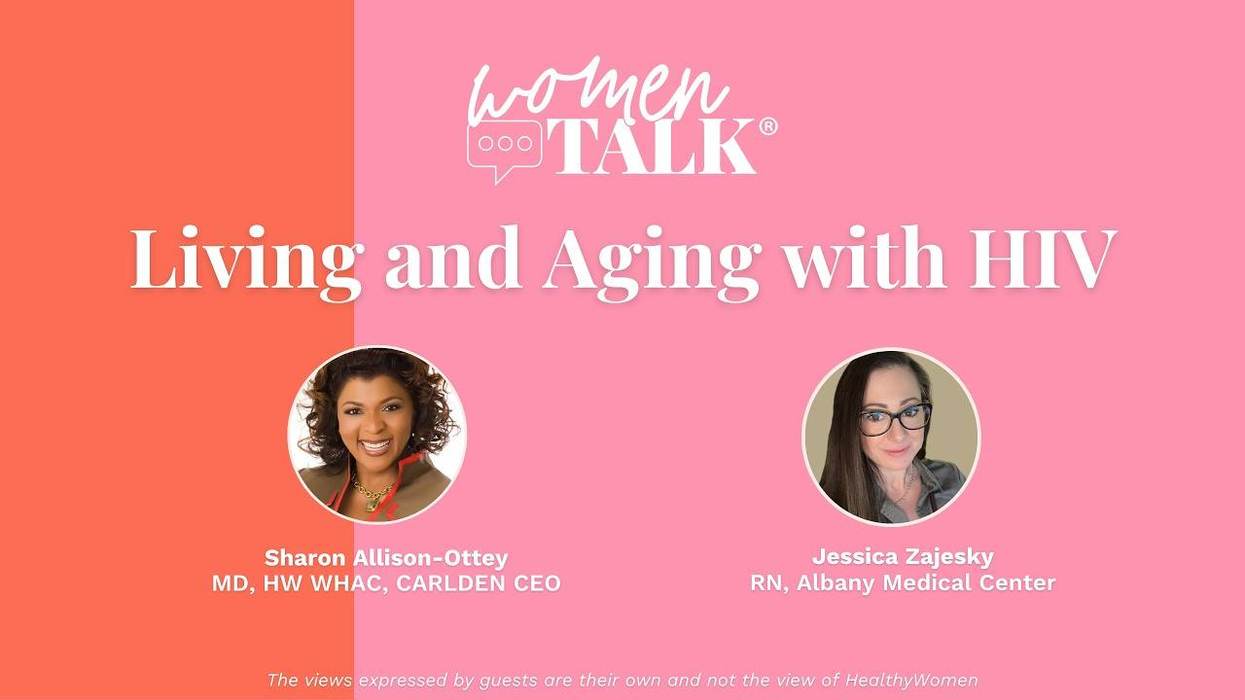
WomenTalk: Living and Aging with HIV
Apr 30, 2026
6
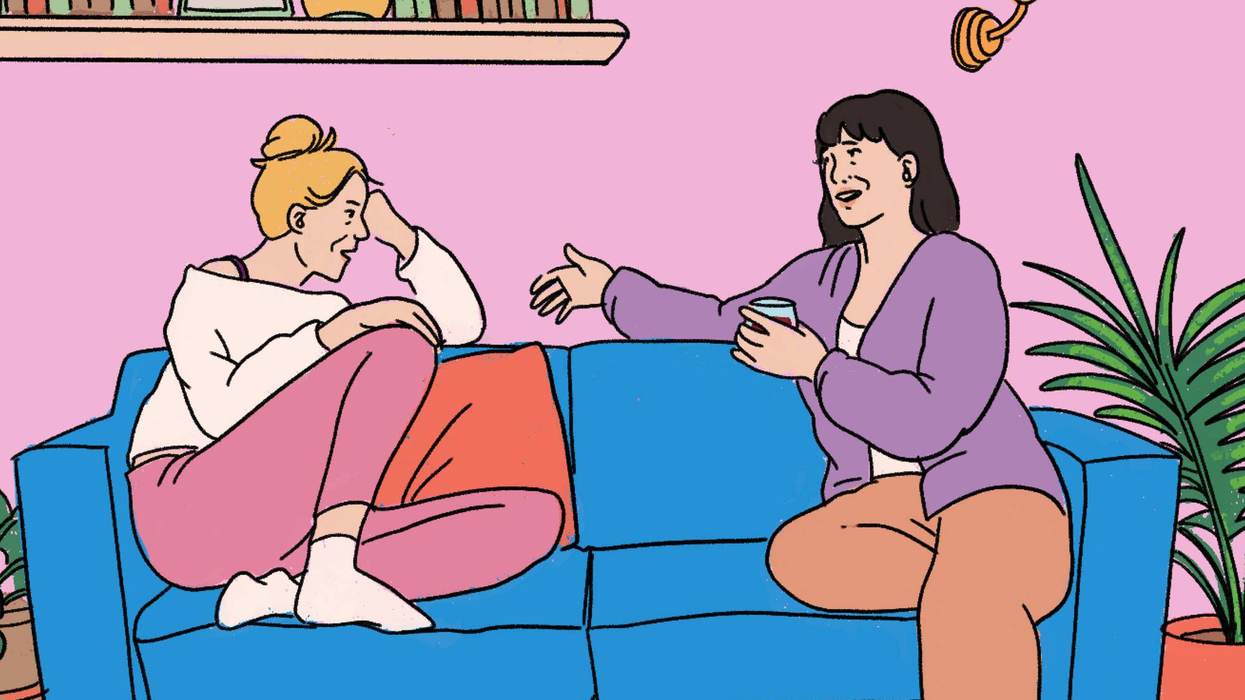
Comic Strip: Heather Gets an HIV Test
May 04, 2026
Support Our Mission
Keep Trusted Women’s Health Information Free
Your donation ensures every woman continues to have access to credible health content.
More Stories

Everything you need to know about women’s health — in one place.