

Search
Latest Stories



Newsletter Sign-Up
Newsletter
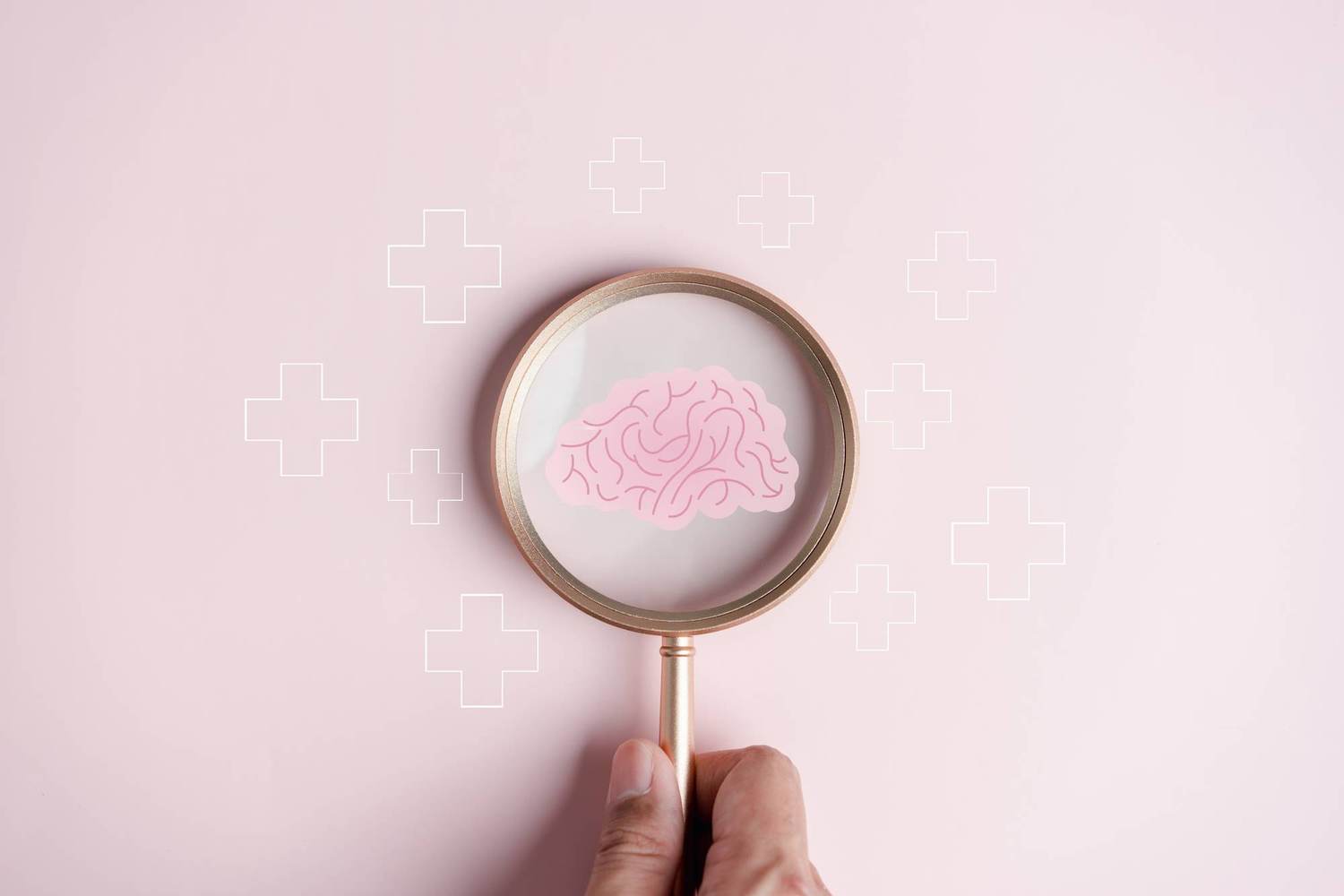
June is Alzheimer’s and Brain Awareness Month.
Did you know the human brain weighs 3 pounds?
If that seems a little light for everything your brain does — we feel you. Three pounds is a toaster or a bag of apples. But, every day, your 3-pound, zero-ounce brainy organ works to regulate senses, emotions, thoughts, memories, movement, behavior and more.
Your brain is home to a mind-boggling 86 billion neurons that help make it all happen. These neurons also form connections with each other to increase storage in your brain, so you can learn and remember important things like the name of Taylor Swift’s cat and what days of the week Love Island is on.
But damaged neurons or neurons that don’t work properly can lead to serious neurological conditions, such as dementia. And the risk for dementia increases with age.
The good news? Science says being proactive about your brain health can help lower the risk for dementia and keep your brain sharp.
What is brain health?
When we say “brain health,” we’re not just talking about one thing.
“[Brain health] really has to do with the preservation of brain integrities,” said Jill M. Goldstein, Ph.D, MPH, professor of psychiatry and medicine at Harvard Medical School and the founder and executive director of the Innovation Center on Sex Differences in Medicine at Massachusetts General Hospital. “Brain health covers multiple domains — there's cognition, there's emotion, there's behavior, there's perception and sensory input, and then there's neurobiologic and psychologic function and structure.”
Of course, brain health has a lot to do with the brain itself, but it’s more than just what’s happening from the neck up. “Brain health is part of your overall health because the brain systems drive your heart; they drive your gut. They're all connected, and it's really important to understand that kind of brain-body connection,” Goldstein said.
The importance of brain health
Many of us don’t think about our brains — or what it takes to keep our brains healthy — until problems like memory loss start.
But brain changes don’t just happen overnight — they take years to develop. For example, Alzheimer’s disease, the most common form of dementia, can start as early as 20 years before symptoms appear. That means there’s no time like the present to start making brain health top of mind.
Be proactive about brain health
Staying active is one of the best ways to keep your brain healthy because neurons need stimulation to work properly. “You can modify your risk of Alzheimer’s with effortful cognitive activity as you age and effortful physical activity,” Goldstein said. “Even if you were sedentary in early life, you can still change your trajectory.”
Goldstein said the hippocampus, which is a key region for memory function, is one of two brain regions that continue to produce new neurons even as we age, and physical activity can facilitate that growth.
Another activity that’s good for your brain health: socializing. “The emotional impact of loneliness and isolation can have major implications for your brain,” Goldstein said. “Being with other people forces you to think about other people's perspectives and get new perspectives, and an active brain is a healthy brain.”
What you eat can also affect your brain health. Research shows that people who eat mainly ultraprocessed foods (frozen meals, cereal, desserts, etc.) have an increased risk of cognitive decline. But eating plans such as the Mediterranean or MIND diets, which are rich in anti-inflammatory foods, like leafy green, berries and fatty fish, have been shown to boost cognitive function and even slow the aging process in the brain.
In addition to physical activity, socializing and your diet, which are risk factors that you can control, other modifiable risk factors for dementia include:
- Smoking
- Excessive alcohol use
- High blood sugar (diabetes)
- Obesity
- Depression
- High blood pressure (hypertension)
- Lack of quality sleep
It’s also important to note that there are non-modifiable risk factors for dementia that you can’t change or control.
- Age — the risk of dementia increases as you get older
- Genetics — there are more than 20 genes that affect the risk of developing dementia
- Family history — you’re more likely to develop Alzheimer’s if you have a parent, brother or sister with the disease, and the risk increases if more than one family member has the disease
- Sex — women are more likely than men to have Alzheimer’s disease
If you’re at risk for dementia, it’s important to talk to your clinician about steps you can take to monitor your brain health.
A proactive plan might include long-term brain exercises, healthy diet and annual cognitive assessments to help diagnose the disease in earlier stages when more treatment options are available.
Make a healthy brain plan
We know diet and exercise seem like the go-to for everything, but making healthy lifestyle choices can make a big difference for your brain. And a recent clinical trial may have cracked the code for optimal brain health.
The U.S. study to Protect Brain Health Through Lifestyle Intervention to Reduce Risk (POINTER) found a combination of exercise, diet, social and cognitive engagement, and regular health checkups improved brain function in adults ages 60 to 79.
The cognitive health of all participants in the study improved, but the participants that
followed a more structured program improved even more, helping to protect thinking and memory from the decline that can happen with age.
Here’s the POINTER plan:
- Exercise: At least 30 minutes of moderate-to-intense aerobic activity four times a week and strength and flexibility exercises twice a week
- Brain exercise: Computer-based brain training programs 30 minutes a day, three times a week in addition to socializing and other intellectually engaging activities
- Eating: The MIND diet, which limits sugar, ultraprocessed foods and unhealthy fats and includes dark leafy greens, nuts, berries, whole grains, olive oil and fish
- Overall health: Regular checkups to monitor blood pressure, weight and other lab results
Brain health takes work
In addition to healthy lifestyle choices, it’s important to remember to challenge your brain every day. That means less social media scrolling and more switching up your routine.
Something as simple as walking a different route than you’re used to or taking a new way to work stimulates your brain cells and gives your brain what it craves. “Neurons like activity. If you don't stimulate a neuron, it will die,” Goldstein said. “Keep active.”
This educational resource was created with support from Eli Lilly, a HealthyWomen Corporate Advisory Council member.








Popular
1

2

Biologics for Treating Asthma
Sep 22, 2026
3
Biofármacos para el tratamiento del asma
Sep 22, 2026
4
¿Qué es la urticaria crónica espontánea (UCE)?
Jun 29, 2026
5

The Skinny on Microdosing GLP-1 Drugs
Mar 06, 2025
6

10 Reasons You Might Have Blood in Your Urine
Feb 24, 2025
Support Our Mission
Keep Trusted Women’s Health Information Free
Your donation ensures every woman continues to have access to credible health content.More Stories






Everything you need to know about women’s health — in one place.