

Search
Latest Stories

Newsletter Sign-Up
Newsletter
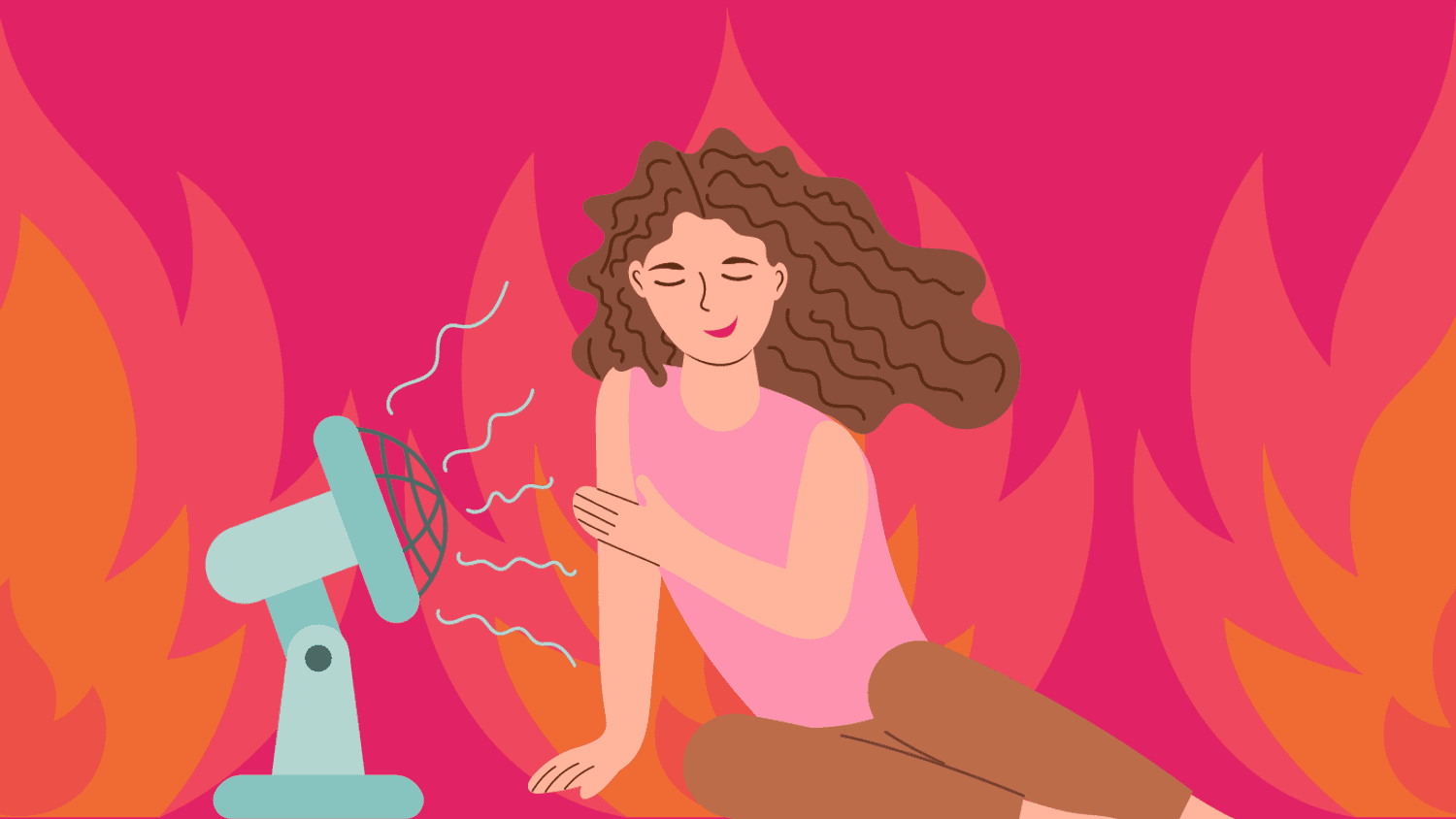
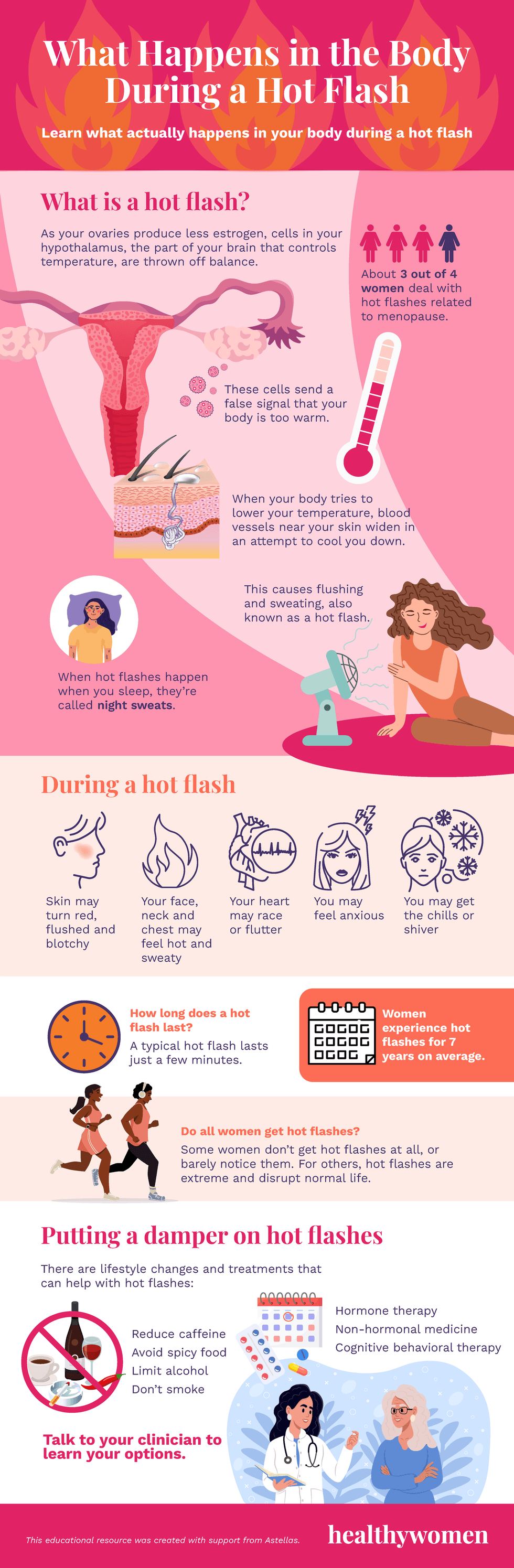
About 3 out of 4 women deal with hot flashes related to menopause.
What is a hot flash?
- As your ovaries produce less estrogen, cells in your hypothalamus, the part of your brain that controls temperature, are thrown off balance.
- These cells send a false signal that your body is too warm.
- When your body tries to lower your temperature, blood vessels near your skin widen in an attempt to cool you down.
- This causes flushing and sweating, also known as a hot flash.
When hot flashes happen when you sleep, they are called night sweats.
During a hot flash
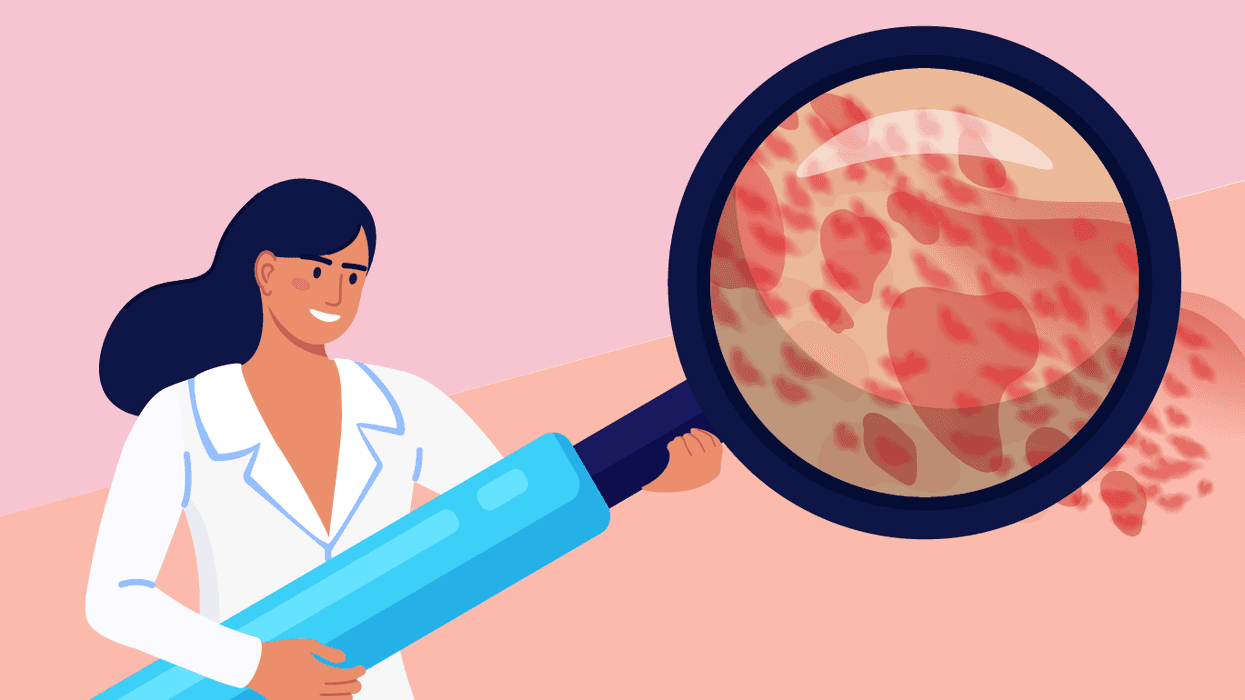
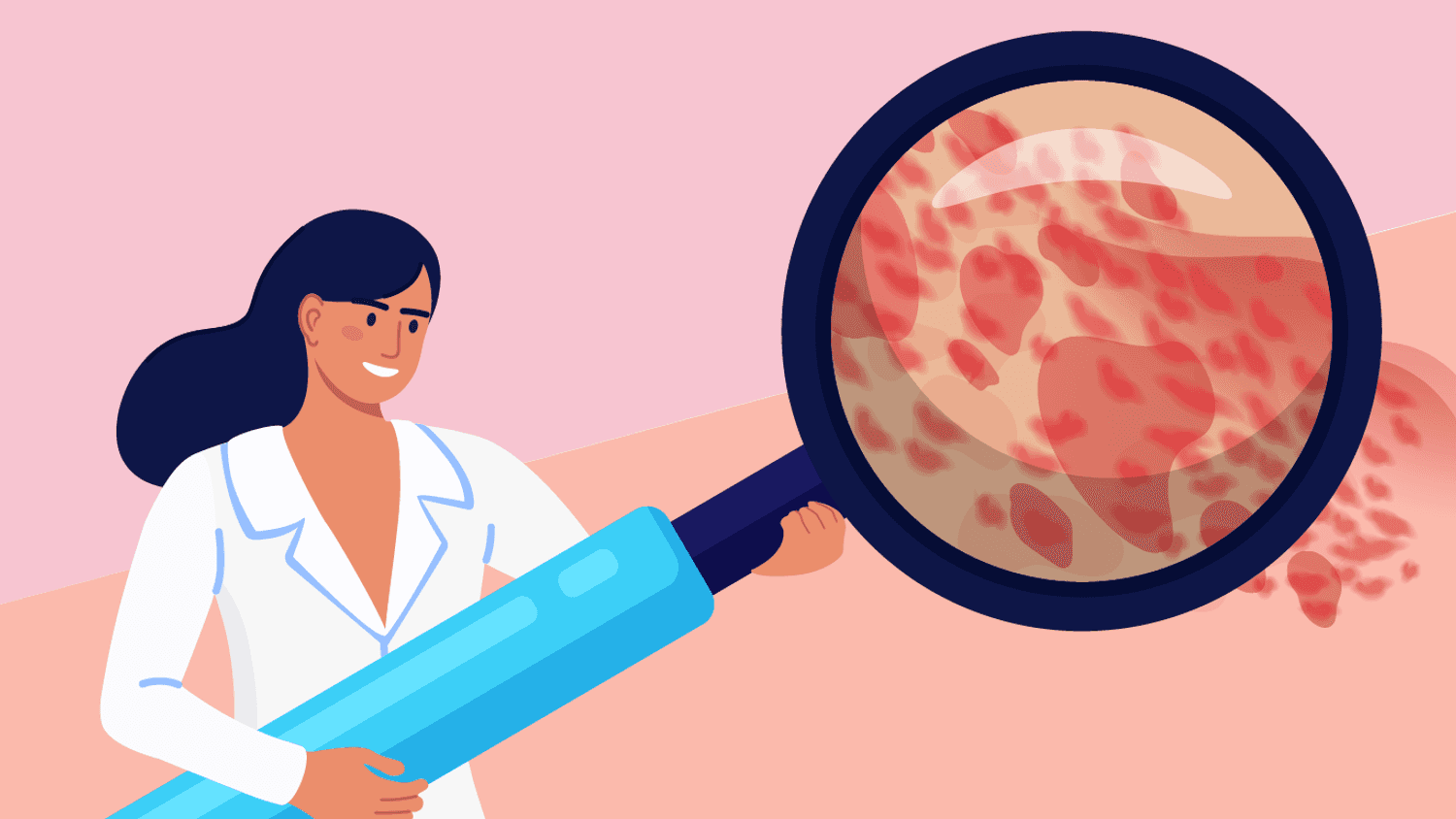
- Skin may turn red, flushed and blotchy
- Your face, neck and chest may feel hot and sweaty
- Your heart may race or flutter
- You may feel anxious
- You may get the chills or shiver
How long does a hot flash last?
A typical hot flash lasts just a few minutes.
Women experience hot flashes for 7 years on average.
Do all women get hot flashes?
Some women don’t get hot flashes at all, or barely notice them. For others, hot flashes are extreme and disrupt normal life.
Putting a damper on hot flashes
There are lifestyle changes and treatments that can help with hot flashes:
- Reduce caffeine
- Avoid spicy food
- Limit alcohol
- Don’t smoke
- Hormone therapy
- Non-hormonal medicine
- Cognitive behavioral therapy
Talk to your clinician to learn your options.
This educational resource was created with support from Astellas.








Popular
1
Understanding Menopause Stages and Terms
Sep 08, 2026
2

3

Biologics for Treating Asthma
Sep 22, 2026
4
5
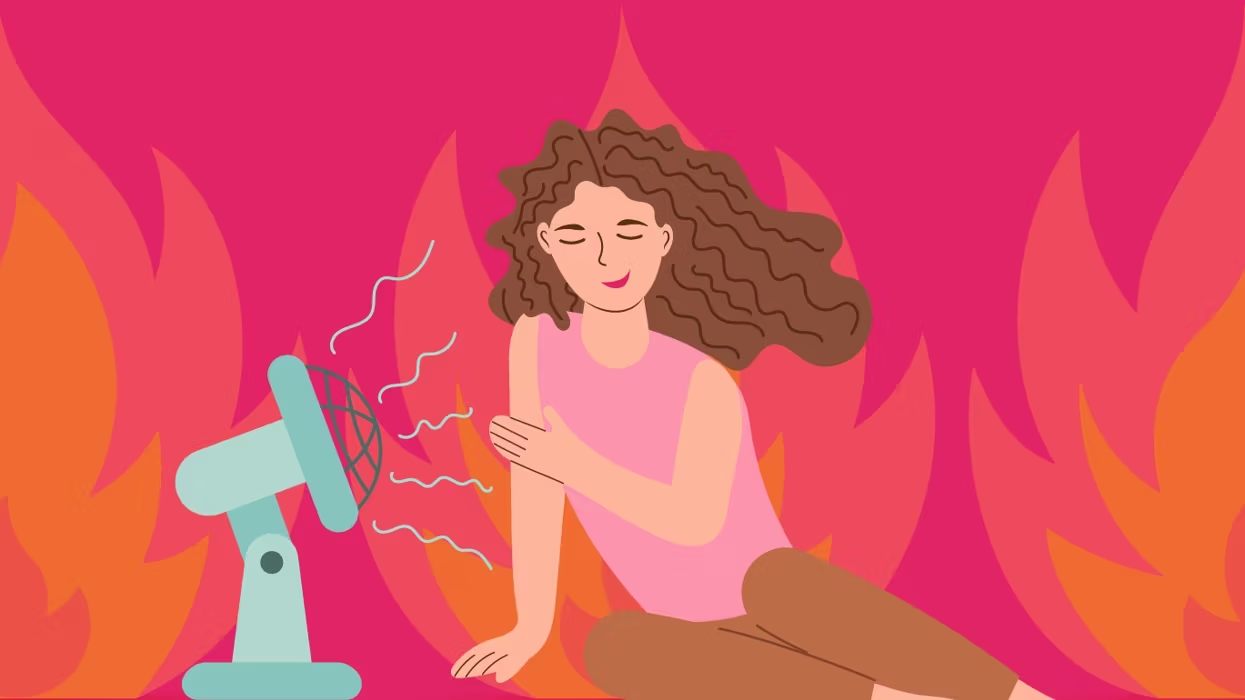
Lo que ocurre en el cuerpo durante un bochorno
Sep 03, 2026
6
Bye, Bye, Itch! Managing Chronic Hives at Home
Sep 23, 2026
Support Our Mission
Keep Trusted Women’s Health Information Free
Your donation ensures every woman continues to have access to credible health content.More Stories






Everything you need to know about women’s health — in one place.