
Search
Latest Stories




Newsletter Sign-Up
Newsletter

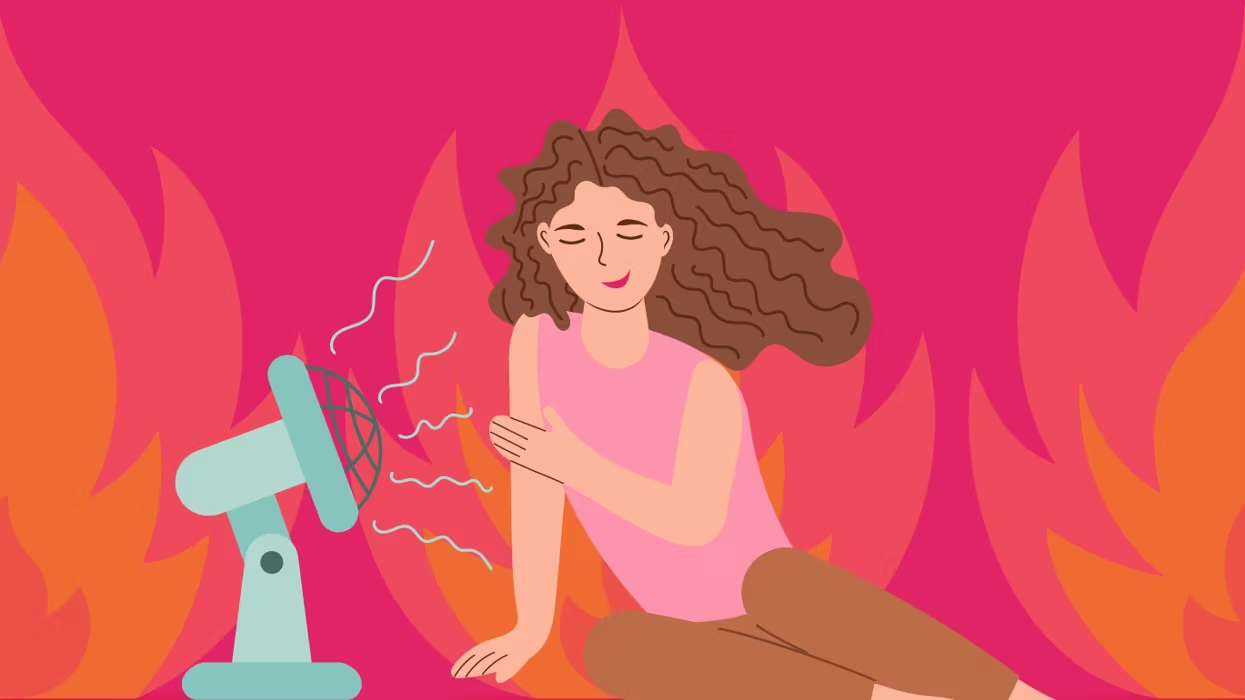
You’re having dinner with friends when all of a sudden heat rises up in your body. You begin sweating. Your face turns red, and you may even have heart palpitations. You ask, “Is it hot in here, or is it just me?” It’s just you — but it’s definitely not just you.
Hot flashes and night sweats, also known as the vasomotor symptoms (VMS) of menopause, are associated with perimenopause and menopause. VMS affects 8 out of 10 of women over 40 and can last, on average, 7 years, sometimes even up to a decade. About 1 in 3 women report having up to 10 hot flashes a day. And each menopausal hot flash can last from one to five minutes. Symptoms can last longer and severity can be worse for Native American and Black women.
VMS can influence your mood, cause anxiety and interfere with your sleep. This may impact your ability to focus, work or be present in relationships. Luckily, menopause symptoms are starting to get more attention.
What happens to your body during a hot flash
As you enter perimenopause and menopause, your estrogen levels begin to decline. This decrease in estrogen can affect the thermoregulatory center of your brain that helps regulate body temperature, said Robin Noble, M.D., gynecologist and chief medical advisor of the nonprofit Let’s Talk Menopause.
Before perimenopause, if we’re rushing up the stairs or we’re stressed about something, our body temperature might vary. But we can accommodate that without having a hot flash. “When our estrogen declines, our thermoregulatory zone narrows. There’s less leeway, and changes in body temperature are less tolerated,” Noble said.
Hot flashes from menopause can happen anytime, anywhere, day or night, and they can range from feeling slightly warm to incredibly disruptive, drenching you in sweat. Your skin might feel clammy, and you might have chills and anxiety after the flash.
Hormonal therapy for hot flashes
Hormonal therapy (HT) is widely considered the gold standard for the treatment of menopause and VMS. HT treats the symptoms of menopause by replacing estrogen and progesterone in your body.
The two main types of HT are:
- Estrogen therapy: This hormone treatment replaces estrogen that the body no longer makes during menopause. Estrogen therapy by itself can increase the risk for uterine cancer, so people who no longer have a uterus can take estrogen-only therapy.
- Combination therapy: Combination therapy is a mix of both estrogen and progestin. This is recommended for women who still have a uterus. The progestin in combination therapy protects the uterine lining from the negative effects of estrogen.
The safest way to get estrogen therapy is through the skin, using patches, gels, mucosal rings or creams. Estrogen pills are also available, but they slightly increase the risk of stroke. Progestin is often given orally or vaginally.
Along with helping to ease hot flash symptoms, hormone therapy can also protect other areas of the body. HT can be beneficial for bone health, cardiovascular disease, diabetes, joint pain, and skin and hair changes. Since HT can also help regulate your mood, it may also be helpful in alleviating symptoms of anxiety and depression.
Hormone therapy does come with some risks, though, and it isn’t for everybody. If you’ve had certain types of cancers, are at a high risk for blood clots, or have a history of stroke and other cardiovascular diseases, you might need to think about other options.
Nonhormonal medications for hot flashes
Some women are unable to take HT, while others may prefer not to. Now, there are two types of FDA-approved, nonhormonal medications on the market that target moderate to severe menopausal hot flashes.
Both nonhormonal medications work by blocking pathways in the brain’s temperature control center.
- Elinzanetant (brand name Lynkuet) is a dual NK1 and NK3 receptor antagonist.
- Fezolinetant (brand name Veozah) is an NK3 receptor antagonist.
Both medications have been shown to reduce moderate to severe menopausal hot flashes and improve sleep quality.
Note: Both elinzanetant and fezolinetant are processed through the liver, so you’ll need blood work to check your liver enzymes before starting treatment and again at different points during treatment. The liver monitoring schedule is different for each drug.Talk to your healthcare provider about hot flashes
When you’re struggling with hot flashes, it might feel like there’s no end in sight. That’s why it’s important to find a healthcare provider (HCP) who will listen to your concerns and help you make an informed decision.
Here are some ways to prepare for your appointment:
- Track your symptoms for a few weeks before your appointment
- Write down your questions so you don’t forget them
- Share your preferences for hormonal or nonhormonal medications
If your HCP dismisses your symptoms or won’t listen to you, it might be time to find a new one. To find a menopause-certified HCP near you, search The Menopause Society directory by ZIP code. Or look for a telehealth professional. With more choices available, there’s no reason for anyone to have to struggle with hot flashes.
Resources
This educational resource was created with support from Bayer, a HealthyWomen Corporate Advisory Council member.








Popular
1
Bye, Bye, Itch! Managing Chronic Hives at Home
Sep 23, 2026
2

3

Biologics for Treating Asthma
Sep 22, 2026
4
What Happens in the Body During a Hot Flash
Sep 03, 2026
5

6

4 Things That Pain in Your Left Boob Might Mean
Aug 31, 2021
Support Our Mission
Keep Trusted Women’s Health Information Free
Your donation ensures every woman continues to have access to credible health content.More Stories





Everything you need to know about women’s health — in one place.