

Search
Latest Stories

Newsletter Sign-Up
Newsletter
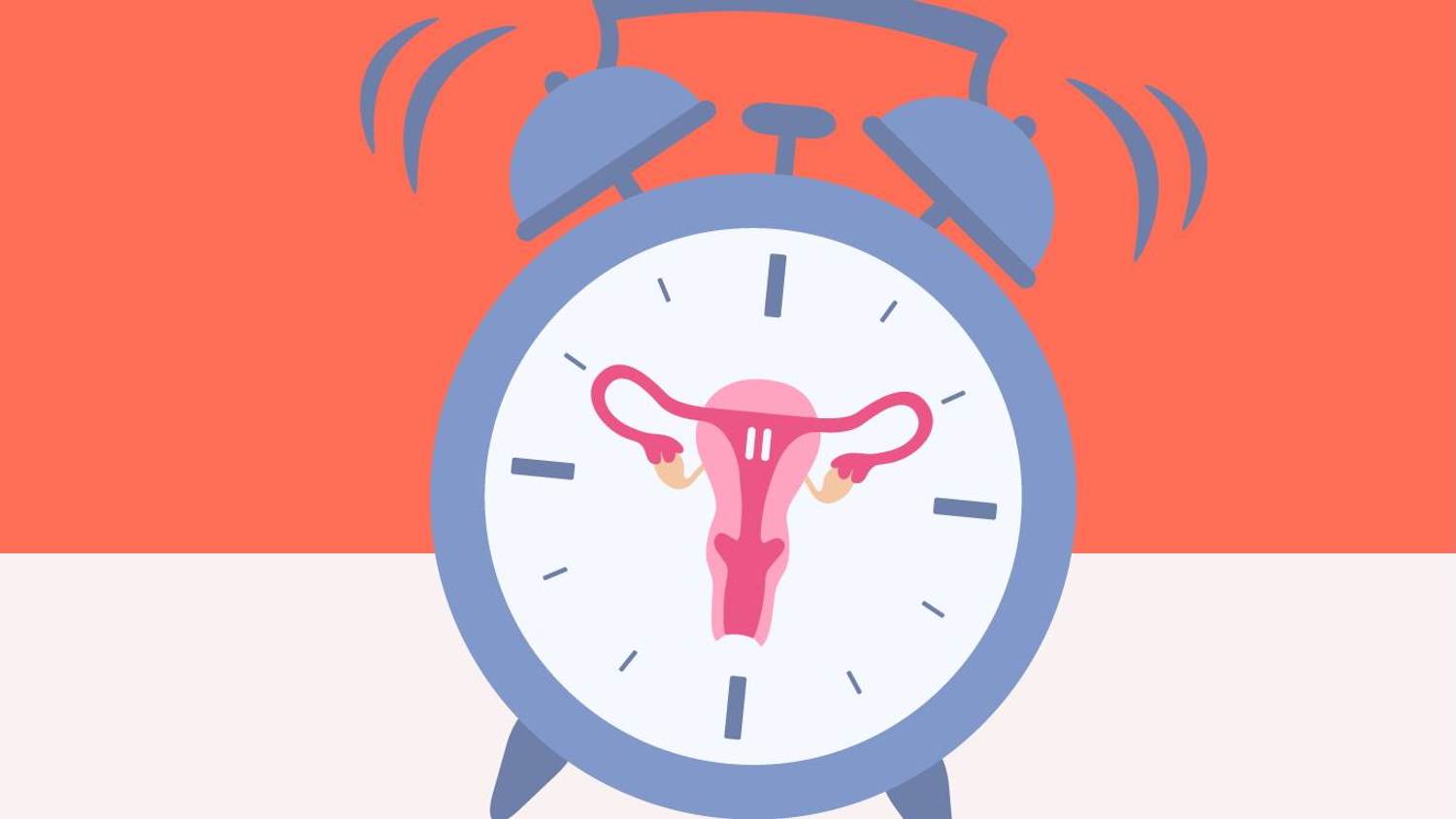
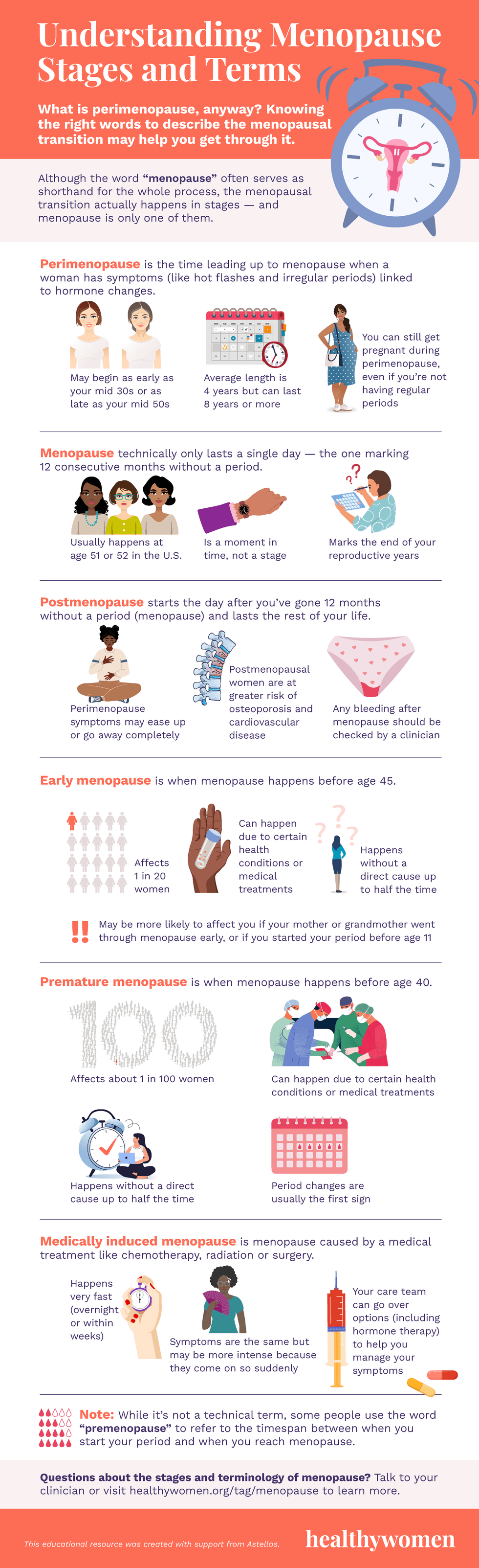
Although the word “menopause” often serves as shorthand for the whole process, the menopausal transition actually happens in stages — and menopause is only one of them.
Perimenopause is the time leading up to menopause when a woman has symptoms (like hot flashes and irregular periods) linked to hormone changes.
- May begin as early as your mid 30s or as late as your mid 50s
- Average length is 4 years but can last 8 years or more
- You can still get pregnant during perimenopause, even if you’re not having regular periods
Menopause technically only lasts a single day — the one marking 12 consecutive months without a period.
- Usually happens at age 51 or 52 in the U.S.
- Is a moment in time, not a stage
- Marks the end of your reproductive years
Postmenopause starts the day after you’ve gone 12 months without a period (menopause) and lasts the rest of your life.
- Perimenopause symptoms may ease up or go away completely
- Postmenopausal women are at greater risk of osteoporosis and cardiovascular disease
- Any bleeding after menopause should be checked by a clinician
Early menopause is when menopause (12 months without a period) happens before age 45.
- Affects 1 in 20 women
- Can happen due to certain health conditions or medical treatments
- Happens without a direct cause up to half the time
- May be more likely to affect you if your mother or grandmother went through menopause early, or if you started your period before age 11
Premature menopause is when menopause happens before age 40.
- Affects about 1 in 100 women
- Can happen due to certain health conditions or medical treatments
- Happens without a direct cause up to half the time
- Period changes are usually the first sign
Medically induced menopause is menopause caused by a medical treatment like chemotherapy, radiation or surgery.
- Happens very fast (overnight or within weeks)
- Symptoms are the same but may be more intense because they come on so suddenly
- Your care team can go over options (including hormone therapy) to help you manage your symptoms
Note: While it’s not a technical term, some people use the word “ premenopause ” to refer to the timespan between when you start your period and when you reach menopause.
Questions about the stages and terminology of menopause? Talk to your clinician or visit healthywomen.org to learn more.
This educational resource was created with support from Astellas.






Popular
1
Bye, Bye, Itch! Managing Chronic Hives at Home
Sep 23, 2026
2
What Happens in the Body During a Hot Flash
Sep 03, 2026
3
Biologics for Treating Asthma
Sep 22, 2026
4
5
Lo que ocurre en el cuerpo durante un bochorno
Sep 03, 2026
6

Support Our Mission
Keep Trusted Women’s Health Information Free
Your donation ensures every woman continues to have access to credible health content.More Stories





Everything you need to know about women’s health — in one place.