

Search
Latest Stories





Newsletter Sign-Up
Newsletter

When I put out a call on social media recently for fellow Gen X friends to share their experiences with menopause at work, the response was immediate and enthusiastic. Many in my circle were eager to talk about how this tumultuous transition has impacted their work life.
But when I asked if anyone could share how their workplace has accommodated them during the menopausal transition? Crickets.
While menopause has (finally!) become a topic of cultural conversation, women aren’t always comfortable talking about how it affects them at work — and employers aren’t exactly asking.
Understanding the impact menopause is having on women’s work lives may help kickstart those important conversations.
Read: The Truth About Working While Struggling with Perimenopause >>
Menopause can make work harder
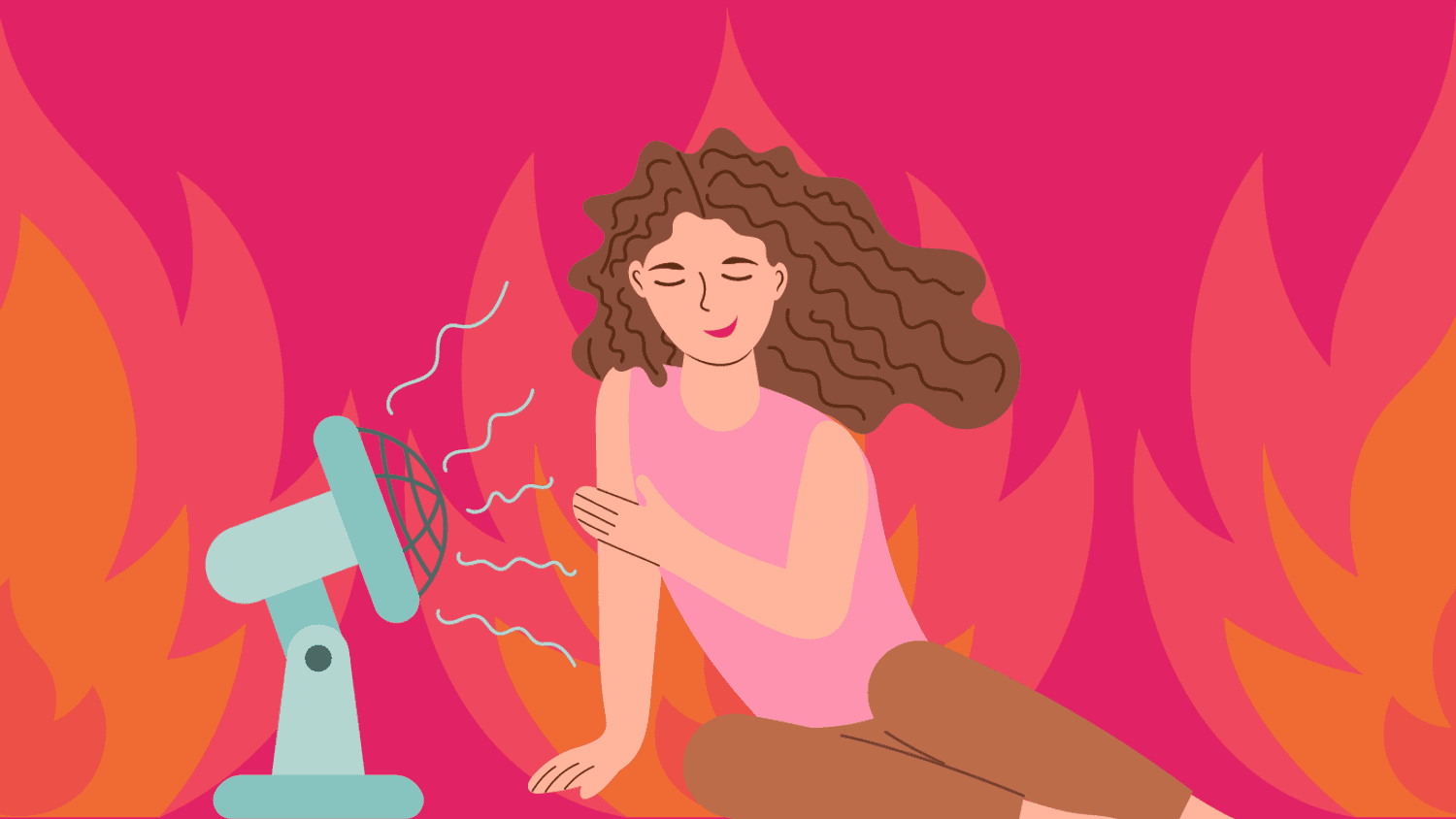
Whether or not women are talking about it in the break room, menopause is impacting many women’s work lives. In one survey that included 1,000 perimenopausal and menopausal women from across the United States, roughly 8 out of 10 described working during menopause as challenging.
Almost half of the women — 4 out of 10 — said they’d needed to take time off work because of menopause symptoms. Of these women, about 6 out of 10 said they felt like they’d had to hide their reasons for stepping away.
More than half of the women said they’d dealt with fears about job security and other work-related issues because of menopause. And while a small number of respondents (less than 1 in 10) said they received menopause support from their employers, 6 out of 10 said they got nothing at all.
Menopause and the bottom line
The lack of workplace support isn’t just bad news for menopausal women — it’s also bad for business. People are often less productive when they don’t feel well (physically or mentally) at work or need to take time off, which means companies lose money.
Jewel Kling, M.D., is a physician and professor of medicine who studies menopause at the Mayo Clinic in Arizona. She was one of a group of researchers who asked patients about how their menopause symptoms were affecting their work.
“We found that almost 11% of women reported missing work days because of their menopause symptoms, and that, on average, it was up to three days per year,” Kling said.
Kling and her colleagues calculated that workdays missed because of menopause symptoms amounted to a loss of $1.8 billion annually in the U.S.
Menopausal women are also leaving their jobs (or thinking about it). One global survey of more than 8,000 women found that 13% of women had quit their jobs due to menopause — and another 15% were considering doing so.
Hitting career highs — and menopause
It’s worth noting there are actually three stages of menopause. The first stage, perimenopause, starts when the amount of estrogen produced by your ovaries starts to go down. The decrease in estrogen triggers symptoms like hot flashes, mood changes and brain fog.
Perimenopause usually starts in your 40s and can last from several months to 10 years or longer in some cases. Menopause is the second stage, and it’s really just the point in time when you’ve gone for 12 consecutive months without a period.
After you hit the menopause mark, you’re in the third stage, postmenopause — and you stay there for the rest of your life.
This means that a woman may spend a decade in perimenopause and a quarter to one half of her life in postmenopause. And she’ll likely be working — and perhaps even reaching career heights — while dealing with symptoms of menopause.
Case in point: The same survey that found menopausal women are leaving their jobs also showed women in senior leadership roles are among the hardest hit by challenges related to menopause.
“Such a big percentage of our workforce are women, and 100% of women will go through menopause,” Kling said. “How do we continue to support women, recognizing that at around the time of menopause, your late 40s or early 50s, is often when you've hit your stride in your career and you're bringing so much to the company?”
How workplaces can help
Many employers have yet to figure out how to support women going through menopause. The good news? There are actionable steps employers can take to make the workplace more menopause-friendly. Changes can include:
- Normalizing conversations about menopause at work
- Making sure health plans offer treatment options for menopause symptoms
- Offering flexible work setups and schedules (working from home, working part time) to make work more comfortable
Kling suggested workplaces look at ways they can give women more control when it comes to easing menopause symptoms like hot flashes. “Are there opportunities to give some flexibility to women with simple things like temperature control? Is there a strict dress code?”
Little things like giving women control over the thermostat or permitting them to take off layers of clothing during a hot flash can go a long way in helping them get through the work day.
Because every workplace, job and employee is unique, making changes to support menopausal women is not a matter of simply instituting a “one-size-fits-all” policy. Instead, companies may want to consult experts for guidance — and then tailor their own systems accordingly.
Thankfully, guidance for employers is becoming more widely available. For example, The Menopause Society, a nonprofit organization that helps healthcare providers support women during menopause, recently launched an initiative called Making Menopause Work.
The program offers free, downloadable resources for employers hoping to create a more menopause-friendly workplace.
Keeping the conversation going
Now that talking about menopause is becoming less taboo, Kling is hopeful that we’re headed in the right direction when it comes to supporting menopausal women at work.
“A lot of really good things are happening,” she said. “It's not perfect for everybody yet, but at least if women are bringing up that conversation, they should hopefully be hearing something different than ‘Oh, you just have to tough it out.’"
Resources
This educational resource was created with support from Astellas, a HealthyWomen Corporate Advisory Council member.






Stories We Love
1
Menopause in the Workplace Webinar
Mar 13, 2023
2

3

4

Support for Menopause in the Workplace
Jan 22, 2024
5

6
Support Our Mission
Keep Trusted Women’s Health Information Free
Your donation ensures every woman continues to have access to credible health content.
More Stories






Everything you need to know about women’s health — in one place.