

Search
Latest Stories




Newsletter Sign-Up
Newsletter
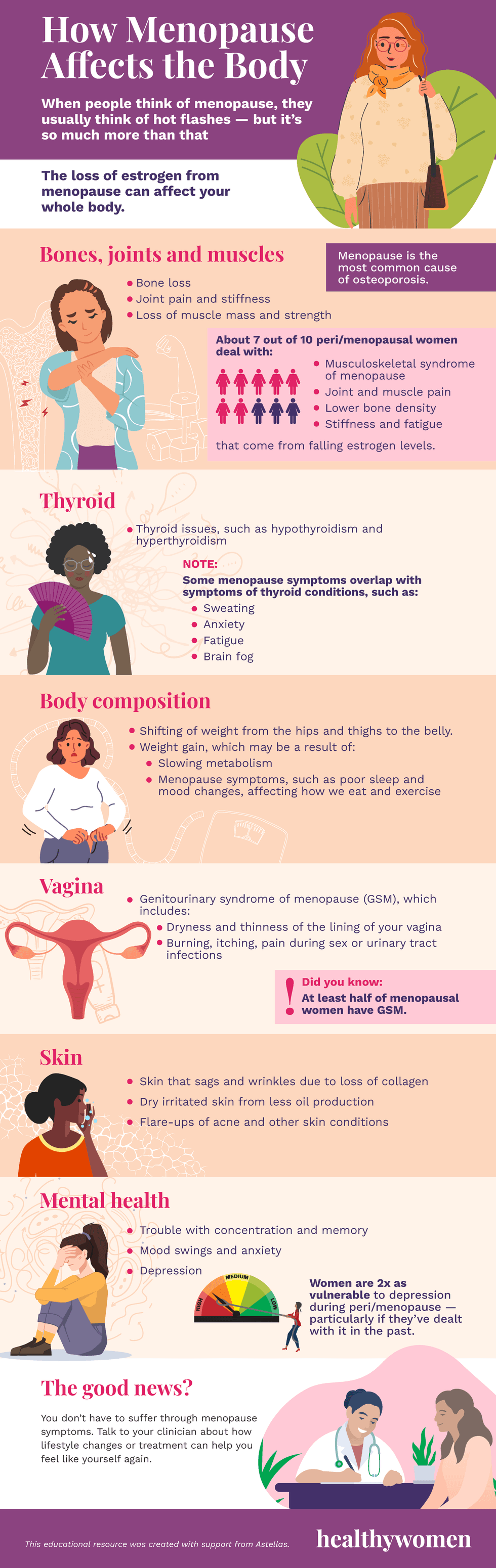
The loss of estrogen from menopause can affect your whole body.
Bones, joints and muscles
- Bone loss
- Joint pain and stiffness
- Loss of muscle mass and strength
Menopause is the most common cause of osteoporosis .
About 7 out of 10 peri/menopausal women deal with:
- Musculoskeletal syndrome of menopause
- Joint and muscle pain
- Lower bone density
- Stiffness and fatigue
that come from falling estrogen levels.
Thyroid
- Thyroid issues, such as hypothyroidism and hyperthyroidism
NOTE: Some menopause symptoms overlap with symptoms of thyroid conditions, such as:
- Sweating
- Anxiety
- Fatigue
- Brain fog
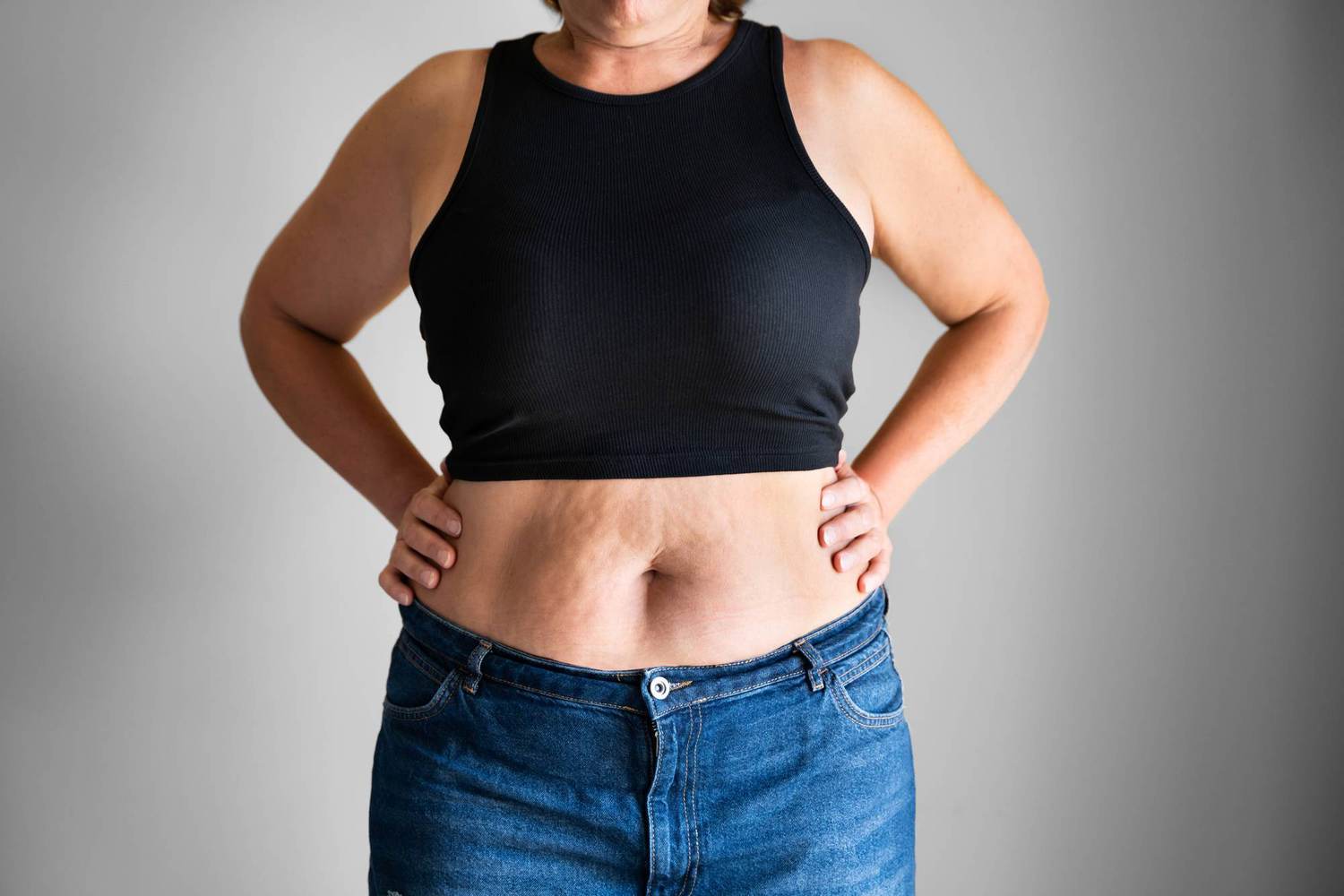
Body composition
- Shifting of weight from the hips and thighs to the belly.
- Weight gain, which may be a result of:
- Slowing metabolism
- Menopause symptoms, such as poor sleep and mood changes, affecting how we eat and exercise
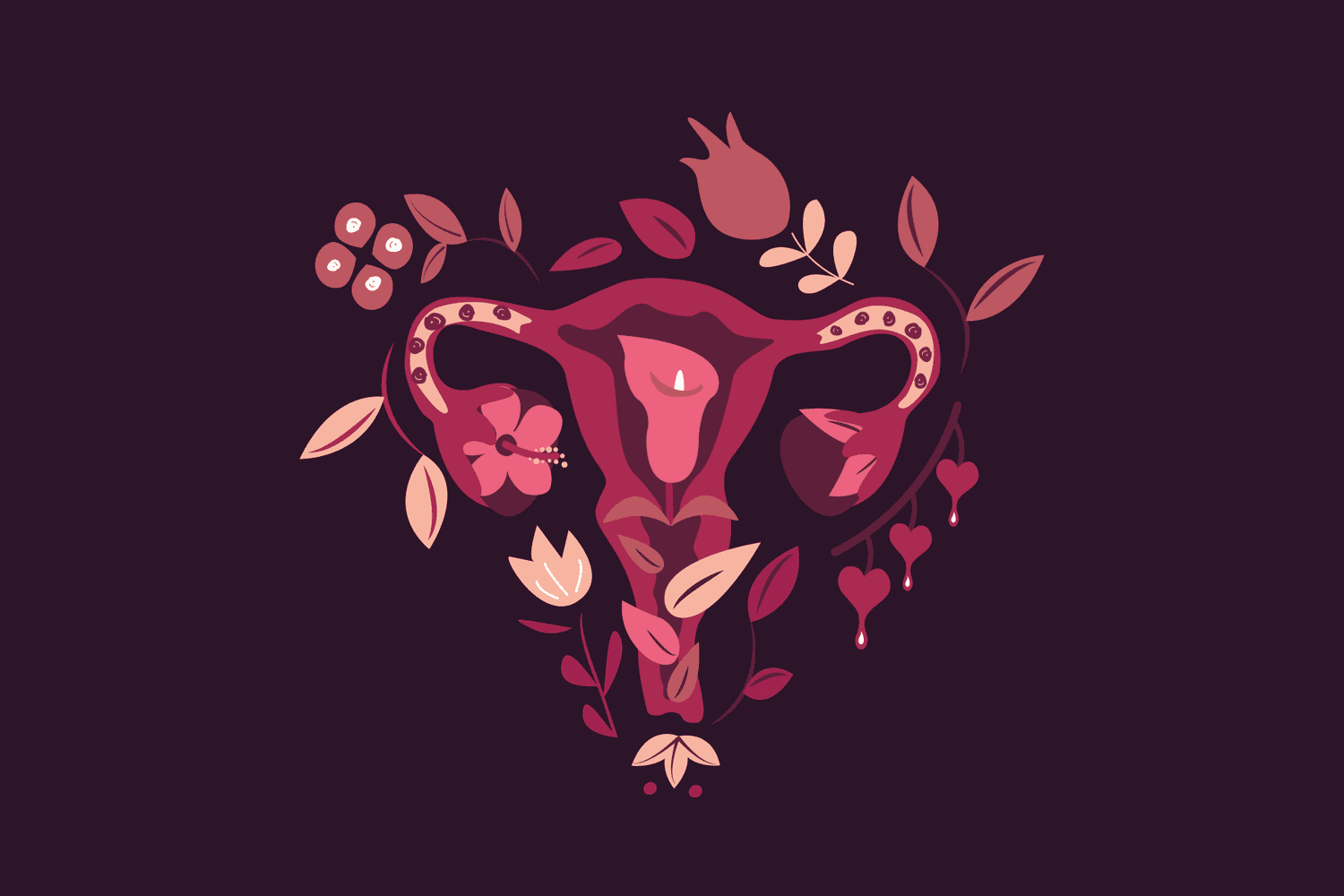
Vagina
- Genitourinary syndrome of menopause (GSM), which includes:
- Dryness and thinness of the lining of your vagina
- Burning, itching, pain during sex or urinary tract infections
Did you know: At least half of menopausal women have GSM.
Skin
- Skin that sags and wrinkles due to loss of collagen
- Dry irritated skin from less oil production
- Flare-ups of acne and other skin conditions
Mental health
- Trouble with concentration and memory
- Mood swings and anxiety
- Depression
Women are 2x as vulnerable to depression during peri/menopause — particularly if they’ve dealt with it in the past.
The good news?
You don’t have to suffer through menopause symptoms. Talk to your clinician about how lifestyle changes or treatment can help you feel like yourself again.
This educational resource was created with support from Astellas.






Stories We Love
1

Top 10 Menopause Symptoms
Sep 29, 2022
2
3
True or False: Menopause
Oct 18, 2024
4

5

4 Women’s Health Documentaries to Watch Right Now
Oct 22, 2026
6

Support Our Mission
Keep Trusted Women’s Health Information Free
Your donation ensures every woman continues to have access to credible health content.
More Stories


Everything you need to know about women’s health — in one place.