

Search
Latest Stories




Newsletter Sign-Up
Newsletter
Age is just a number. But it’s an important factor when it comes to your bone health.
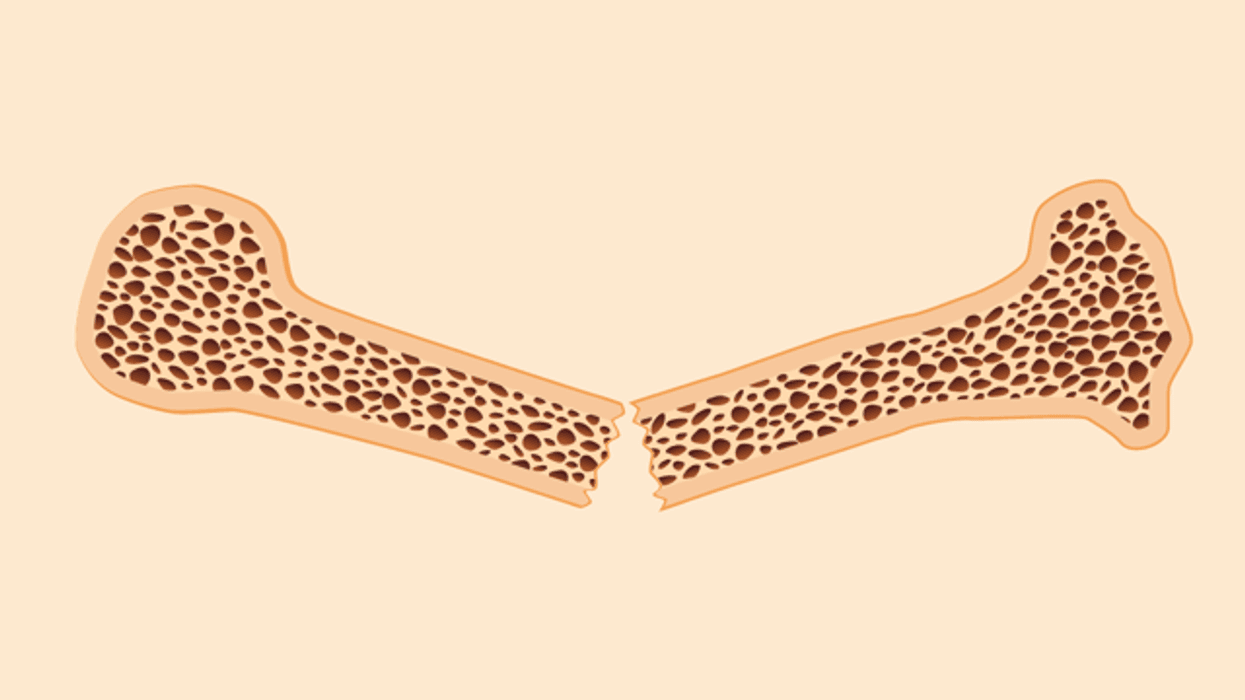
Everyone loses bone mass as we age, but women are at higher risk for osteoporosis — a condition that causes bones to become thin and weak — compared to men. With osteoporosis, something as simple as a sneeze can cause bones to break and seriously affect your quality of life and overall health.
Osteoporosis gets worse over time, but early management of your bone health can help keep your bones strong.
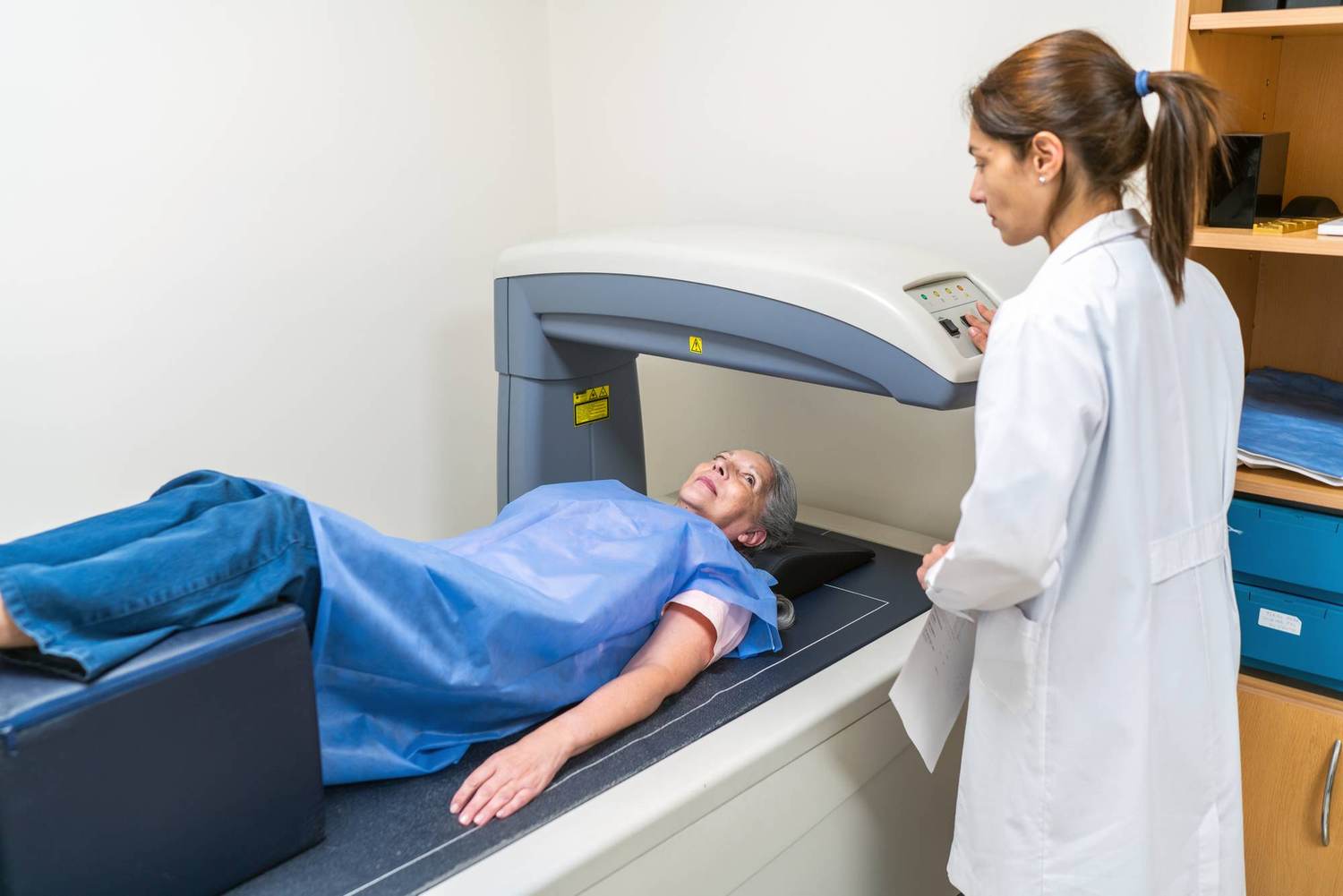
Thankfully, a simple imaging test called a DEXA scan can tell you everything you need to know about your bone health.
We know it can be a pain to add another test to the long list of health check-ups. But talk to your healthcare provider (HCP) about a DEXA scan if you have risk factors such as low body weight, a family history of osteoporosis, a history of fractures or health conditions that may impact bone health. And all women 65 and older should get a DEXA scan to screen for osteoporosis.
Here’s what you need to know about DEXA scans and what your test results mean for your health.
What is a DEXA scan and what does it measure?
A dual-energy X-ray absorptiometry (DEXA) scan looks at bone density. The non-invasive test uses a high- and low-energy X-ray beam to measure calcium and other minerals in your bones.
DEXA scans have the ability to show brittle, weak and thinning bones among other changes, which can help diagnose, manage and treat health conditions like osteoporosis.
What is a T-score?
Your DEXA scan results are given as scores: T-scores or Z-scores.
If you’re postmenopause, your results will be a T-score.
The T-score is the difference between your bone mineral density and the number zero, which represents the bone mineral density of a healthy young adult.
What does a T-score mean?
Basically, the lower your T-score, the higher your risk of breaking a bone and bone fractures.
A T-score of:
- -1 or higher is normal bone density
- -1 to -2.4 is low bone density, which means you may be at risk for osteoporosis
- -2.5 or less means you may have osteoporosis
What is a Z-score?
For people in perimenopause and younger, a Z-score is used to compare bone mineral density to people who are the same age, weight, sex, race and ethnicity.
What does a Z-score mean?
A Z-score of -2 or less means you have lower bone density than other people your age.
A low score could mean that you are losing bone mass more quickly than others your age or that you have osteoporosis that’s caused by a health condition or medications.
What to do if your T-score or Z-score is low?
If your T-score or Z-score is low, the first thing to do is talk to your HCP about your results and discuss steps moving forward that can help prevent further bone loss.
Your treatment plan may include taking prescription medications or follow-up testing to confirm a diagnosis or determine what’s causing low bone density. Depending on your results, your HCP may refer you to an osteoporosis specialist.
Also, lifestyle factors such as exercise and weight training and adding calcium and vitamin D to your diet may be recommended to help prevent loss.
How often should you get a DEXA scan?
Most people who are at moderate risk for osteoporosis should get a DEXA scan every three to five years. And people who are at high risk for osteoporosis should get a scan every two years.
Depending on your score and treatment plan, your HCP may want to do a follow-up DEXA test sooner than what’s recommended to see how your treatment plan is working.
Either way, understanding your T-score or Z-score is a win for Team Bone Health.
This educational resource was created with support from UCB, a HealthyWomen Corporate Advisory Council member.






Stories We Love
1

2
3
4

5
6

Support Our Mission
Keep Trusted Women’s Health Information Free
Your donation ensures every woman continues to have access to credible health content.
More Stories






Everything you need to know about women’s health — in one place.