Busted! 7 Myths About Osteoporosis
Find out the facts and learn how to reduce your risk for bone disease

October 20, 2026, is World Osteoporosis Day.
Bones are the perfect companion for your body.
Every day, your bones work hard to break down and remove old bone, lay down new bone, and store vital nutrients to help keep you mobile and healthy.
But as we get older, this bone remodeling process can become unbalanced and lead to bone diseases like osteoporosis. For people living with osteoporosis, old bone is removed from the body more quickly than the new bone is laid down, which makes the bones thinner and easier to break.
But how much do you know about osteoporosis? There’s a lot of misinformation about this bone disease out there and you may even have your own ideas that aren’t quite true.
That’s why we’re busting the myths and giving you the facts and tips you need to know to help protect your bone health and reduce your risk for osteoporosis.
While it’s true that everyone experiences bone loss with age — and that it’s more common in women than men — osteoporosis is not a natural part of the aging process.
Osteoporosis is a bone disease that weakens the bones to the point that they break very easily, like cough-causing-a-fracture easy.
For women, bone loss speeds up during perimenopause and menopause when estrogen levels fluctuate and decline, which increases the risk of osteoporosis.
The good news is there are lifestyle choices and steps you can take, like eating a healthy diet and lifting weights, to help reduce the risk for the disease.
Osteoporosis is known as the “silent disease” because bone loss doesn’t cause pain or noticeable symptoms in the early stages of disease.
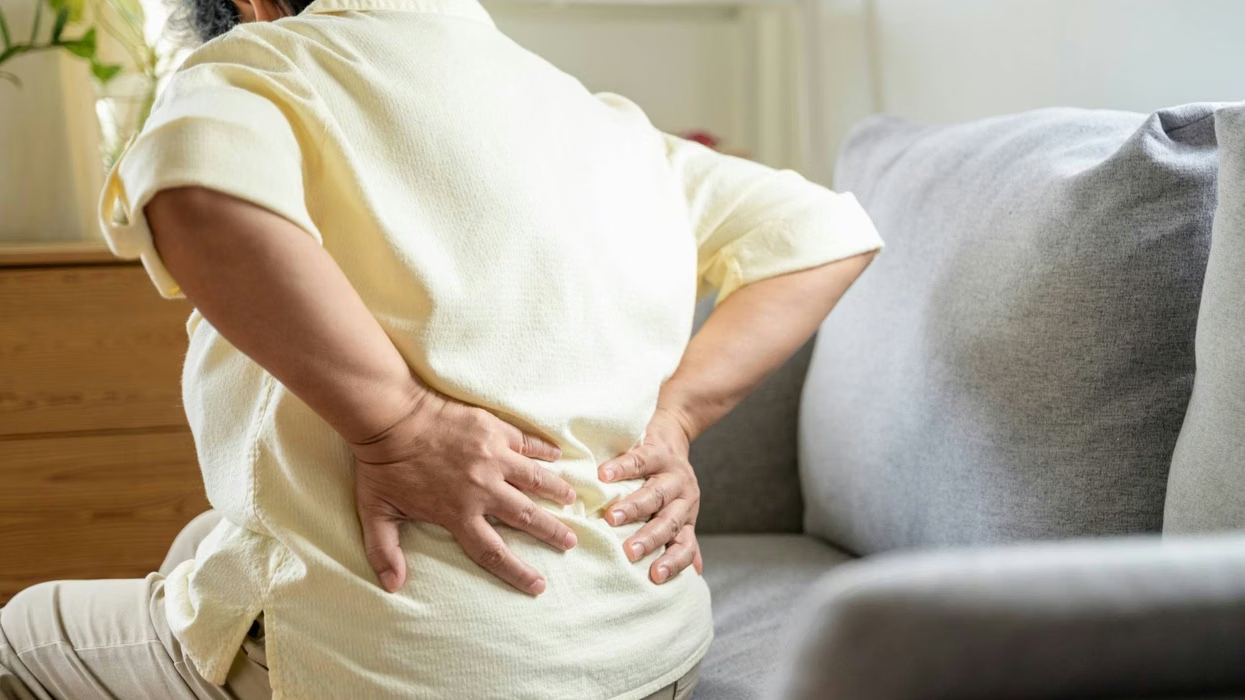
Over time, symptoms of osteoporosis can include:
Many people don’t know they have osteoporosis until a minor fall causes a fracture.
Don’t get us wrong — a healthy diet and exercise are key factors for lowering the risk of osteoporosis. But good choices won’t completely protect you from the disease.
Risk factors like genetics, family history, age, being a woman and hormonal changes like menopause play a big role in bone health and the risk for osteoporosis.
Also, certain medications, including corticosteroids, proton pump inhibitors, antiepileptics and some chemotherapy drugs, can affect your bone health even when you’re maintaining a healthy lifestyle.
Osteoporosis treatment varies from person to person, but there are medications that can slow or stop bone loss or help rebuild bone.
The main type of medications used to treat osteoporosis are called bisphosphonates. These drugs slow bone loss, increase bone density and help prevent fractures.
Other types of treatment for osteoporosis can include:
It’s true that lifestyle factors like exercise and what you eat can’t help you rebuild bone mass. But there are treatments that can increase bone density and help rebuild bone even after you’ve lost it.
These medications are called anabolic agents, and they work to help your bones form new tissue while also stopping the reabsorption of bone.
Anabolic medications are particularly helpful for postmenopausal women. One 2026 study found that abaloparatide — an anabolic medication — significantly increased bone mass density in postmenopausal women with osteoporosis when taken for three months.
There’s no time like the present to start making your bone health a priority.
Bone loss happens faster during menopause, so it’s especially important for women in midlife to be proactive to help reduce the risk for fractures and osteoporosis later in life.
Lifestyle choices that can help protect your bones include:
Talk to your clinician about any risk factors you have for osteoporosis and if getting a dual-energy X-ray absorptiometry (DEXA) test to measure bone density before age 65 is an option for you.
Read: Tech Is Reinventing How We Detect and Treat Osteoporosis and Osteopenia >>
A fracture after falling off a ski lift? Totally justified. But fractures from a minor fall, tripping, or something like sneezing or bumping into furniture are not par for the course and can be a sign of osteoporosis.
For many people, a fracture from a short fall or trip — also called a fragility fracture — is the only sign of osteoporosis before a diagnosis is made.
If you’ve had a recent break or think you’re at risk for osteoporosis, talk to your clinician about your bone health. And consider sticking to après-ski activities.
This educational resource was created with support from Paratek Pharmaceuticals.






Support Our Mission