
Search
Latest Stories




Newsletter Sign-Up
Newsletter
May is Osteoporosis Awareness and Prevention Month.
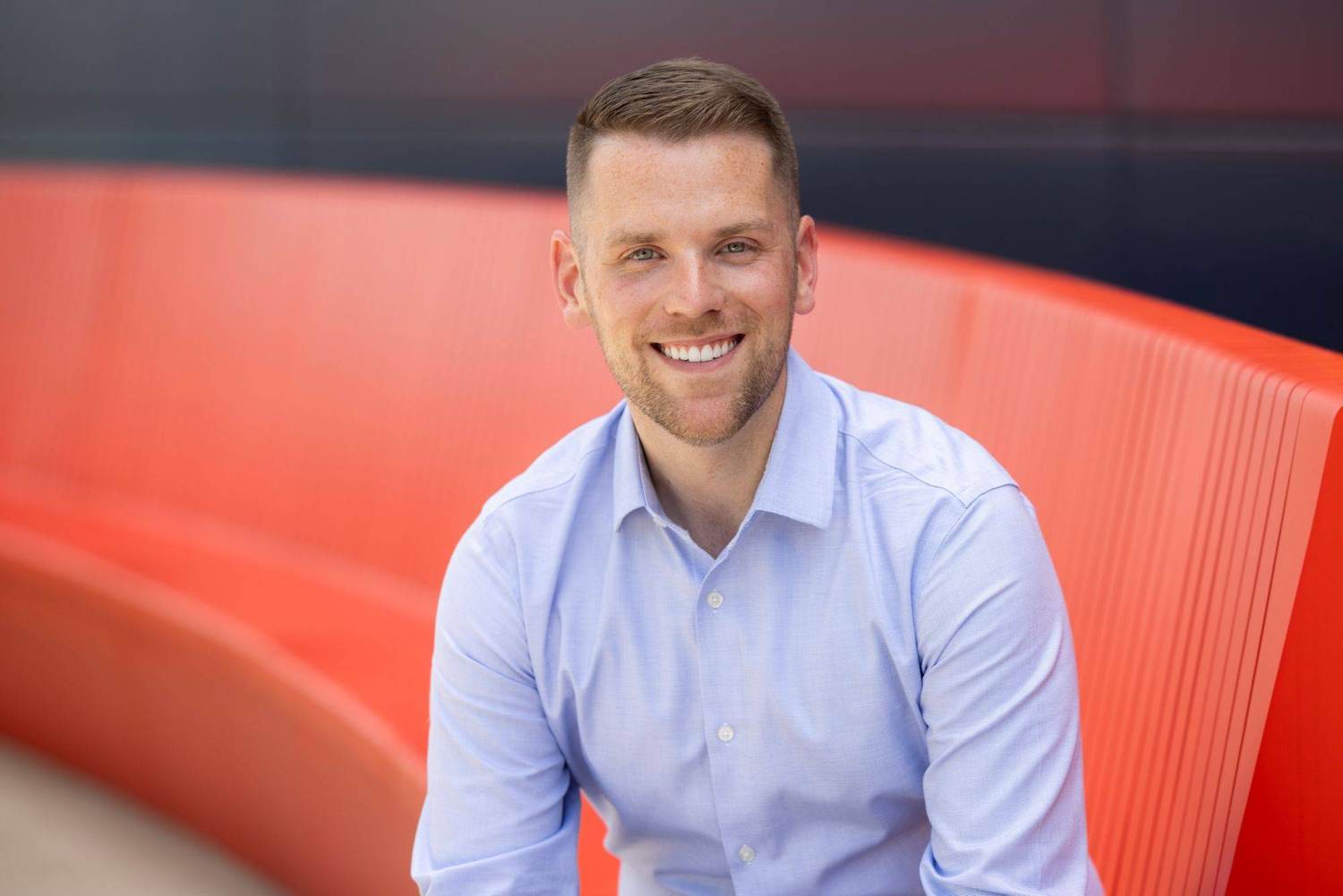
Ben Swanson is a dentist by trade, but bone health has his heart.
As the CEO and co-founder of the drug development company Skeletalis, Swanson and his team are developing a bone-targeted technology that will protect and rebuild bone in people with musculoskeletal diseases like osteoporosis.
“The core logic behind what we're doing is taking musculoskeletal skeletal health broadly into the era of precision medicine that we've seen across a number of other diseases,” Swanson said. “With a biology-focused approach to understanding how the disease happens, we’re designing a platform that enables us to get drugs there in a very targeted way, and the end result is we create drugs and therapies that enable freedom from fractures.”
And this is really important because most people don’t even know they have the bone disease until a fracture or break happens. And about 1 in 3 women over 50 will fracture a bone because of osteoporosis.
“Bone disease hides in plain sight. It doesn't often hurt, but it is a disease — and fractures are something that affects everyone. Everybody has a family member or someone they're close to who has suffered from a fracture, and the consequences are tremendous,” Swanson said. “It could be a life-ending event, and we don't really have therapies that have kept up with the rest of science.”
We talked with Swanson about the need for advancements in treatment options for osteoporosis, the pros of precision therapy and how biotechnology is changing the way we treat bone disease.
This interview has been edited for clarity and length.
HealthyWomen: As co-founder of Skeletalis, what was your inspiration to start a company that focuses on treating musculoskeletal diseases?
Ben Swanson: I think my inspiration was really the fascination with the idea that bone is an organ that is constantly remodeling — it's constantly changing and adapting. And as someone who was studying bone treatments, it became clear there was a tremendous opportunity to make a drug that's more specific and precise to musculoskeletal diseases like osteoporosis, given that it impacts so many people.
The idea is that, if you can get a drug to the place where the disease happens on the skeleton, on the physical surface of the skeleton, you may be able to improve both the efficacy and the ability to treat disease and reduce unwanted side effects.
HW: Advancements in treatment options for osteoporosis haven’t seen the same level of innovation as other areas of medicine. Why has progress been slower regarding treatments for osteoporosis and bone health?
Swanson: Osteoporosis is not a disease where we can see a change in a simple blood test, like lowering cholesterol. We can't measure a tumor changing shape or survival necessarily. We're trying to prove strength and reduce fractures, but fractures are not happening every day, and in fact, fractures are the failure of treatment, and we don't study a lot of other drugs in terms of their failure.
Research has been historically slow in this field because of the requirement to have long clinical trials, and one of the things that we are very excited about in osteoporosis is a recent change in the regulatory framework called the SABRE initiative, which has made trials much faster and cheaper and really opens the doors to modern development.
The other thing that’s really important here is that, historically, osteoporosis therapies work by shutting down the bone. With recent advances in our understanding of why bone degenerative diseases happen and how we go from normal maintenance mode into some degenerative or imbalance mode, we can design much more precise therapies. For the first time, we have that combination of exciting new science and new understanding of why these diseases happen and the regulatory environment that enables us as a small company to make a meaningful difference.
HW: Tell us how the company’s Osteoclast-Activated Skeletal Intervention System (OASIS) approach is different from traditional osteoporosis treatments.
Swanson: If we think about traditional drugs — and that could be any drug — they often affect the whole body, so it requires more of the drug and there's exposure to other sites. The way we think about treatment with our OASIS technology is to localize therapy in a precise and thoughtful way in the skeleton and to the places where osteoclasts — the cells that are responsible for osteoporosis — are actually forming.
We think about this not just as an osteoporosis medication but really as a platform technology for precision skeletal medicines across diseases. We see a tremendous opportunity across a woman's lifespan as different skeletal diseases manifest and all of those require safety in a precise or targeted approach.
HW: What role does screening play in the prevention of bone loss before fractures occur?
Swanson: Fractures are the failure of the skeleton, and for many people fractures are the beginning of the end. Some people will die within the first year of their fracture, and an overwhelming number of patients will never return home. It’s a tremendous cost burden — we're taking people out of their communities, out of their families, out of their jobs. The biggest opportunity that we see is to prevent that first fracture from ever happening.
We have the opportunity as a clinical community to shift osteoporosis care from reactive treatment to prevention and thinking about how we stop or reverse the disease before entering that fracture cascade because after the first fracture the likelihood of the second is even higher.
We also have to make screening available to women earlier and more often. If we're only looking at late stages to someone who's 10 to 15 years beyond menopause, we can only intervene at that time, so we have to be thinking about earlier screening and earlier detection awareness to empower patients to be asking for these things. That really is what will enable prevention, but it also becomes a normal part of perimenopause or even premenopause.
HW: Some women are hesitant to take existing osteoporosis medications because of potential side effects. How might the next generation of therapies improve safety and confidence in treatment?
Swanson: When we think about a safe and effective drug, the ideal is a drug that's more precise — the side effects of many of the current medications are largely due to the lack of precision both to the disease process and to the tissue.
The next generation of drugs have to be designed for real world use and in the journey that these patients will face. What that looks like is therapies that are easier to stay on — they fit into your normal lifestyle, they're suitable for long-term care and avoid complications.
When we think about a new therapy for a patient, it's not just a matter of making sure it works — that of course matters — but it’s also about ensuring that they can live with the treatment over a long period of time and that it will make a meaningful difference for the rest of their healthy years.
HW: Bone density testing and treatment are underutilized. What are your thoughts on the changes that need to be made to improve access to these services for women?
Swanson: Osteoporosis, unfortunately, is still mainly diagnosed in the emergency room at a time when you’re not thinking about chronic disease management. And emergency medicine healthcare providers are not able to manage you long-term, so care becomes very fragmented for patients.
Bone health needs to move much earlier in the care conversation as a part of team prevention. I would liken it to the changes that we've made in diagnosing breast cancer with earlier mammograms. Bone health has to be treated as mainstream healthcare.
Osteoporosis is not something you can out eat or out exercise. It’s a real biological condition, and estrogen decline starts to happen years before menopause. By the time you're 65, this disease has already started, so I think there's a real opportunity to start screening earlier.
Screening is not invasive; it’s safe, it’s accurate. So, routine screening should be in every community health center, at gyms and at every primary care office. One thing that's really important, that's similar to many other diagnostic tools, is that screening doesn’t just provide a single snapshot but really shows changes over time. If we start taking baseline measurements for a patient in her 40s, we have a real opportunity to detect changes, and we now have established the conversation, we've established data and we can intervene in a much less reactive way.
HW: How are advances in biotechnology shaping the future of treatment for bone diseases?
Swanson: We can think about this in two ways: One, how do we treat the disease, and two, how do we detect changes in the disease. On both fronts for detection, we already have a really good tool, which is the DEXA scan.
We're also seeing the use of artificial intelligence in some of the analysis of these scans, understanding the data and making data more personalized, which is really exciting.
On the drug front, I think we're seeing now the same shift that we’ve already seen across diseases like cancer, cardiovascular disease and neurological diseases like Alzheimer's where the opportunity is determining how we shift from a broad non-specific treatment to something very targeted and very precise.
When I think about the future of bone health, I think it will look very much like other therapeutic areas where the treatment is more precise, more personalized and focused on prevention and preserving function rather than reactive treatments.
HW: Outside of Skeletalis, what health innovations for musculoskeletal diseases are exciting you the most right now?
Swanson: In the greater sphere of musculoskeletal health and particularly for women who are living longer, healthier and more active lives, one is a shift from diagnosis to risk detection — breast cancer being the hallmark example. Across degenerative diseases of aging and those with genetic risk factors, these diseases are often historically diagnosed when they've already happened and the damage is already done. What we're seeing is a tremendous increase in accessibility and new technologies for diagnosing diseases earlier, understanding the risk, and this is augmented with artificial intelligence/machine learning and really understanding what a personalized comprehensive data package for a person looks like to provide more personalized care.
We're already seeing new care delivery models. Telemedicine is a really exciting example, and specific to women in menopause and postmenopause, this virtual first primary care pathway means easier access to specialists for integrated approaches. If we make it easier for women to be evaluated, monitored and screened — and to ask questions and understand their risk — everything subsequently becomes easier and that takes down the barrier to care.







Popular
1

2

¿Qué es la urticaria crónica espontánea (UCE)?
Jun 29, 2026
3
Biologics for Treating Asthma
Sep 22, 2026
4
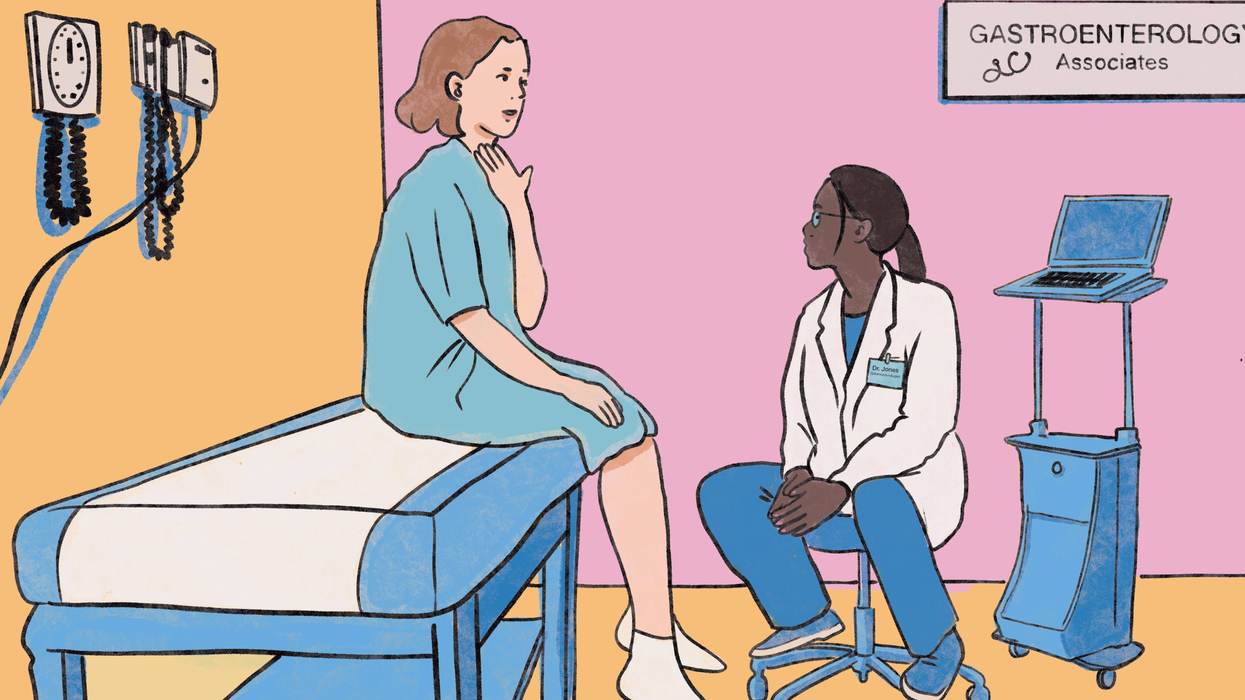
Comic: Edna Gets an Endoscopy
Aug 05, 2026
5
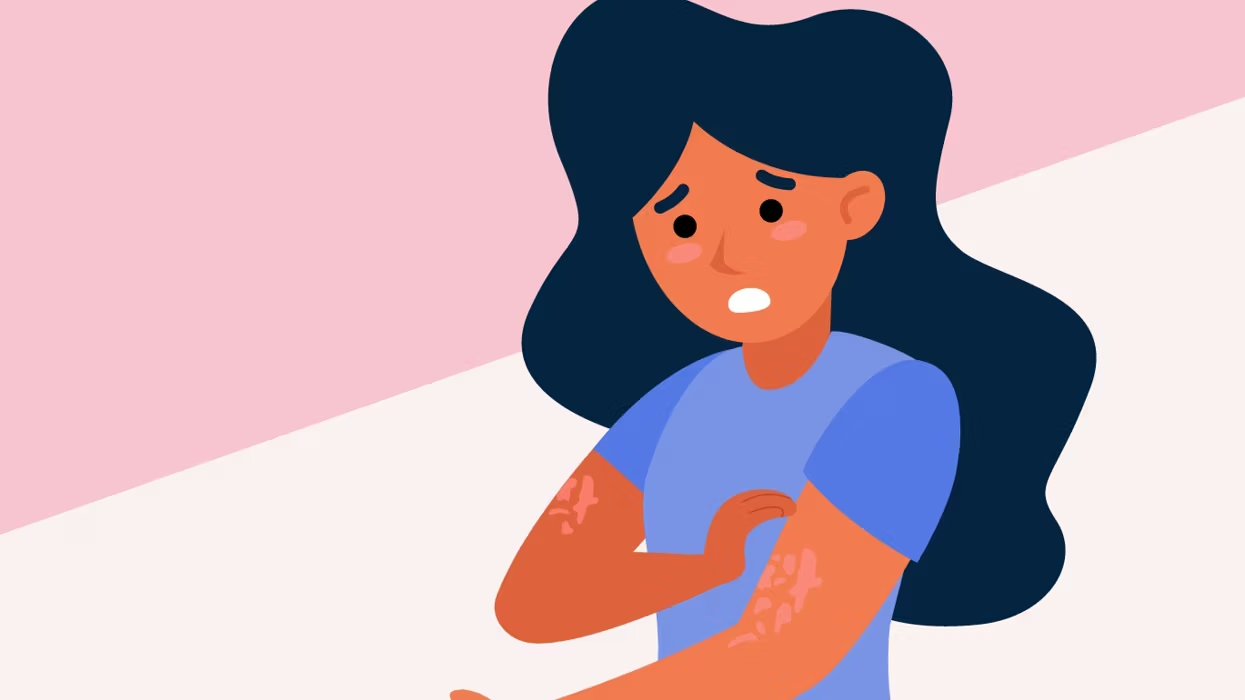
What Is Chronic Spontaneous Urticaria (CSU)?
Jun 29, 2026
6

Metabolic Syndrome 101
Sep 28, 2026
Support Our Mission
Keep Trusted Women’s Health Information Free
Your donation ensures every woman continues to have access to credible health content.More Stories






Everything you need to know about women’s health — in one place.