

Search
Latest Stories




Newsletter Sign-Up
Newsletter

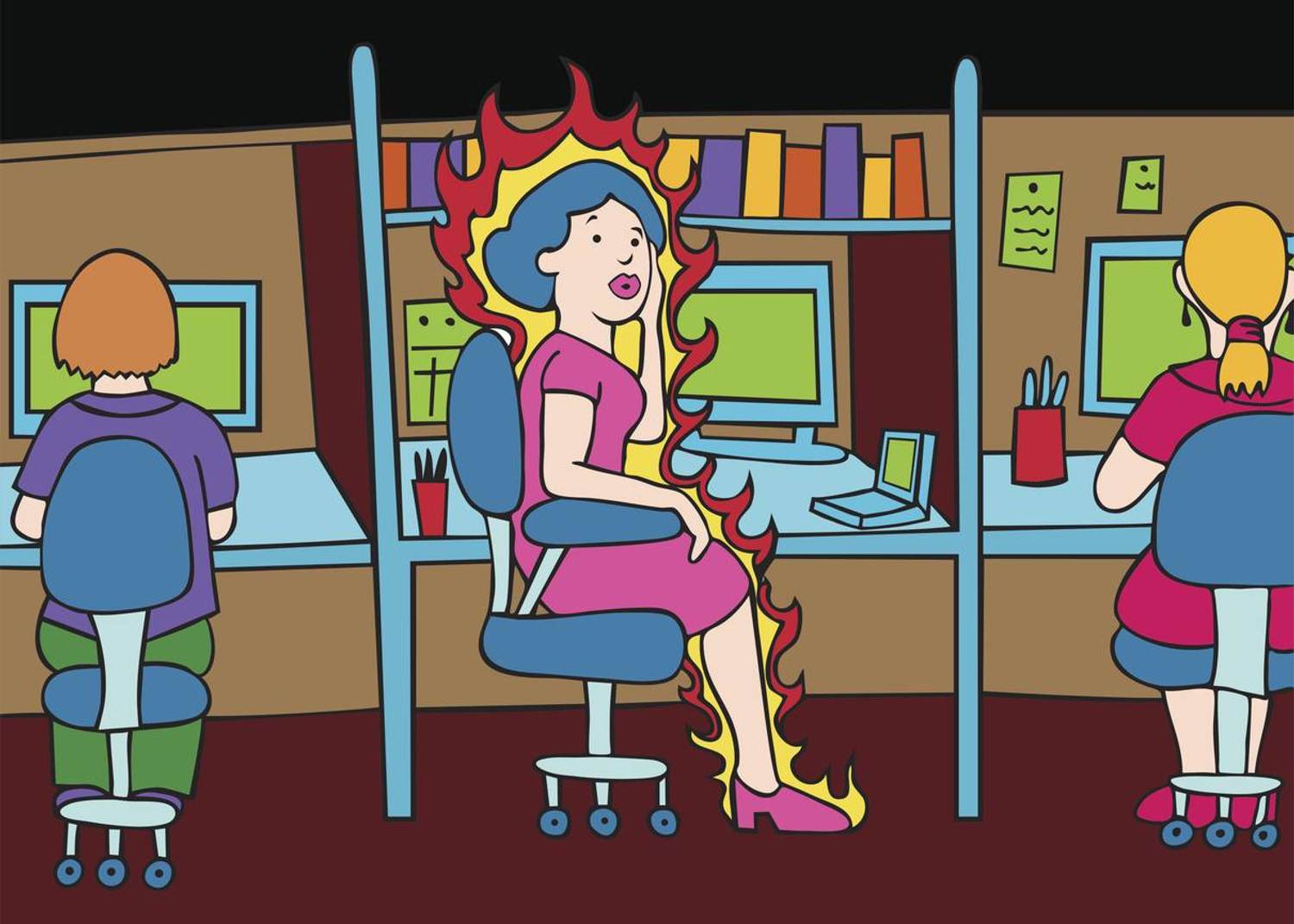
For generations, menopause was something midlife women had to bear. Indignities and discomforts often went unspoken and untreated. From hot flashes to mood swings, hair and skin changes, weight gain, painful sex, incontinence and disruptions at work, menopause can affect many aspects of a woman’s life.
Yet, clinicians who specialize in menopause have traditionally been hard to find. And trust in clinicians may be lacking: A recent study published in JAMA revealed that women are more likely to disclose symptoms on social media than to their clinician.
Though menopause is increasingly out in the open, confusion over treatment options and insurance challenges can still stand in the way of the best menopause care.
What IS good menopause care?
More than 2 million women seek menopause-related treatment each year. While hormone therapies are the most common, nonhormonal options are also available. Antidepressants and cognitive behavior therapy can also help relieve symptoms.
“Menopause is a normal physiologic transition, and treatment isn’t mandatory,” said Andrea Hubschmann, M.D., MBA, FACOG, chair of the Obstetrics and Gynecology (OB-GYN) Department and associate program director of the OB-GYN Residency Program at Holy Name Medical Center in New Jersey, and a Menopause Society Certified Practitioner. However, some symptoms can be extremely uncomfortable and disruptive, or get worse if not treated.
“We should treat women because treatment is appropriate for that woman — her symptoms, risks, health and priorities — not because every woman needs menopause treatment to prevent future disease,” Hubschmann said.
Tracy Shevell, M.D., board-certified high-risk OB-GYN and author of the forthcoming book Labor and Deliverance: Reclaiming the Healing in Women’s Health (HarperOne), agrees that one size does not fit all: “I want to make sure you wave a red flag if any doctor ever tells you that no one or everyone should be on hormones.”
Cost and coverage for menopause care challenges
Some inexpensive generic treatments work well for many women, according to Hubschmann. However, she said that insurance barriers can arise with newer medications, certain nonhormonal treatments, particular formulations and medications used for other issues common during midlife, such as weight management.
According to a 2025 survey, only 1 in 4 (26%) women reported their menopause-related prescriptions are fully covered by their health insurance. Most (60%) had a copayment, and nearly 1 in 10 (8%) said their prescriptions were not covered at all. One in 5 (21%) delayed or skipped treatment due to cost.
Insurance obstacles may include:
- Prior Authorization: When the insurance company requires you to get permission before they pay for a drug, procedure or specific doctor or facility.
- Step Therapy: When your insurance company makes you try a cheaper medicine first and only pays for a more expensive one if the first one doesn’t work.
- Quantity Limits: When insurance caps how much of a certain medicine you can get at a time.
- Out-of-Network Limitations: When you can only see certain clinicians or facilities or else you may have to pay for that care yourself.
These requirements create work for clinicians, but more importantly, Hubschmann said, “They can delay treatment or make patients give up on obtaining a medication that we have already decided together is appropriate for them.”
Who gets hit the hardest?
Often women with the worst symptoms are the ones least likely to get treatment.
In a study of nearly 70,000 women, women of color reported more severe menopause symptoms. The Study of Women’s Health Across the Nation (SWAN) has also shown that women of color, and Black women in particular, experience worse symptoms, less use of hormone therapy and more financial instability than others. Additionally, according to a recent study they are more likely to be prescribed SSRIs, gabapentin or alternative therapies for their menopause symptoms. And Asian women are less likely to receive medicine for menopause symptoms.
Another recent study showed that women on Medicaid — the government-subsidized health insurance program that disproportionately covers women of color — are more likely to go without treatment than women on private insurance.
“That doesn't prove that insurance explains every racial disparity in menopause care, but it does suggest that access and insurance coverage are an important part of the conversation,” Hubschmann said.
Clinician training may be the problem
Not all clinicians have been trained to treat menopause and provide effective menopause care.
“The biggest red flag for me is being told that this is just part of life for a woman, or the dismissive ‘it will pass soon,’” Shevell said. “It is … totally acceptable to acknowledge the fact that most OB-GYNs do not have enough training to adequately address and treat perimenopause and menopause at a sophisticated level.”
In fact, one recent study showed that less than 1 in 3 (31%) training programs for doctors included menopause education.
“If a clinician isn't comfortable discussing the full range of evidence-based hormonal and nonhormonal options — or dismisses a patient's symptoms without really engaging in the conversation — that may be a reason to seek another opinion,” Hubschmann said.
Shevell also endorses open communication about your needs.
“It is imperative that women get really comfortable asking their doctors what their comfort level is providing care through the menopause transition, and normalizing that it's OK to be referred to someone either within their group or outside of it to help you deal with your symptoms,” she said. “You are allowed to ask for a second opinion or a referral to another doctor.”
Both recommended checking The Menopause Society’s online directory of certified clinicians who are certified as experts in menopause care.
Tips for getting the menopause care you need
- Seek a menopause expert via the Menopause Society’s directory or by asking your current clinician for a referral.
- Research your health insurer’s drug list (called a formulary) so you know what treatments it covers, and you can be prepared to discuss your options with your clinician.
- If your health plan requires prior authorization, ask the clinician’s office for help getting it.
- If your health plan requires you to try other treatments before the one your clinician recommends, ask the insurance company for an exception (and ask the clinician’s office for help with that, too).
- If your insurance company denies your request, file an appeal. Your clinician can provide documentation on why they feel the treatment they’re recommending is medically necessary.
Above all else, women are entitled to good care and should take steps to get it.
“[Women] are allowed to not just ask for, but demand, partnership in their care,” Shevell said. “They deserve acknowledgement that menopause can be a debilitating time of life that collides with the needs of aging parents and those of teens or young adult children. They are allowed to ask for a patient advocate or accompaniment by a friend or ally. They are allowed to ask for a full outline of the risks/benefits and alternatives of the solution being offered to them.”
Resources
This educational resource was created with support from Astellas, a HealthyWomen Corporate Advisory Council member.











Support Our Mission
Keep Trusted Women’s Health Information Free
Your donation ensures every woman continues to have access to credible health content.
More Stories







Everything you need to know about women’s health — in one place.