

Search
Latest Stories

Newsletter Sign-Up
Newsletter

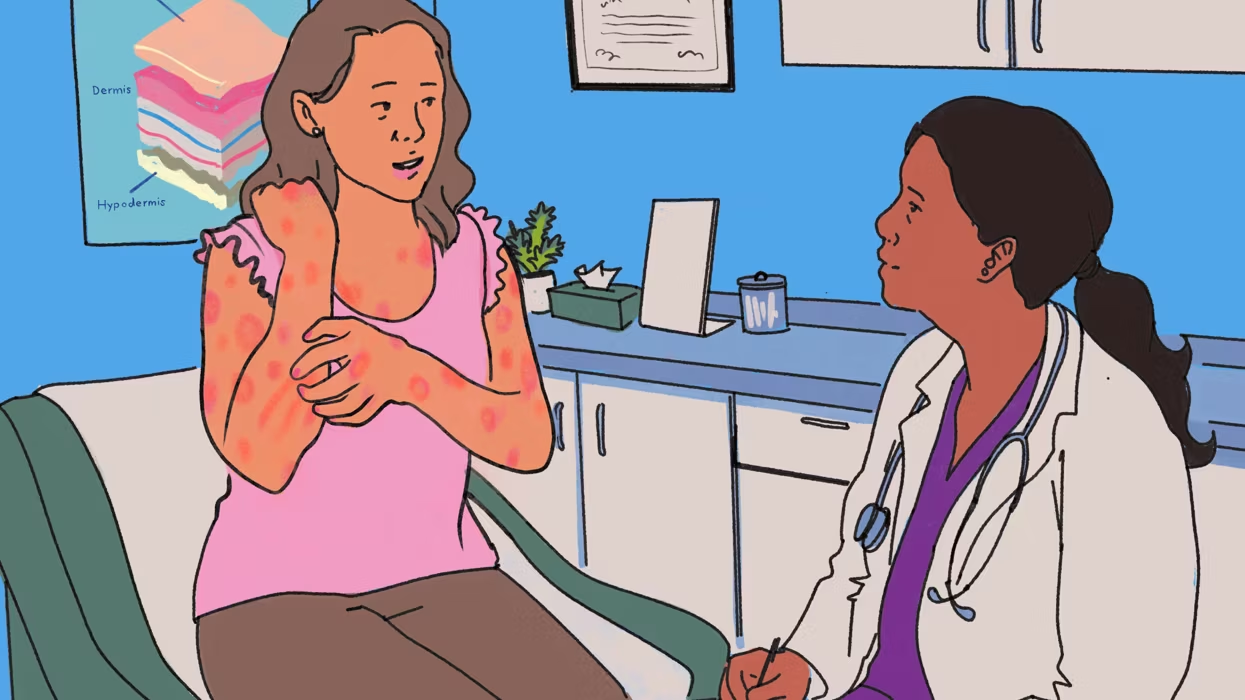
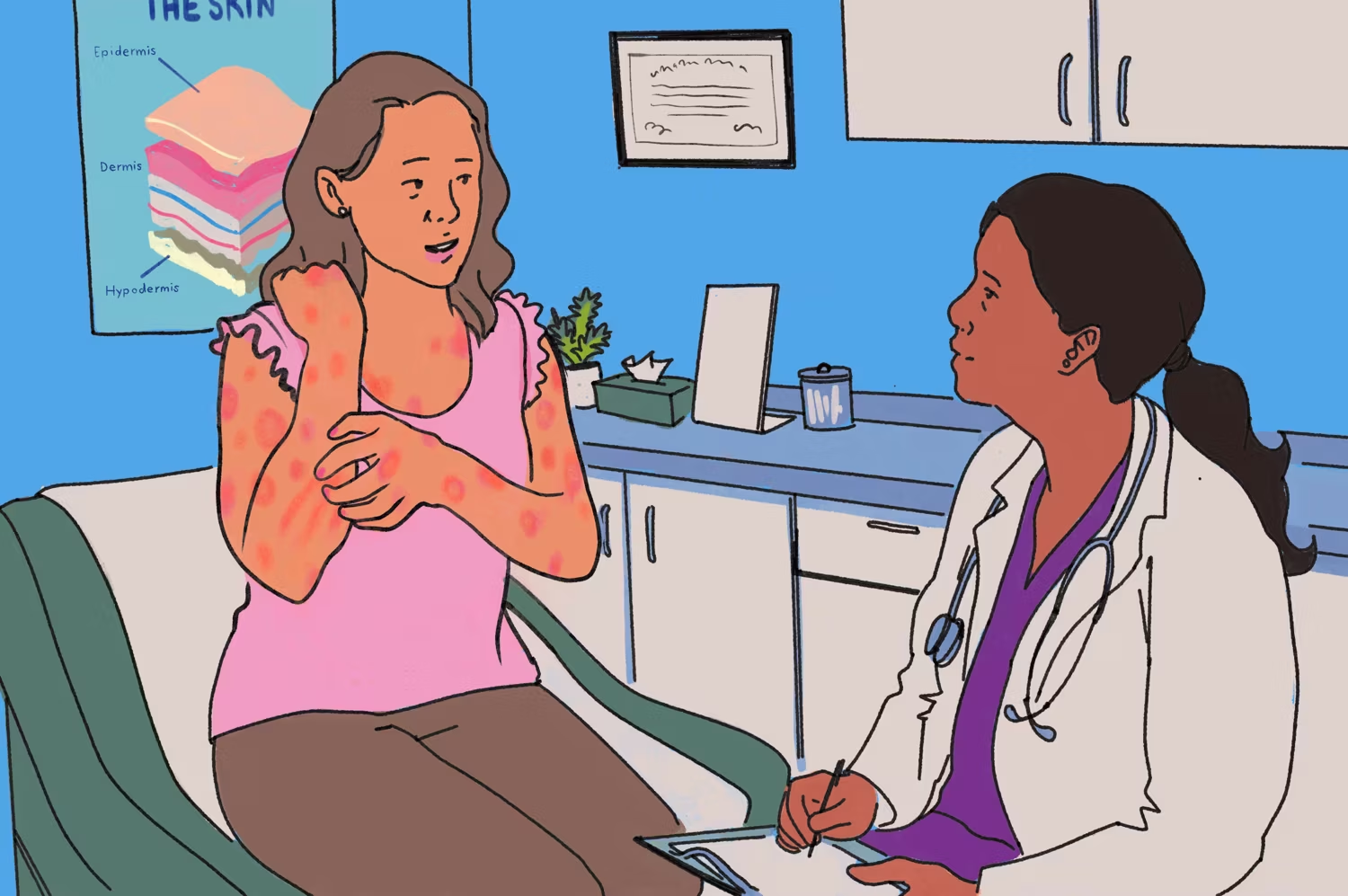
Do you find yourself getting hot and sweaty (but you’re not watching “Heated Rivalry”)? Waking up at night for no reason? Feeling unexpected mood swings? If so, it could be perimenopause.
And perimenopause can be tricky to figure out because there’s no single test and symptoms vary widely, often overlapping with other conditions.
So, here’s what you need to know about perimenopause symptoms and treatment options.
What is perimenopause?
Perimenopause is the transition period before menopause. During this time, your ovaries gradually wind down and your body prepares to stop having periods.
Unlike menopause, which is defined by one year without a period, perimenopause is harder to define and every woman’s experience looks different. It’s also complicated if you’ve had a hysterectomy, an ablation or a hormonal IUD, since your period isn’t a reliable marker, said Mary Jane Minkin, M.D., a clinical professor in the Department of Obstetrics, Gynecology, and Reproductive Sciences at the Yale University School of Medicine and member of the HealthyWomen Women’s Health Advisory Council.
How early can perimenopause start?
The average age of menopause in the U.S. is 51, and for most women, perimenopause begins in their 40s and lasts an average of four to seven years, sometimes over a decade. “[Perimenopause] is a longer hormonal process for women than people may have appreciated,” explained Nina Ali, M.D., a board-certified obstetrician/gynecologist in the division of General Obstetrics and Gynecology at Texas Children’s.
Stress, certain medications, cancer treatments or ovary removal can trigger earlier perimenopause. Genetics can also influence when the brain, pituitary gland and ovaries begin changing.
What are the symptoms of perimenopause?
Perimenopause can have a variety of symptoms, and they can vary from person to person. Some days, it can feel like there are hundreds of symptoms, but here are some common symptoms of perimenopause:
- Irregular periods
- Hot flashes and night sweats
- Vaginal dryness
- Pain during sexual activity
- Burning, itching or irritation in the vulva
- Increased vaginal infections
- Weight gain
- Migraine attacks or headaches, especially around certain times in your menstrual cycle
- Depression or anxiety
- Trouble sleeping
- Brain fog
- Musculoskeletal aches and pains
Is there a diagnostic test for perimenopause?
It might be surprising to hear, but healthcare providers (HCPs) don’t need blood work to diagnose perimenopause, said Ali. “There’s a lot of testing that’s possible, but management is less about specific lab values and more about recognizing the overall process we know is happening.”
Hormone levels like estrogen, progesterone and follicle-stimulating hormone (FSH) fluctuate daily, and they don’t usually change treatment. Instead, your HCP will review your history, symptoms and any therapies you’ve already tried.
Noting your cycles and symptoms in an app or on a calendar can help you and your HCP track your symptoms.
What is hormone therapy?
Hormone therapy (HT) is prescription medication that is FDA-approved to treat menopausal symptoms, including vaginal dryness, hot flashes, night sweats and pain during sex. HT can be systemic, meaning it gets absorbed into the bloodstream and is used to treat symptoms such as hot flashes and night sweats. Systemic HT is delivered through pills, patches, sprays, gels or a vaginal ring.
Low dose HT, also called vaginal estrogen therapy, goes directly into the vagina and very little gets into the bloodstream. This treatment is used specifically for vaginal and urinary symptoms of menopause.
If you’re a candidate for HT, the timing is important. The best window to start is within 10 years of your last period, during perimenopause or early menopause, when it reduces cardiovascular and other risks and offers the most benefit.
Low-dose birth control pills (BCPs) are often used first if you don’t smoke or have risk factors for clots, according to Minkin. BCPs contain estrogen and progestin (a human-made version of progesterone) and fully shut down ovarian function, which reduces those swings in hormones.
Hot flashes and sleep problems often respond well to HT. But it can help each woman differently. “What we don't know is, is it going to loosen up the joints, or give you more energy — some of these things that are harder to measure,” Ali said. Sometimes providers will have you try HT to see if your symptoms improve.
Are there non-hormonal options available to treat hot flashes?
Minkin noted that there are options other than HT that can help manage hot flashes.
Non-hormonal FDA-approved options include:
- NK-receptor antagonists
- One antidepressant, a selective serotonin reuptake inhibitor (SSRI)
Other prescription options that are not FDA-approved for the treatment of hot flashes — but have shown some benefits — include additional antidepressants, an anti-seizure medication and an antispasmodic drug typically used to treat overactive bladder.
If you suspect you may be in perimenopause, it’s a good idea to look for a provider who has expertise in managing menopause. The Menopause Society has a searchable directory of providers who specialize in menopause care, called The Menopause Society Certified Practitioners (MSCPs), to help guide you through this transition.
Resources
This educational resource was created with support from Astellas, a HealthyWomen Corporate Advisory Council member.








Popular
1
What Happens in the Body During a Hot Flash
Sep 03, 2026
2

3
Understanding Menopause Stages and Terms
Sep 08, 2026
4

5
Lo que ocurre en el cuerpo durante un bochorno
Sep 03, 2026
6

Biologics for Treating Asthma
Sep 22, 2026
Support Our Mission
Keep Trusted Women’s Health Information Free
Your donation ensures every woman continues to have access to credible health content.More Stories







Everything you need to know about women’s health — in one place.