
Search
Latest Stories



Newsletter Sign-Up
Newsletter
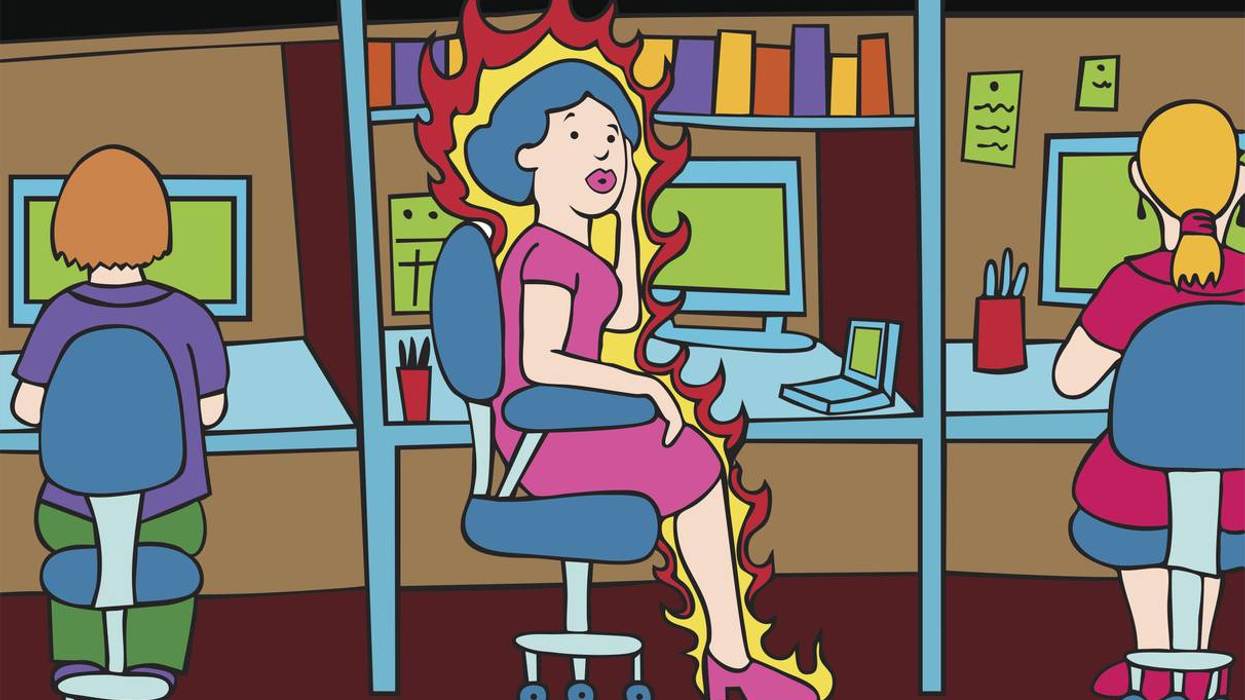
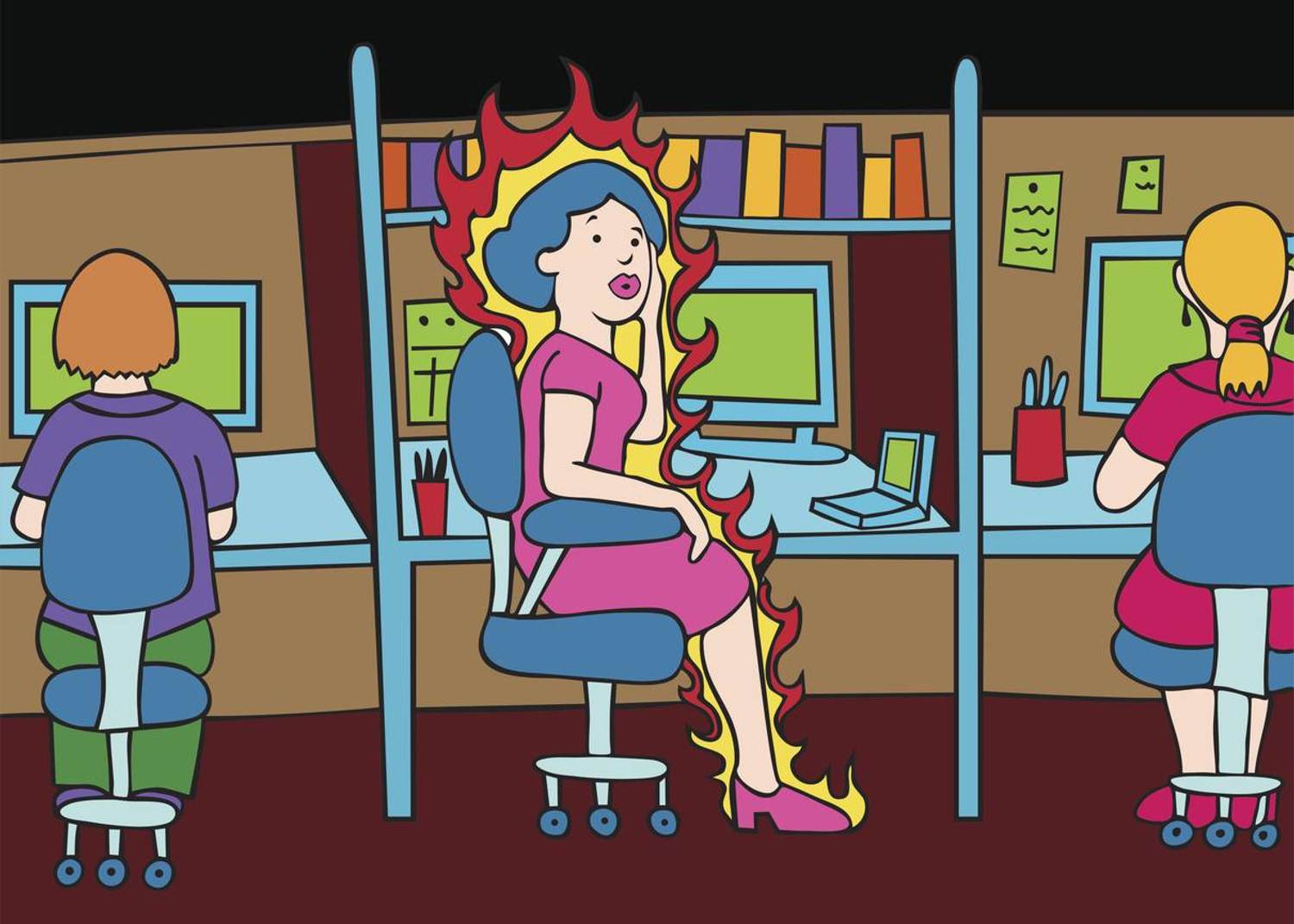
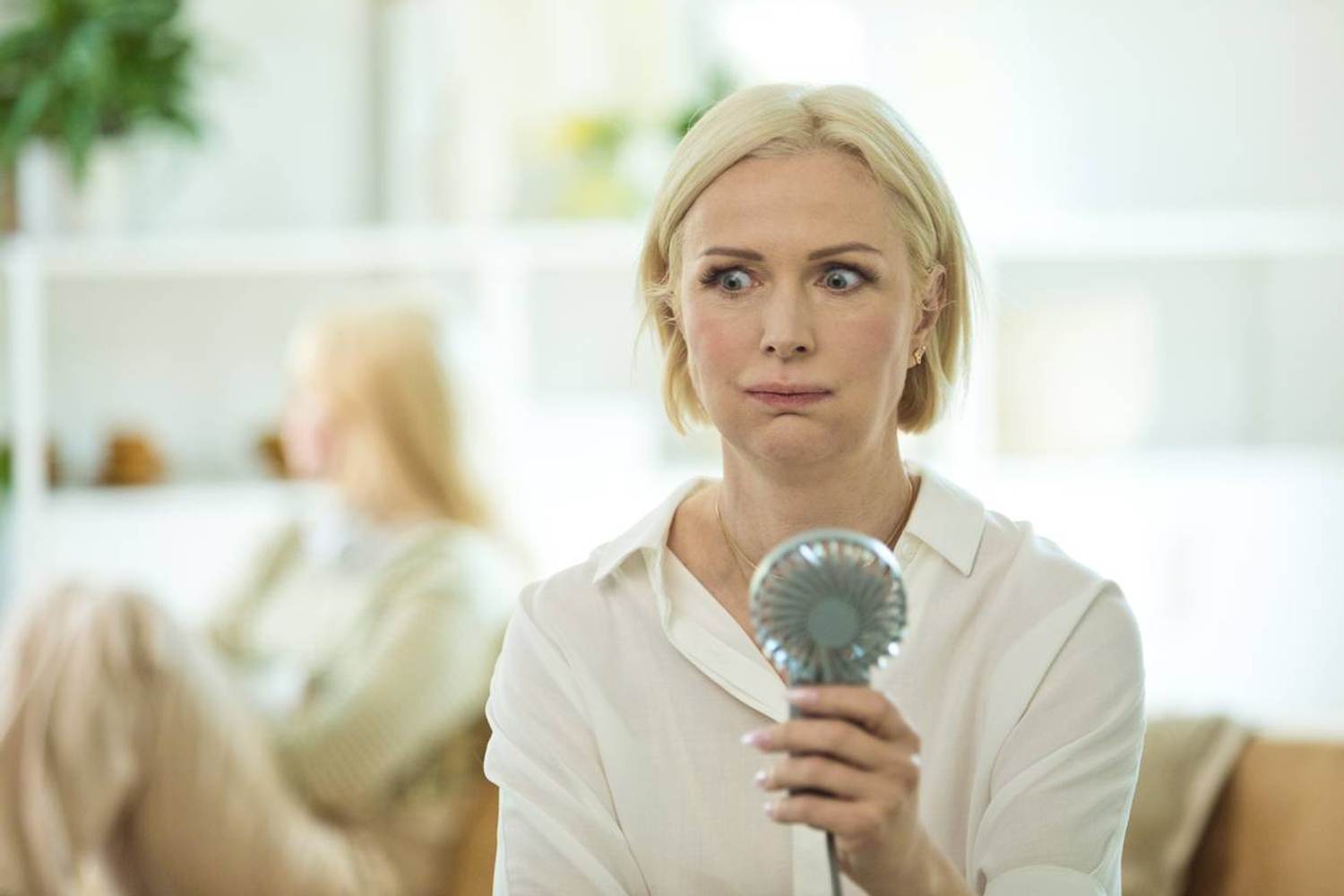
The first time I told my OB-GYN that I was experiencing debilitating hot flashes and unbridled rage, she suggested hormone therapy for my menopause symptoms. But when I asked if there were other options, she looked down at her screen and pretty much blew me off. Then she wrapped up our visit and rushed out. I left my appointment feeling that, when it came to menopause treatment, it was her way or the highway. I chose the highway.
Wondering if I was destined to go through the next decade feeling bloated, exhausted and pissed off, I began searching for a certified menopause practitioner who was willing to practice shared decision-making to help me come up with an individualized treatment plan. “Every patient has a different experience. It’s not a one-size-fits-all,” said Carla Weisman, M.D., FACOG, a Menopause Society Certified Practitioner and member of HealthyWomen’s Women’s Health Advisory Council.
We all deserve to find a clinician who will listen to our concerns and decide on our treatment with us instead of for us.
What is shared decision-making?
Shared decision-making is the idea that you and your clinician work together to decide on the best treatment plan for you based on your health history and symptoms. This not only gives you a say about your body, but it empowers you to play an active role in your healthcare journey.
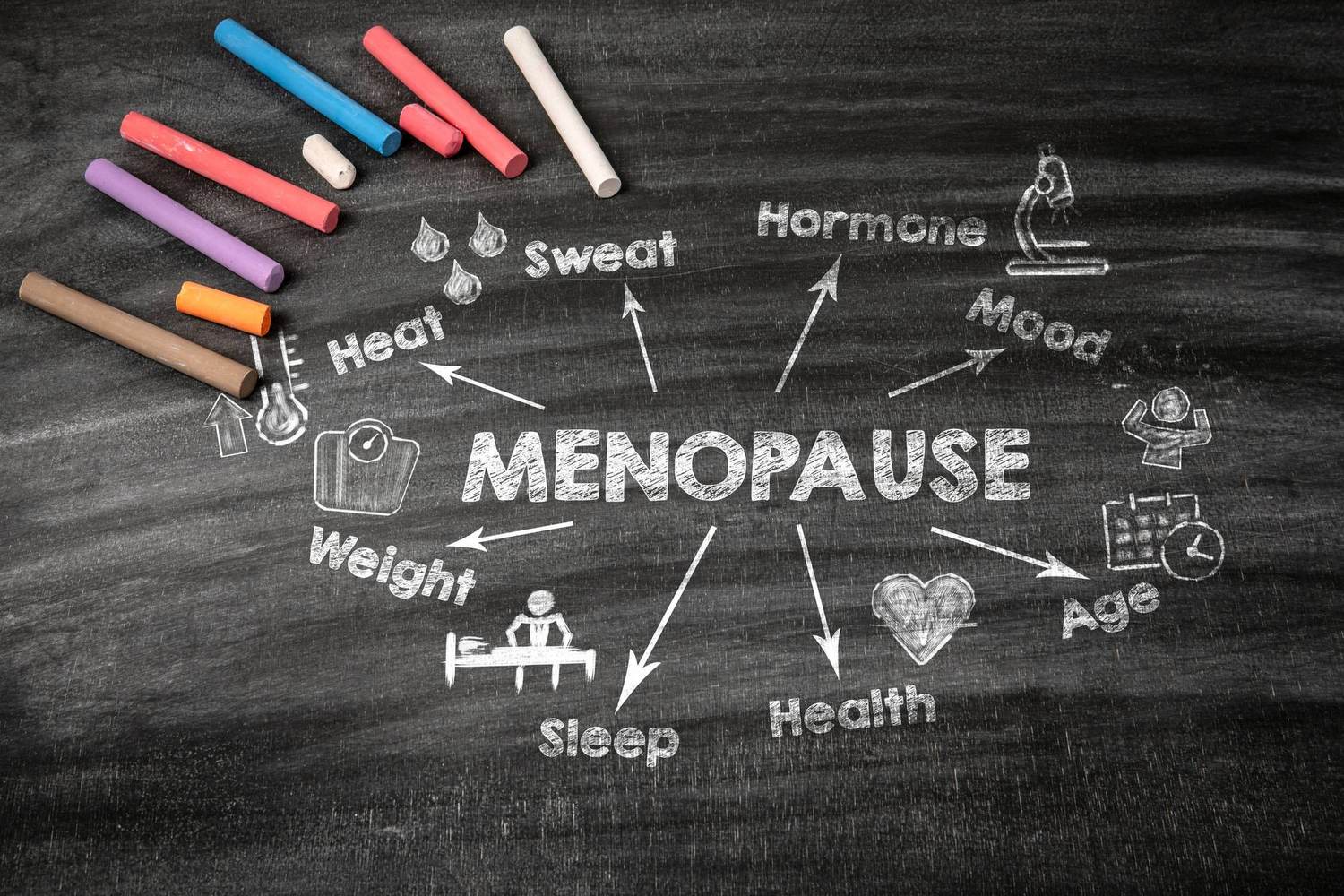
Shared decision-making is especially important when it comes to menopausal symptoms because they vary so much among women. Many women have classic symptoms like hot flashes and night sweats (also called vasomotor symptoms or VMS), while others might have sleep disturbances, short-term word recall issues, a lack of energy and mood swings. “This not only affects their quality of life, but their relationships with their family and how they see themselves,” said Weisman. That’s why it’s important to find a clinician who will listen and work with you.
The importance of menopause care
Getting through the day can feel impossible when you haven’t been sleeping and you’re constantly sweating. And it doesn’t just affect daily activities. Twenty percent of women in the work force are in menopause. “Women in their 50s are at the pinnacle of their professional careers but are leaving the workplace because the symptoms are so bothersome,” said Weisman. Along with the earnings hit, women in menopause often experience issues with bone health and cardiovascular disease, Weisman explained.
Between your career, your ability to function and your physical health, finding a menopause clinician who practices shared decision-making can improve your overall quality of life. “Find someone who knows what the latest data is and can help you navigate the murky, confusing and overwhelming landscape,” said Weisman.
How to find the right menopause provider
It can feel both stressful and time-consuming to find a menopause provider who practices shared decision-making. It’s even more difficult for women of color who often get treatment later in life and are more likely to have their symptoms dismissed.
Weisman suggested searching The Menopause Society website by ZIP code for a list of certified menopause providers who have additional training and stay up to date with the latest treatments.
The Pause Life Clinicians List is another great resource that offers unbiased reviews and clinician recommendations. Weisman also emphasized the importance of talking to other women who are dealing with menopause. One of her patients even has a monthly menopause lunch group where women compare notes. Sharing information and asking for clinician recommendations can help you feel like you’re not alone.
Don’t wait until your symptoms are unbearable. It can take time to find the right match.
How to have an informed discussion about menopause
The first step is to make an appointment with a menopause-certified clinician specifically to discuss your symptoms. Don’t try to tackle questions about menopause during your annual exam. Insurance might not cover it, and your clinician may not be prepared to have the conversation.
Once you make an appointment, document all your symptoms so you don’t forget them. To make it easy, you can use an online symptom checklist. If you have lab work or test results from other doctors, gather them together to bring those along.
Next, prepare for your visit by writing down a list of questions and concerns. At your appointment, start the conversation by asking your clinician if she’s open to shared decision-making.
Here are questions to get the ball rolling:
- What do you think about shared-decision making when it comes to treating symptoms?
- How do we factor my lifestyle goals into treatment decisions?
- Can you provide me with educational material about menopause?
- What are the pros and cons of hormonal treatment?
- Is there anything in my medical history that puts me at risk for treatments?
Deciding which menopause treatment is best for you
“The standard menopausal hormone therapy is estradiol. It is the physiological equivalent of what your ovaries make,” said Weisman. You can take it as a pill, a patch or a cream depending on your preferences. Estradiol is usually given with progesterone because, by itself, estrogen can increase the risk of cancer in women who still have a uterus, Weisman said.
For women who can’t, or prefer not to, take hormone therapy, there are non-hormonal options such as cognitive behavioral therapy, nerve blocks and one SSRI that is FDA-approved to help with sleep. There is also a class of drug called neurokinin receptor modulators. One option is an NK3 receptor antagonist that blocks the brain's thermostat to help with hot flashes and night sweats. Another option works on two receptors in the brain, NK-1 and NK-3.
Once you and your clinician discuss your lifestyle, your symptoms and your health risks, you can share in the decision-making process to come up with the best treatment for you. Take it slow, ask questions, let your clinician know your preferences, and most importantly, trust your instincts, suggested Weisman.
This educational resource was created with support from Astellas, a HealthyWomen Corporate Advisory Council member.







Stories We Love
1

2

3

4

5

6

Support Our Mission
Keep Trusted Women’s Health Information Free
Your donation ensures every woman continues to have access to credible health content.
More Stories






Everything you need to know about women’s health — in one place.