

Rates of chronic obstructive pulmonary disease (COPD) are rising among women, with the disease being more common among people who live in rural areas. We spoke with pulmonologist Raymond Wade, M.D., assistant professor of pulmonary, allergy and critical care medicine at University of Alabama at Birmingham, about the importance of prompt diagnosis, good symptom management and reducing flare-ups.
Wade told us earlier diagnosis and treatment reduces the severity of flare-ups, making them not just less frequent but also less deadly. “Flare-ups pose a huge risk to people’s lives,” said Wade. “Each flare-up is a roll of the dice.”
What is uncontrolled COPD?
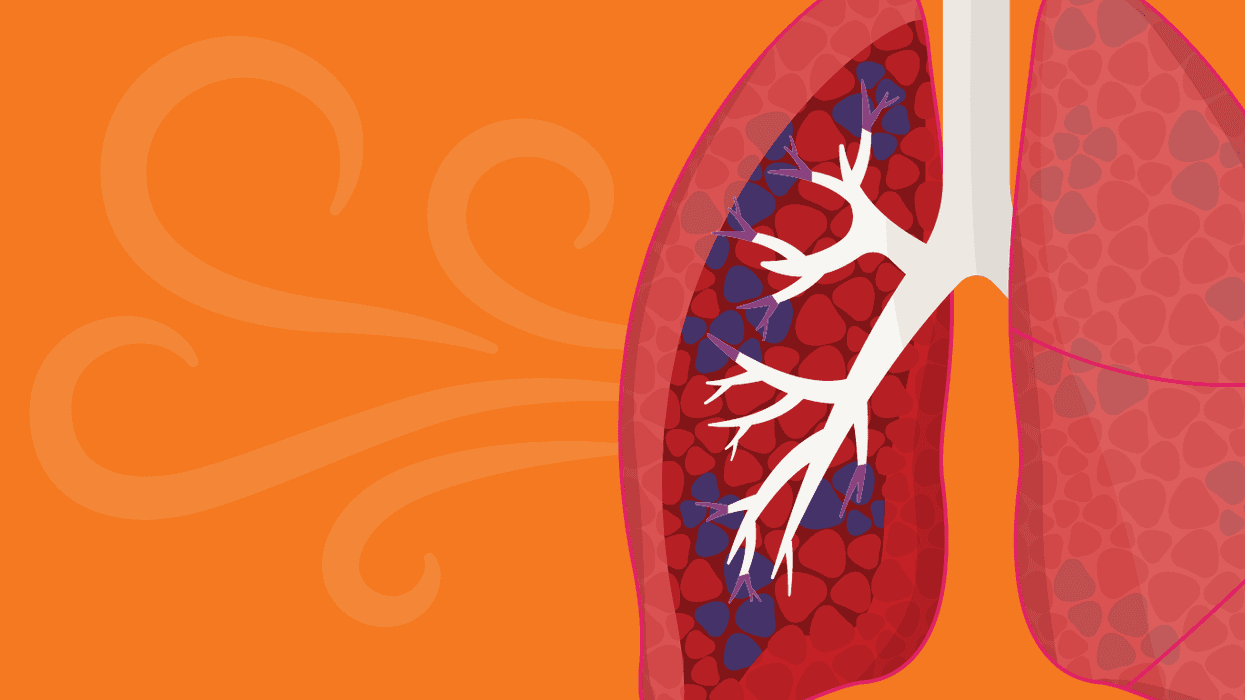
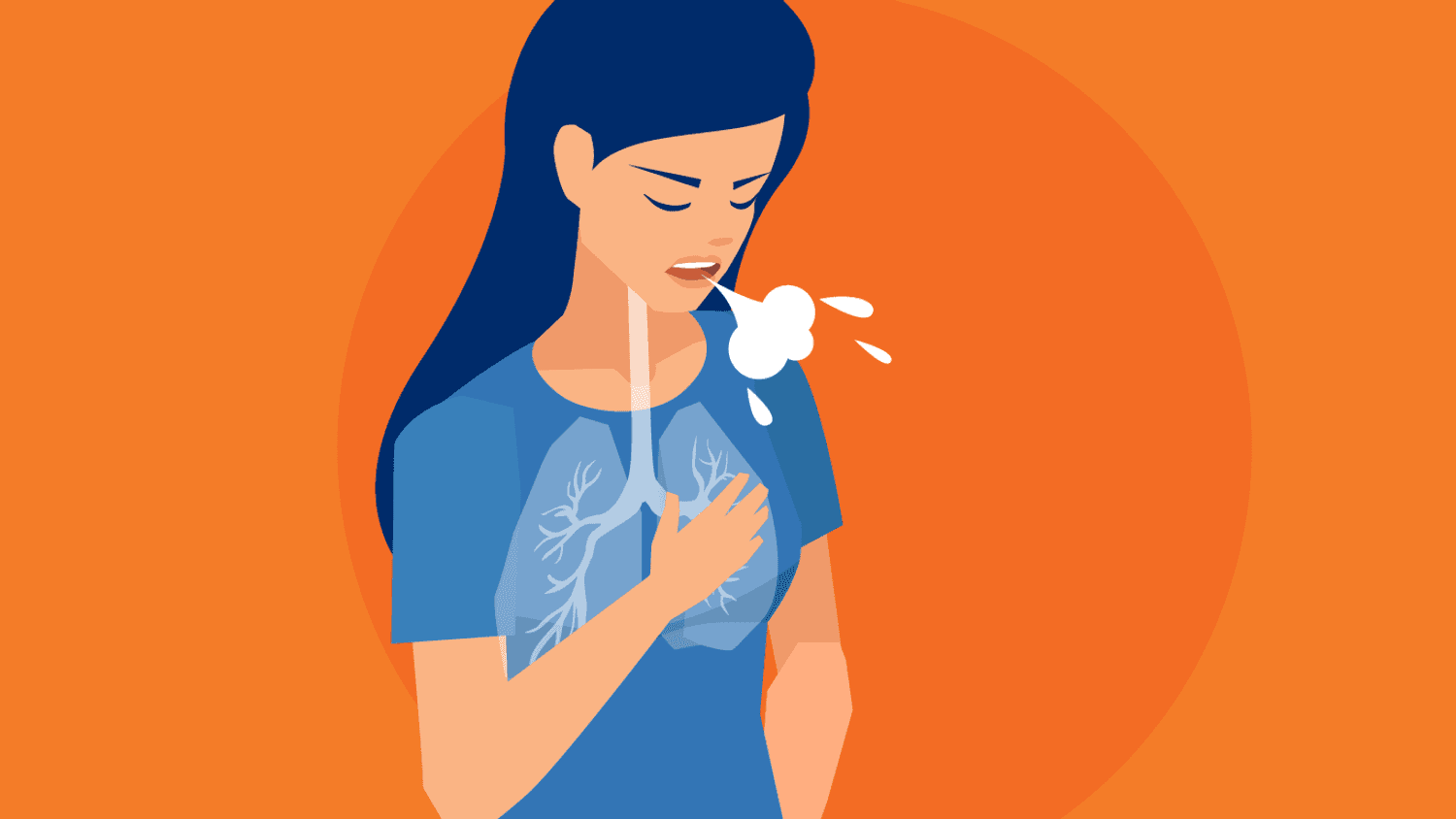
COPD is a chronic condition that causes swelling and inflammation in the airways. Its symptoms include shortness of breath, coughing and wheezing. When there’s a flare-up, these symptoms can lead to hospitalization or even death. COPD that isn’t controlled leads to more frequent and more severe flare-ups.
Why is it so important to control your COPD?
A spirometry test, which measures how well the air flows in the lungs, can determine whether COPD is mild, moderate or severe. COPD is progressive, but slowing down that progression with treatment will improve your quality of life, and it will help you live longer. When your symptoms are kept to a mild level, you’re less likely to have flare-ups and the flare-ups won’t be as severe.
Why is it important to avoid or manage COPD flare-ups?
A COPD flare-up, also called an exacerbation, doesn’t get the same media attention as, say, a heart attack, but its impact is just as severe. Someone who has had a COPD flare-up has the exact same five-year mortality as someone who has had a heart attack. We have data to support this. Flare-ups pose a huge risk to people’s lives.
What are treatment options for moderate to severe COPD?
Treatments are tailored to the severity of the symptoms. In the past, we couldn’t offer much more medication than an inhaler. Now, we’re using better treatments. We have airway openers and steroids that have been repurposed from asthma treatments and target the inflammation that drives the disease. These medications are an important factor of pulmonary rehabilitation.
Biologics are relatively new to our COPD arsenal. Currently, we recommend them to patients who have a history of flare-ups and have a certain indicator of inflammation in their blood. These tools are promising for some people with COPD. Vaccines can help as well since respiratory viruses are the most common causes of worsening COPD. We have vaccines for more severe respiratory viruses such as influenza, RSV and Covid. We can also immunize against a bacteria, called pneumococcus, that causes pneumonia.
How do factors such as lifestyle, living conditions and occupational hazards increase the risk of COPD?
Cigarettes are a major risk factor. Smoking rates in the U.S. have been declining, and the rate of COPD in males has dropped, but the rate of COPD in females is rising, and we’re still trying to figure out why. We know that in addition to cigarettes, the major drivers of respiratory diseases are exposure to air pollution, smoke from wildfires or burning trash, industrial fabrication, or any particulate matter. Serious respiratory diseases are uniquely common in veterans from the Gulf War onward, from their exposure to burn pits and chemicals.
Why is COPD more prevalent and often more severe in rural areas?
My state, Alabama, is 80% rural. The data shows rural areas have higher rates of smoking and more jobs that carry a higher risk for respiratory disease. In rural areas, you’re more likely to be exposed to smoke from burning trash or burning fields after farmers have harvested their crops. Also, it’s harder to access healthcare in rural areas.
Why might it be hard to get early and correct diagnoses for people living in rural areas?
I see patients from as far as four or five hours away. There’s no pulmonologist closer to them, and their general practitioner might not have the equipment or experience necessary to diagnose COPD. If you’re in a situation where there’s no convenient healthcare, you’re more likely to chalk up your symptoms to a respiratory virus and just go to urgent care to get meds to treat it. The problem is that when you finally get a diagnosis, the COPD has progressed to a more severe state.
How can we improve access to early and correct diagnosis, treatment, and pulmonary rehab for those living in rural settings?
The pandemic taught us that telehealth works. It’s a good option for people who can’t easily travel to a clinic in a populated area. Our patients go to pulmonary rehab, but online pulmonary rehab is a scalable option that can be widely used. Another good tool is educating patients and general practitioners in rural areas about the danger of flare-ups and the risk factors for COPD.
This educational resource was created with support from Sanofi and Regeneron.







Support Our Mission
Keep Trusted Women’s Health Information Free
Your donation ensures every woman continues to have access to credible health content.
More Stories





Everything you need to know about women’s health — in one place.