
Search
Latest Stories

Newsletter Sign-Up
Newsletter
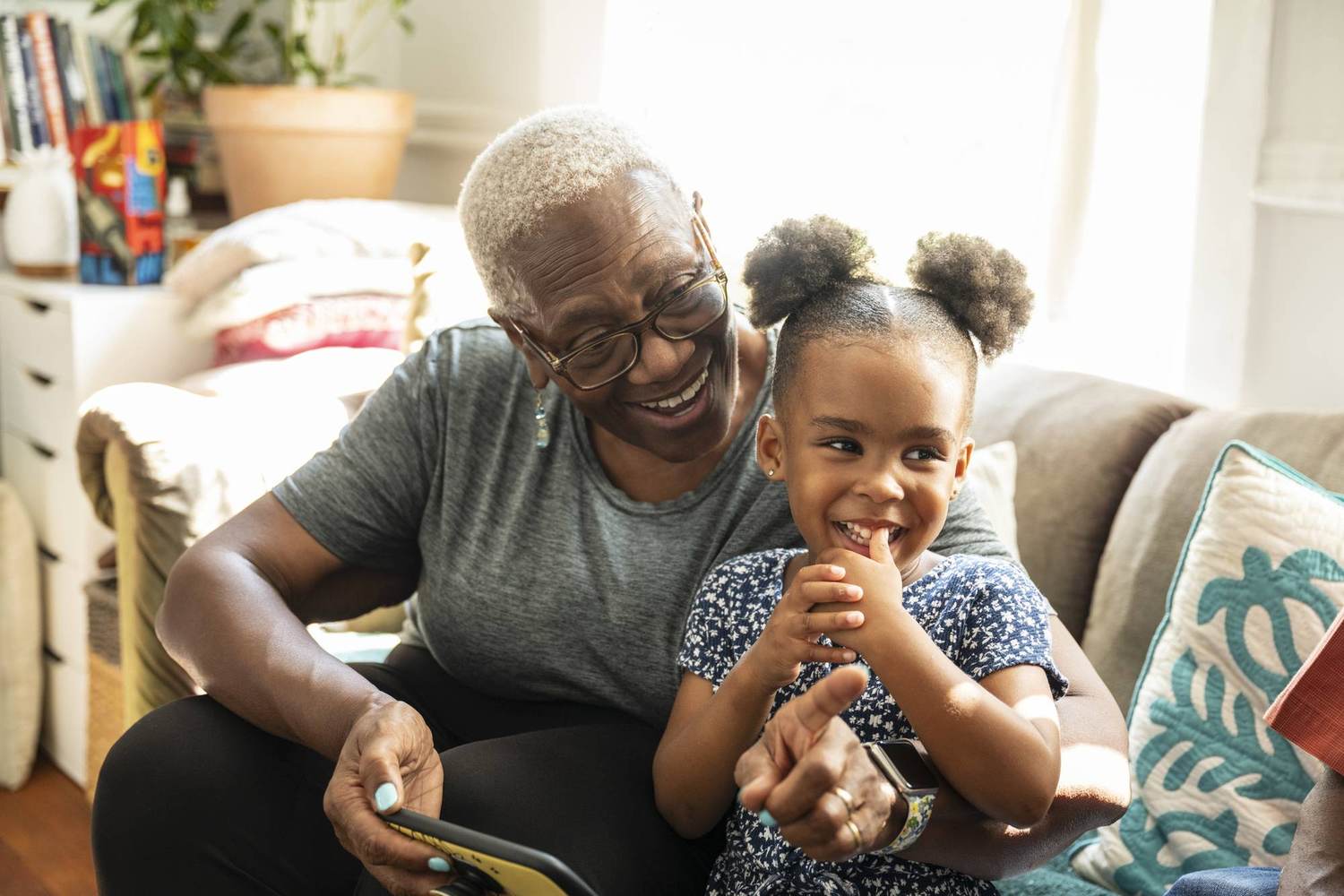
COPD Caregivers Matter
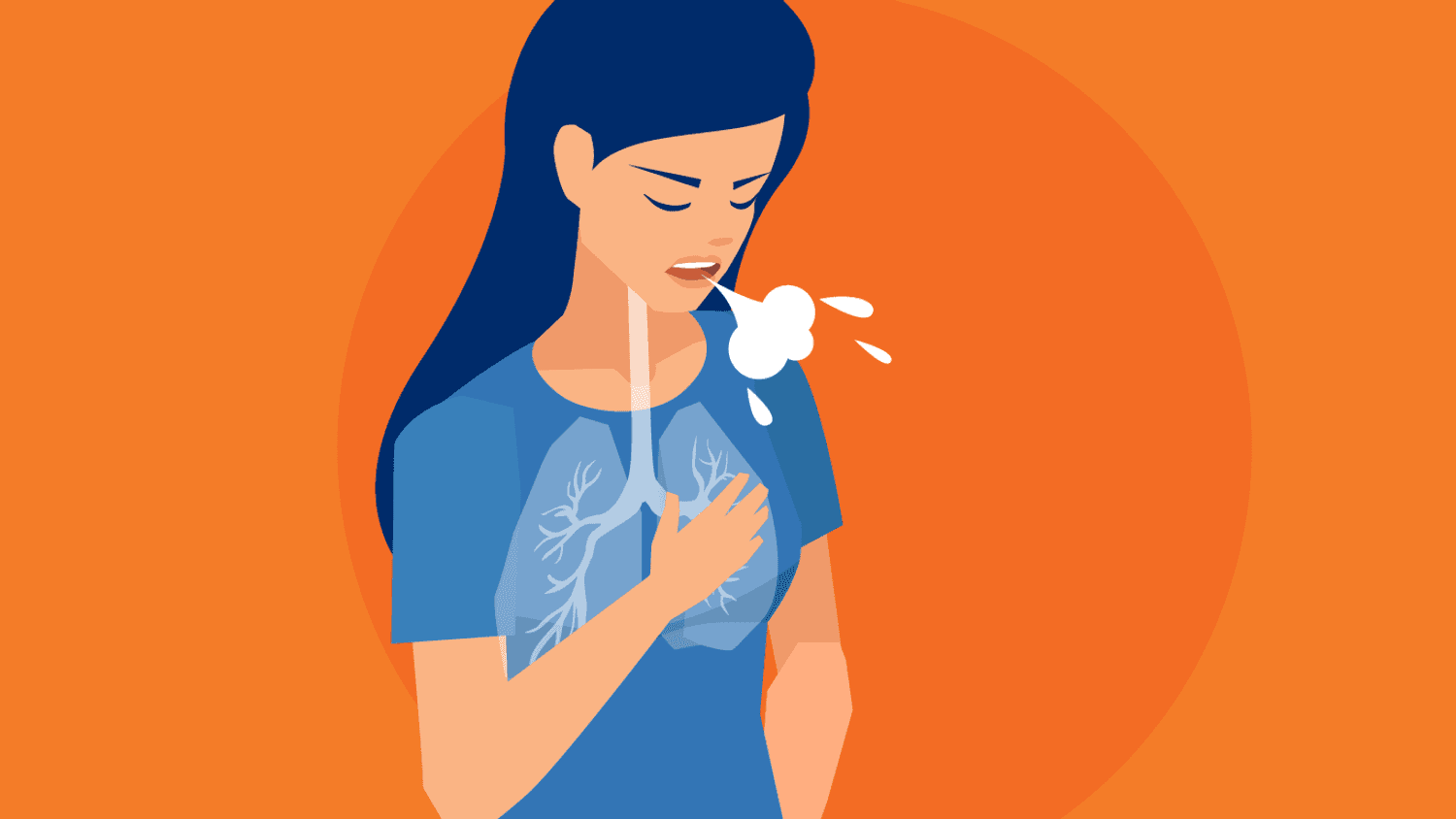
COPD (chronic obstructive pulmonary disease) is a progressive disease of the lungs that causes inflammation in the airways and difficulty breathing.
There’s no cure for COPD, but the disease and symptoms can be managed effectively.
Caregivers make a huge difference. They:
- Help with medication
- Encourage healthy activities
- Notice warning signs of declining health
- Struggling to breathe
- Increased fatigue
- Disease worsening
- Make it easier to get needed care
Managing Medications Is Critical
For people with COPD, there can be a lot of medications to juggle. Each may have different schedules and ways you take them.
You can help by:
- Keeping track of medicine schedules
- Managing doses
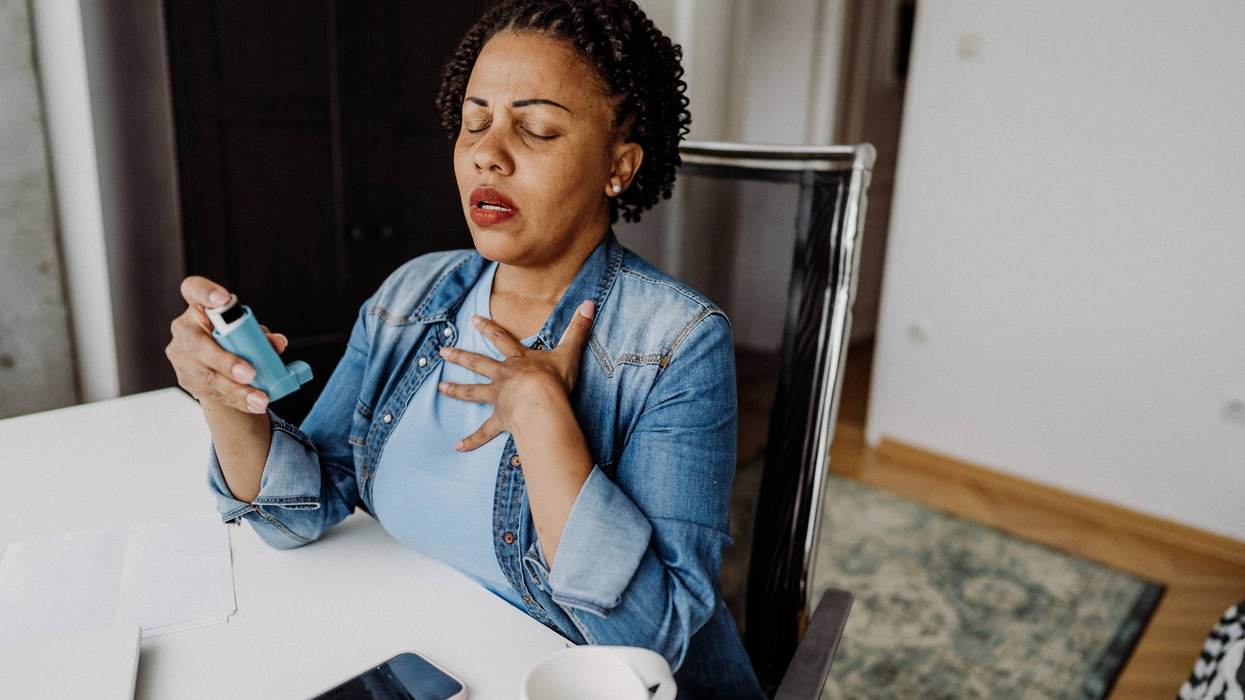
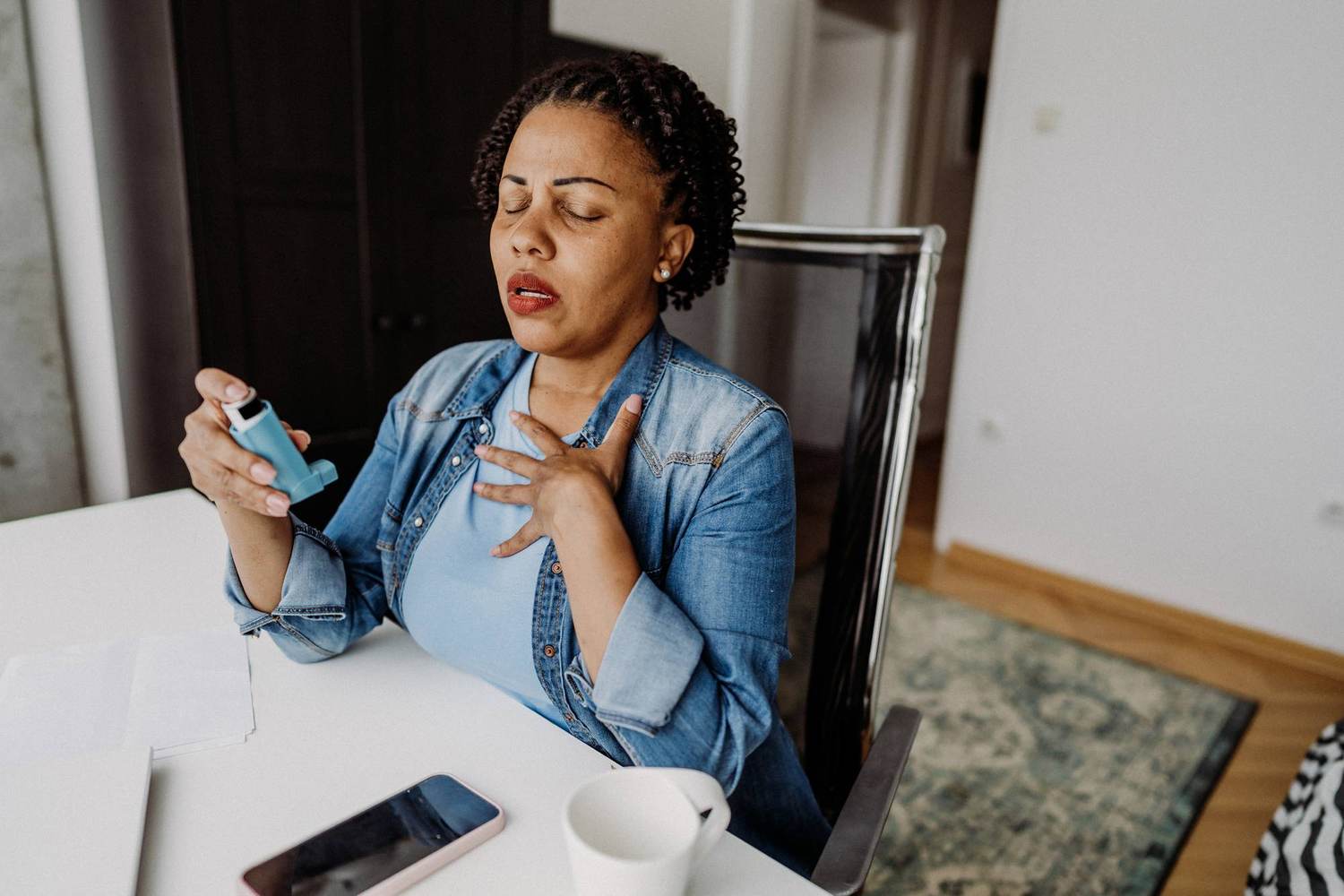
- Helping with inhaler techniques and inhalations
- Giving injections (after being trained)
Encouraging Rehab
Pulmonary rehab is one of the best ways to improve breathing, endurance and quality of life.
But patients may get discouraged, forget or not have transportation.
Caregivers can encourage rehab by:
- Arranging or providing rides
- Setting up telerehabilitation
- Doing rehab exercises at home with their loved ones
Protecting through Prevention
For someone with COPD, a respiratory infection is a serious danger. Prevention is the best protection.
- Encourage masking
- Keep sick people away
- Keep the home clean and well-ventilated
- Make sure vaccines are up to date (for you and the person you’re caring for)
Balancing Independence
Sometimes, support means stepping back.
Regular physical activity helps the lungs work better. And, being independent helps people feel better.
But too much exertion can be a problem, so aim for balance.
Encourage your loved one to do what they can, and be there to help when they can’t.
Dealing with Disparities
For some, COPD is a bigger challenge.
People of color have less access to pulmonary rehabilitation.
Telehealth isn’t as accessible for Black, Latinx, older, female and lower income patients, though they’re willing to use it.
Caregivers can advocate, ask for resources and options, and speak up for better care.
Watching for Signs of Worsening COPD
The first sign of worsening COPD is an increase in symptoms, called a flare-up or attack.
People with COPD often underestimate how bad they are and why it is important to seek care quickly.
Part of caregiving is watching out for signs of a COPD flare-up/attack:
- Increased shortness of breath, coughing or mucus
- Unusual fatigue
- Confusion or disorientation
If you see these signs, seek care right away.
Processing Emotions
When you care for someone who is struggling to breathe, it affects you. Many caregivers have intense emotions.
You may feel:
- Helpless
- Afraid
- Uncertain
- Anxious
- Depressed
Be sure you have a clear action plan for managing COPD flare-ups. You also need support, so you can share what you’re going through, too.
Avoiding Burnout
Caregiving for someone with COPD takes a lot from you. Burnout is a real risk.
Self-care isn’t optional.
- Join a support group
- Prioritize good sleep, exercise and regular medical care for yourself
- Ask for help
- Take breaks
- Use resources that provide relief, because caregivers need care, too
Resources
American Lung Association - My COPD Action Plan
COPD Foundation - My COPD Action Plan
This educational resource was created with support from Chiesi, Sanofi and Regeneron.








Popular
1

2

Biologics for Treating Asthma
Sep 22, 2026
3

¿Qué es la urticaria crónica espontánea (UCE)?
Jun 29, 2026
4
Biofármacos para el tratamiento del asma
Sep 22, 2026
5

The Skinny on Microdosing GLP-1 Drugs
Mar 06, 2025
6

10 Reasons You Might Have Blood in Your Urine
Feb 24, 2025
Support Our Mission
Keep Trusted Women’s Health Information Free
Your donation ensures every woman continues to have access to credible health content.More Stories




Everything you need to know about women’s health — in one place.