
Search
Latest Stories
Newsletter Sign-Up
Newsletter
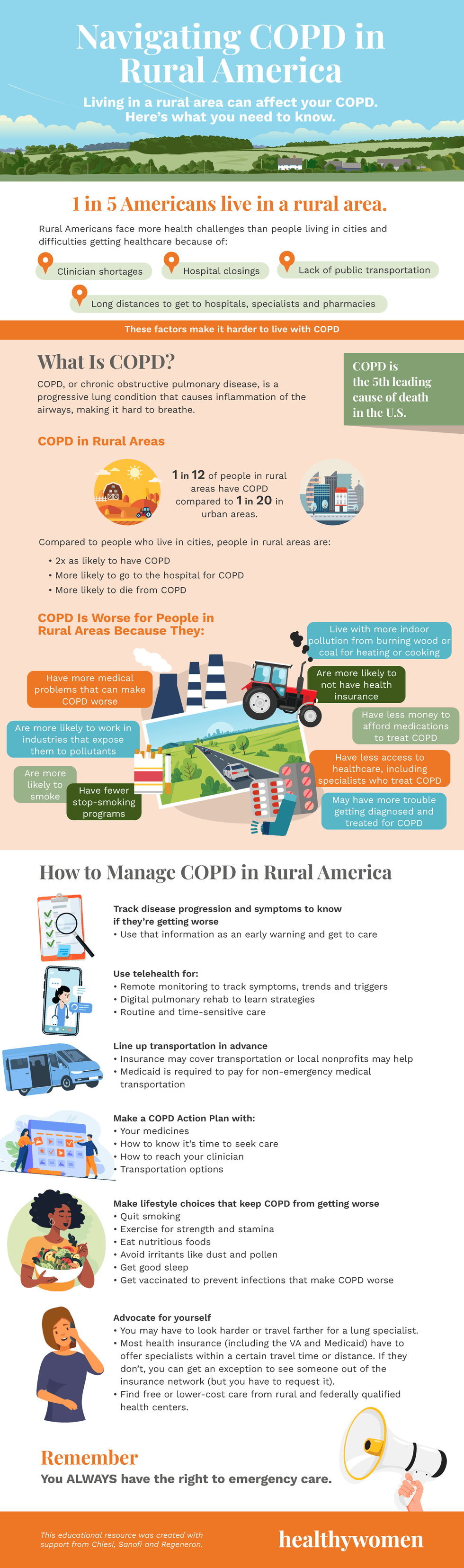
1 in 5 Americans live in a rural area.
Rural Americans face more health challenges than people living in cities and difficulties getting healthcare because of:
- Clinician shortages
- Hospital closings
- Long distances to get to hospitals, specialists and pharmacies
- Lack of public transportation
These factors make it harder to live with COPD.
What Is COPD?
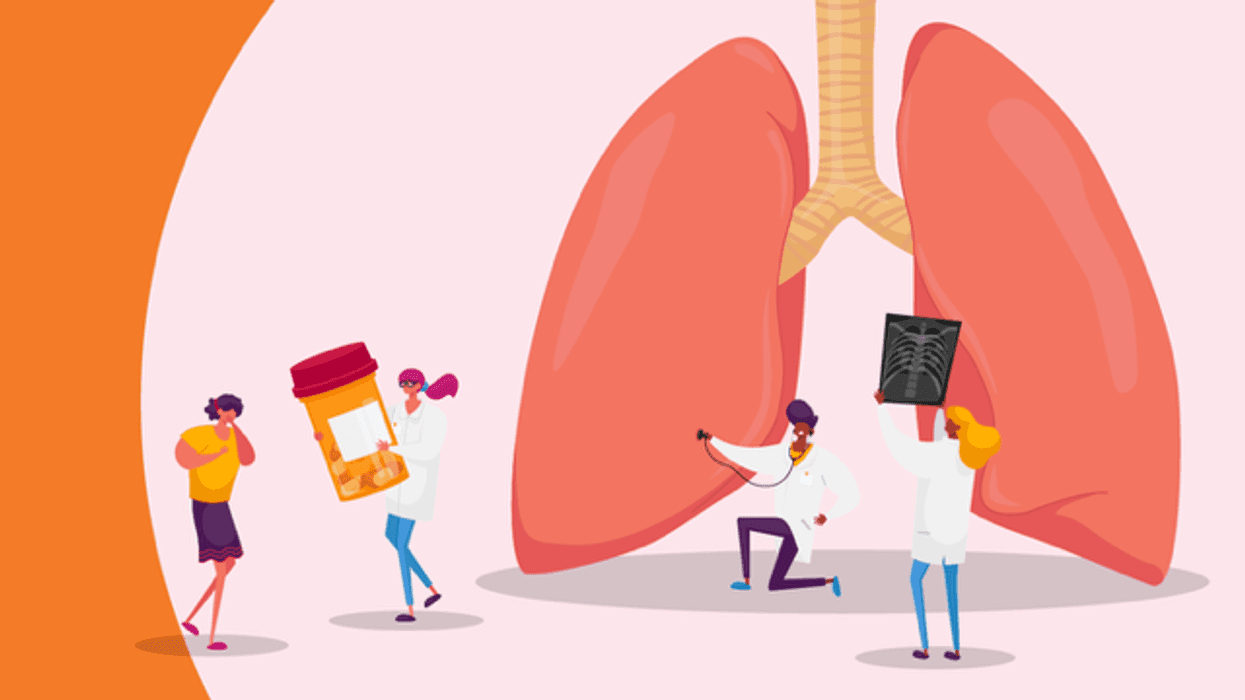
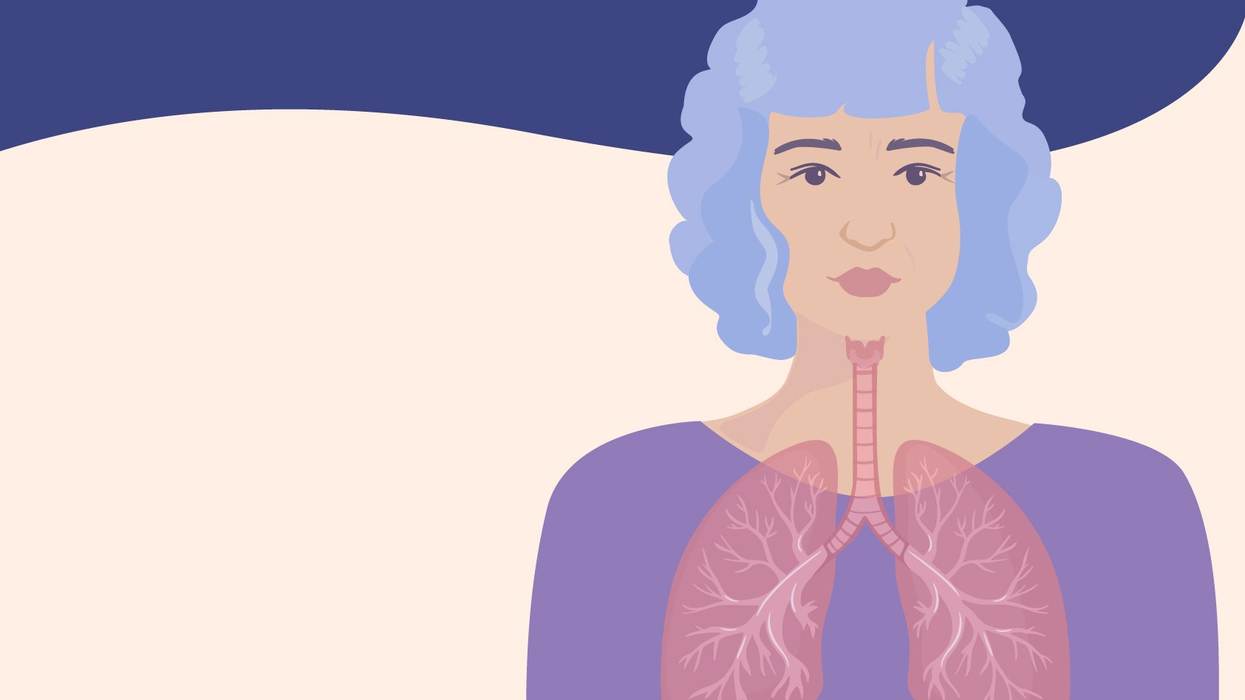
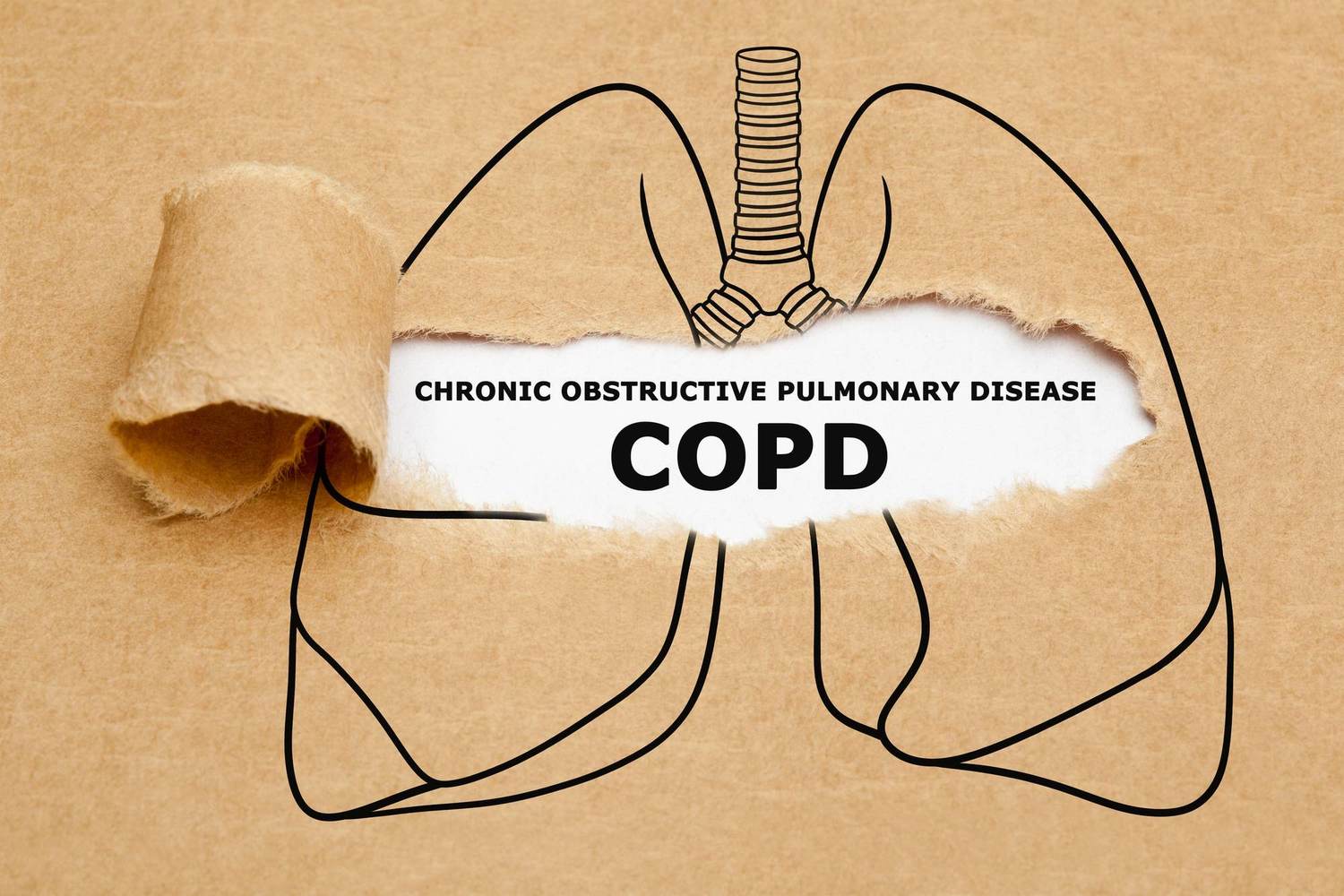
COPD, or chronic obstructive pulmonary disease, is a progressive lung condition that causes inflammation of the airways, making it hard to breathe.
COPD is the 5th leading cause of death in the U.S.
COPD in Rural Areas
1 in 12 of people in rural areas have COPD compared to 1 in 20 in urban areas.
Compared to people who live in cities, people in rural areas are:
- 2x as likely to have COPD
- More likely to go to the hospital for COPD
- More likely to die from COPD
Why COPD Is Worse in Rural Areas
People in rural areas:
- Are more likely to smoke
- Have fewer stop-smoking programs
- Are more likely to work in industries that expose them to pollutants
- Live with more indoor pollution from burning wood or coal for heating or cooking
- Have more medical problems that can make COPD worse
- Have less money to afford medications to treat COPD
- Are more likely to not have health insurance
- Have less access to healthcare, including specialists who treat COPD
- May have more trouble getting diagnosed and treated for COPD
How to Manage COPD in Rural America
- Track disease progression and symptoms to know if they’re getting worse
- Use that information as an early warning and get to care
- Use telehealth for:
- Remote monitoring to track symptoms, trends and triggers
- Digital pulmonary rehab to learn strategies
- Routine and time-sensitive care
- Line up transportation in advance
- Insurance may cover transportation or local nonprofits may help
- Medicaid is required to pay for non-emergency medical transportation
- Make a COPD Action Plan with:
- Your medicines
- How to know it’s time to seek care
- How to reach your clinician
- Transportation options
- Make lifestyle choices that keep COPD from getting worse
- Quit smoking
- Exercise for strength and stamina
- Eat nutritious foods
- Avoid irritants like dust and pollen
- Get good sleep
- Get vaccinated to prevent infections that make COPD worse
- Advocate for yourself
- You may have to look harder or travel farther for a lung specialist.
- Most health insurance (including the VA and Medicaid) have to offer specialists within a certain travel time or distance. If they don’t, you can get an exception to see someone out of the insurance network (but you have to request it).
- Find free or lower-cost care from rural and federally qualified health centers.
Remember: You ALWAYS have the right to emergency care.
Resources
American Lung Association – My COPD Action Plan
COPD Action Alliance – Veterans and COPD
COPD Foundation – My COPD Action Plan
This educational resource was created with support from Chiesi, Sanofi and Regeneron.





Stories We Love
1
FAQs About COPD
Jul 27, 2026
2

How Air Quality Affects COPD
Apr 09, 2026
3
Freedom to Breathe: Disparities and COPD
Dec 04, 2024
4
Ask the Expert: Questions and Answers About COPD
Jun 23, 2026
5
COPD 101
May 14, 2024
6

Got Questions About COPD? We’ve Got Answers.
Sep 17, 2026
Support Our Mission
Keep Trusted Women’s Health Information Free
Your donation ensures every woman continues to have access to credible health content.
More Stories



Everything you need to know about women’s health — in one place.