
Search
Latest Stories


Newsletter Sign-Up
Newsletter
Chronic obstructive pulmonary disease (COPD) has long been thought of as a condition that men have — particularly men who smoke. Right now, you might be picturing an old-time photo of a coal miner or a man in his 70s who’s been a lifelong heavy smoker.
In reality, women and people assigned female at birth are not only more likely to develop COPD, but are at an increased risk of death from COPD compared to men.
According to the American Lung Association, millions of people are living with COPD and don’t know they have it.
Here’s what you need to know about COPD, including why and how it affects women differently, factors that increase the risk for COPD and how this lung condition can be managed.
What is COPD?
COPD is a chronic lung condition that means your lung tissue and airways have become damaged, making breathing more difficult.
Two main conditions fall under the COPD umbrella:
- Chronic bronchitis, where the breathing tubes narrow as a result of inflammation and scarring, making it harder to breathe air out (exhale).
- Emphysema, where there’s damage to the tiny air sacs in the lungs, making it harder to breathe air in (inhale).
COPD is the leading cause of death in the U.S. for women who smoke. But out of every five nonsmokers who have COPD, four of them are women.
How does COPD affect women compared to men?
While it’s not yet clear why exactly COPD affects women differently, some reasons may be related to hormones — specifically estrogen — and even biological differences. Women tend to have smaller lungs than men, which can increase the likelihood of airway damage from irritants.
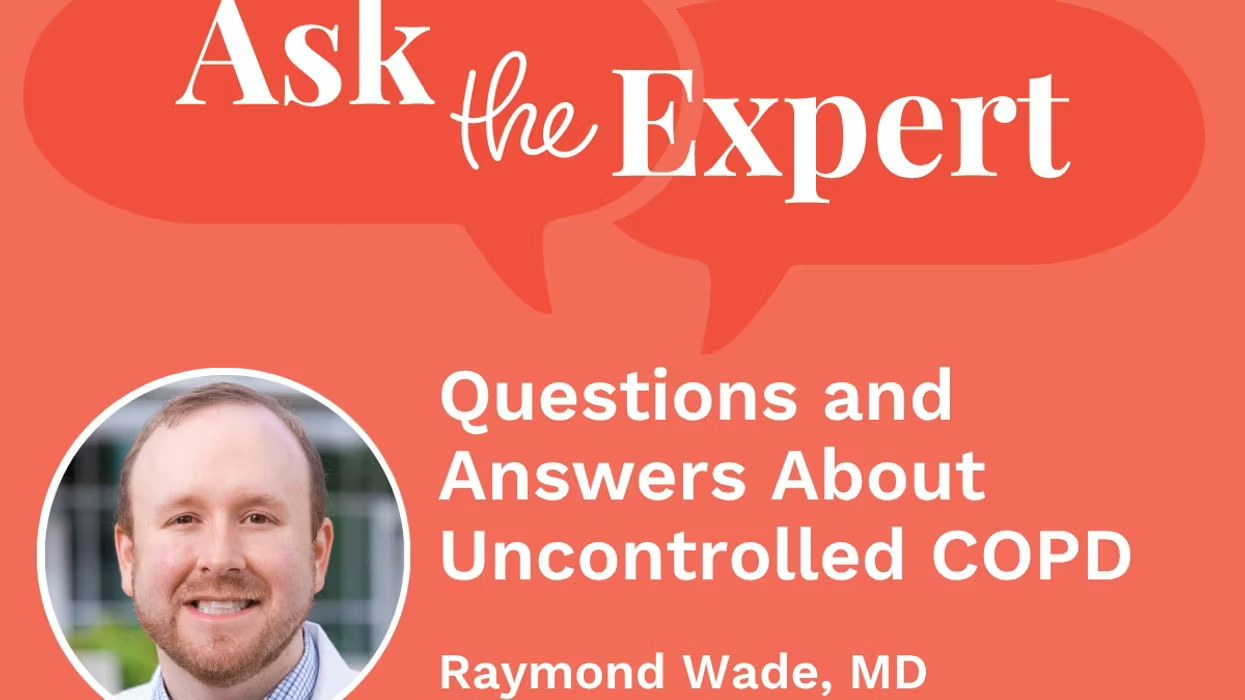
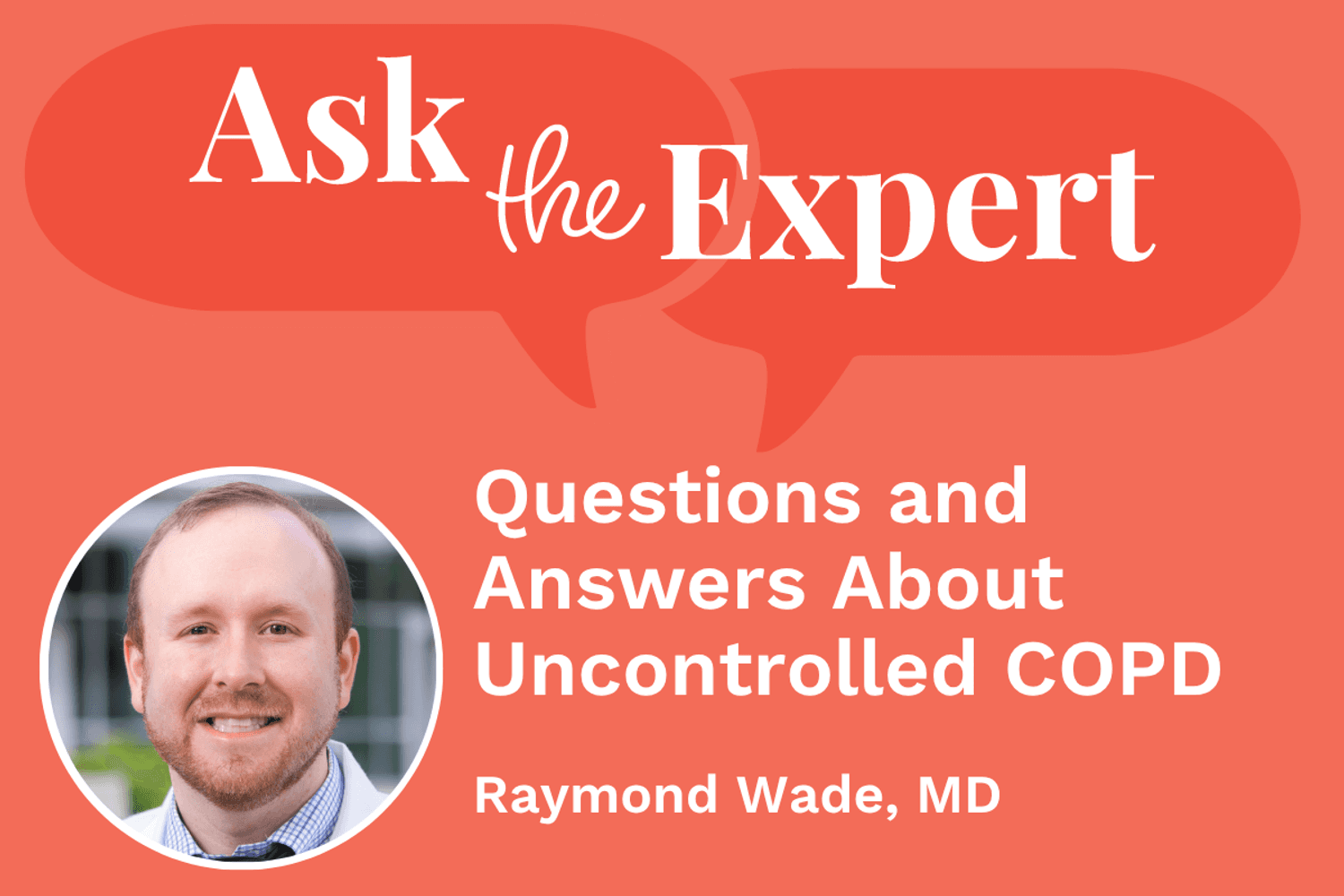
“Women with COPD tend to feel more shortness of breath and produce less phlegm than men, and they often develop symptoms at a younger age and with less smoking exposure,” explained Jamie Garfield, M.D., professor of thoracic medicine and surgery at Temple Lung Center in Philadelphia, Pennsylvania.
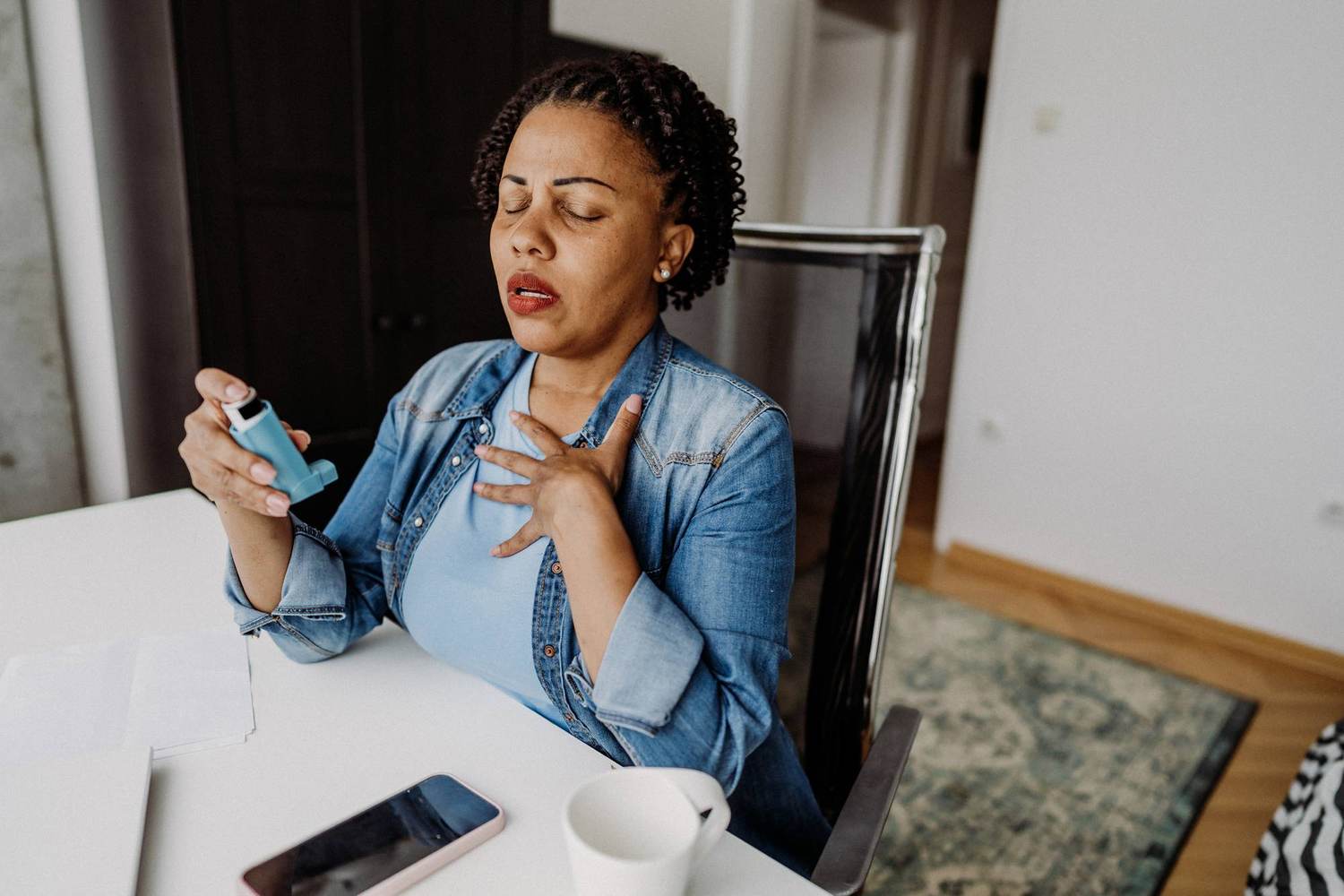
Some common symptoms might include shortness of breath, a cough that doesn’t go away, wheezing, or chest tightness and fatigue.
Garfield said you shouldn’t ignore these symptoms or dismiss them as being caused by being out of shape or just a part of getting older. Diagnosing COPD involves a breathing test called spirometry. It’s a simple test, but often clinicians don’t order it for women, leaving them to be misdiagnosed or diagnosed late.
What childhood factors predispose you to develop COPD?
Asthma is a risk factor for developing COPD. If you have asthma, it doesn’t mean you’ll develop COPD. But if your childhood asthma wasn’t well-controlled, it can cause lung damage, which can lead to COPD.
In addition to asthma, the risk of COPD increases in people who’ve had a history of certain childhood conditions, such as frequent or severe respiratory infections, and concerns at birth, like prematurity or intrauterine growth restriction (IUGR). These factors can cause the lungs to not develop as they should.
How do genetics play a role in COPD?
One genetic condition that has been linked to your COPD risk is called alpha-1 antitrypsin (AAT) deficiency. This deficiency is sometimes referred to as “genetic COPD.” AAT is a protein that protects the lungs from damage, but people with a variant on the SERPINA1 gene can have lower levels of AAT.
Just because you have this genetic variant doesn’t necessarily mean you’ll have AAT deficiency, but it does increase the risk of developing lung conditions like COPD. If you smoke, that increases the risk further.
Other than smoking, what other factors increase COPD risk?
While smoking is still a main risk factor for COPD — even in women — other factors can increase the risk, including:
- Asthma
- Indoor and outdoor air pollution
- Secondhand smoke
- Workplace exposures to things such as concrete dust, fumes, gases and vapors
“If you have asthma or any of these exposures, don't assume you're safe just because you never smoked,” said Garfield. “Ask whether pulmonary function testing is appropriate.”
Why loss of lung function matters
COPD can cause lung function to decline over time, making it harder to breathe and stay active. But changes in lung function don’t always happen at the same rate for everyone. COPD flare-ups or exacerbations directly impact how well your lungs work and contribute to a faster decline in lung function. The more frequent and severe a flare-up is, the more permanent the lung damage that is caused.
COPD damages the airways and reduces the lungs’ ability to clear out particles and protect against illness, explained Garfield. “In someone whose lung reserve is already reduced, an infection can trigger an exacerbation that lands them in the hospital and carries a high risk of serious complications.” People with COPD are at a higher risk of pneumonia compared to those without COPD.
It’s important to get any lung infection treated right away. And staying up to date on vaccinations that protect against infections that affect the respiratory system, like influenza, Covid, pneumonia and respiratory syncytial virus (RSV), can help lower your risk of serious disease from those viruses.
How can you improve COPD and COPD symptoms?
If you smoke, the first thing you can do is take steps to quit. Quitting smoking won’t make COPD go away, but it can drastically help your symptoms. Women also have more symptom improvement than men one year after quitting smoking.
Besides ditching smoking, pulmonary rehabilitation can help keep COPD manageable. Pulmonary rehab is a supervised medical program of personalized exercise training and education that helps people with COPD and other chronic lung conditions. The program also teaches people living with COPD how to manage their condition at home. “It’s the single most effective way to improve breathlessness, exercise ability, quality of life, and even anxiety and depression in COPD,” explained Garfield.
“When started right after a hospitalization, [pulmonary rehab] also reduces the chance of being readmitted and improves survival — yet fewer than 5% of eligible patients receive it,” said Garfield.
Take charge of your health, know what’s normal for you and keep your clinician informed of your health history. Report any concerning changes or increases in your symptoms right away. COPD doesn’t go away, but prompt diagnosis and treatment can help keep your COPD manageable so you can live and breathe better with your condition.
This educational resource was created with support from Sanofi and Regeneron.






Popular
1
2
What Is Chronic Spontaneous Urticaria (CSU)?
Jun 29, 2026
3
¿Qué es la urticaria crónica espontánea (UCE)?
Jun 29, 2026
4
Metabolic Syndrome 101
Sep 28, 2026
5
Comic: Edna Gets an Endoscopy
Aug 05, 2026
6
Historieta: Edna se hace una endoscopía
Aug 05, 2026
Support Our Mission
Keep Trusted Women’s Health Information Free
Your donation ensures every woman continues to have access to credible health content.More Stories


Everything you need to know about women’s health — in one place.