What Is It?
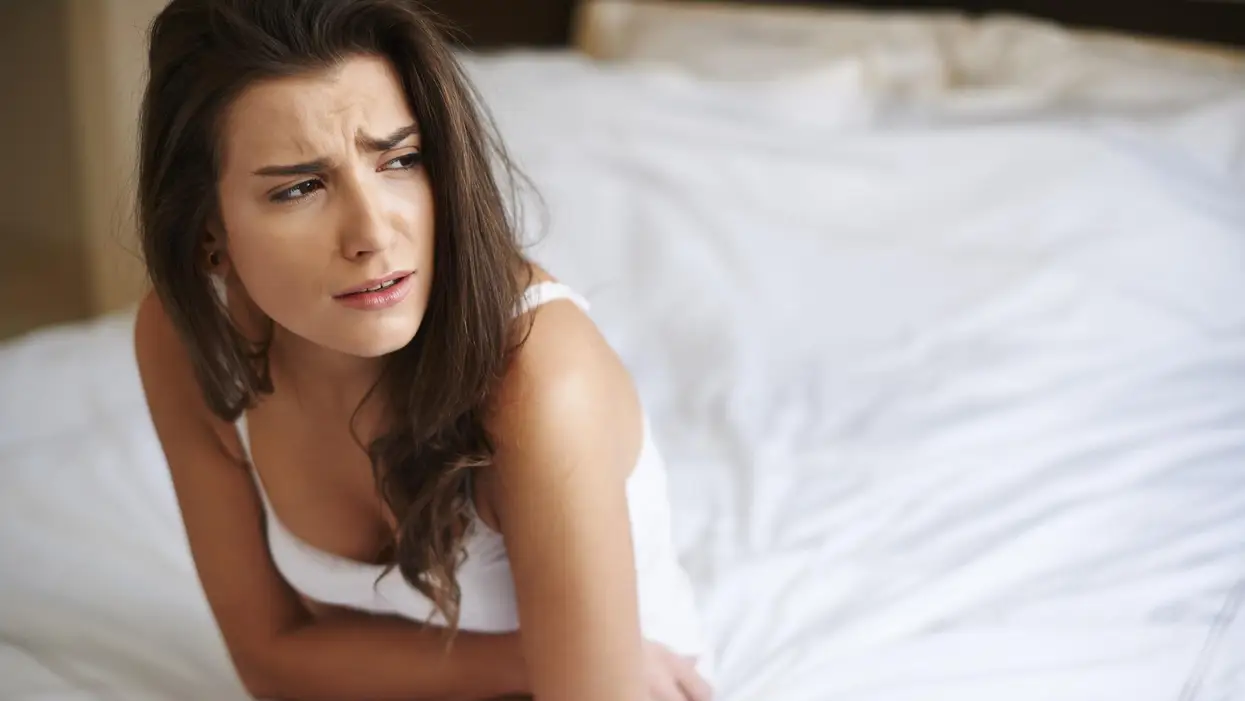
Chronic pelvic pain (CPP) is characterized by pain in the lower abdomen and pelvic area that has been present for at least six months. Sometimes the pain may travel downward into the legs or around to the lower back. The pain may be felt all of the time or it may come and go, perhaps recurring or intensifying each month with your menstrual period.
In either case, the pain is felt internally, not externally as in another common pain disorder in women called vulvodynia. In vulvodynia (or burning vulva syndrome), the external genital area stings, itches, becomes irritated or hurts when any kind of pressure, from tight clothing to intercourse, is experienced. Chronic pelvic pain and vulvodynia sometimes occur together.
Chronic Pelvic Pain Syndrome
Unrelieved, unrelenting pelvic pain may affect your sense of well-being, as well as your work, recreation and personal relationships. You may begin to limit your physical activities and show signs of depression (including sleep problems, eating disorders and constipation), and your sex life and role in the family may change.
When pelvic pain leads to such emotional and behavioral changes, the International Pelvic Pain Society (IPPS) calls the condition "chronic pelvic pain syndrome" and says that the "pain itself has become the disease." In other words, the pain is more of a problem than the original cause. In fact, a medical examination may find nothing physically wrong with the area that hurts. Nonetheless, the nerve signals in that area continue to fire off pain messages to the brain, and you continue to hurt.
Causes of Chronic Pelvic Pain
There are two kinds of pain. Acute pain typically occurs with an injury, illness or infection. A warning signal that something is wrong, it lasts only as long as it takes for the injured tissue to recover. In contrast, chronic pain lasts long after recovery from the initial injury or infection and is often associated with a chronic disorder or underlying condition.
Endometriosis
The most common cause of pelvic pain is endometriosis, in which pieces of the lining of the uterus attach to other organs or structures within the abdomen and grow outside the uterus. In practices specializing in the treatment of endometriosis, a significant number of patients with CPP are diagnosed with endometriosis. Two disorders that sometimes accompany endometriosis and are also linked to CPP are adhesions (scar tissue resulting from previous abdominal or pelvic surgery) and fibroids (benign, smooth muscle tumors that grow inside, in the wall of, or on the surface of the uterus). Fibroids often occur in the absence of endometriosis, without any pain at all, and are not a common source of chronic pelvic pain.
Pelvic Inflammatory Disease (PID)
Another common cause of CPP is pelvic inflammatory disease (PID). PID is one of the most common gynecologic conditions, usually related to a sexually transmitted disease. However, many women recuperate fully from STD-related PID, and we don't know exactly why PID sometimes leads to CPP.
One of the most common contributors to pelvic pain is dysfunction of the pelvic floor and hip muscles. This problem often accompanies pain originating from the reproductive organs but can occur on its own or persist after other sources are successfully treated.
Other Causes of Chronic Pelvic Pain
Other causes of CPP are diagnosed more frequently by other kinds of clinical care specialists, such as urologists, gastroenterologists, neurologists, orthopedic surgeons, psychiatrists and pain management physicians. They include diseases of the urinary tract or bowel as well as hernias, slipped discs, drug abuse, fibromyalgia and psychological problems.
In fact, many women with CPP collect a different diagnosis from each specialist they see. What is going on here? It is likely that CPP represents a general abnormality in the way the nervous system processes pain signals from the pelvic nerves, producing pain that involves the genital organs, the bladder, the intestine, pelvic and hip muscles and the wall of the abdomen, as well as pain involving the back and legs.
Characteristics of Pelvic Pain Patients
Despite the number of possible causes, many women with chronic pelvic pain receive no diagnosis. These are often the women who make the rounds of various specialists seeking relief, only to be told the pain is "all in their heads." They may also be subjected to multiple tests or even unnecessary surgery. These women may feel that the pain is somehow their fault, when, in fact, the lack of a diagnosis represents the limitations of medical science.
Simply put, there is no simple answer to the question, "What causes chronic pelvic pain?" and no "typical patient." Still, a woman with pelvic pain is more likely to:
- have been sexually or physically abused
- have a history of drug and alcohol abuse
- have sexual dysfunction
- have a mother or sister with chronic pelvic pain
- have history of pelvic inflammatory disease (PID)
- have had abdominal or pelvic surgery or radiation therapy
- have previous or current diagnosis of depression
- have a structural abnormality of the uterus, cervix or vagina
- be of reproductive age, especially aged 26 to 30 years.
Some of these, like family history, surgery and PID, are obvious risk factors; others (drug abuse, depression) may be risk factors or may result from having chronic pain.
Impact of Chronic Pelvic Pain
An estimated 4 to 25 percent of women have chronic pelvic pain, but only about a third of them seek medical care. It is also one of the most common reasons American women see a physician, accounting for 10 percent of gynecologic office visits, up to 40 percent of laparoscopies and 20 percent of hysterectomies in the United States.
The cost to the patient is also enormous. Studies and surveys show that a quarter of affected women are incapacitated by pain two to three days each month. More than twice that many are forced to curtail their normal activities one or two days each month. Many women with chronic pelvic pain have pain during intercourse, and some have significant emotional changes. For many, the pain and underlying conditions lead to fertility problems, just at the age when they want children.