Psoriatic Arthritis 101
Understanding this autoimmune disease may help you manage it

September 28, 2026, is Psoriatic Arthritis Awareness Day.
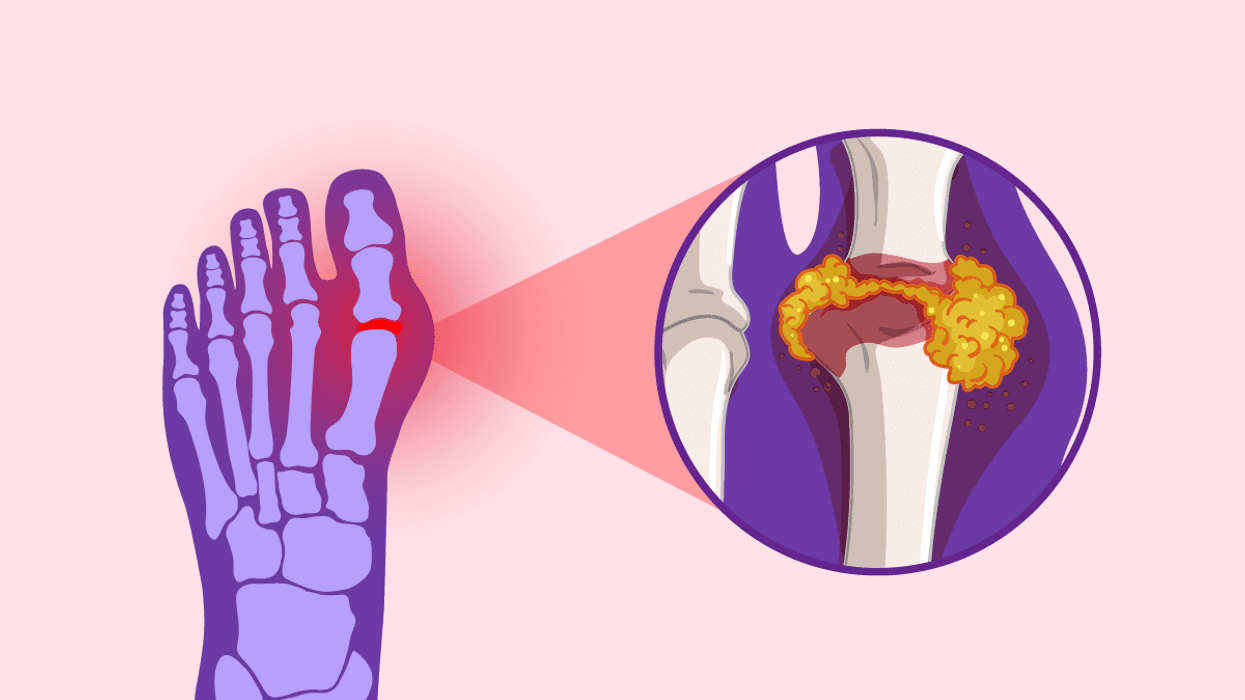
If you’ve heard of psoriasis, you probably know it as a skin disease that causes a red, itchy rash. But the inflammation linked to psoriasis can also affect your joints, leading to a disease called psoriatic arthritis (PsA).
Roughly 1 in 3 people with psoriasis also has PsA. Although men are as likely as women to be diagnosed with the disease, women have a harder time with pain, disability and overall quality of life as a result.
Understanding PsA, including what it looks like and how it’s treated, may help you live more comfortably with the condition.
Researchers don’t know what causes PsA, although your genes may play a part. About 2 out of 5 people with PsA have at least one close family member who also has PsA or psoriasis.
If you are already at genetic risk of developing PsA, it’s possible something in your environment (like an injury or infection) could trigger the disease.
For people living with psoriasis, where psoriasis shows up can be a risk factor for PsA. For example, people with scalp psoriasis are nearly four times more likely to have PsA than people who don’t have scalp psoriasis. And people with nail psoriasis are three times more likely to develop the disease.
Like psoriasis, PsA is an autoimmune disease. Normally, the immune system defends our bodies against “intruders” like bacteria and viruses by triggering reactions like inflammation designed to protect us.
With an autoimmune disease, the immune system mistakenly thinks a healthy part of the body is an intruder. Inflammation becomes harmful instead of protective because the body is essentially attacking itself. In the case of PsA, this inflammation affects your joints and skin.
PsA is often unpredictable. The disease can come on gradually or all at once, and symptoms may range from barely noticeable to debilitating. These symptoms include:
PsA usually develops after psoriasis, but sometimes joint issues appear first. Symptoms to look out for include Achilles pain, plantar fasciitis and joint stiffness in the morning that gets better as you move around.
Joints and skin aren’t the only parts of your body affected by PsA. People with this disease may be at higher risk of developing other health problems. These include:
Even if it’s only your joints that are affected, PsA can take a toll on your well-being. Pain, swelling and stiffness can make even the simplest tasks a struggle — and seriously lower your quality of life.
Either your primary care clinician or a rheumatologist (joint specialist) can help you with a PsA diagnosis. They’ll talk to you about your symptoms and ask you about any family history of the disease.
Next, they’ll likely use some combination of the following tools:
The sooner PsA is caught, the better. Early diagnosis of PsA can keep the disease from getting worse and prevent irreversible damage.
Once you’ve been diagnosed with PsA, you have many options for treatment. Some of them are:
Which medicine is right for you will depend on your unique circumstances, including your symptoms, lifestyle and other health conditions.
Your clinician will go over your options and help you create a treatment plan.
As you navigate your journey with PsA, you can take steps to make the road a little less bumpy. Consider making these self-care strategies a part of your routine to support your physical and mental health.
Sometimes self-care means admitting you can’t do it all yourself. While it may be tempting to hide your PsA struggles from your friends and family — maybe because you don’t want to worry or inconvenience them or because you feel like you should just tough it out — don’t be afraid to ask for help.
Trust that the people who care about you want to know what’s going on with you and will help in any way they can. All you have to do is ask.
Scientists haven’t yet found a cure for psoriatic arthritis, but that doesn’t mean this chronic disease needs to control your life.
If you’re dealing with symptoms that you think could be PsA, reach out to your regular clinician or a rheumatologist. They can help you with a diagnosis and, together, you can decide on a treatment plan.
With a combination of medication and self-care — along with the support of your community — you should be able to manage your PsA and keep living the life you love.
This educational resource was created with support from Merck and Takeda.











Support Our Mission