
Search
Latest Stories

Newsletter Sign-Up
Newsletter

Jessi Macdonald was scrolling through social media when she saw a post about GLP-1 medications and an increased risk of vision loss.
“I called my doctor right away,” she said. Macdonald is one of the close to 21 million women in the U.S. taking a GLP-1. She said the weight loss medication has changed her life, and she didn’t want to stop taking it. But the headline gave her pause.
In early November, the Food and Drug Administration (FDA) announced it was requiring all manufacturers of GLP-1s to add the potential increased risk of nonarteritic anterior ischemic optic neuropathy (NAION) — an eye condition that causes vision loss — to the warning labels on the medications.
So should you be concerned about your eye health if you’re taking a GLP-1? Here’s what you need to know about NAION and what to keep in mind regarding your eye health and GLP-1s.
What is NAION?
Nonarteritic anterior ischemic optic neuropathy (NAION) is an eye condition that causes painless, sudden vision loss in one eye.
NAION happens when there’s a sudden blockage or reduction of blood flow to the front part of the optic nerve, also known as the optic disk. “It's basically having a small stroke in the eye,” said Karen Allison M.D., associate professor of ophthalmology at the University of Rochester Flaum Eye Institute and board member of the Prevent Blindness organization.
NAION happens without warning — most people notice the change after waking up in the morning — and the vision loss is usually permanent.
The good news is that NAION is a rare condition. “The risk is low — it doesn’t matter if you take a GLP-1 or not,” Allison said. “The risk is highest in people who have underlying vascular risk factors such as diabetes, hypertension, sleep apnea, a crowded optic disc and are of older age.”
What led to the NAION warning on GLP-1 medications?
The FDA recently analyzed several studies to look at the association between NAION and GLP-1 medications.
A meta-analysis of 126 trials found that people who were prescribed the GLP-1 semaglutide for Type 2 diabetes or obesity showed potential increased risk for NAION compared to the people who took different antidiabetic or weight loss medications. The estimated rate was 6.4 cases per 100,000 people taking a GLP-1 drug compared to 3.8 cases for people taking a placebo or non-GLP-1 diabetes medication.
Another study, a 2025 analysis of 37.1 million people with Type 2 diabetes, also found an increased risk associated with taking the GLP-1 semaglutide compared to other glucose-lowering medications.
But the key word in the research is association. “The association is concerning enough that it warrants further study, obviously, but it's important that we stress that an association does not necessarily prove causation,” Allison said. “Researchers are still trying to determine if the medication contributes to NAION or is it because of the underlying conditions. The FDA warning is just to let people be aware of the association.”
Outside of NAION, some studies have found an association between GLP-1s and eye conditions such as worsening diabetic retinopathy, macular edema, vitreous hemorrhages and changes in vision, but research is ongoing as to the effect GLP-1s may have on eye health.
GLP-1s and eye health
We do know that GLP-1 medications are mainly prescribed for people living with Type 2 diabetes and obesity, and both conditions can affect eye health.
For people with Type 2 diabetes, high blood sugar levels can damage the tissues and blood vessels in the eyes and cause vision loss. In fact, diabetes is the leading cause of blindness for people ages 18 to 64.
When it comes to obesity, Allison noted that people living with the disease are at increased risk for diabetes and other conditions like hypertension and sleep apnea — all of which can affect the vascular system and cause eye damage.
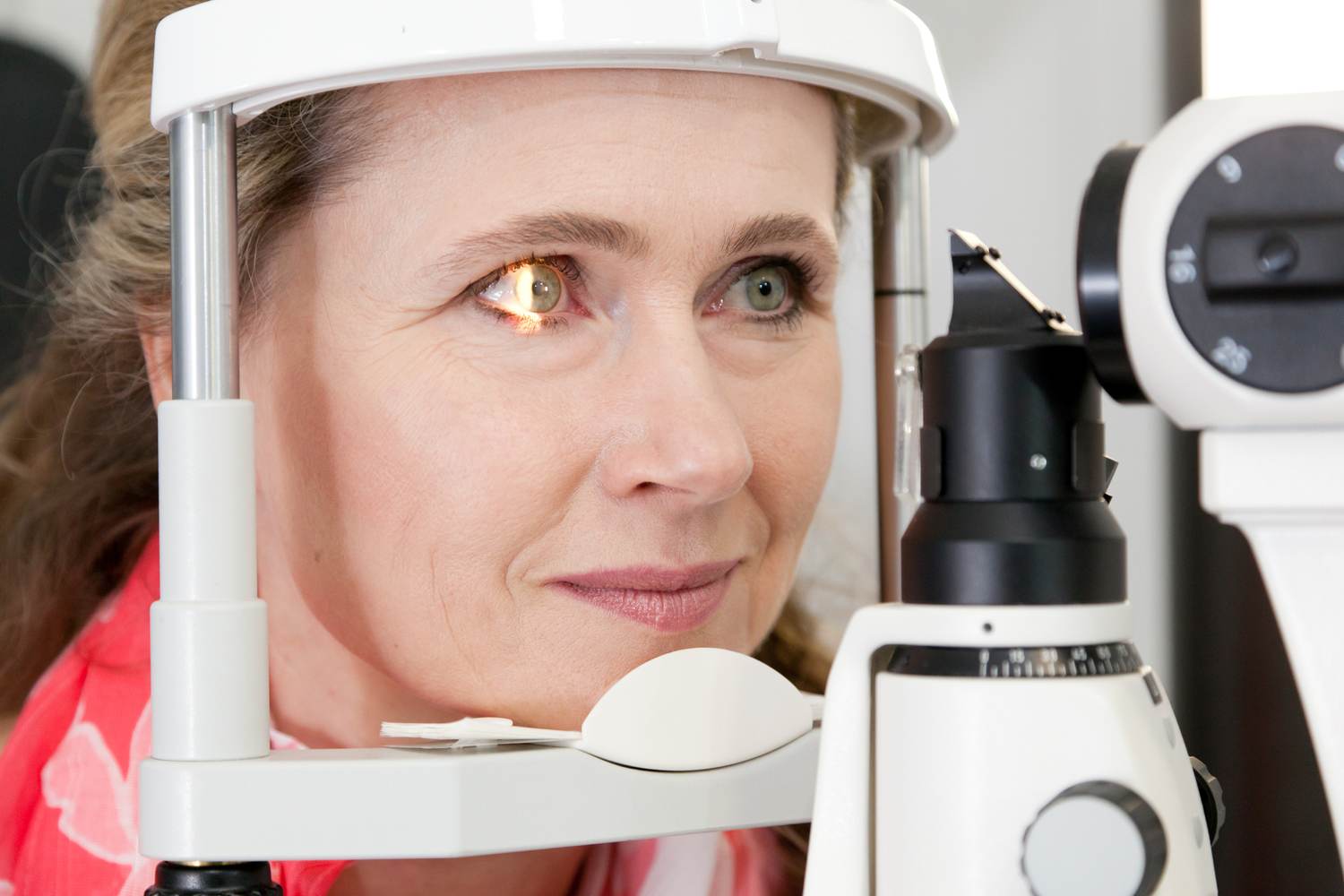
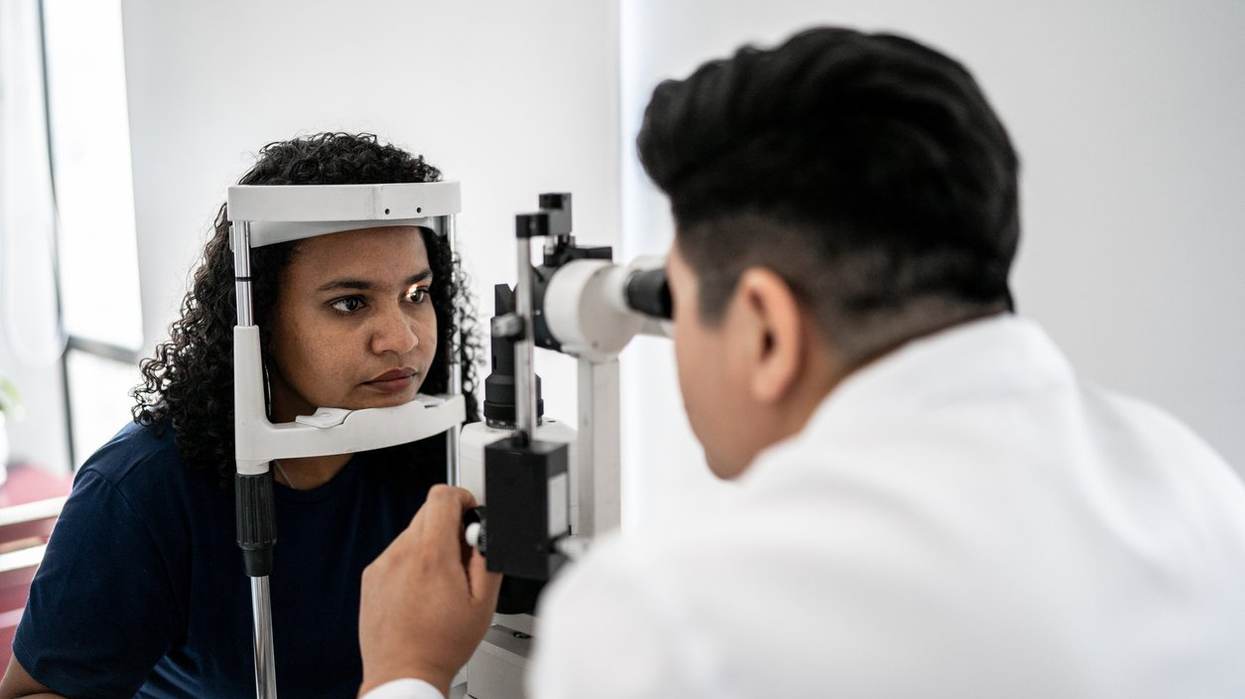
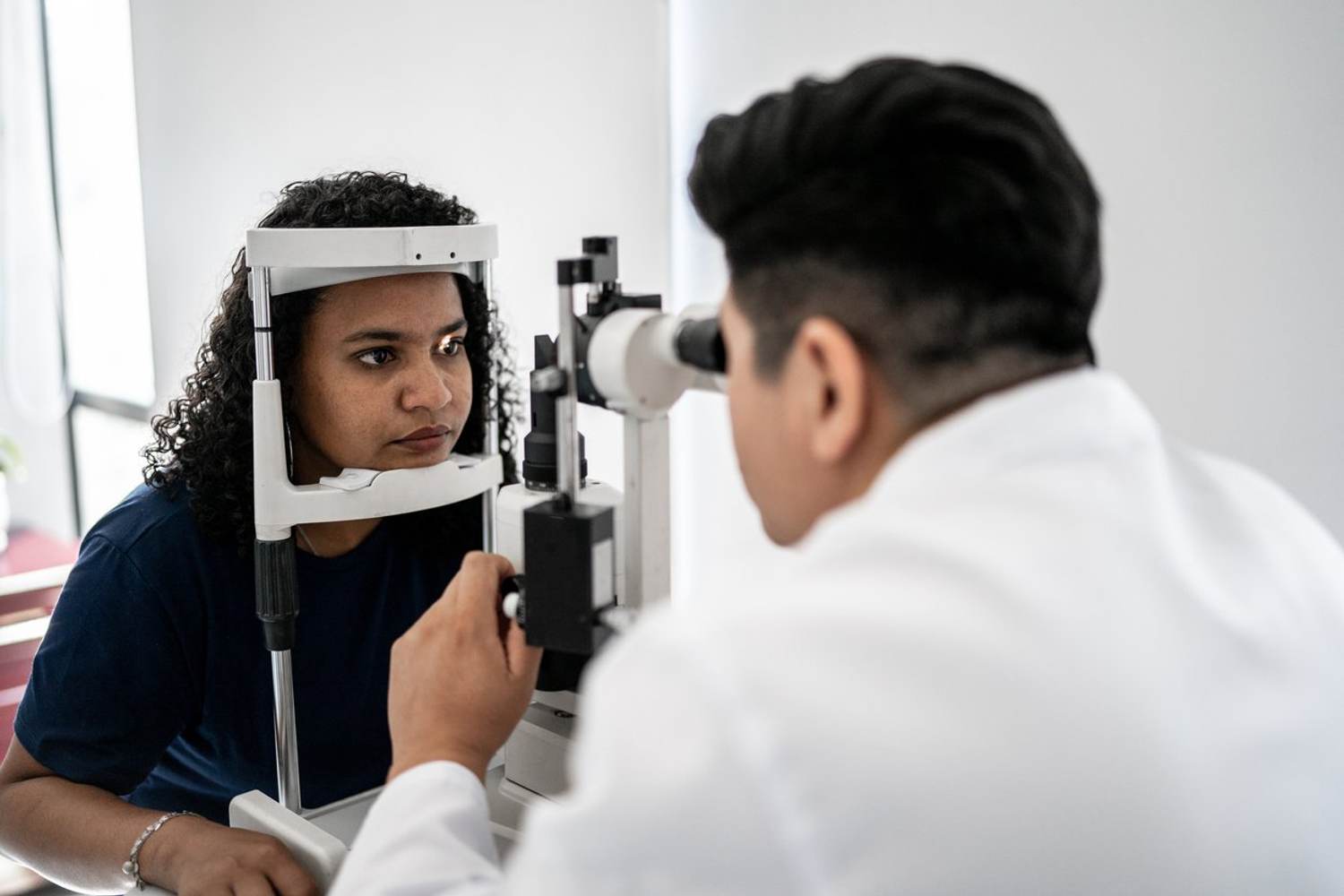
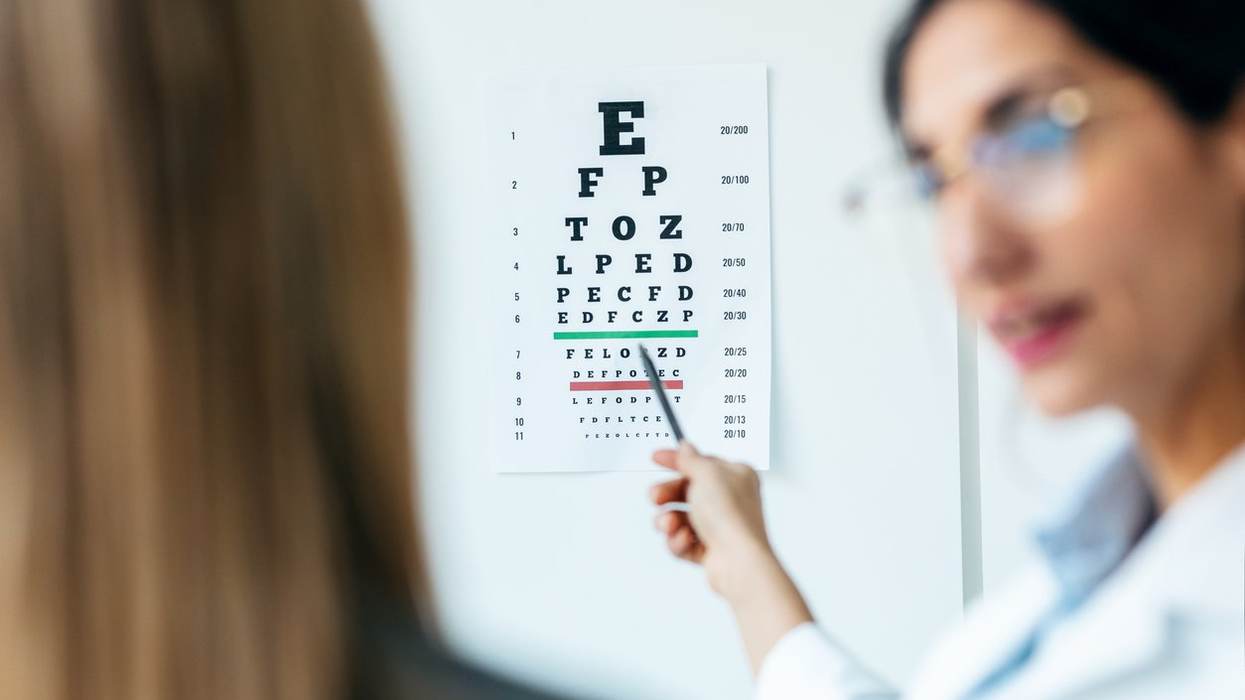
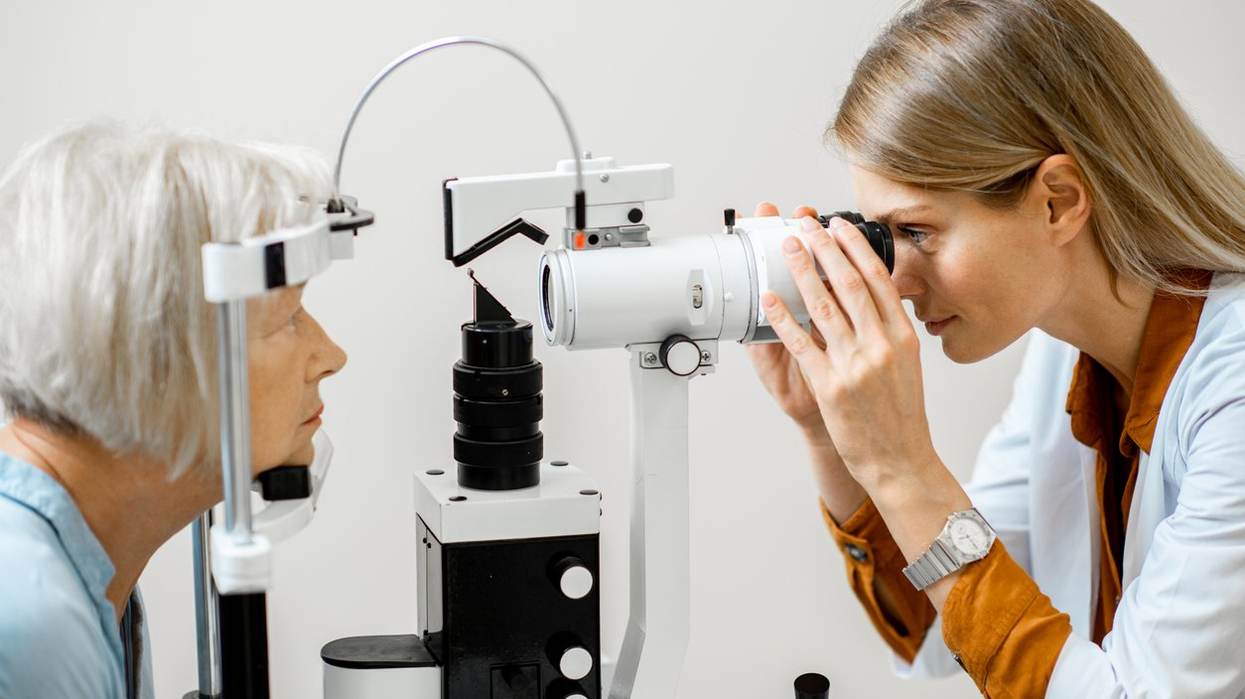
So, if you have diabetes or obesity or another condition that GLP-1 medications are prescribed for, it’s important to get an eye exam at least once a year to look for any problems.
A comprehensive eye exam can also show if you have a crowded optic disc, also known as a “disk at risk,” which can increase the risk for NAION. “Because there are no symptoms of NAION, you want to get proactive treatment or evaluation,” Allison said.
For most people, taking a GLP-1 medication helps treat underlying causes that are harmful to eye health. But how GLP-1s may affect eye health long-term is still being studied. “We don’t want people to be afraid and not take GLP-1 medications, but it’s very important for people to know if they have any changes to get their vision checked right away,” Allison said.










Support Our Mission
Keep Trusted Women’s Health Information Free
Your donation ensures every woman continues to have access to credible health content.
More Stories





Everything you need to know about women’s health — in one place.