
Search
Latest Stories
Newsletter Sign-Up
Newsletter
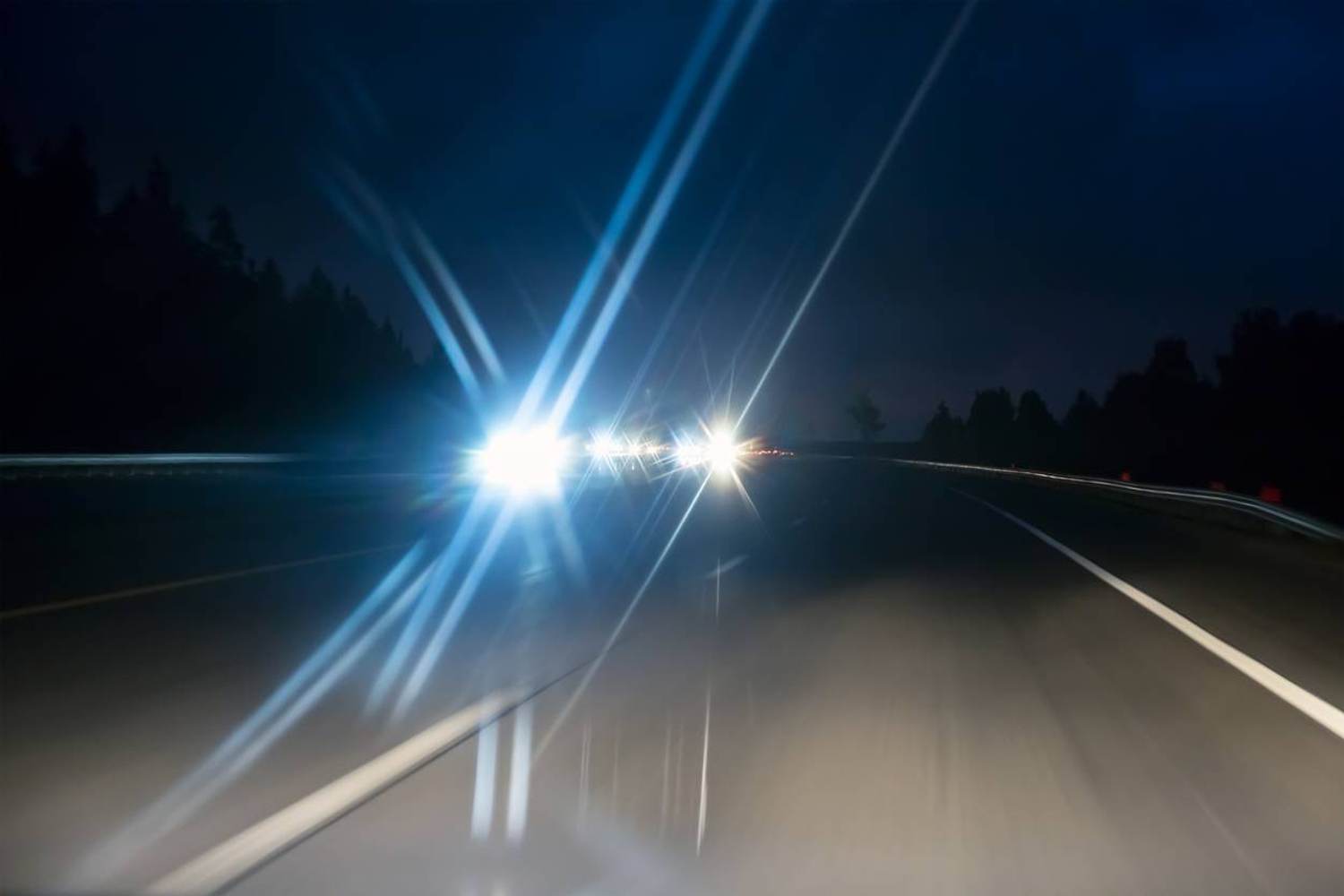
Picture this: It’s Friday night and you have plans to meet your BFF for dinner. You opt for a ride share, get in the car and notice the lights are glaringly bright — beams extending up and out from passing headlights — making it hard to see.
If this sounds familiar, you could be experiencing dim light disturbances (DLD), formerly known as night vision disturbances or night blindness.
People with DLD can see fine during the day or in well-lit areas but have difficulty seeing clearly in low lighting. DLD can have a serious impact on quality of life, but new hope is on the horizon.
What are dim light disturbances?
Dim light disturbances refer to a wide range of symptoms that affect the quality of vision in darker environments.
Symptoms can include:
- Seeing halos surrounding light sources
- Monocular diplopia (double vision)
- Blurriness
- Starbursts — streaks or rays surrounding a light source
- Glare disability — reduced vision because of the intense light
How does the eye adjust for dim light?
Your eyes are always adjusting to help you see — even in the dark.
The iris — the colored part of your eye that surrounds the pupil — regulates the size of your pupil and manages how much light enters the eye.
When it’s dark, your pupils get bigger to let more light in so you can see.
For people with DLD, the larger pupil size makes flaws in the lens or cornea of the eye worse, which leads to symptoms like light scattering and distorted images.
What are the causes of dim light disturbances?
Dim light disturbances are a side effect of a health condition or eye surgery.
Causes of DLD can include:
- Keratorefractive surgery (e.g., LASIK, PRK, SMILE)
- Keratoconus, an eye condition that changes the shape of the cornea
- Cataracts
- Dry eye disease
- Corneal scars
For some people, DLD can last for months or years following a common surgery like LASIK.
Treatments for dim light disturbance
There are currently no FDA-approved treatments for DLD. But there are promising developments on the horizon.
Researchers are looking at phentolamine ophthalmic solution eyedrops to help improve DLD symptoms. The eyedrops help keep the pupil smaller to block out unfocused rays of light for clearer vision. So far, the research has shown promising results, including an increase in vision and overall decrease in glare disability, halos and startbursts in people with DLD.
Accommodations for dim light disturbance
There are some accommodations people can make to help with DLD:
- Get your annual eye exam and update any prescriptions
- If you wear glasses, try antireflective coatings to reduce glare
- Get treated for any health conditions like dry eye that may be affecting your vision
- Add more lights around your home
- Dim your dashboard lights to reduce glare when driving
- Stick to familiar streets and well-lit roads when driving
See your healthcare provider about your night vision
Dim light disturbances can have a negative impact on vision, which can be especially dangerous when driving at night.
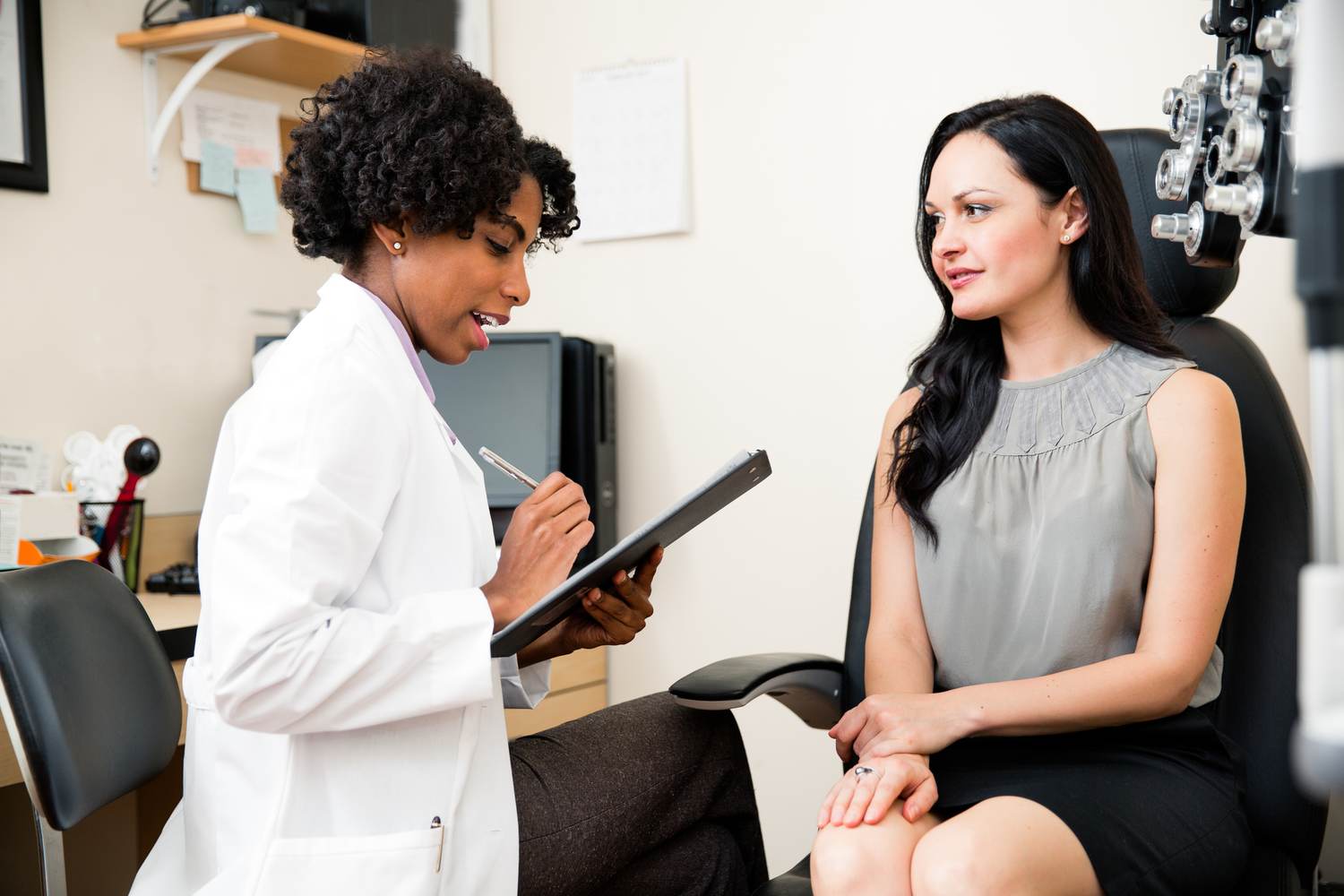
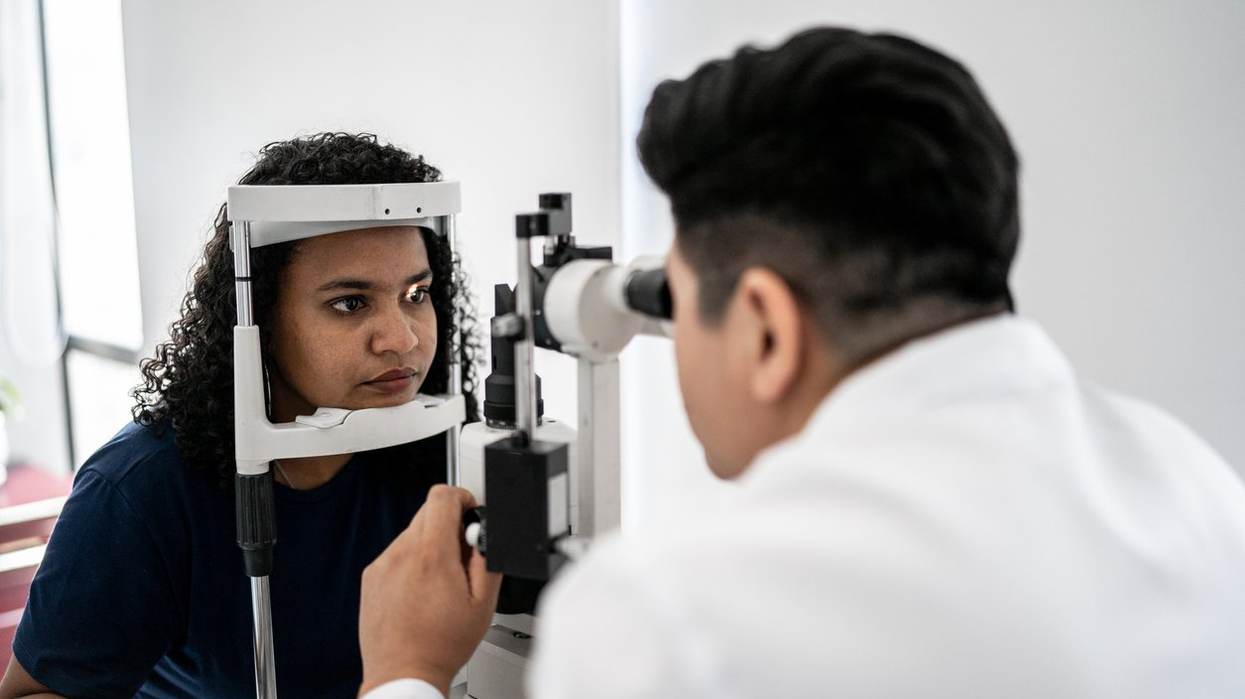
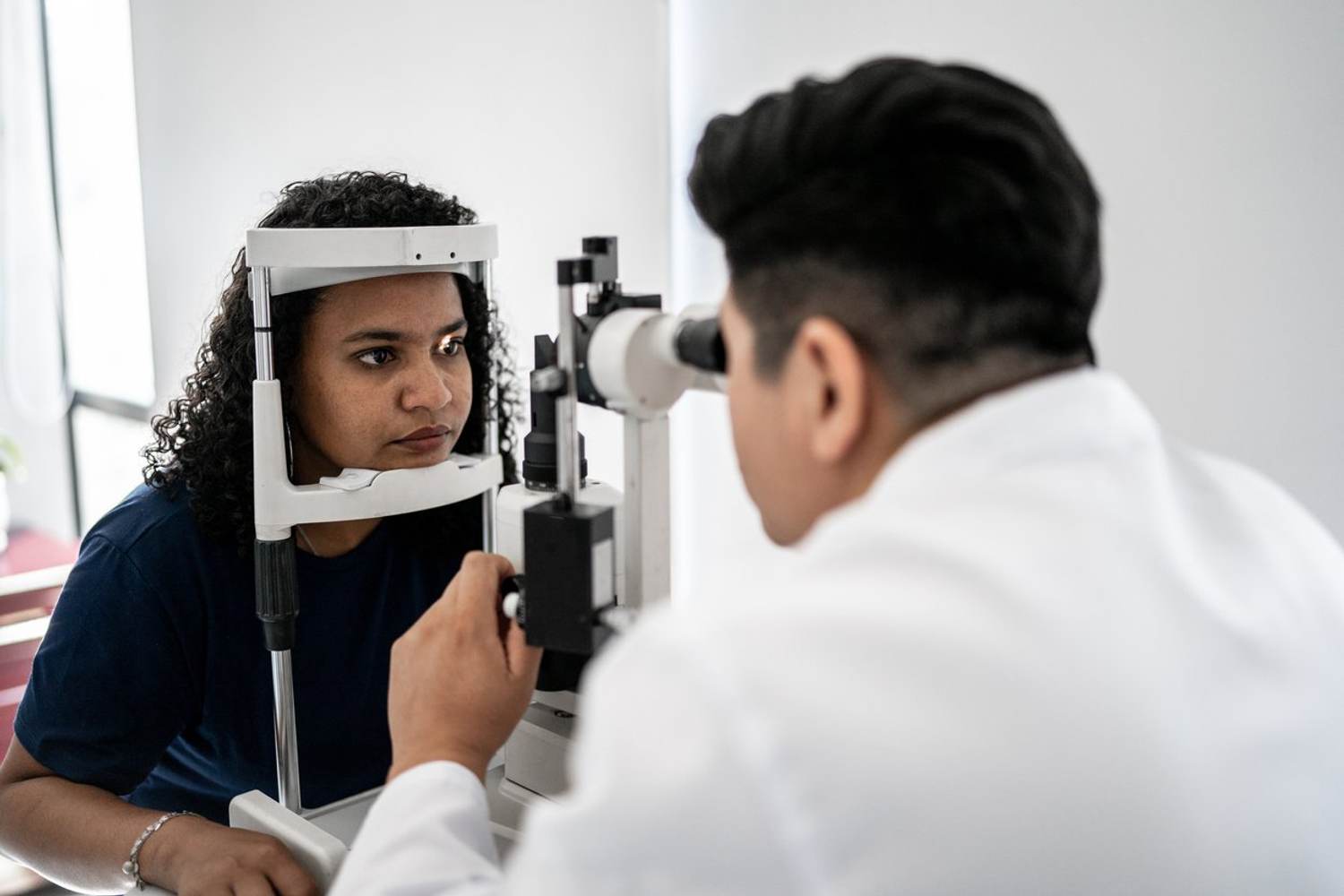
If you have symptoms of DLD or notice any vision changes when going from a well-lit area to low lighting, talk to your healthcare provider (HCP) right away. Your HCP can properly test you for eye conditions and help you find the best path forward.
This educational resource was created with support from Viatris, a HealthyWomen Corporate Advisory Council member.





Stories We Love
Support Our Mission
Keep Trusted Women’s Health Information Free
Your donation ensures every woman continues to have access to credible health content.
More Stories




Everything you need to know about women’s health — in one place.