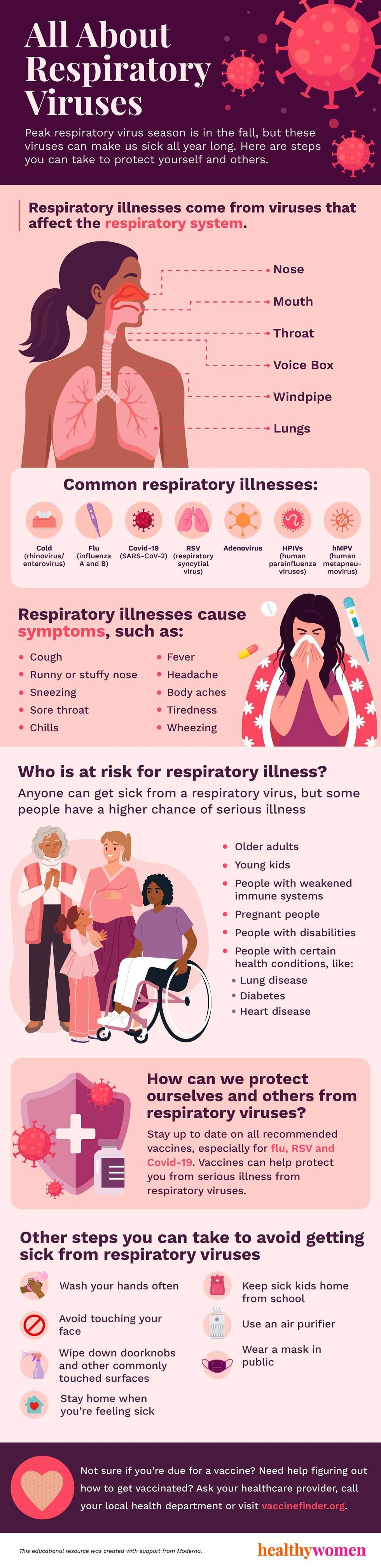
Respiratory illnesses come from viruses that affect the respiratory system .
Common respiratory illnesses:
- Cold (rhinovirus/enterovirus)
- Flu (influenza A and B)
- Covid-19 (SARS-CoV-2)
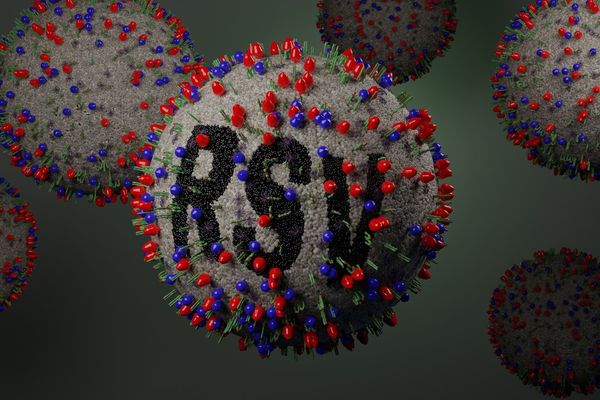
- RSV (respiratory syncytial virus)
- Adenovirus
- HPIVs (human parainfluenza viruses)
- hMPV (human metapneumovirus)
Respiratory illnesses cause symptoms, such as:
- Cough
- Runny or stuffy nose
- Sneezing
- Sore throat
- Chills
- Fever
- Headache
- Body aches
- Tiredness
- Wheezing
Who is at risk for respiratory illness?
Anyone can get sick from a respiratory virus, but some people have a higher chance of serious illness
- Older adults
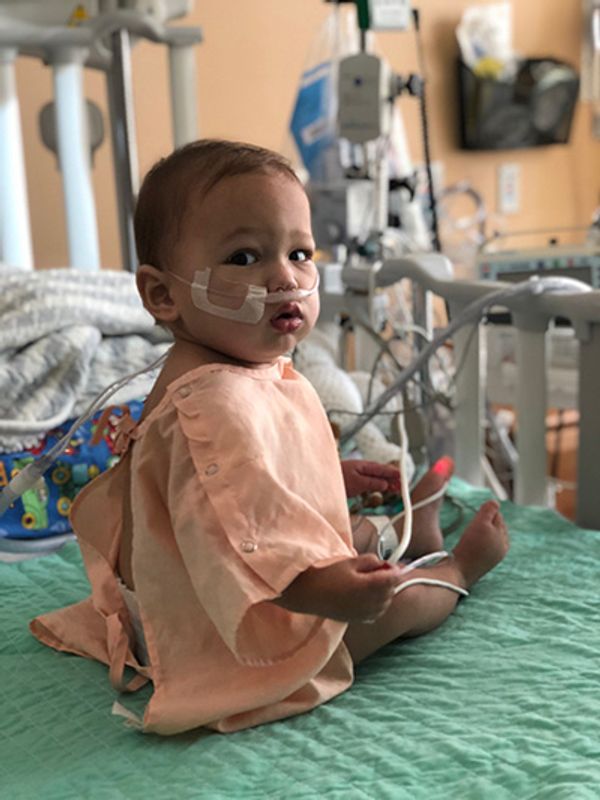
- Young kids
- People with weakened immune systems
- Pregnant people
- People with disabilities
- People with certain health conditions, like:
- Lung disease
- Diabetes
- Heart disease
How can we protect ourselves and others from respiratory viruses?
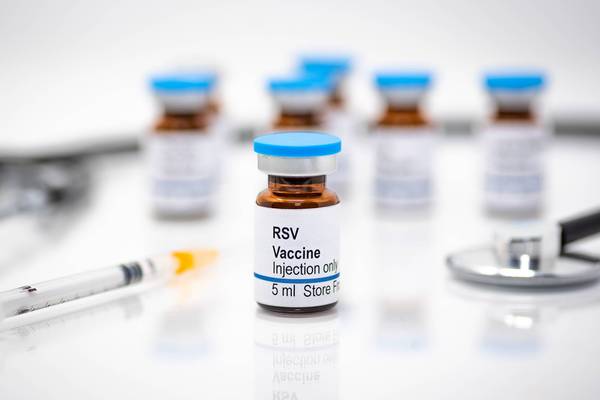
Stay up to date on all recommended vaccines, especially for flu, RSV and Covid-19 . Vaccines can help protect you from serious illness from respiratory viruses.
Other steps you can take to avoid getting sick from respiratory viruses
- Wash your hands often
- Avoid touching your face
- Wipe down doorknobs and other commonly touched surfaces
- Stay home when you’re feeling sick
- Keep sick kids home from school
- Use an air purifier
- Wear a mask in public
Not sure if you’re due for a vaccine? Need help figuring out how to get vaccinated? Ask your healthcare provider, call your local health department or visit vaccinefinder.org.
This educational resource was created with support from Moderna.