
Search
Latest Stories

Newsletter Sign-Up
Newsletter
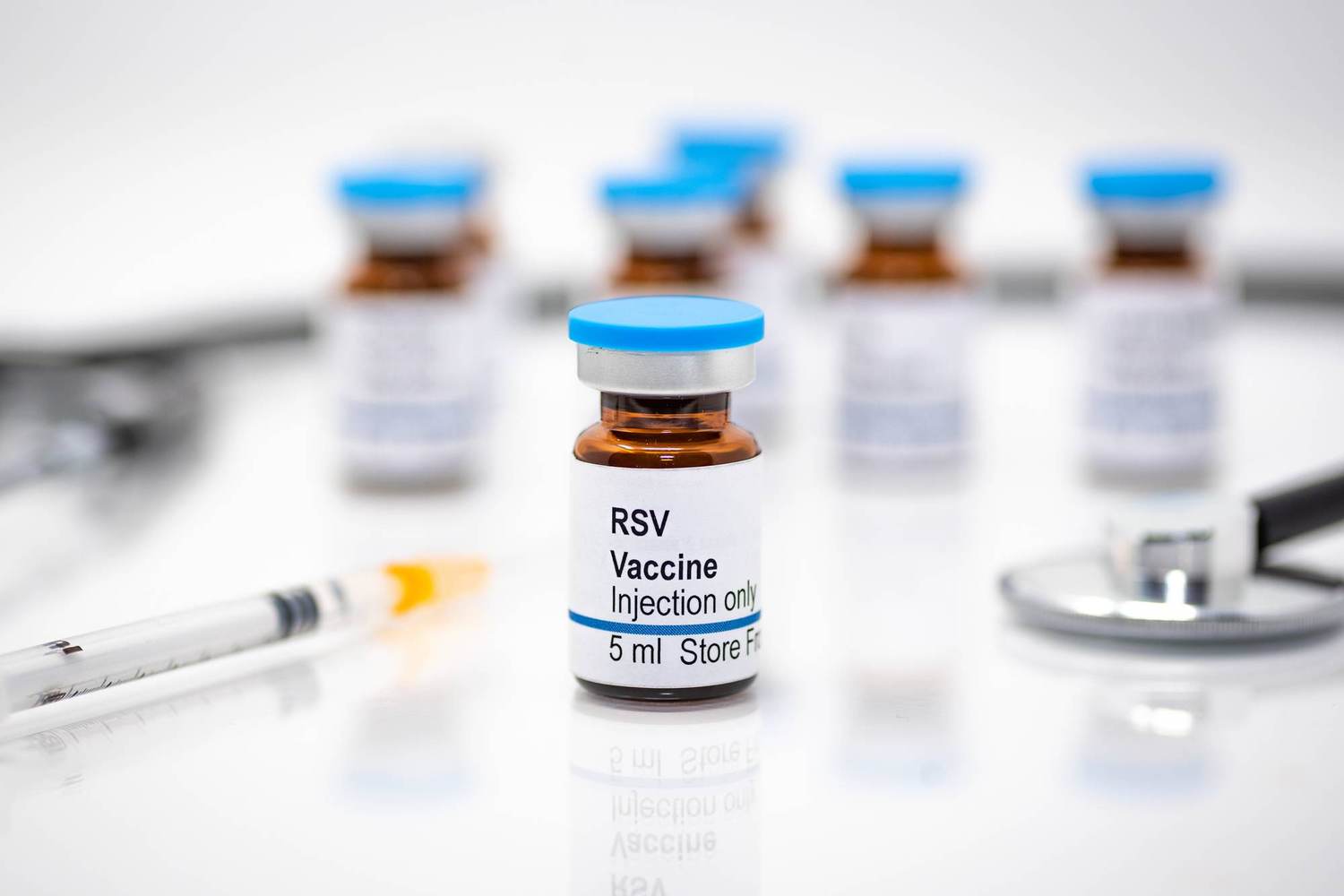
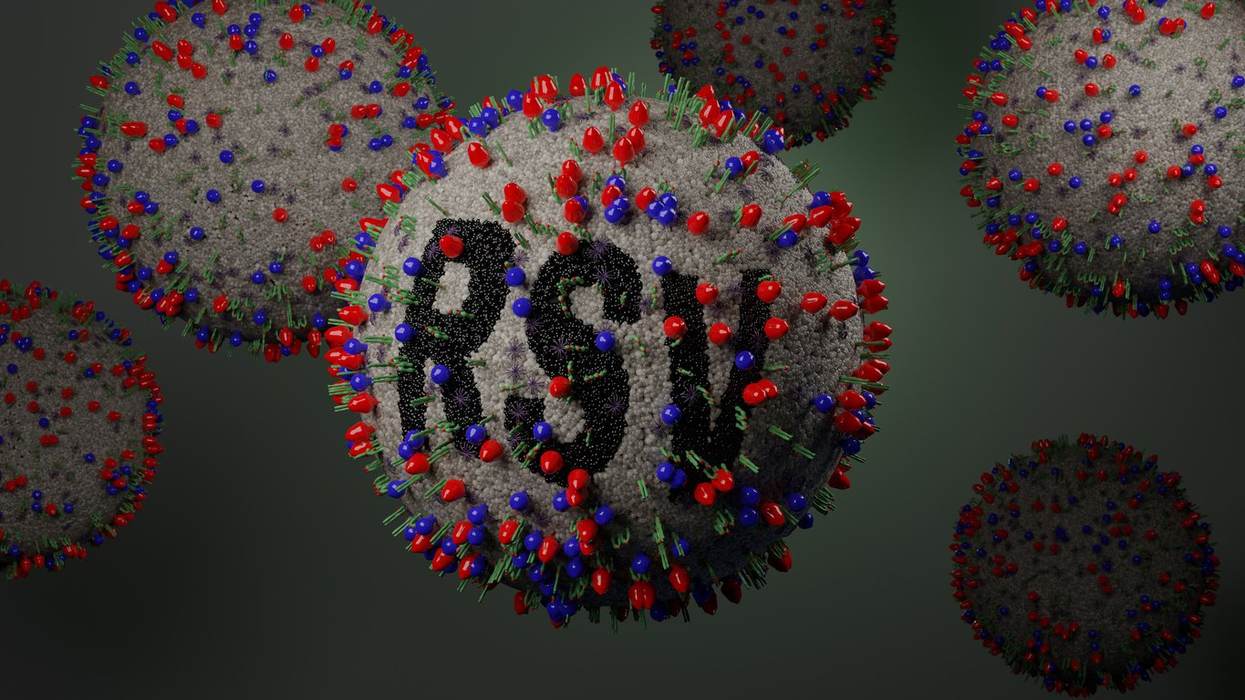
Respiratory syncytial virus (RSV) is a common infection that targets the lungs and respiratory system. It’s so common that many children have been infected with the virus before their second birthday. But RSV doesn’t just make children sick, the virus can also infect adults. RSV disrupts cell linings in the respiratory tract and when the immune system launches an attack, it stirs up inflammation and an overproduction of mucus. Airways become narrow and clogged with mucus, cell debris and fluid, which can make breathing feel like blowing through a plastic straw or wheezing like a deflated accordion.
While many infections are mild, infants under 2 months, all adults over age 75 and adults over 50 with chronic conditions are at higher risk for serious infections and hospitalizations.
How does RSV spread?
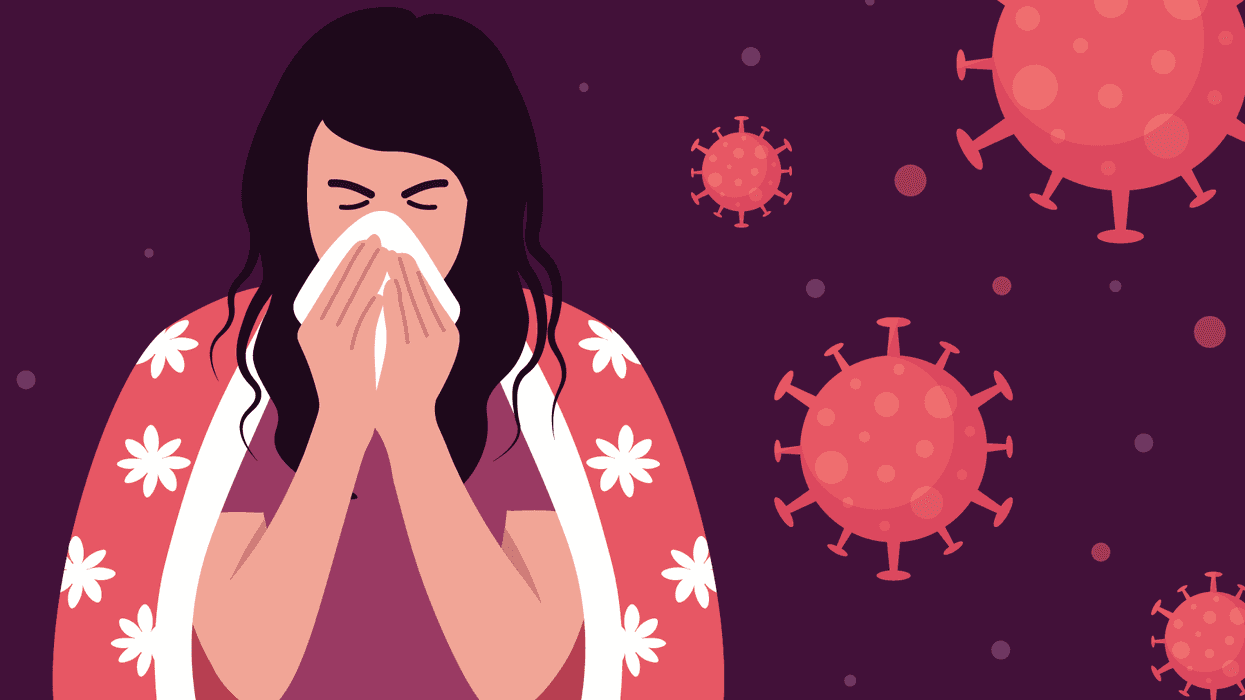
RSV is contagious and spreads like the flu. Coughing and sneezing blast tiny microdroplets into the air and onto surfaces.
You can get the virus when you breathe in these microdroplets or they get into your eyes, nose or mouth because someone coughs and sneezes near you, or you touch a contaminated surface and then touch your face before washing your hands.
Who should get the RSV vaccine?
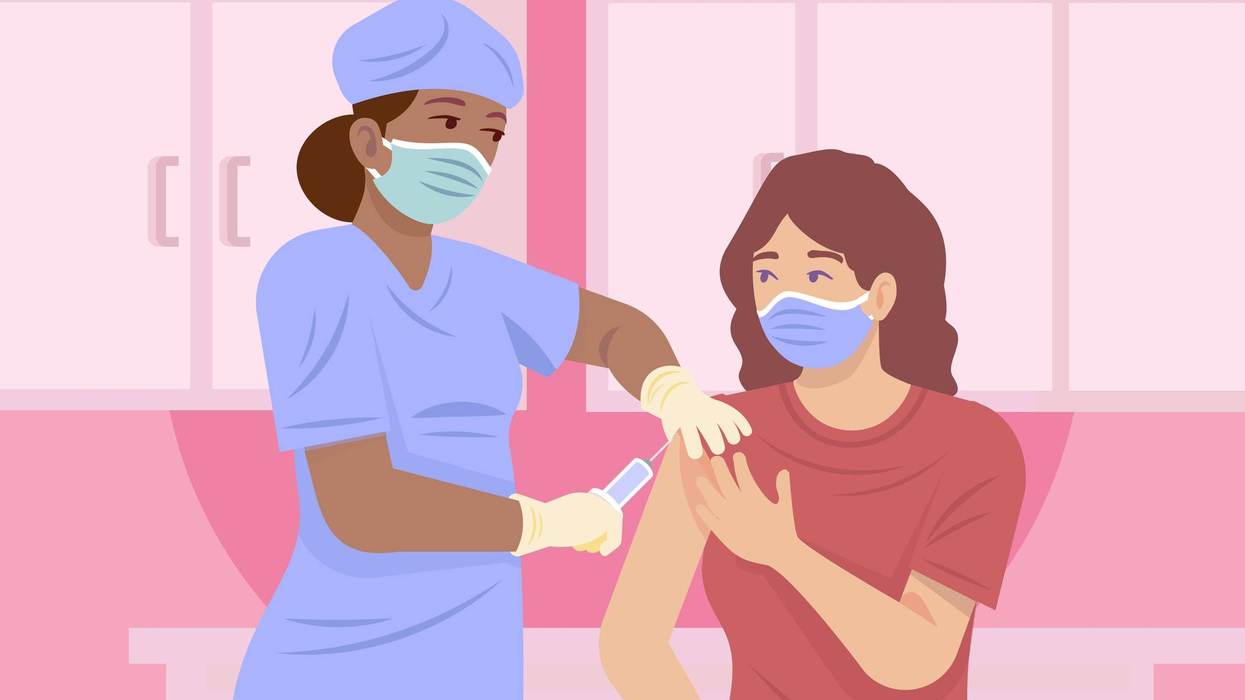
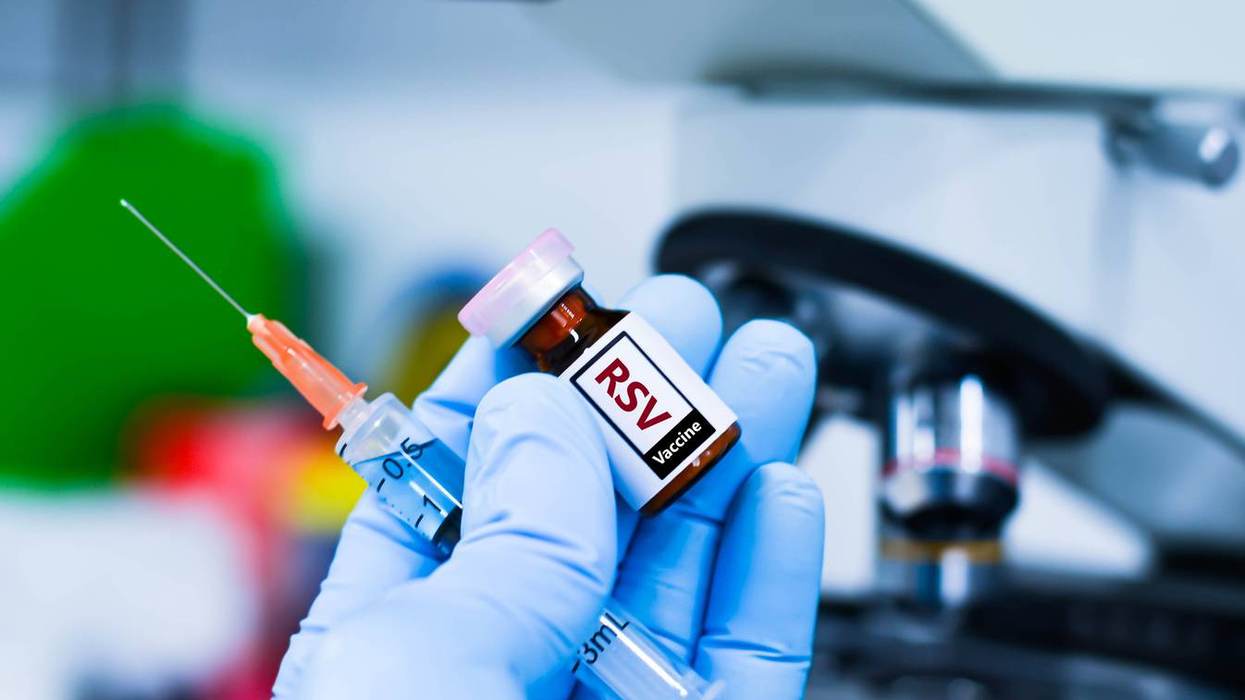
In the U.S., the Centers for Disease Control and Prevention (CDC) recommends an RSV vaccine for any adult 75 and older, or those over 50 with conditions that put them at higher risk for severe RSV disease that can lead to hospitalizations.
What conditions increase the risk of severe illness from RSV?
The RSV virus can be ruthless in people with impaired organ function or compromised immune systems. Several conditions put you at high risk for getting severely ill from the virus. These conditions include:
Check with your healthcare provider (HCP) if you’re uncertain about your risk status.
How often do you need a RSV vaccine?
Currently, the CDC recommends just one RSV vaccine as an adult over age 75 or an adult ages 50-74 who is at increased risk of severe illness from RSV. You should receive this vaccine even if you received it while pregnant.
When is the best time to get an RSV vaccine?
RSV season is generally October through March, although that can vary depending on what part of the country you live in. The best time to get vaccinated is late summer or early fall before RSV season starts, but you can get vaccinated at any time. Ask your HCP when they recommend getting the shot in your area.
What are the RSV vaccine side effects?
RSV vaccines have similar side effects as other vaccines, which are usually mild, and can include:
- Pain at the injection site
- Fatigue
- Fever
- Headache
- Nausea
- Joint or muscle pain
What are the benefits of the RSV vaccine?
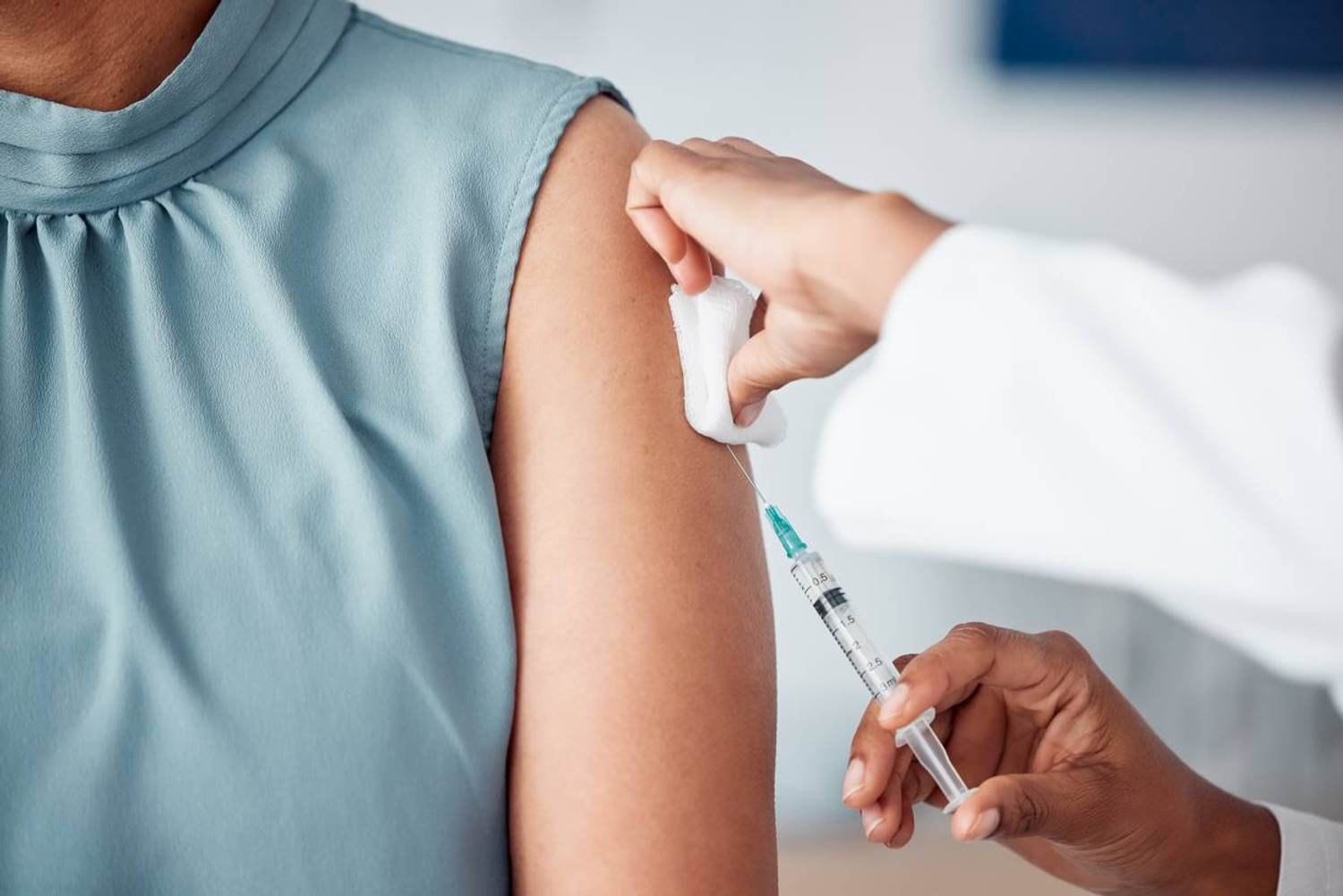
The benefits of getting vaccinated far outweigh the risks. Getting the RSV vaccine is the best way to prevent serious illness and complications from serious illness, like a cardiac event triggered by inflammation from the virus. It also substantially reduces hospitalization rates for RSV in older adults. And one study even indicated that getting the RSV vaccine can lower the risk of dementia later in life.
The benefits of getting the RSV vaccine are similar for pregnant people — preventing serious illness and hospitalization. It also provides protection to the fetus when the vaccine is given sometime between 32 to 36 weeks of pregnancy. Maternal vaccination has shown a 68% reduction in infant hospitalization in newborns who get RSV.
If a woman didn’t receive the vaccine while pregnant, her infant can get a long-acting infant RSV antibody injection after they’re born to protect them from developing severe disease and keep them out of the hospital.
In addition to health benefits, getting vaccinated can help your community. When populations are well vaccinated, adults miss less work, students miss less school, and hospitals are less stressed by disease outbreaks.
This educational resource was created with support from Moderna.



Stories We Love
1

Is It Covid, RSV or the Flu?
Jan 27, 2025
2
All About Respiratory Viruses
Apr 29, 2026
3
4
7 Things You Didn’t Know About RSV
Jan 26, 2026
5
FAQs About RSV in Older Adults and Infants
Jun 10, 2024
6
Busted! 5 Myths About Vaccines
Aug 17, 2026
Support Our Mission
Keep Trusted Women’s Health Information Free
Your donation ensures every woman continues to have access to credible health content.
More Stories



Everything you need to know about women’s health — in one place.