

Search
Latest Stories

Newsletter Sign-Up
Newsletter
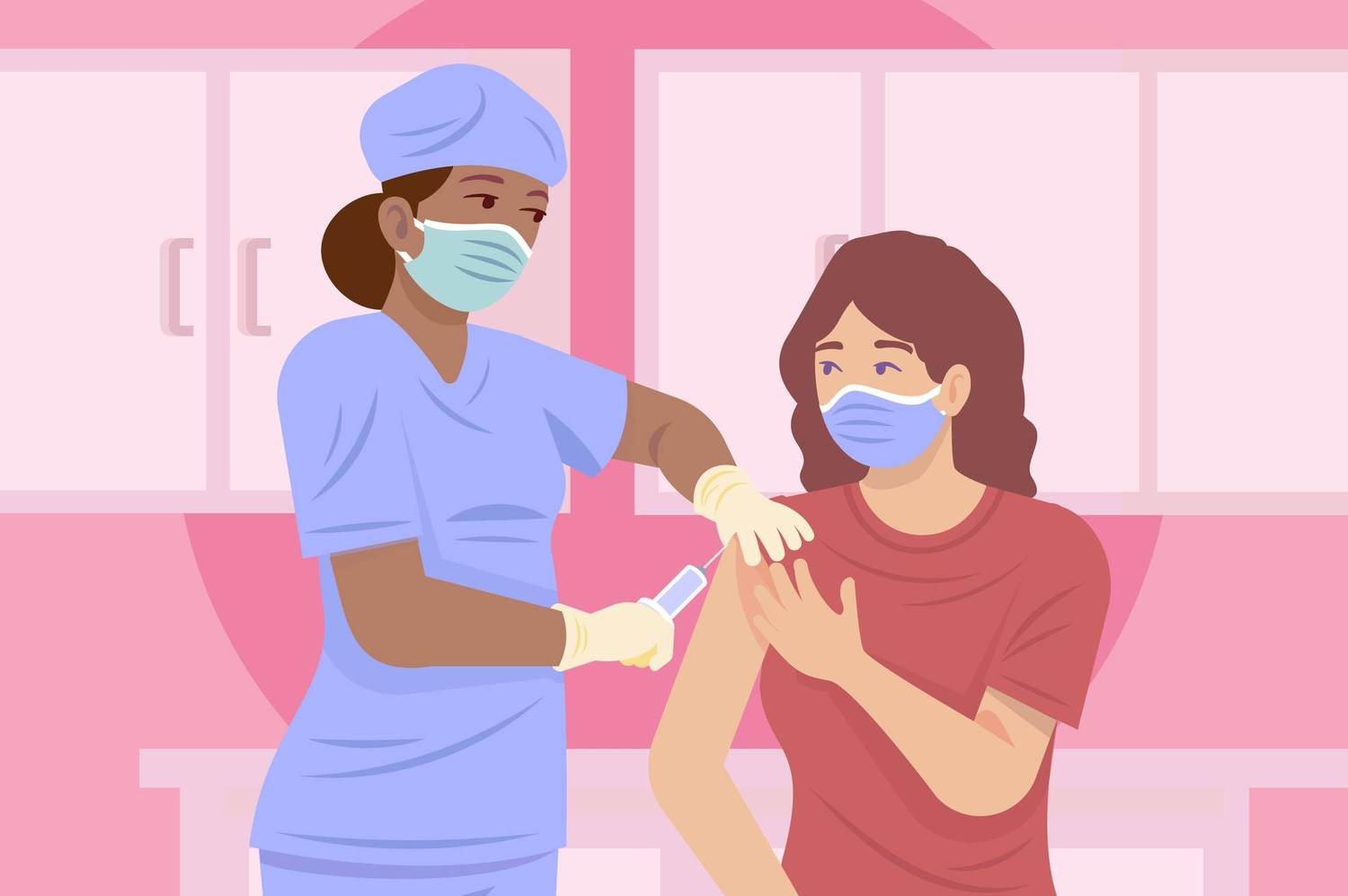
Slide 2:
RSV stands for respiratory syncytial virus. It’s a common virus that causes infections in the lung and respiratory tract.
RSV usually starts spreading in the fall and peaks in the winter months.
Slide 3:
Most people have mild symptoms similar to cold symptoms and recover in 1–2 weeks.
- Runny nose
- Congestion
- Cough
- Sneezing
- Wheezing
- Fever
- Reduced appetite
Slide 4:
But some people, especially infants and older adults, can have more serious infections, and RSV may be life-threatening.
Complications that can cause difficulty with breathing include:
- Respiratory tract infections
- Bronchiolitis
- Pneumonia
- Hypoxia (low oxygen levels)
- Dehydration
- Heart attack and stroke
Slide 5:
You can manage the symptoms of RSV by:
- Taking over-the-counter fever reducers
- Drinking plenty of fluids
- Resting
If you have high blood pressure or take prescription medicines, be sure to check with your healthcare provider before taking over-the-counter medications.
Slide 6:
RSV can worsen underlying lung conditions like COPD and asthma. People who have those conditions might need treatment for a flareup if they get RSV.
Slide 7:
Talk to your healthcare provider or go to the emergency department if you:
- Have trouble breathing
- Can’t eat or drink
- Have chest pain
Slide 8: Prevention is the best medicine.
Getting vaccinated is the best way to stay protected from severe respiratory disease.
Slide 9:
RSV vaccines are recommended for:
- Infants
- Adults ages 75 and older
- Adults ages 50 to 74 who are at increased risk for severe RSV
Slide 10:
Logo
This educational resource was created with support from Moderna.








Popular
1
What Happens in the Body During a Hot Flash
Sep 03, 2026
2
Biologics for Treating Asthma
Sep 22, 2026
3
Understanding Menopause Stages and Terms
Sep 08, 2026
4
Bye, Bye, Itch! Managing Chronic Hives at Home
Sep 23, 2026
5

6

Support Our Mission
Keep Trusted Women’s Health Information Free
Your donation ensures every woman continues to have access to credible health content.More Stories







Everything you need to know about women’s health — in one place.