
Search
Latest Stories


Newsletter Sign-Up
Newsletter
Salutations, scrollers!
We’re back with another round of “Heart or Hype” where we look at some of the viral health trends popping up in your feed.
To get to the bottom of what’s true and what’s bananas, we went to the experts. And you should too: It’s always a good idea to talk to your clinician before trying anything you see on social media.
Here’s everything you need to know about these health trends.
Proteinmaxxing
iStock.com/KanaiPixel
It seems like everything is taken to the “max” these days. And protein has certainly entered the chat. The dietary recommendations for protein were recently increased, giving a nod to the trend.
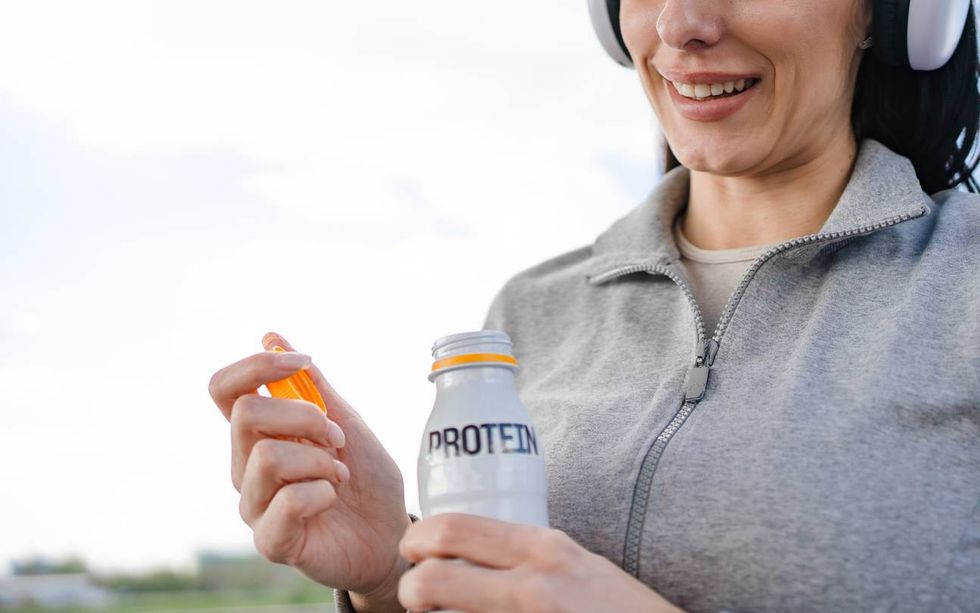
Proteinmaxxing is a lot like it sounds: It’s the practice of consuming a high amount of protein for health benefits like weight loss and building muscle.
The problem with proteinmaxxing lies with the type of protein itself. If you’re getting your protein from ultraprocessed foods with “added” protein or eating a fatty steak every day at lunch to hit your goal, you’re not doing great things for your health.
“It’s about the quality of the protein, and you should be getting your quality protein from plant and animal sources,” said registered dietician Susan Greeley, M.S., RDN.
Although anything “maxxing” seems aggressive, adding more protein to your diet isn’t necessarily a bad thing. “I do see people under-consuming protein and not getting enough,” Greeley said. “As we age and start to naturally lose muscle, it's important to make a conscious effort to include good high-quality proteins in your diet.”
That can mean lentils, quinoa, fish, seafood, lean beef, chicken, eggs, etc. Per the new USDA dietary recommendations, adults should consume 1.2 to 1.6 grams of protein per kilogram of body weight per day. So, if you weigh 150 pounds (68 kg), you should have 80 to 110 grams of protein a day.
Heart or Hype? Heart for quality proteins.
6-6-6 Walking Challenge
iStock.com/kate_sept2004
The devil is in the details, friends.
“The 6-6-6 walking routine can help with weight loss and improve fitness overall — but you have to do it consistently,” said certified fitness trainer Denise Chakoian. “For someone who’s been fairly inactive, making this a regular habit could be a very meaningful change.”
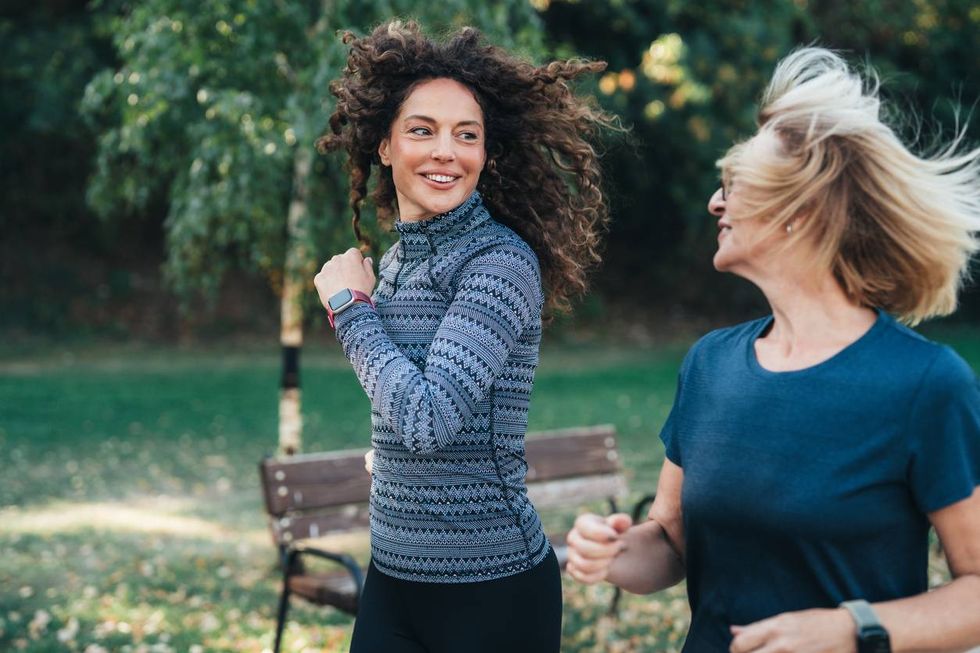
The routine is pretty simple: Warm up for six minutes, walk at a brisk pace for 60 minutes and end with a six-minute cooldown. Repeat for six days a week. (Some variations say to exercise at 6 a.m. or 6 p.m., but that’s so extra.)
Chakoian said the workout provides a good foundation for staying active, but women in midlife should also incorporate weight-bearing exercises to prevent muscle and bone loss that happens naturally with age. “Pairing regular walking with strength training a few times a week gives women a much more well-rounded approach to staying strong and fit in midlife.”
Heart or Hype? Heart — with a side of strength training.
Pinky time exercise
iStock.com/Chatmali
With more than 15 million views, the “pinky time” exercise claims it boosts your brain's plasticity and reduces the risk for Alzheimer's disease.
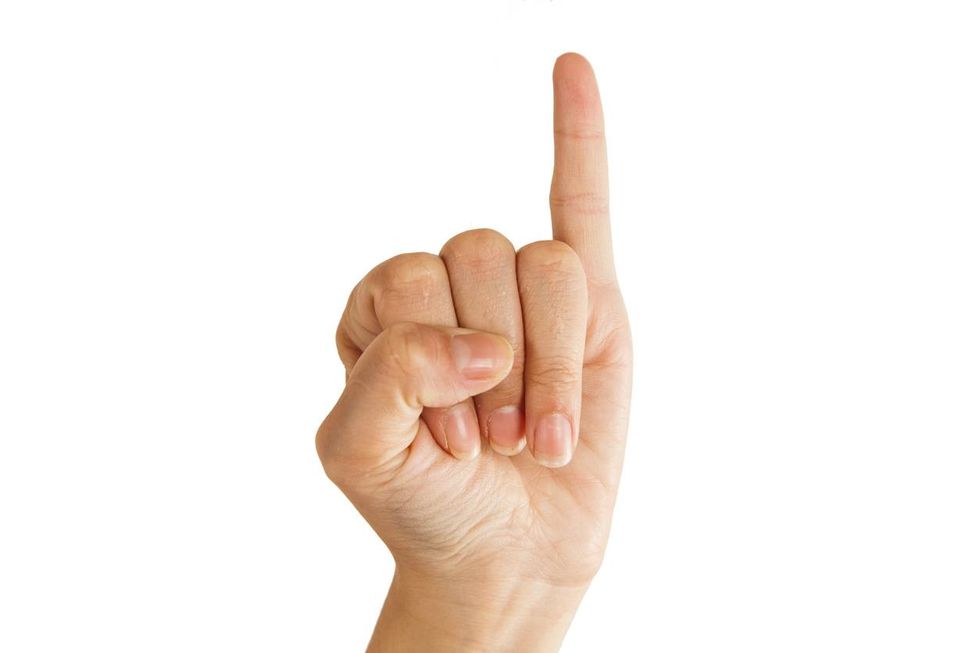
Curious? Wrap your middle and pointer fingers together, touch your ring finger and thumb together and then move your pinky finger up and down for at least 10 seconds.
While we love to try new things that show off our pinky rings, Erin Venza, Ph.D., assistant director of research operations at Center for BrainHealth, said a single physical routine like the pinky exercise won’t prevent dementia. “Dementia risk is complex and develops over decades, so there is no single exercise or brain hack that provides protection on its own,” she said.
Although the finger movement exercise can activate the brain, Venza said it’s unlikely to generate meaningful, lasting gains in overall brain health. “Becoming better at a particular movement primarily shows that the brain is learning that task — it does not establish that the benefits transfer to memory, focus or other aspects of cognition.”
Her advice? Make brain-healthy habits part of your everyday routine. That means prioritizing deep sleep, practicing cognitive stillness and having meaningful conversations with other humans to help keep your brain sharp.
Heart or Hype? Hype. Pinky swear.
Antihistamine hack for symptoms of menopause
iStock.com/LaylaBird
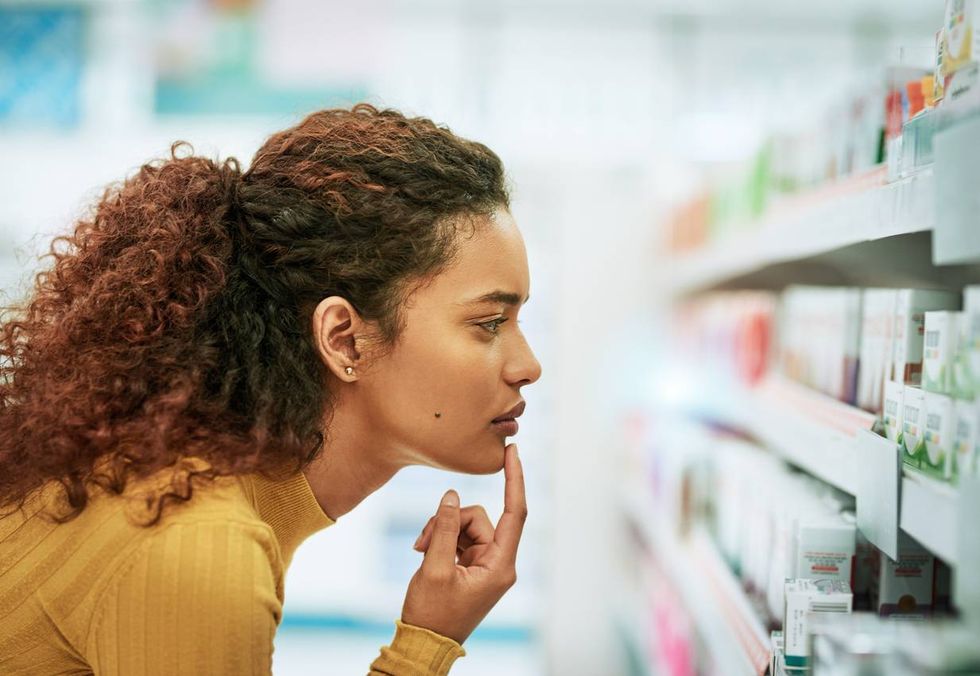
The viral “menopause cocktail” involves taking an H1 antihistamine like fexofenadine or cetirizine hydrochloride (brand names: Allegra or Zyrtec respectively) with the histamine-2 blocker famotidine (brand name: Pepcid) to reduce symptoms of menopause.
The theory is that estrogen impacts mast cells (a type of white blood cell), and mast cells release histamine. Histamine is part of an allergic reaction that causes flushing, itching and blood vessel dilation. Too much histamine in your body may also lead to problems with thinking, memory and concentration. So, if you reduce the reaction you could reduce hot flashes, anxiety and brain fog.
On paper, it’s not the craziest idea ever (looking at you, salmon sperm facials). But for right now, there’s not enough science to back up the histamine theory.
“To date, we do not know [an excess of histamine] to be the mechanism that is inducing menopausal symptoms,” said Barb DePree, M.D., gynecologist and member of HealthyWomen’s Women’s Health Advisory Council. “This likely will lead to more studies to better understand the potential impact a drug combination like this might have on symptom management.”
Heart or Hype? Hype. But the good news is there are science-backed, FDA-approved medications for symptoms of menopause. Talk to your clinician about your options.




Stories We Love
1
HIIT or Miss?
Aug 27, 2026
2
3
Puzzled About Peptides?
Sep 08, 2026
4
The Latest Fitness TikTok Trends: Heart or Hype?
Nov 21, 2024
5

5 TikTok Health Trends: Heart or Hype?
Jan 20, 2026
6

5 Health Trends on TikTok: Heart or Hype?
Apr 22, 2024
Support Our Mission
Keep Trusted Women’s Health Information Free
Your donation ensures every woman continues to have access to credible health content.
More Stories





Everything you need to know about women’s health — in one place.