Search powered by AI
stroke
Riesgo de accidentes cardiovasculares para las mujeres
Entender los factores de riesgo y las señales de accidentes cardiovasculares podría ser útil para salvar tu vida
I Didn’t Know Having a Baby Increases Your Risk for Stroke
I didn’t have the classic signs of a stroke, so I blamed my symptoms on being a new mom
The Intersection of Heart Disease, Diabetes and Stroke
Reducing your risk of one could reduce the risk of the others
La intersección entre las enfermedades cardiacas, la diabetes y los accidentes cardiovasculares
Reducir el riesgo de una condición podría disminuir el riesgo de las otras
How Hot Is Too Hot for the Human Body? Our Lab Found Heat + Humidity Gets Dangerous Faster Than Many People Realize
Long-term exposure to high heat can become lethal
What Is Aphasia? An Expert Explains the Condition Forcing Bruce Willis to Retire From Acting
In a message posted on Instagram, Willis’ daughter, Rumer Willis, said that the condition was “impacting his cognitive abilities.”
Why Daylight Saving Time Is Unhealthy – a Neurologist Explains
Moving our clocks ahead each March is connected with serious negative health effects
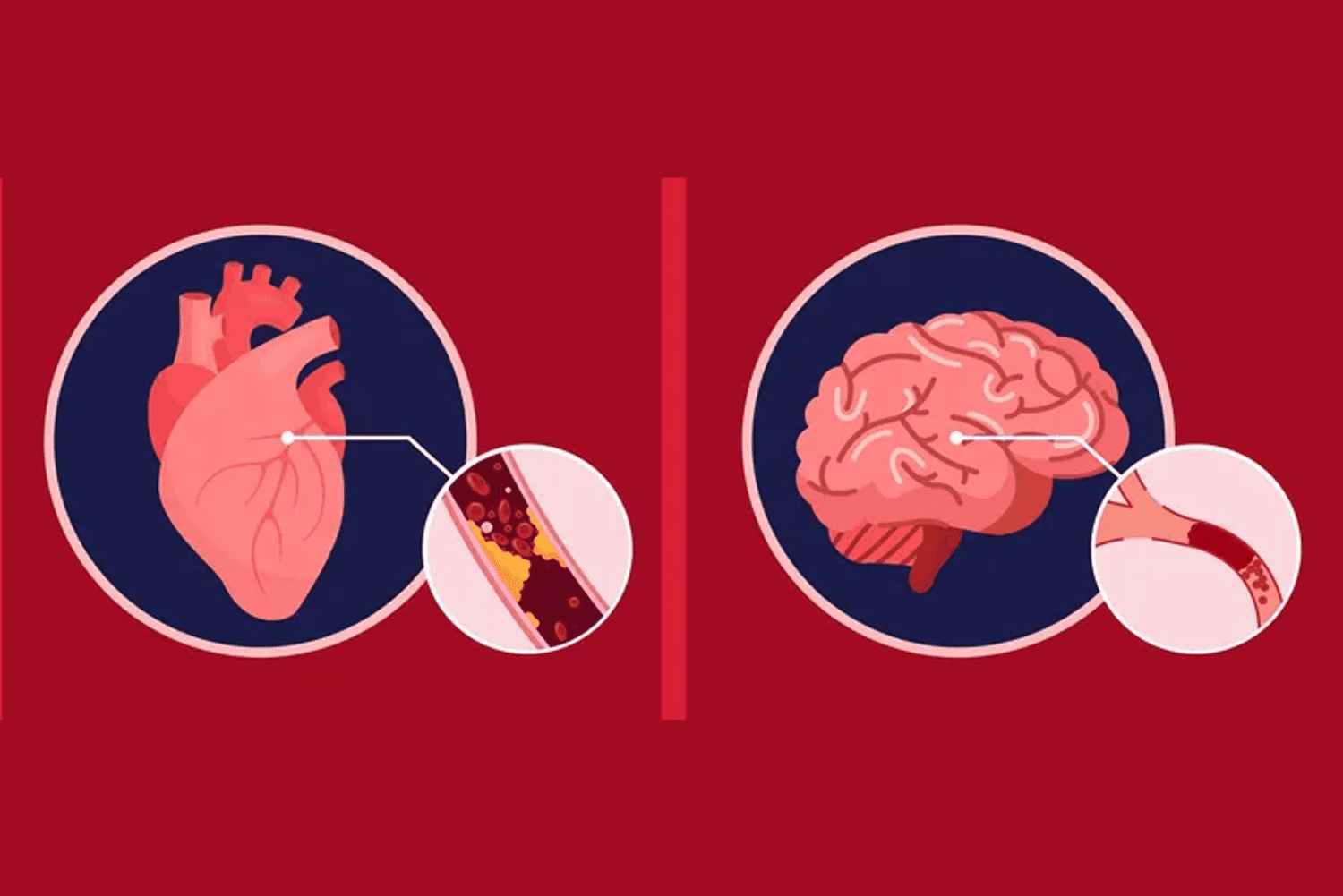
Stroke vs. Heart Attack: Know the Signs & Symptoms
Heart attacks and strokes are not the same. Knowing the signs and symptoms of each could save your life.
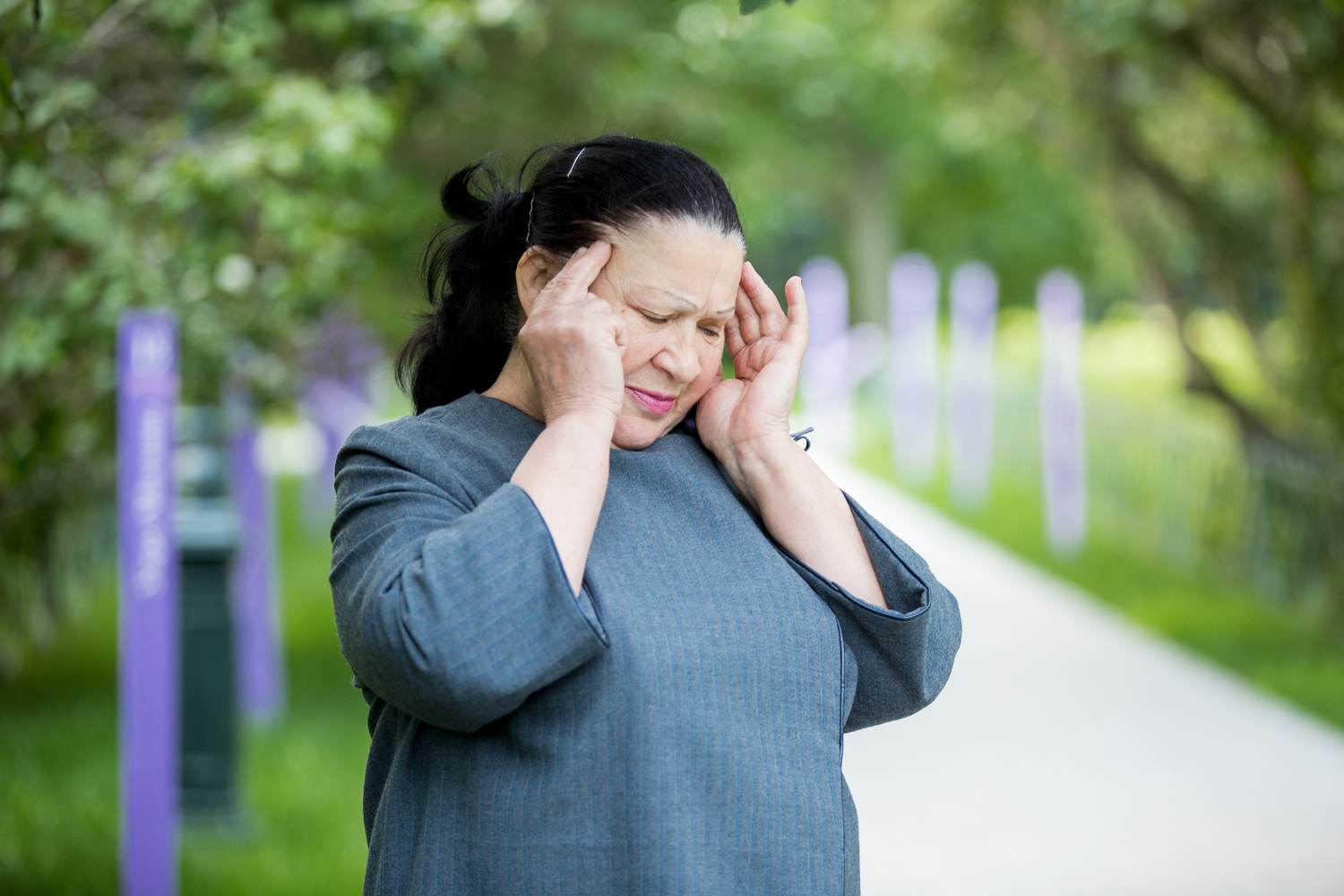
I Survived a Stroke at 30
For years, I ignored my chronic stress and headache pain. It almost cost me my life.
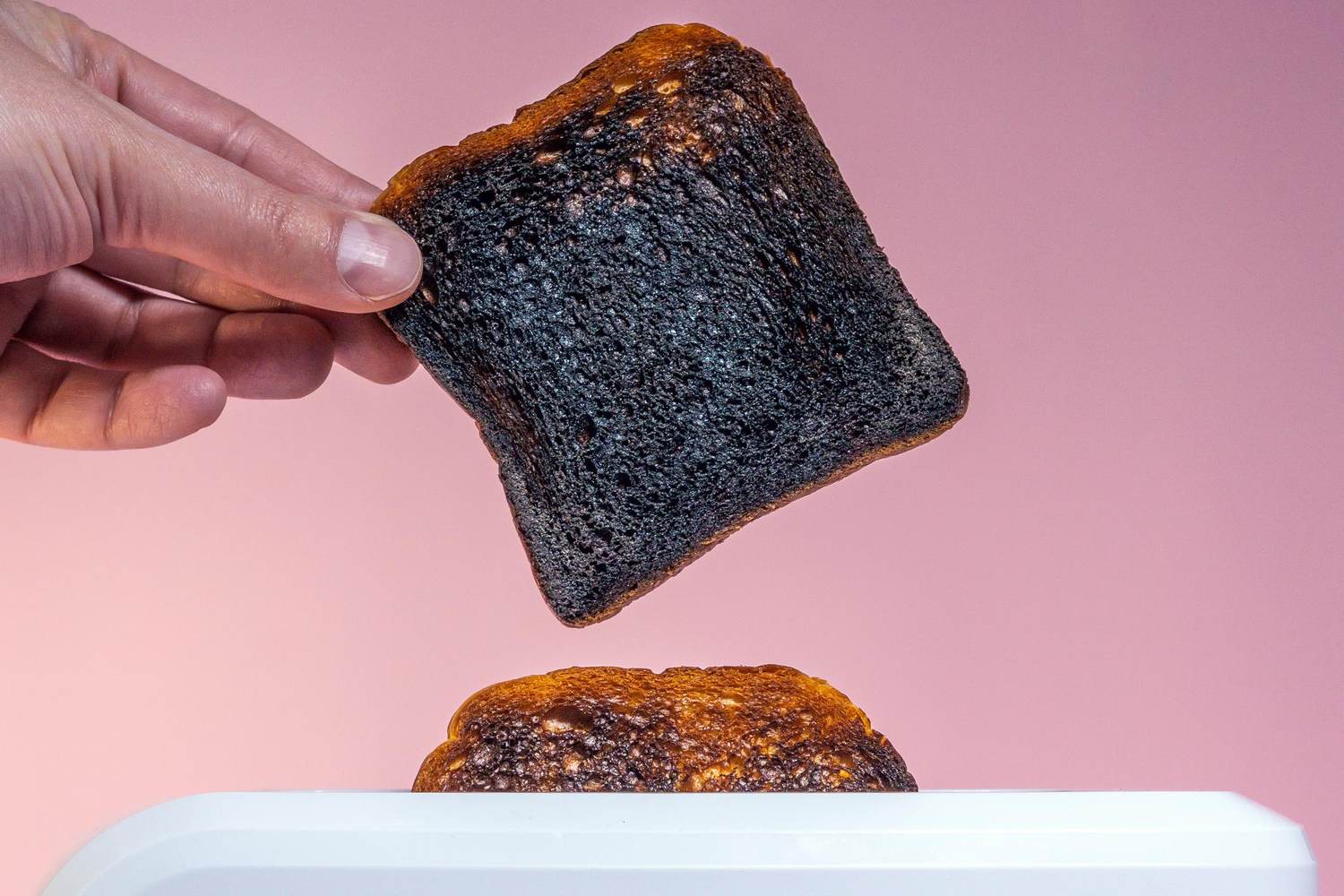
Is Smelling Burnt Toast a Sign That You're Having a Stroke?
Learn the signs and symptoms of a stroke
Important Questions You Should Ask Your Health Care Professional About Cardiovascular Disease Prevention
There are things every woman can do to help protect themselves from a first cardiovascular event (primary prevention) or another heart attack or ischemic stroke (secondary prevention). Here's what you need to know.
10 Things Everyone Over 50 Needs to Know About Strokes
Stroke is the fifth-leading cause of death in the U.S., so it's important to understand what it is, what can cause it and what the warning signs are.
How to Reduce Your Risk for Stroke
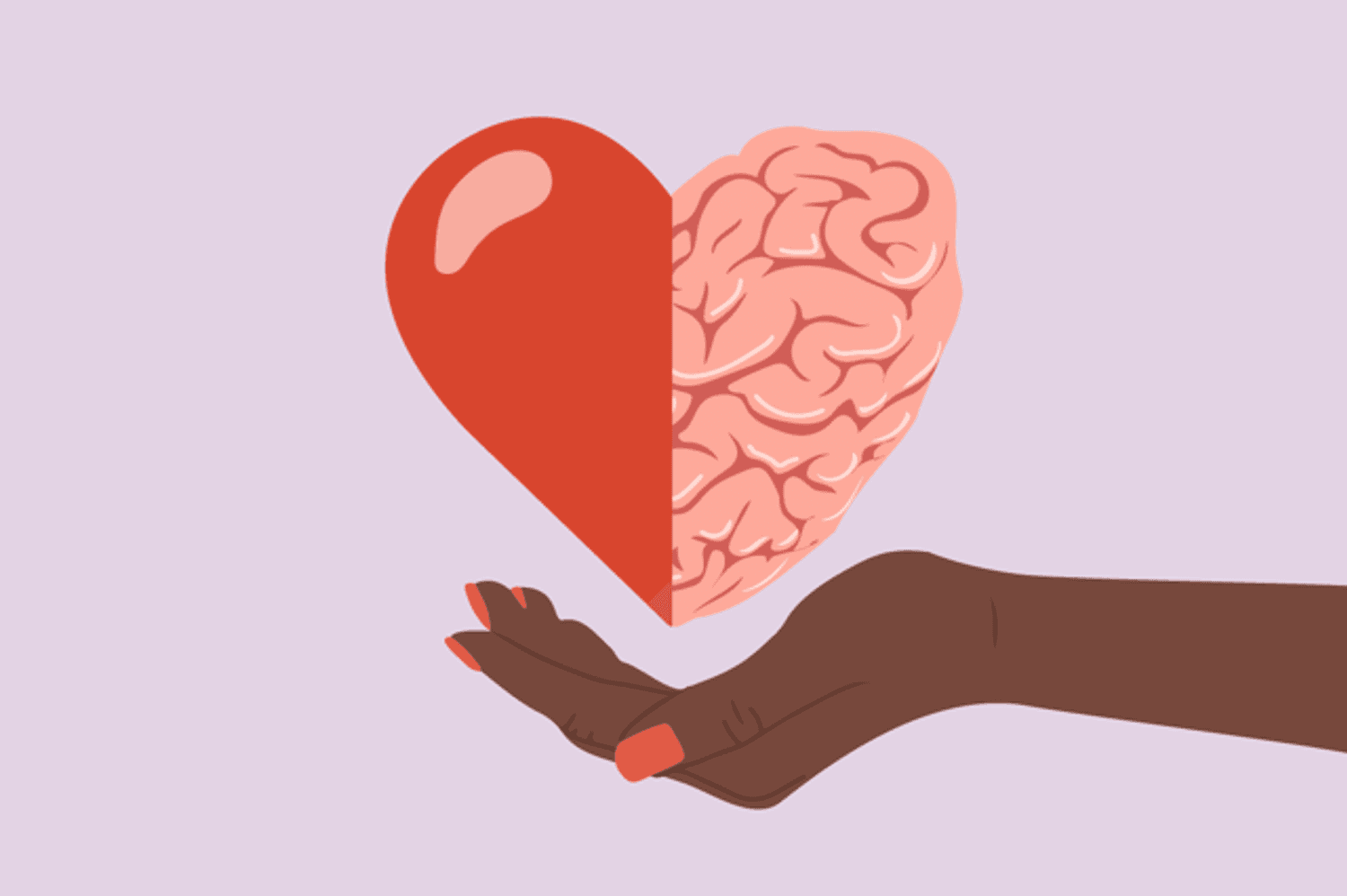
Being prepared and knowing what to do if someone has a stroke can be lifesaving, especially around family members who may be at higher risk of stroke.
Living Well With AFib
Those who have AFib should be well aware of these things: living a healthy lifestyle and reducing stroke risk.
High Blood Pressure
Blood pressure is the amount of force your blood exerts against the walls of your arteries. High blood pressure, or hypertension, occurs when your blood pressure is elevated over time. Left untreated, it can damage your small blood vessels and organs and lead to heart attacks, stroke, kidney failure and circulatory problems. READ MORE