COPD affects millions of adults, but many people don’t know much about the disease until they or a loved one is diagnosed. Here are answers to common questions about what COPD is, who’s at risk and what actually helps.
What is COPD, and what symptoms of COPD appear first?
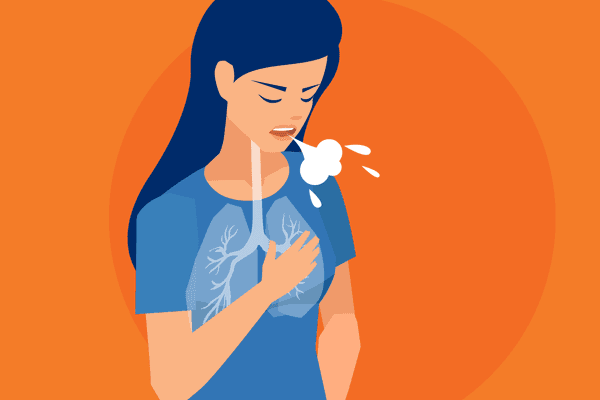
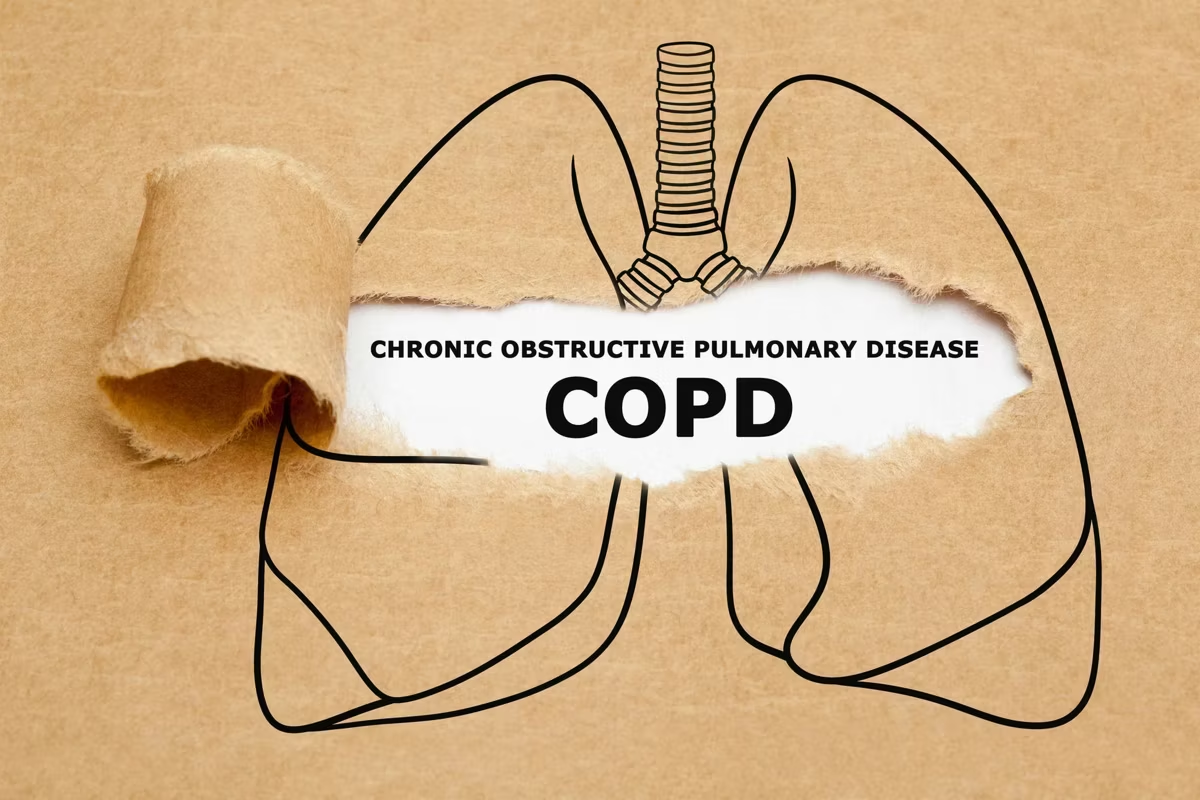
COPD, or chronic obstructive pulmonary disease, is a common lung condition that narrows the airways and makes breathing harder over time. It includes chronic bronchitis and emphysema, both of which change the structure of the lungs.
Common symptoms include a cough that brings up mucus (often worse in the morning), shortness of breath when climbing stairs or walking uphill, and wheezing, said Suman Paul, M.D., a COPD specialist and respiratory medicine consultant. Symptoms tend to worsen over time, and people may have flare-ups, called exacerbations, when symptoms suddenly get much worse.
It can be easy to miss early signs. "Many early symptoms of COPD can be very subtle; therefore, they may go unnoticed by patients," said Blen Tesfu, M.D., a physician and women's health advocate. People may notice a mild cough, more mucus in the morning or feeling winded during everyday activities.
What are the four stages of COPD?
Clinicians grade COPD based on a breathing test that measures how much air you can blow out in one second (forced expiratory volume in 1 second or FEV1). According to the COPD Global Initiative for Lung Disease (GOLD) guidelines:
- Stage 1 (mild): FEV1 is 80% or more of what’s expected for your age and size
- Stage 2 (moderate): FEV1 is 50%–79%
- Stage 3 (severe): FEV1 is 30%–49%
- Stage 4 (very severe): FEV1 is under 30%, or under 50% with chronic breathing failure
What are the risk factors for COPD?
Smoking is by far the biggest risk factor for COPD, present in about 8 out of 10 cases. Being exposed to secondhand smoke long term also raises risk, according to Tesfu. Even so, biological and hormonal factors contribute to women who are non-smokers being diagnosed with COPD. In fact, more than 8 out of 10 nonsmokers that have COPD are women.
Other known risk factors for COPD include:
- Workplace exposure to dust, fumes and chemicals, including silica and concrete dust
- Outdoor air pollution and poor indoor air quality
- Burning wood or biomass fuels for cooking
- A history of uncontrolled asthma or tuberculosis with lung damage
Some risks begin in childhood. According to Paul, the lungs start developing in the womb and continue to develop until the mid-20s. Any injuries to the lungs from recurrent viral infections, childhood asthma, maternal smoking during pregnancy, low birth weight or premature birth can cause your lungs not to work as well as they could and can make it more likely for you to get COPD as an adult. A systematic review found these exposures in early life greatly increase the odds of developing COPD later in life, with serious infections, including bronchitis and pneumonia doubling risk, and asthma increasing it by 3–10 times.
How do genetics play a role in COPD risk?
Genes can shape COPD risk in several ways. The best known example is a rare inherited condition called alpha-1 antitrypsin deficiency. "Individuals with alpha-1 antitrypsin deficiency are at increased risk of developing early-onset chronic obstructive pulmonary disease regardless of whether they have ever smoked," Tesfu said.
Aside from that one gene, research has identified more than 80 common gene types linked to COPD. Many of them affect lung growth during childhood, which helps explain why some smokers develop COPD while others don’t.
What are the dangers of losing lung function?
As COPD gets worse, breathing gets harder, and the body has to work harder to keep up. "When the lung function, specifically the FEV1, declines, it becomes difficult for the patient to inhale and exhale air through the narrow airways," Paul said. "This increases the work of breathing."
Lower lung function is linked to more hospital stays, heart problems and earlier death, even when the loss is mild, according to a large international study.
Pneumonia becomes a bigger threat because damaged airways trap mucus, swell and lose some of their natural defenses. And certain bacteria can start to settle in the lungs and cause difficult-to-treat infections, Paul said.
How can you improve COPD symptoms?
Pulmonary rehabilitation, which typically lasts 8–12 weeks, is one of the most effective treatments for COPD. "Pulmonary rehabilitation is a supervised, personalized medical program combining tailored exercise training, education and behavioral support for people with chronic lung diseases like COPD or pulmonary fibrosis," said Noah Greenspan, DPT, founder of the Pulmonary Wellness Foundation. "It aims to reduce symptoms, increase physical stamina, improve quality of life and decrease hospital visits."
Studies show that pulmonary rehab improves walking distance, breathlessness and overall well-being compared with usual care. After a flare-up, it can also reduce chances of needing to go back to the hospital.
Greenspan said many people living with COPD get caught in what he calls the "dyspnea cycle" where people avoid physical activity because of shortness of breath, which then weakens muscles more and makes breathing even harder. Rehab can help reverse that pattern. "Patients very often feel less short of breath and are able to do more, such as walking longer distances without stopping [and feeling] less anxiety, more control over their day-to-day lives and an increase in overall sense of well-being," he said.
His message for anyone living with COPD is that "It’s not over until it’s over, and there is always hope."
This educational resource was created with support from Chiesi.
- Effective COPD Treatments: A Comprehensive Guide ›
- Healthy Living With COPD - HealthyWomen ›
- Myths vs. Facts: COPD ›
- COPD 101 ›
- Clinically Speaking: Questions and Answers About COPD ›
- COPD in Rural America - HealthyWomen ›
- Questions and Answers About Uncontrolled Asthma - HealthyWomen ›
- Ask the Expert: Questions and Answers About Uncontrolled COPD - HealthyWomen ›
- Learn About COPD - HealthyWomen ›