
Search
Latest Stories

Newsletter Sign-Up
Newsletter
If your social media feed has anything to say about it, berberine can do just about everything: stabilize blood sugar, lower cholesterol, help with weight loss, improve heart and gut health, lower your risk of Alzheimer’s and more. Some creators have even dubbed it “nature’s Ozempic,” which is quite the resume for a bitter yellow powder that comes from plant roots.
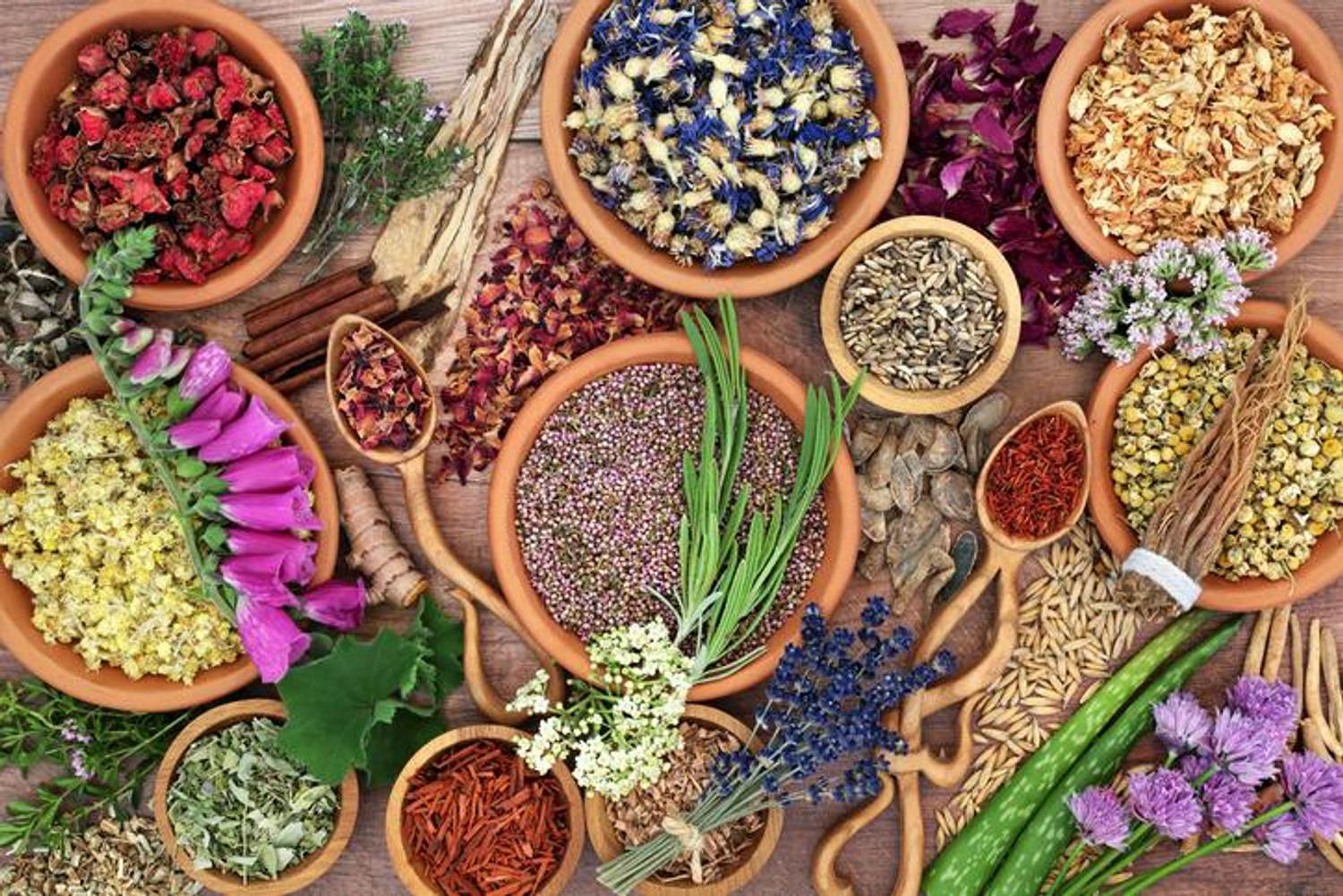
Berberine has actually been around for a long time. It’s a natural compound found in the bark and roots of plants like barberry, goldenseal and goldthread, and it’s been a staple of traditional Chinese and Ayurvedic medicine for centuries. The supplement aisle is just now catching up.
The buzz is loud, so we dug into the research to find out what berberine can actually do and what women in midlife should know before trying it.
What do people take berberine for?
Most people use berberine to help with metabolic health, for reasons like keeping blood sugar and insulin levels steady, lowering cholesterol, managing weight and helping with digestion. Some research shows the supplement may be beneficial for cardiovascular and liver health as well.
For women in midlife, berberine is especially interesting because many of the potential benefits may help with metabolic changes that tend to show up during perimenopause and menopause, like increased insulin resistance, higher cholesterol and stubborn weight gain that are all common as estrogen levels drop.
What forms does berberine come in?
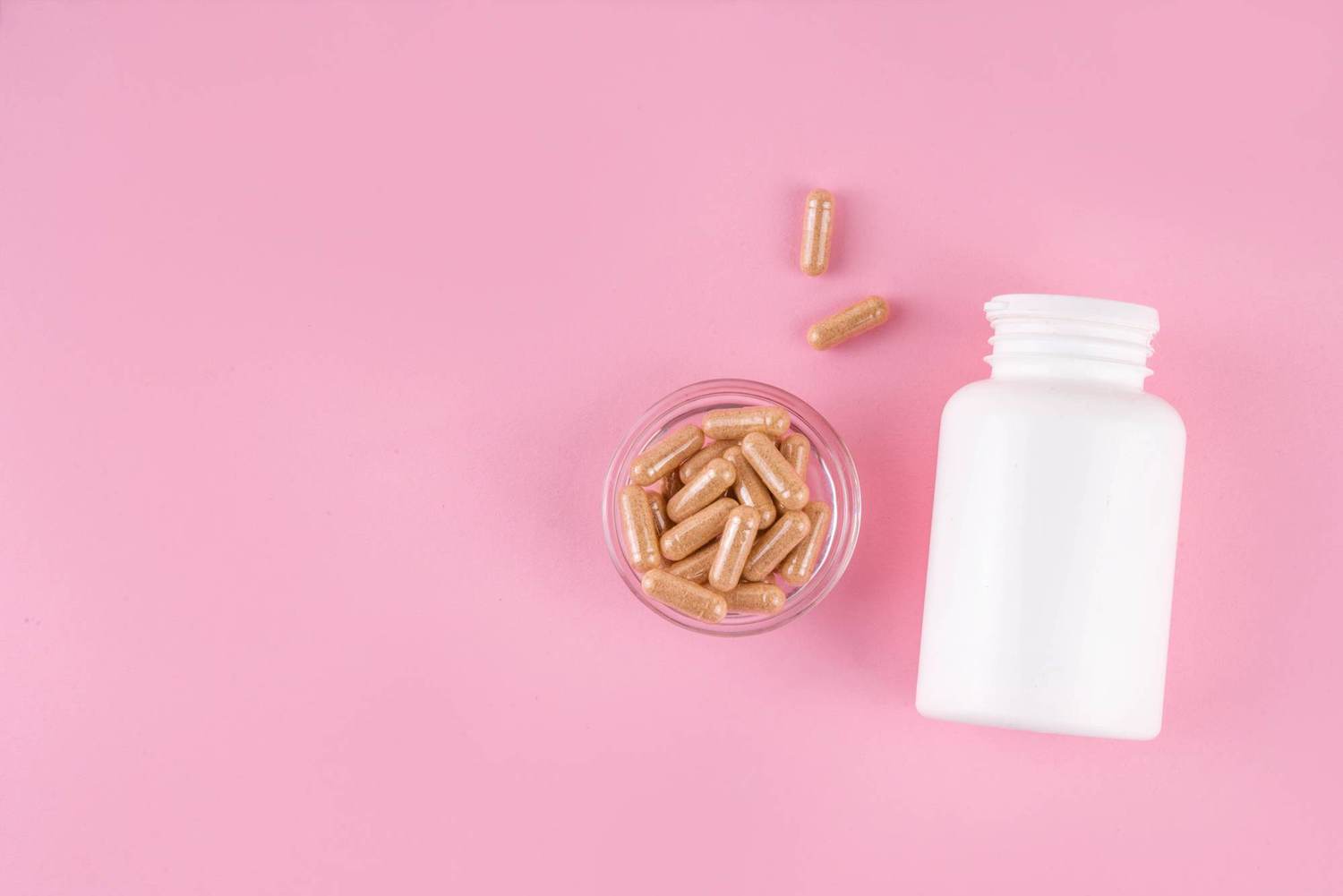
You can buy berberine as capsules, tablets, extract powders or liquid, with capsules and tablets being the most popular. In most research studies, the dose has been 900 mg to 1,500 mg per day, usually divided into two or three doses and taken for one to three months.
What does science say about berberine?
Several reviews of high-quality studies show that berberine does have some real benefits. It can help lower fasting blood sugar, insulin levels and A1c (which is basically your average blood sugar over a few months) in people with metabolic disorders.
Research also shows that the supplement may help lower "bad" LDL cholesterol and triglyceride levels while giving a small boost to "good" HDL cholesterol.
As for weight loss? Some study participants saw a drop in BMI or waist size, especially if they had metabolic syndrome — but it was usually pretty modest.
The bottom line is that, while the effects are real, they aren't magic. Berberine isn't a substitute for medications your doctor prescribes or for foundational habits like eating well and staying active.
It’s also important to keep in mind that the research is still evolving. A lot of the studies so far have been small or didn't last very long, so researchers are still figuring out exactly how effective it is for everyone in the long run.
What midlife women should know about berberine
Researchers haven’t done a ton of studies on the effects of berberine in women going through perimenopause or menopause, but what’s out there is encouraging.
One review looking at perimenopausal and postmenopausal women found that berberine may help lower LDL cholesterol, triglycerides and insulin resistance, and it might also help improve mood. Research on women with polymetabolic endocrine ovary syndrome (PMOS), formerly called polycystic ovary syndrome (PCOS), which is a condition that involves insulin resistance, has shown similar benefits.
In studies of menopausal women at risk for high cholesterol, berberine combined with other supplements improved cholesterol and menopausal symptoms over 12 weeks.
Benefits tend to be gradual, and you’ll get the most out of berberine if you combine it with other healthy habits, like nutritious eating, exercise and getting good sleep.
What are the side effects of berberine?
The most common side effects reported in studies are digestion-related, including constipation, diarrhea, bloating, gas and belly discomfort, though they’re usually mild and tied to how much you’re taking. Nausea and vomiting can happen too, but less often. If you’re already dealing with gut changes from menopause, you may want to weigh whether you think the additional gut distress from berberine is worth it.
There’s also a chance that berberine could drop your blood sugar too low, especially if you’re already on medications that lower blood sugar. If you notice that berberine is making you shaky, sweaty or dizzy, talk to your clinician about adjusting your dose.
Is berberine safe?
The research indicates that berberine is safe at standard doses (around 900 mg–1,500 mg per day) for most adults for one to three months, and some studies have followed people for up to two years without finding any major problems. And serious side effects in clinical trials have been rare.
But, like all dietary supplements, berberine products are not approved or regulated by the Food and Drug Administration (FDA) before they're sold. That means the product claims aren’t verified by the FDA, and the quality and contents can vary from brand to brand. To get the best quality supplement possible, look for products with third-party verification from organizations like the United States Pharmacopeial (USP) Convention or ConsumerLab.com to help make sure you're getting what's on the label.
Who shouldn’t try berberine?
Everyone should consult their clinician before beginning any supplement, but there are some people who should definitely steer clear. If you're pregnant, breastfeeding or trying to conceive, berberine isn't recommended because there isn't enough safety data. The same goes for children and older adults.
Berberine can also interact with certain medications, including blood thinners and drugs processed by specific liver enzymes, so if you're on prescription medications for diabetes, heart conditions or other health issues, check with your clinician first.
Talk to your clinician before trying berberine
If berberine sounds like it could be a good fit, start by talking to your clinician. They can help you figure out the right dose, flag any interactions with medications you're already taking and make sure berberine is a safe choice for you.






Stories We Love


Support Our Mission
Keep Trusted Women’s Health Information Free
Your donation ensures every woman continues to have access to credible health content.
More Stories



Everything you need to know about women’s health — in one place.