
Search
Latest Stories


Newsletter Sign-Up
Newsletter

My friends Jenny and Jon* have always seemed like the perfect couple. They laugh at each other’s jokes, eat off each other’s plates and have just the right amount of competitive spirit when playing Euchre and “That’s Not a Hat.”
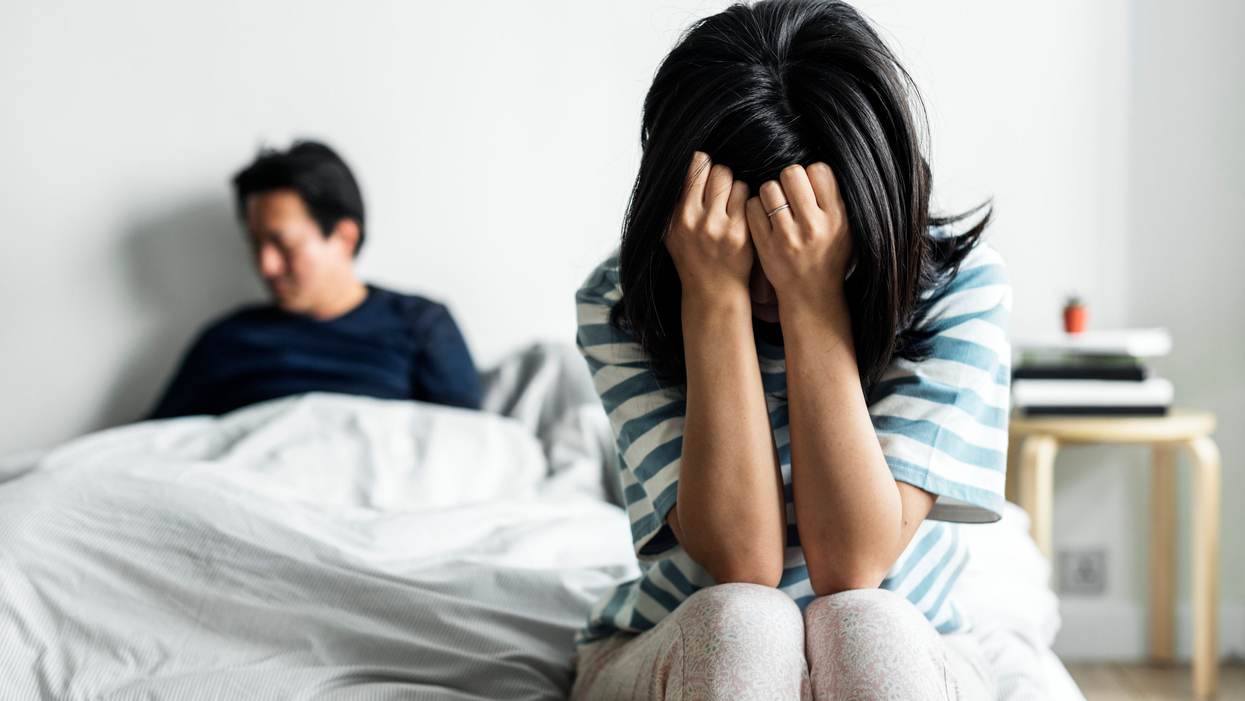
So, I was surprised when Jenny said they were going to couples therapy. Naturally, my brain went to the dark side. Was he cheating on her? Did he have a secret family? Did he even like card games?
Before I got too far down the rabbit hole, Jenny said they’d been bickering about small things, and she didn’t feel heard in their relationship. Couples therapy, she said, was helping them get on the same page and back to enjoying time together.
Ironically, when couples therapy started back in the 1930s, it didn’t have much to do with interacting with your partner. Couples had individual, separate therapy sessions focused on individual problems, which yes, sounds just like individual therapy. But I digress.
Over the decades, couples therapy had its a-ha moment: Put couples together in a room with a licensed therapist. Now more than 7 out of 10 psychotherapists offer couples therapy, and research shows up to half of couples in the U.S. have tried therapy at some point.
But how do you know if couples therapy is right for you and your partner?
What is couples therapy?
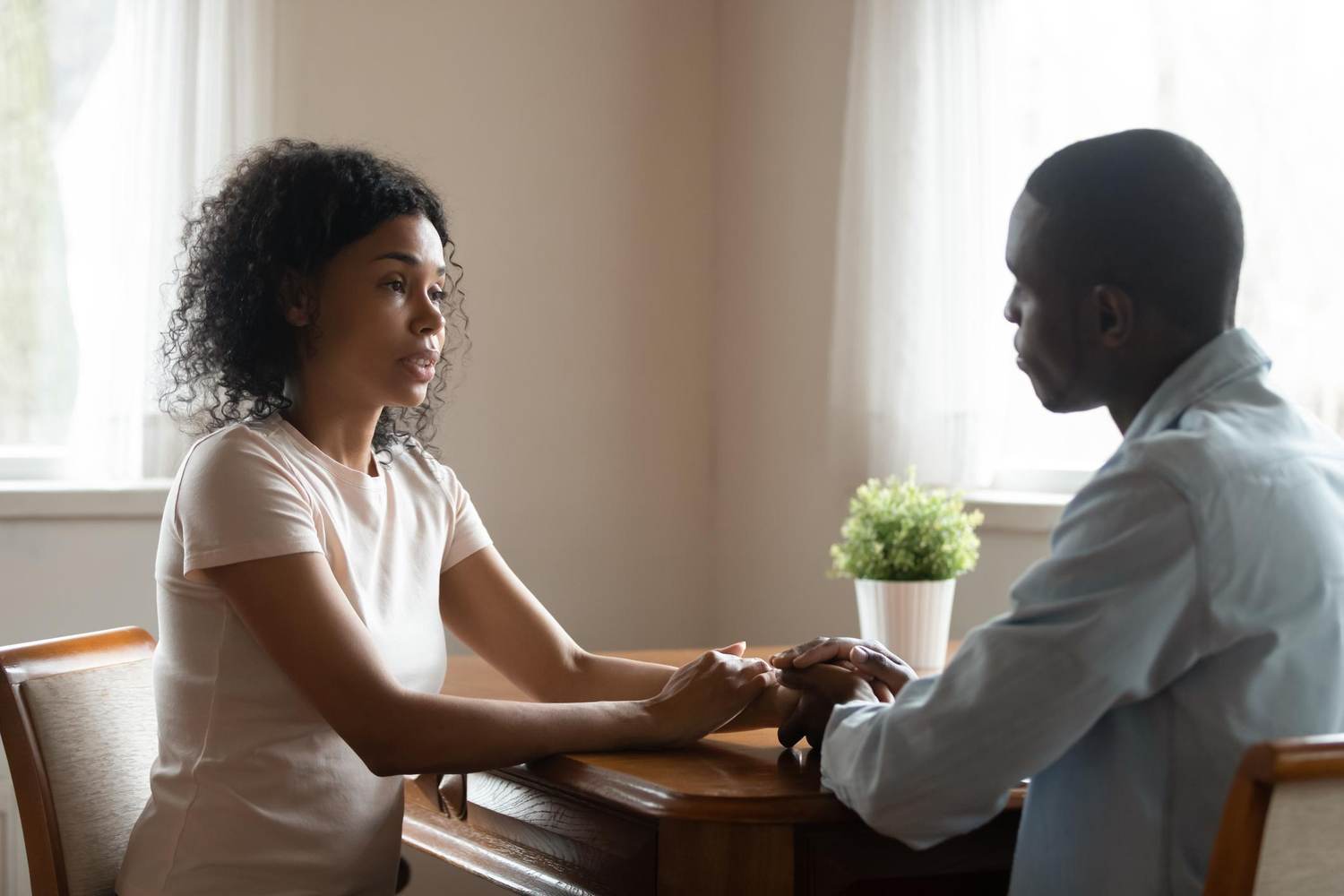
Couples therapy — also called marital therapy if you put a ring on it — is just like it sounds. People in partnerships talk to licencised therapists to work on a wide range of relationship issues.
“Some of the most common reasons people come to couples therapy include a lack of communication, an inability to regulate emotions or the need to learn skills for coping with everyday stress,” said psychotherapist and marriage therapist Robin Hamilton, LCMFT. “They might also have recurring conflict in the relationship about the same issues. If infidelity or a similar event occurred, people will come to therapy because they’re feeling a lack of trust. Finances are also a common reason.”
Relationship therapist Erin Pash, LMFT, said most couples therapy sessions start with the therapist checking in on what issues have come up since the last visit before moving into whatever conflict or pattern is happening with the couple in real time. “Sometimes that’s replaying a recent fight in the room so the therapist can see the dynamic firsthand, rather than just hearing about it secondhand,” Pash said. “Expect to be asked to slow down and notice your own reactions, not just state your case.”
Of course, no two relationships are the same, so therapists use a combination of techniques based on the couple’s needs.
Some common techniques used in couples therapy include:
- Cognitive behavioral therapy — identifying and changing negative behaviors and thought patterns
- Emotionally focused therapy — addressing a lack of emotional connection and creating bonds through attachment and vulnerability exercises
- Gottman Method therapy — identifying destructive communication patterns and replacing them with positive habits and connections
Hamilton said therapy sessions are a safe space to be transparent without judgement and an opportunity for both people to share their feelings and concerns.
“Couples can expect to learn things they did not know. They can look forward to learning new skills for managing emotions associated with their presenting concerns or experience new challenges that test their patience and require recognizing the part they might play in the dysfunctional aspects of the relationship.”
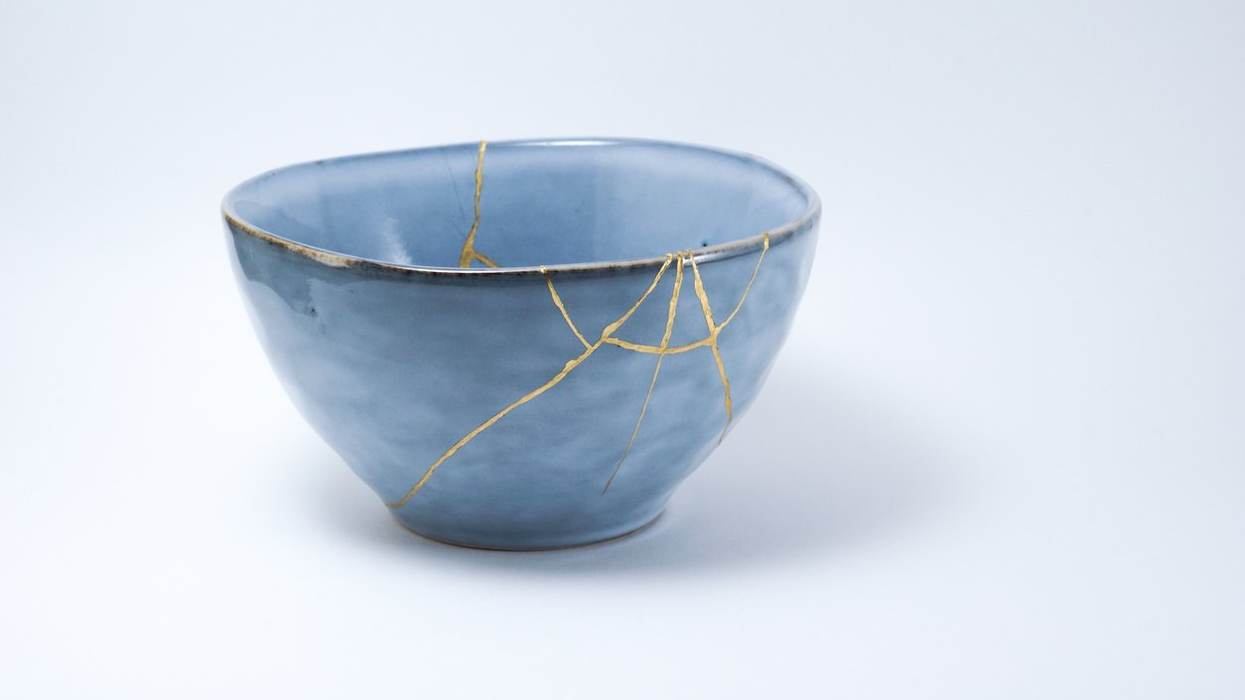
Read: Lessons from Kintsugi: 4 Tips to Help Couples Rebuild After a Break >>
Couples therapy goals
Spoiler: Couples therapy isn’t going to magically elevate your partnership to Goldie Hawn and Kurt Russell status. But common goals for couples therapy include improving communication, strengthening emotional connection, reducing conflict and increasing overall satisfaction in your relationship.
Pash said successful couples therapy helps both people understand the pattern they're stuck in and build a way to navigate conflict that doesn't leave one or both people feeling unseen. “Good couples therapy gives a couple a shared language for what's actually happening between them, instead of each partner defending their own version of events.”
So how do you know if you should be thinking about couples therapy?
“People consider couples therapy when the issues they are experiencing don’t resolve and keep occurring,” Hamilton said. “Oftentimes, if resentment builds, communication breaks down and becomes difficult.”
Issues like a lack of intimacy in the relationship or seeking therapy before a big life event such as marriage, moving in together or a large financial obligation are also times when people may want to consider couples therapy.
Couples therapy and midlife
Midlife can mean new challenges (thanks, menopause!) and life events that can have a serious impact on personal relationships and how you interact with your partner. Physical and hormonal changes, financial anxiety, mortality and sexual changes are all factors that can put stress on your relationship.
“Midlife is when a lot of long-deferred issues surface at once — kids leaving home and couples suddenly facing each other without a buffer, resentment that's been quietly compounding for years, mismatched expectations around retirement or aging parents, infidelity or just the realization that you've been running parallel lives instead of a shared one,” Pash said. “It's less often a single crisis and more often an accumulation that finally gets loud enough to address.”
Regardless of the reason, any personal transition or emotional upheaval has the potential to shake the foundation of a relationship. But embracing change and recognizing that your relationship could be changing too can help you anticipate and prioritize communication with your partner.
“In this stage of life, priorities change, along with family dynamics, certain expectations and even one's sexual needs. By knowing this, the woman can gain a clearer understanding of what is happening to her and in her relationship,” Hamilton said.
Read: Good Sex with Emily Jamea: Maintaining a Strong Sexual Connection During Midlife >>
Does couples therapy work?
You don’t have to be Dr. Ruth to see the potential benefits of couples therapy. One recent meta-analysis of more than 2,000 couples found that couples therapy had an overall positive effect on relationships, including improvements in communication and satisfaction, and the effects were long-lasting.
“There’s no fixed number, but many couples start noticing shifts within the first two to three months if they’re doing the work between sessions, not just during them,” Pash said. “Some couples come for a defined stretch to work through a specific issue and others use it longer-term as a tuneup. Progress is usually less ‘The fighting stopped’ and more ‘We fight differently now.’”
It’s important to note that not everyone will benefit from couples therapy and more serious relationship issues and conflicts, such as addiction and abuse, may need specialized care.
Finding a mental health clinician for couples therapy
There are different types of clinicians that typically offer couples therapy, including licensed therapists and psychologists.
Pash said to look for someone trained specifically in couples work — not just an individual therapist who also sees couples — and don't be afraid to interview a few before committing. “A good early sign is a therapist who can hold both partners’ perspectives without either person feeling like the therapist has picked a side,” she said.
Insurance coverage can be an issue when it comes to couples therapy, so check your coverage and determine the out-of-pocket cost before making an appointment. Some sessions can cost hundreds of dollars.
Survey says: Couples therapy is cool
These days, it’s more common to start a sentence with, “My therapist said …” than avoiding the topic of therapy all together. And people are leaning into couples therapy: In one 2026 survey of couples in treatment, 99% said therapy had a positive effect on their relationship, and many said they believed couples therapy would’ve helped prevent their relationship problems before they started.
To be clear, couples therapy doesn’t mean you’re guaranteed a happily ever after — relationships take work and noise-cancelling headphones. But if you and your partner both want help with your relationship, couples therapy may be an option to consider. After all, there’s no “I” in Team.
*Jenny and Jon are not their real names.






Stories We Love
Support Our Mission
Keep Trusted Women’s Health Information Free
Your donation ensures every woman continues to have access to credible health content.
More Stories







Everything you need to know about women’s health — in one place.