
Here’s a common scenario: A woman in her late 30s starts having a glass or two of wine every evening. Ten years pass. She notices she's more tired than usual, her stomach seems bloated, and her skin looks a little yellow. She finally goes to her medical clinician expecting to hear that she's just overworked. Instead, she's diagnosed with cirrhosis, or permanent scarring of the liver. She didn't think she drank that much. She had no idea her liver was even in danger.
In recent years, more women are being diagnosed with serious liver conditions, including cirrhosis, which can be life-threatening. Much of the increase is related to increased alcohol intake, which has resulted in rising rates of alcohol-associated liver disease (ALD) (formerly called alcoholic liver disease). Rising rates of steatotic liver disease (formerly called fatty liver disease) also are increasing the number of women diagnosed with liver conditions, and these trends are expected to continue.
What is cirrhosis?
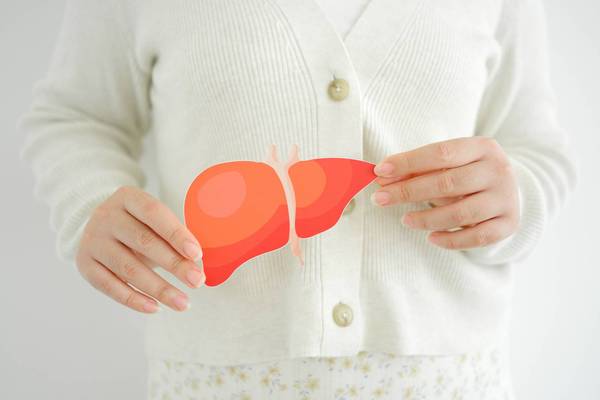
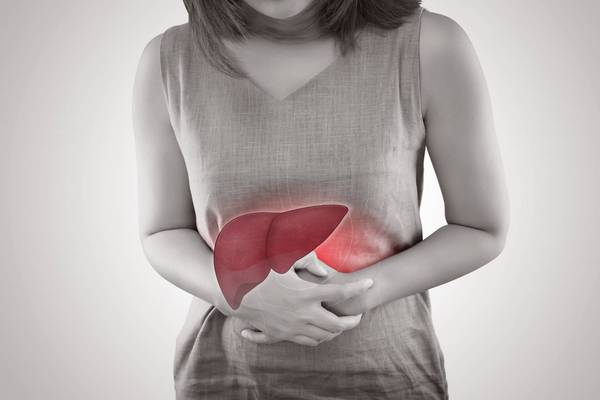
The liver is one of your hardest-working organs. It filters toxins from your blood, helps digest food, and makes proteins your body needs to clot blood and fight infection. When the liver is injured over and over again from too much alcohol, fat buildup, or an overactive immune system, it starts to scar. That scarring is called fibrosis. When enough scar tissue builds up, the condition becomes cirrhosis.
People with cirrhosis can develop serious complications like fluid buildup in the belly, internal bleeding, confusion, kidney failure and even liver cancer. Some people with cirrhosis eventually need a liver transplant to survive.
The alcohol problem: Women bear a higher burden
One of the biggest drivers of cirrhosis in women is ALD. It turns out women's livers are more easily damaged by alcohol than men's, even when they drink less.
A review of the research published in the European Medical Journal found that women have lower levels of a stomach enzyme called gastric alcohol dehydrogenase, which means their blood alcohol levels rise higher than men's after drinking the same amount. Women who consume 40 grams of alcohol per day (roughly three drinks) have more than three times the risk as men in developing cirrhosis.
One study found that women also develop cirrhosis faster than men, in about 13.5 years compared to 20 years, even when controlling for the fact that women drink less overall. And even after women with cirrhosis stop drinking entirely, they tend to have lower five-year survival rates than men who do the same.
Additionally, a large population-based study out of Ontario, Canada, tracking thousands of adolescents and young adults found that alcohol-related hepatitis — an inflammation of the liver caused by heavy drinking — is rising far faster in women than in men, with rates climbing 11% per year in women compared to 8% per year in men. Women who developed alcohol-associated hepatitis (formerly called alcoholic hepatitis) were also about 50% more likely than men to progress to cirrhosis over time, and they had nearly double the rate of liver-related deaths over a 10-year period.
The metabolic connection: MASLD and women
Alcohol isn't the only road to cirrhosis. A growing number of women are developing liver disease through a different path: MASLD, which stands for metabolic dysfunction-associated steatotic liver disease (previously known as nonalcoholic fatty liver disease or NAFLD). MASLD happens when too much fat builds up in the liver, triggering inflammation and, over time, scarring.
The risk factors for MASLD are tied to metabolic health, conditions like high blood sugar, high blood pressure, excess belly fat and high triglycerides. Jennifer Dodge, MPH, an associate professor at Keck Medicine of USC who studies these connections, says the numbers are striking.
“Among women [in the U.S.], 69% have elevated waist circumference, 41% have high blood pressure, 31% have Type 2 diabetes or pre-diabetes, and 64% have at least two cardiometabolic risk factors,” Dodge explained. "That's a substantial portion of women who are at risk.”
Even more concerning: These risk factors appear to be more dangerous for women's livers than for men's. Research by Dodge and her colleagues found that women with high waist circumference, Type 2 diabetes or pre-diabetes have a higher likelihood of liver fibrosis than men with the same risk factors. “There is growing evidence suggesting that women may have a lower threshold for metabolic liver injury,” she said, pointing to differences in how women's bodies handle fat, blood sugar and inflammation.
Why menopause is a hidden turning point
Menopause, unfortunately, turns out to be a risk factor. The hormone estrogen appears to protect the liver, and when estrogen drops after menopause, women's risk of liver disease rises significantly.
One review found that during the reproductive years, MASLD is more common and more severe in men than in women. But after menopause, cases of MASLD increase in women, who also face a greater risk of advanced fibrosis than men, suggesting that protection from estrogen is lost after menopause.
Dodge said the evidence for estrogen's protective role is growing stronger. She explained that estrogen is believed to protect the liver by controlling inflammation, insulin sensitivity and the body’s processes that cause scar tissue to build up. “Not only current estrogen exposure, but total lifetime estrogen exposure, appears to be beneficial for liver health,” Dodge said.
A 2024 review in the journal Liver International found that MASLD is now the leading reason why women need liver transplants, and women over 50 are currently underrepresented in clinical studies of liver disease despite the high numbers of women with the disease.
Autoimmune liver disease: Another women's health issue
Beyond alcohol and metabolism, there's another category of liver disease that strikes women more than men: autoimmune conditions, where the immune system mistakenly attacks the liver.
Women are 10 times more likely than men to develop primary biliary cholangitis (PBC), a chronic disease that slowly destroys bile ducts in the liver, and four times more likely to develop autoimmune hepatitis, a condition where the immune system attacks liver cells directly. Both conditions can progress to cirrhosis if not caught and treated early.
What happens once women are diagnosed with cirrhosis
Even after a woman is diagnosed with cirrhosis, her path through the healthcare system can be harder than a man's.
Jessica Rubin, MD, MPH, a transplant hepatologist and health services researcher at the University of California, San Francisco, has spent years studying the gap between how sick women with cirrhosis actually are and how they're treated.
“Women tend to arrive with more complications, more frailty, more comorbid conditions,” she said. “Cirrhosis is a catabolic disease [when the body breaks down muscle and fat for energy], and women start with less muscle mass, which makes them especially vulnerable.”
Rubin pointed out that a scoring system commonly used to determine who gets a liver transplant, called the MELD score, tends to underestimate how sick women are. That means women can be ranked lower on transplant waiting lists even when they're actually sicker than their male counterparts. Her research has shown that women on transplant waiting lists are hospitalized more frequently than men, which likely reflects the gap between their true illness severity and their MELD score.
Racial disparities: Some women face even greater risks
Liver disease doesn't affect all women equally. Rubin emphasized that race and socioeconomic status add layers of disadvantage that often go unmeasured in research.
“Black women face real barriers from multiple directions, including structural racism in healthcare access, the MELD gap that affects women broadly and barriers to support resources,” she says. “Hispanic women carry a disproportionate burden of MASLD and often arrive with more advanced fibrosis,” she noted, pointing out that they often cannot get the help they need because they face hurdles like language barriers, documentation concerns and lack of insurance.
A 2025 analysis published in Scientific Reports found that the rates of alcohol-related cirrhosis in women are highest in lower-income regions, reflecting a complex mix of cultural, healthcare and socioeconomic factors that increase vulnerability to the disease. As Rubin explained, “The disparities we can actually measure are probably an underestimate.”
What you can do to lower your risk of liver disease
Here's the empowering part: Much of what drives liver disease in women is manageable, and knowing your risk is the first step.
Dodge is direct about the message she wants women to hear. “Liver disease is prevalent in the U.S. and women are at risk due to cardiometabolic risk factors. This link between liver disease and metabolic factors is underrecognized — but these risk factors can be managed, and how well they are managed impacts liver disease outcomes.”
That means talking to your clinician about your blood sugar, blood pressure, cholesterol and waist circumference. It means being honest about your drinking habits, knowing that even moderate alcohol use carries more liver risk for women than for men. It means understanding that menopause is a time to pay closer attention to metabolic health, not less. And it means advocating for yourself if something feels wrong. Fatigue, bloating and jaundice are symptoms that deserve proper attention.
Rubin, who sees patients with advanced cirrhosis every day, puts it plainly: “The questions I face in the clinic are the most actionable ones. We need women, and their doctors, to start asking them earlier.”
This educational resource was created with support from Merck.
- Unexplained Itching and Fatigue? Time to Get Your Liver Checked ›
- What You Need to Know About Liver Disease ›
- Formerly Known as Fatty Liver Disease: What Is MASLD? - HealthyWomen ›