
Search
Latest Stories


Newsletter Sign-Up
Newsletter
February is American Heart Month.
Almost 1 in 2 adults in the United States have high blood pressure, but only half of those people — about 1 in 4 — have the condition under control. This means they’re at higher risk of serious health problems like stroke and heart disease — the number one killer of women in the U.S.
The good news? There are simple steps you can take to prevent and manage high blood pressure. Understanding the basics of blood pressure may help you keep yours under control.
What is blood pressure?
Blood pressure is a measure of the force your blood uses to get through your arteries, which are blood vessels that move oxygen-loaded blood from your heart to other parts of your body.
Your blood pressure isn’t steady — it goes up or down depending on whether you’re active and excited or resting and relaxed.
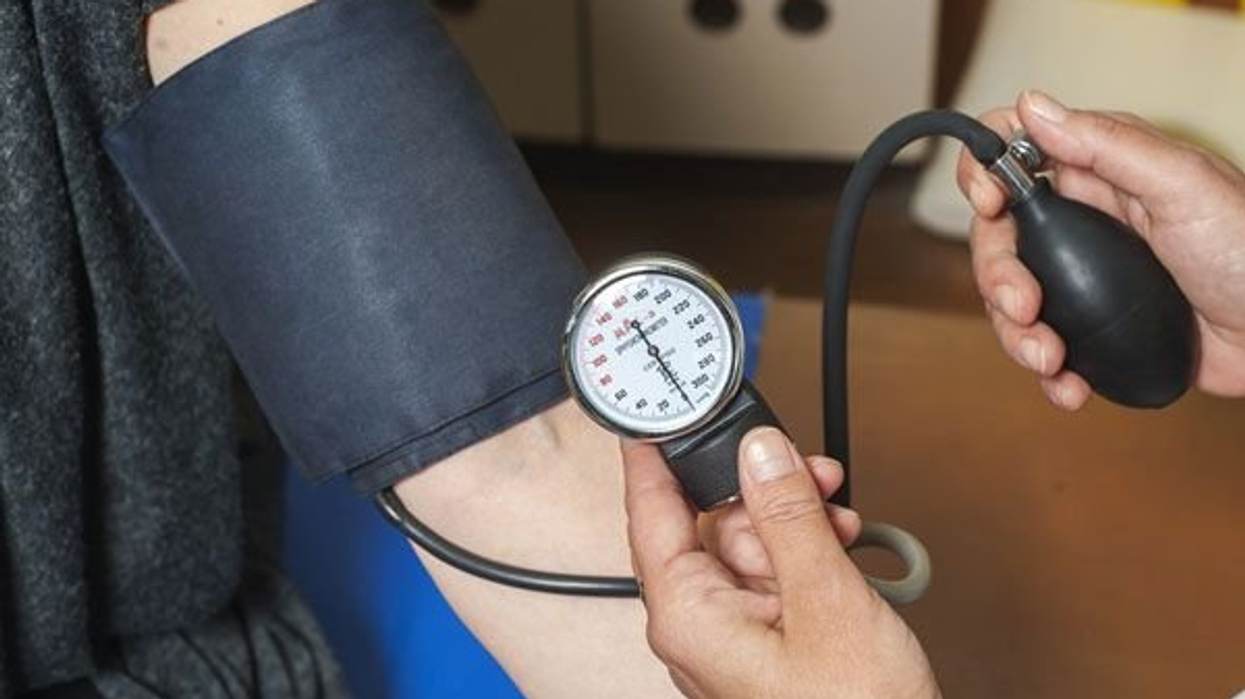
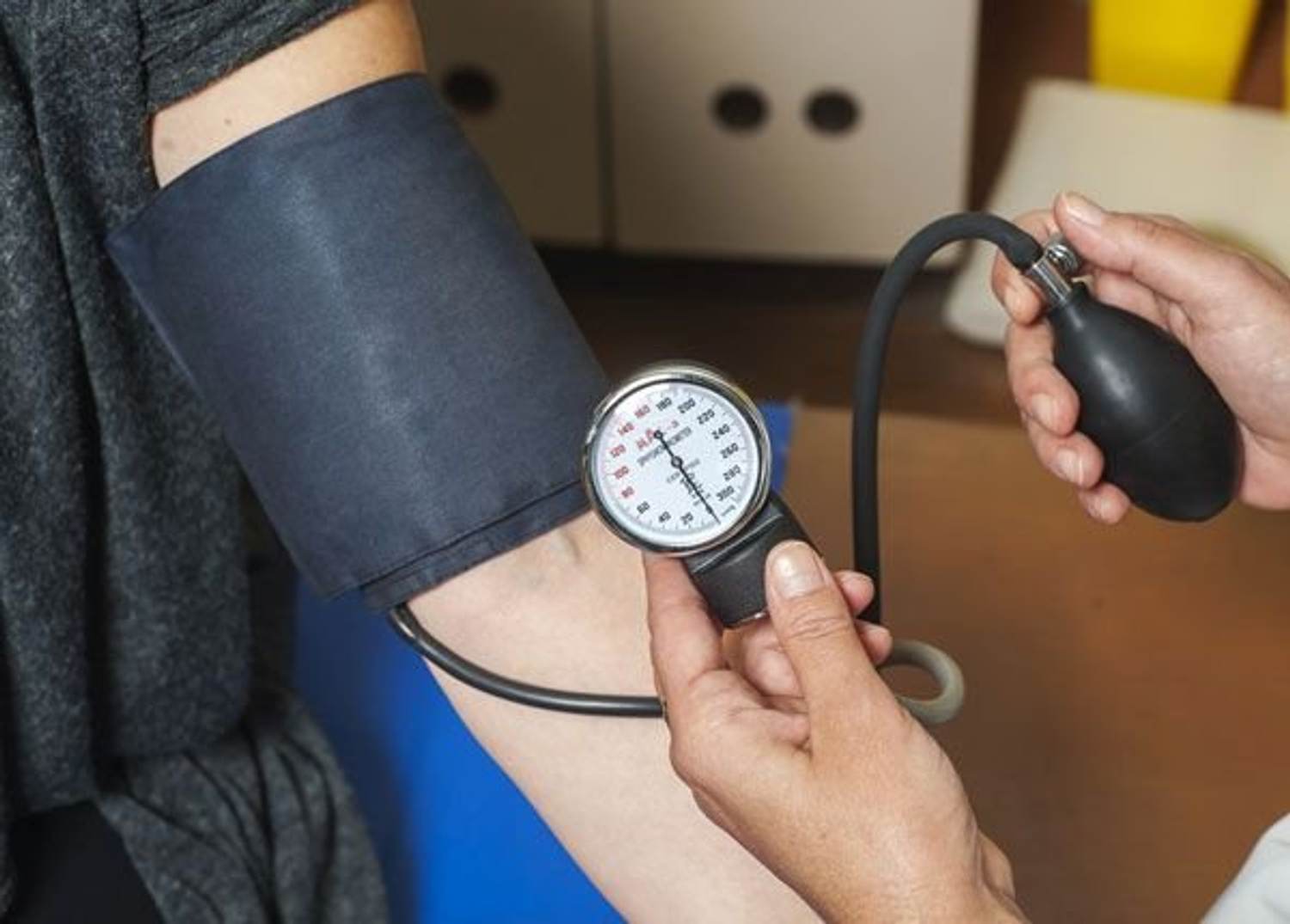
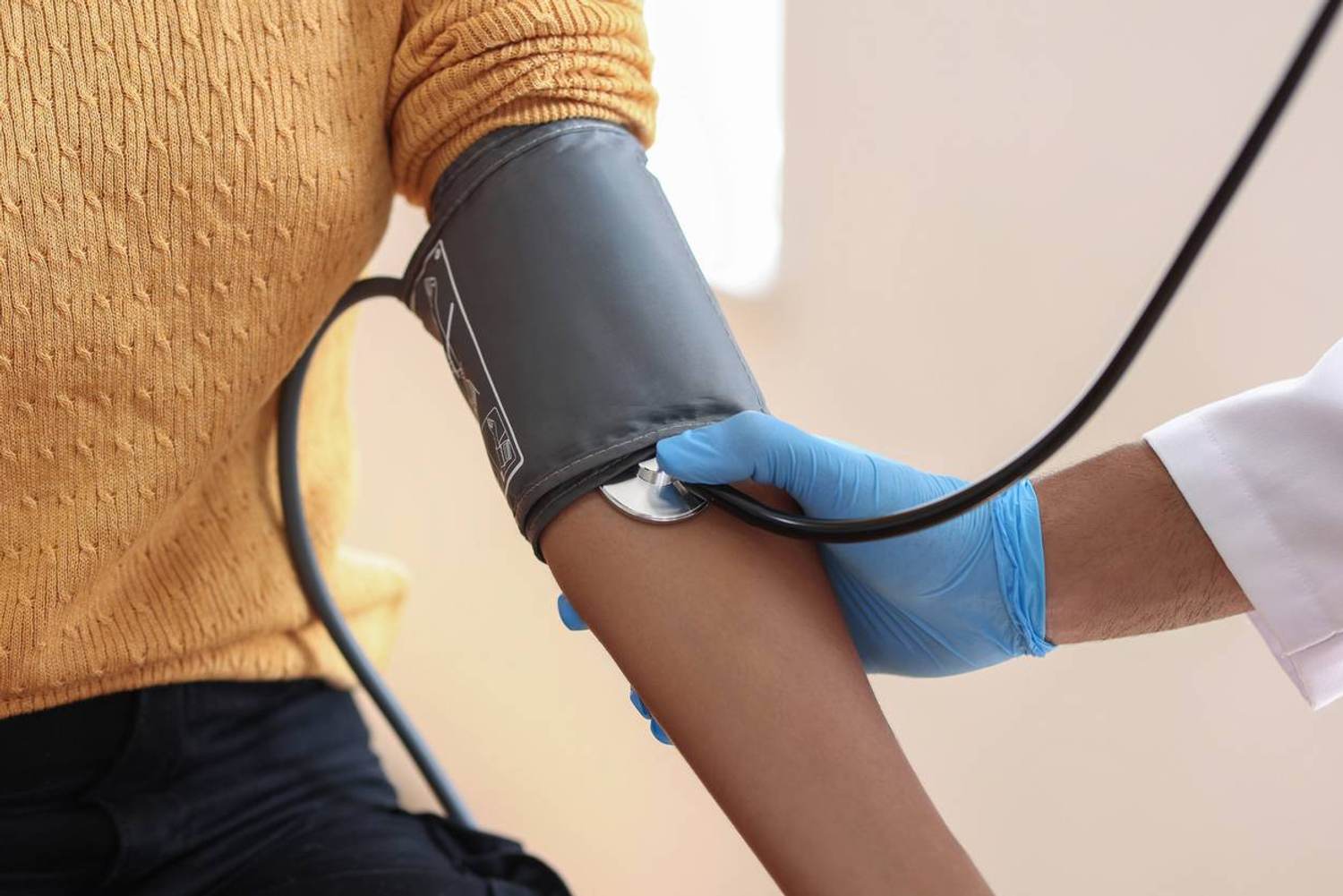
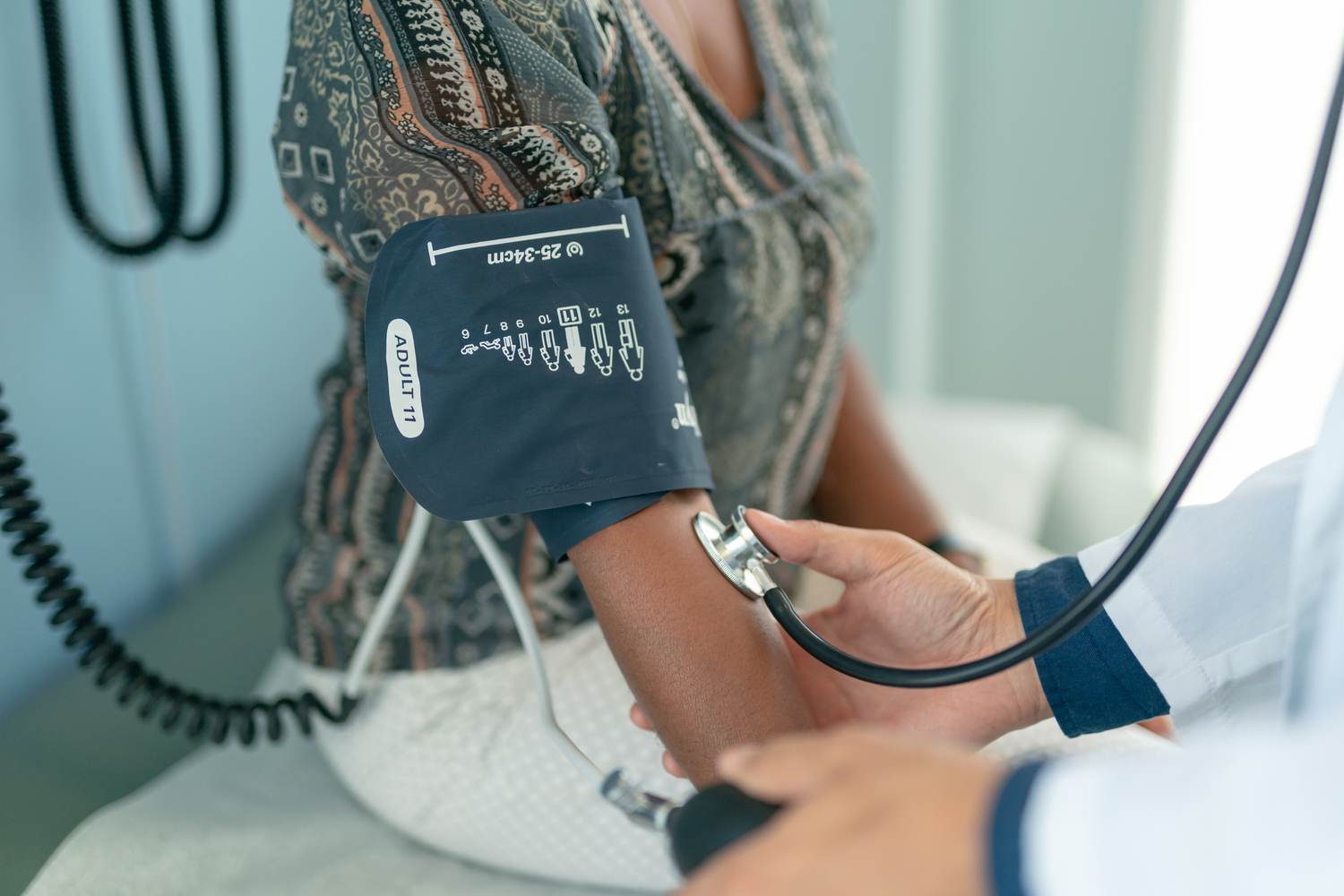
When a healthcare provider (HCP) checks your blood pressure, they measure how hard your blood is pushing against your arteries when your heart is beating and when it’s resting between heartbeats. This is why blood pressure is shown as two numbers, one on top of the other (like a fraction).
- Systolic blood pressure is the top (first) number in your blood pressure reading. It’s a measure of the pressure in your arteries when your heart is beating.
- Diastolic blood pressure is the bottom (second) number in your reading. It’s a measure of the pressure in your arteries when your heart is resting between heartbeats.
Knowing your numbers
It’s one thing to be told your systolic and diastolic blood pressure numbers, and another thing to understand what they mean.
In August 2025, the American Heart Association (AHA) and American College of Cardiology changed their guidelines around what is considered “normal” or healthy blood pressure levels. These updated guidelines put more focus on preventing high blood pressure and catching it early for treatment.
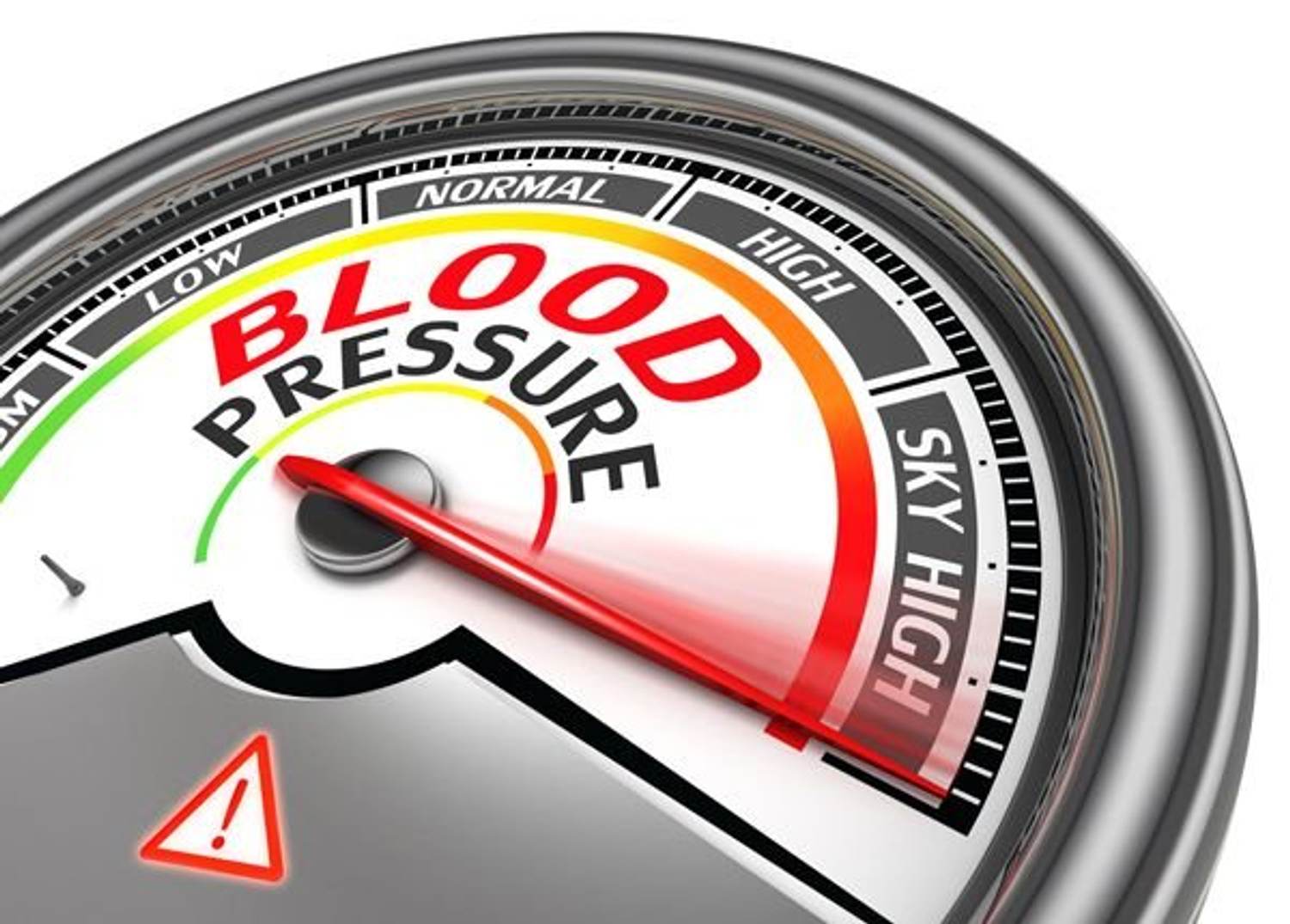
According to the new guidelines, your blood pressure is normal if:
- Systolic pressure (top number) is less than 120 and
- Diastolic pressure (bottom number) is less than 80
Your blood pressure is considered elevated if:
- Systolic pressure is between 120 and 129 and
- Diastolic pressure is less than 80
A person is considered to have high blood pressure, also called hypertension, if:
you have consistent readings of:
- Systolic pressure at or above 130 or
- Diastolic pressure at or above 80
If your systolic pressure is higher than 180 and/or your diastolic pressure is higher than 120 and you don’t have symptoms, call your HCP. If you also have symptoms, call 911.
How high blood pressure affects your blood vessels (and your health)
High blood pressure means blood is constantly pushing too hard against the walls of your arteries, and your heart has to work harder than it should to pump blood through your body.
Over time, high blood pressure may cause your arteries and other blood vessels to become less flexible — and therefore less able to move blood and oxygen to your heart and throughout your body.
Lowered blood flow to the heart caused by high blood pressure raises your chances of heart disease, chest pain (angina), heart attacks and heart failure.
If high blood pressure damages any of the valves in your heart, it can cause heart valve disease.
High blood pressure can also cause the arteries that carry blood and oxygen to your brain to become blocked or even burst, leading to a stroke.
Because high blood pressure can cause so many problems with your blood vessels and heart, it raises your risk of dying at a younger age than average from heart or blood vessel problems.
And high blood pressure is also linked to kidney disease because it can weaken, narrow or harden the blood vessels in your kidneys to the point that they don’t get enough blood to work properly.
Preventing and managing high blood pressure
Lifestyle changes can go a long way in helping to keep blood pressure normal — and bringing it down if it gets too high. Some things you can do to control your blood pressure are:
- Maintain a healthy weight
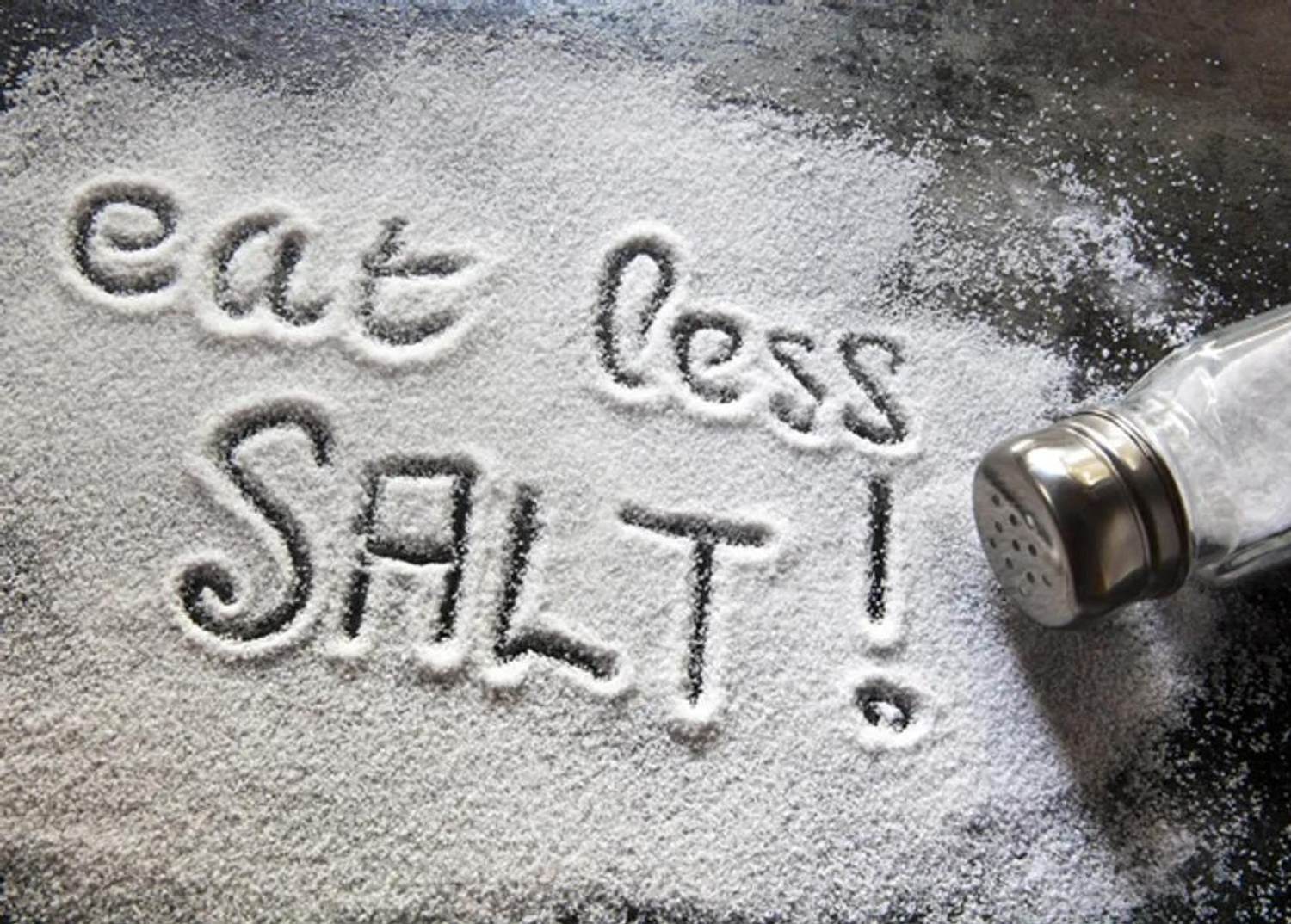
- Eat heart-healthy foods like vegetables, fruit and whole grains, and watch your salt intake
- Move your body on a regular basis
- Try to keep stress in check
- Get enough sleep
- Limit or eliminate alcohol intake
- Avoid smoking
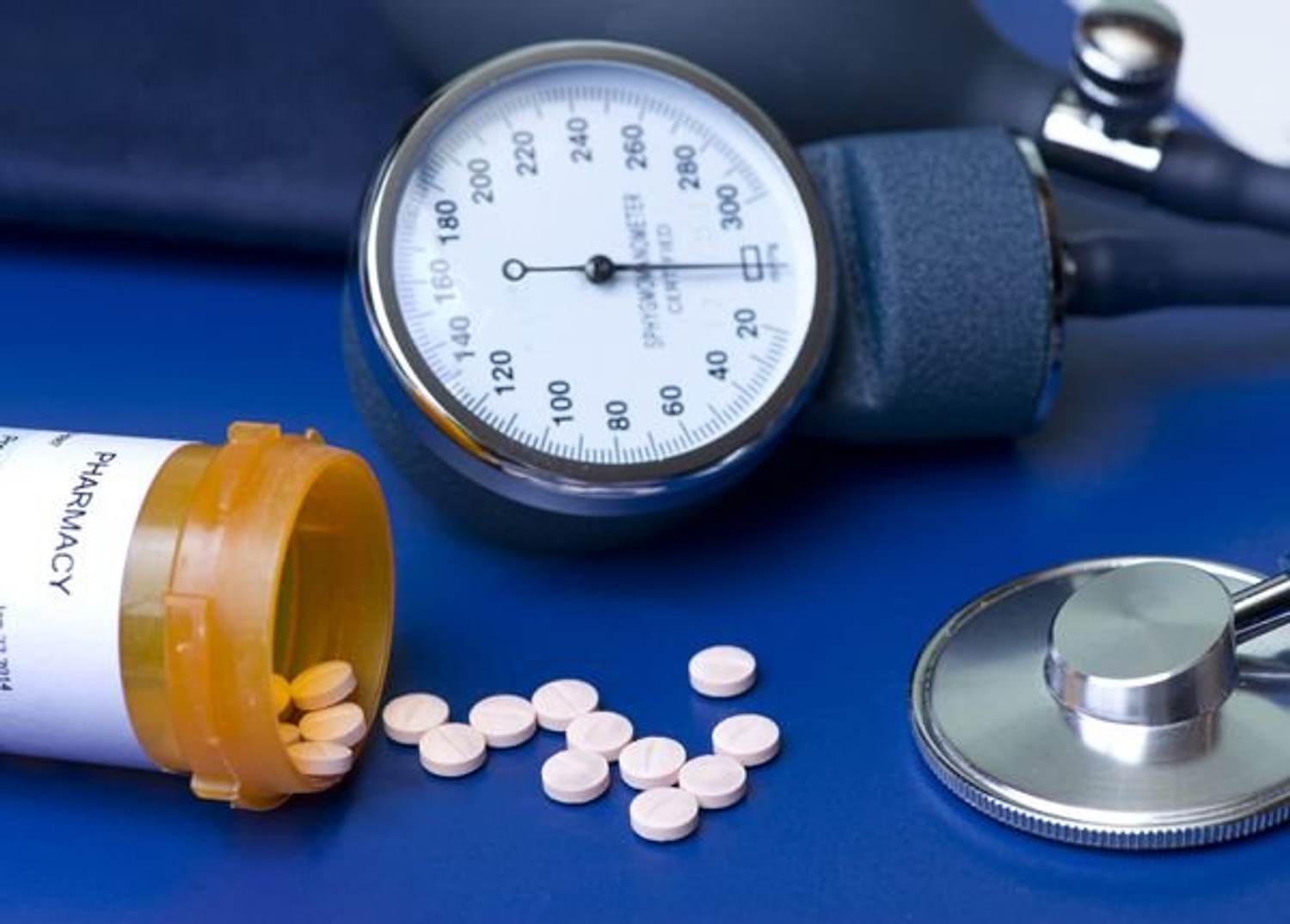
If changing your lifestyle isn’t enough to manage your blood pressure, your HCP may recommend prescription medication.
Medications used to treat high blood pressure can include:
- Diuretics (water pills) that help the body get rid of excess salt and water to control blood pressure
- Beta-blockers that help lower blood pressure by slowing your heart rate
- Angiotensin-converting enzyme inhibitors (ACE inhibitors) that help the body produce less angiotensin, a chemical that narrows arteries
- Angiotensin II receptor blockers (ARBs), which block the effects of angiotensin
- Calcium channel blockers that help open up blood vessels
- Alpha blockers that relax the walls of your arteries
- Central alpha-2 receptor agonists, which block certain brain signals that can cause your heart rate to go up and blood vessels to narrow
- Blood vessel dilators (vasodilators), which widen blood vessels by causing the muscles in their walls to relax
Get checked for high blood pressure
If you’re worried about your blood pressure — or even if you just haven’t had it checked in a while — reach out to your HCP. Or visit your local public health department or pharmacy, which may offer blood pressure screenings, too.
Knowing your blood pressure, along with how to manage it with or without medication, can help you keep your blood vessels and your heart healthy.
This educational resource was created with support from Merck.




Stories We Love
1

High Blood Pressure Symptoms You Should Never Ignore
Aug 01, 2018
2
True or False: Hypertension
May 08, 2025
3
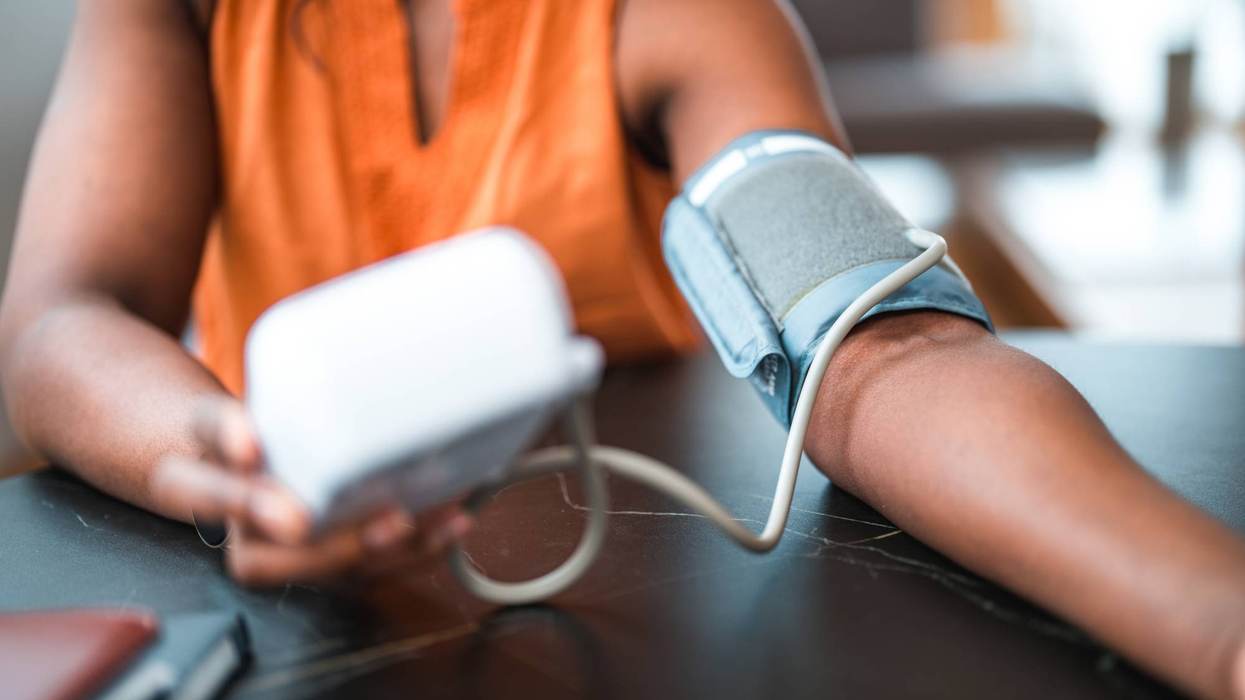
5 Surprising Things That Can Affect Blood Pressure
May 27, 2026
4
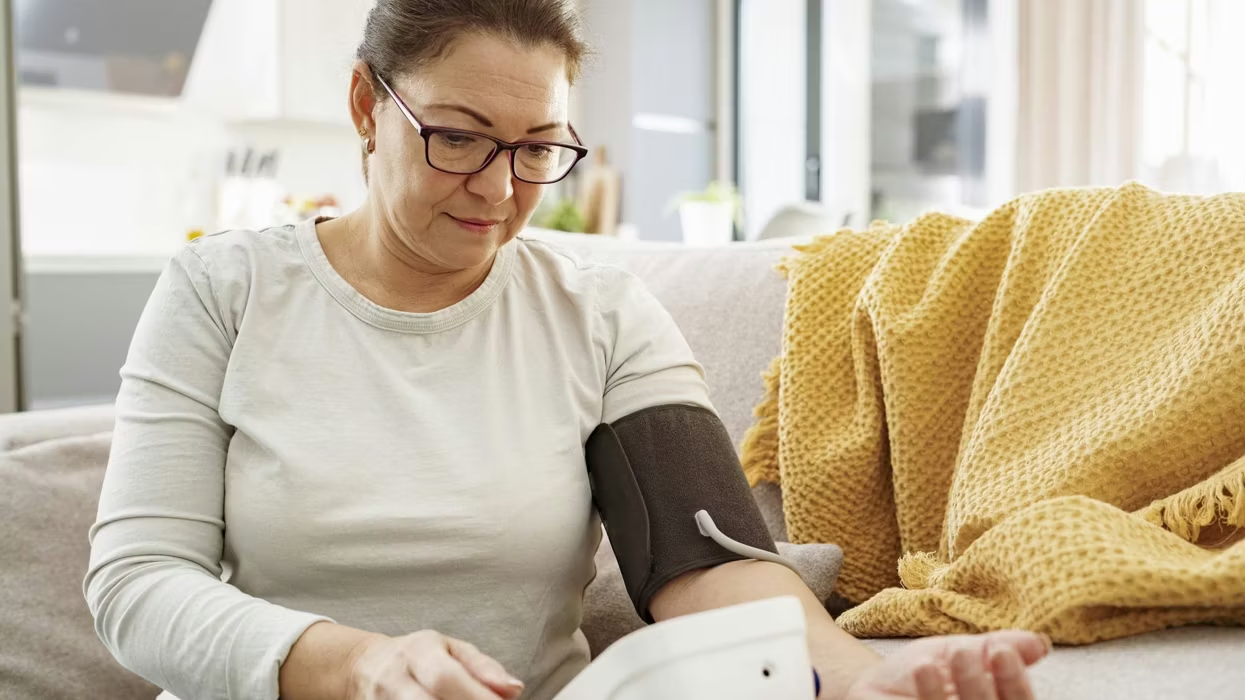
10 Things You May Not Know About High Blood Pressure
Sep 29, 2026
5
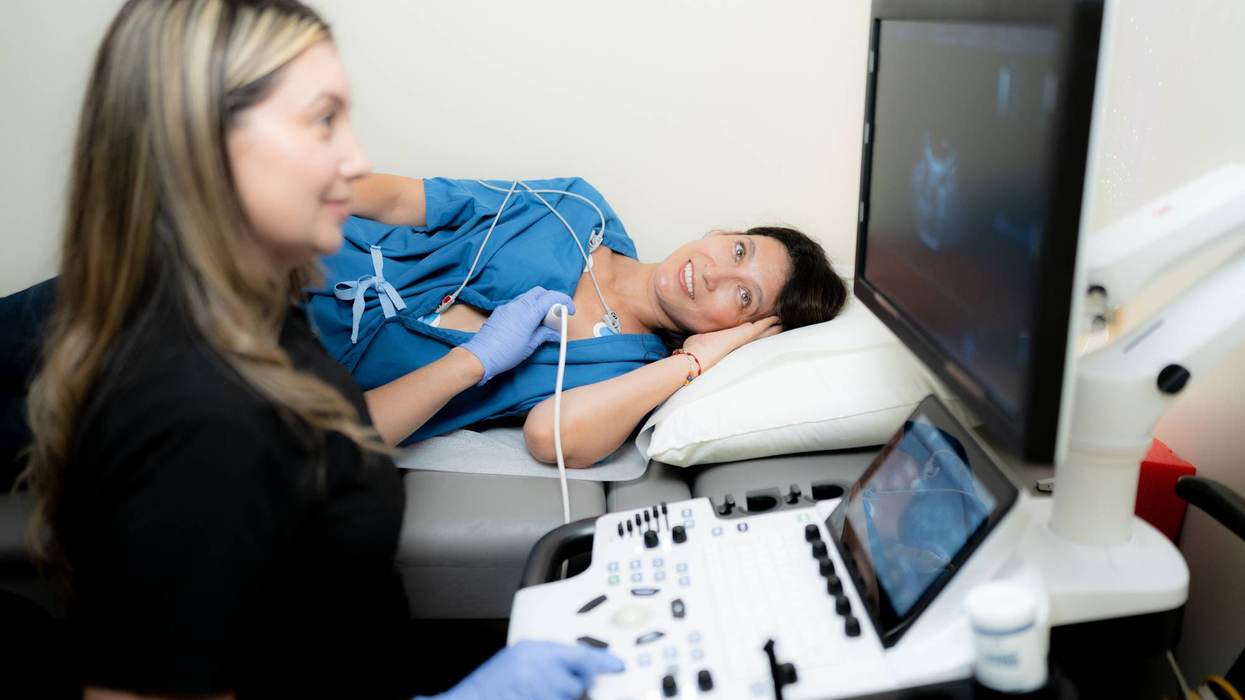
Cardiac Diagnostic Tests
Oct 13, 2026
6
Pruebas para diagnósticos cardiacos
Oct 13, 2026
Support Our Mission
Keep Trusted Women’s Health Information Free
Your donation ensures every woman continues to have access to credible health content.
More Stories



Everything you need to know about women’s health — in one place.