

Search
Latest Stories

Newsletter Sign-Up
Newsletter
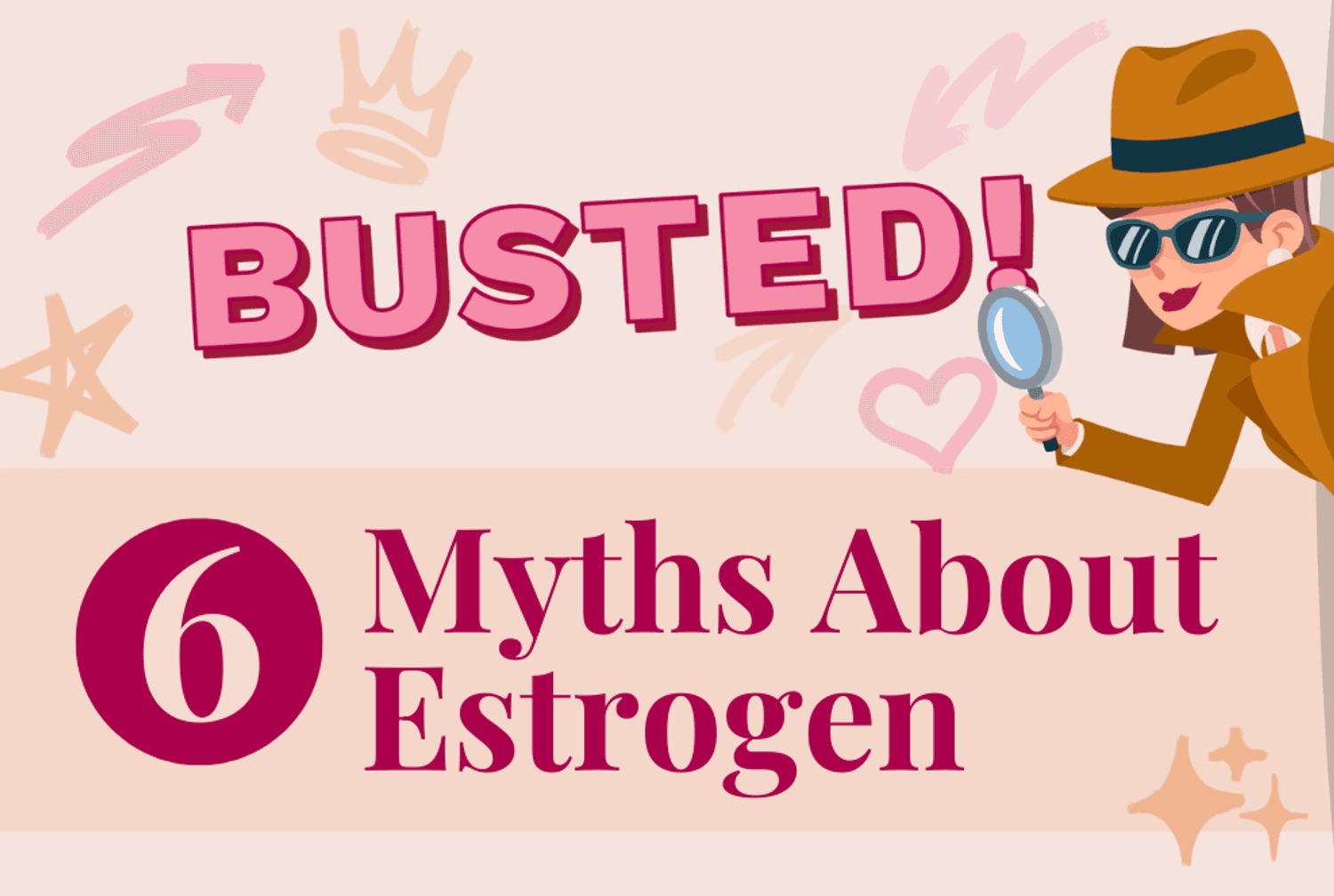
Menopause and its little sister, perimenopause, are having a moment. It may be a moment that’s dripping with sweat and confused about its own name, but it’s still a moment.
And it means that more and more women are talking about and destigmatizing the big change — and we think that’s great. But sometimes, more chatter means more misinformation, too. So we’re here to bust six common myths about estrogen, one player in hormone therapy (HT), the most effective treatment for menopause.
1. "Hormone therapy will make you gain weight."
Hormone therapy does not cause significant weight gain, said Barbra Hanna, DO, FACOG, MSCP, in Wheaton, IL.
While many women do notice weight gain and body changes as they get older, Hanna explained that any midlife weight gain is more likely due to age-related metabolism shifts than hormone therapy itself.
And on the flip side, Barb DePree, M.D., FACOG, NCMP, MMM, director of Women's Health at Holland Hospital, and member of HealthyWomen’s Women's Health Advisory Council (WHAC), pointed out that while no studies yet clearly link estrogen to weight in either regard — up or down — hormone therapy could help someone who is struggling with hormone-related symptoms that impact their lifestyle.
"Hormone therapy may be helpful for weight maintenance, in that if you’re sleeping better, your mood is better. You have less joint pain … all of [which] might help you make better choices around lifestyle, and the result might be improved weight management."
2. "Estrogen increases a woman’s risk of cancer."
iStock.com/Svitlana Hruts
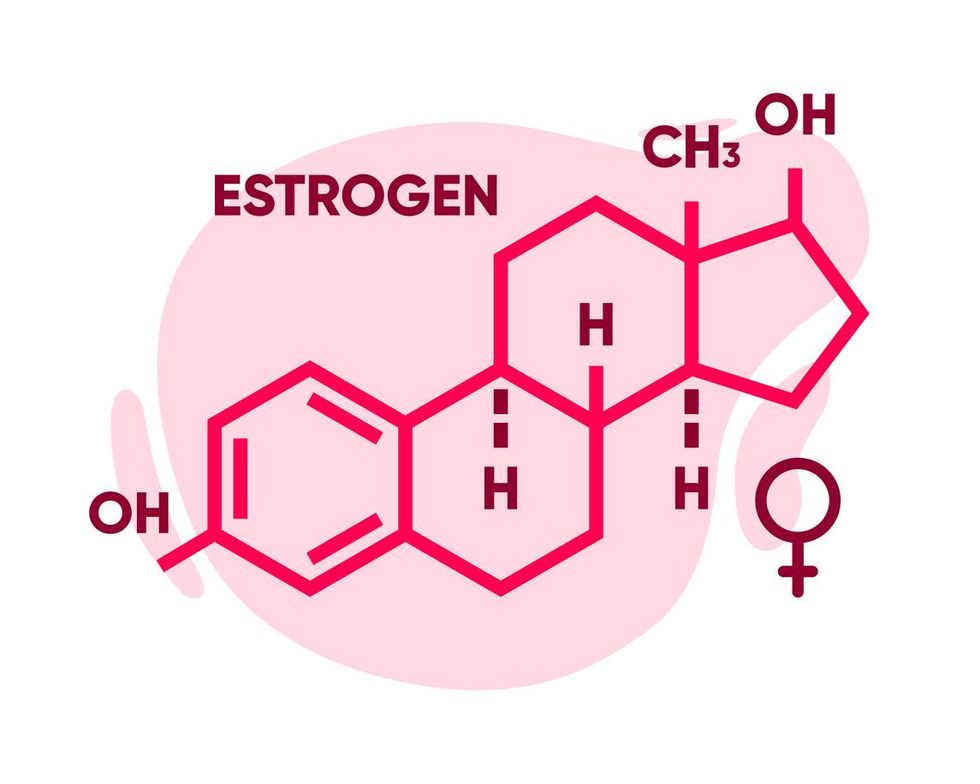
The myth that estrogen increases the risk of cancer is one of the most prominent and lasting ones — but it’s also wrong. This myth originates from the 2002 Women's Health Initiative study that aimed to look at the risks and benefits of hormone therapy in postmenopausal women.
That study did find a slight increased risk of breast cancer in women, but, DePree said there are two key facts women need to know about those findings:
- The increased risk was only found with a specific type of estrogen that was given with a synthetic version of progestin.
- Women given estrogen alone in the trial actually had less breast cancer occurrence than those given the placebo.
Despite those key facts that meant estrogen wasn't causing breast cancer, the study kicked off a lot of frenzy and lingering fears. Fortunately, those findings have been replaced by better data.
Today, DePree explained, doctors “don't see hormone therapy as a significant breast cancer risk.”
What can increase your risk of breast cancer, however, are factors such as breast density, family history, gene mutations, alcohol consumption, lack of exercise, diet and smoking.
Read: More Research Shows Vaginal Estrogen Is Safe for People with a History of Breast Cancer >>
3. "Estrogen increases the risk of heart attack and stroke."
Estrogen can increase the risk of a heart attack or stroke, but there's a catch, said DePree: The risk depends entirely on how the dose is delivered. Oral estrogen, like the kind found in birth control pills, can increase the risk, but the patch, which is transdermal (through the skin) or vaginal estrogen, does not.
She explained that oral estrogen is processed through the liver, which changes a blood-clotting protein slightly enough to increase the risk of blood clots. However, nearly all HT is delivered in a patch or in other non-pill forms, which means the risk of oral estrogen is not present.
Of course, anyone with cardiovascular conditions or who is at risk of a stroke should always discuss their risk with their healthcare provider (HCP).
4. "You should wait until your symptoms are really bad before taking hormone therapy."
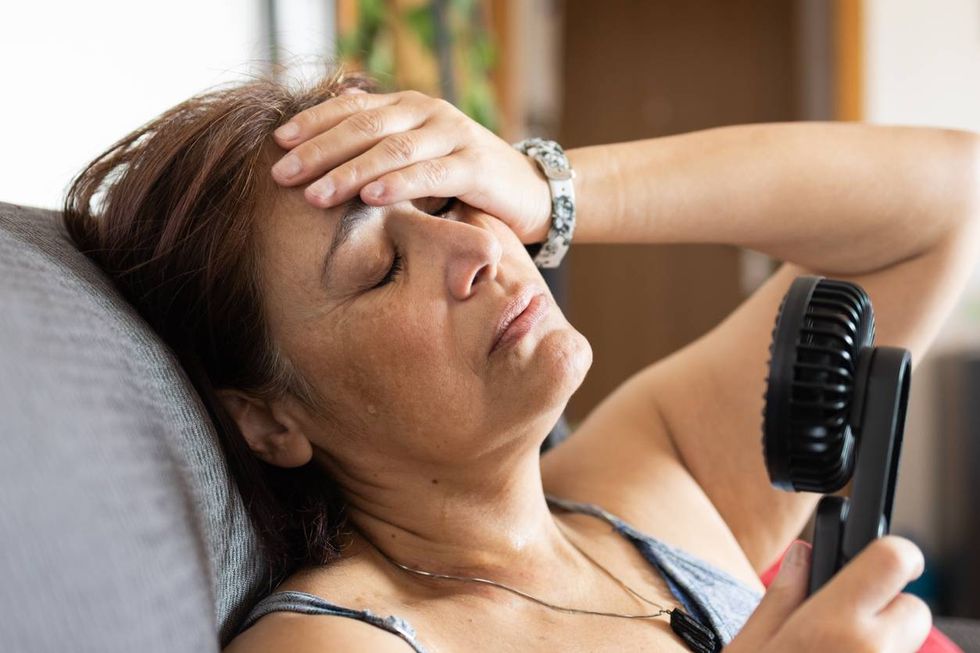
iStock.com/David Petrus Ibars
This one is definitely false, according to Mary Jane Minkin, M.D., co-director of the Sexuality, Intimacy, and Menopause Program for Cancer Survivors at Smilow Cancer Hospital at Yale Medical Center and member of HealthyWomen’s WHAC.
"I tell women that we can start hormone therapy when they are symptomatic," she said.
Hanna is even more emphatic on when to start HT: “Let me be clear here,” she said. "Women who are still having periods but are experiencing symptoms can safely begin hormone therapy. No one should be left to suffer with symptoms until they have gone a year without a period. Perimenopause hormone chaos is real, and women deserve management options."
Not only can hormone therapy ease symptoms for some women, but DePree added that research has found that the closer HT is started to the onset of menopause, the lower the risks associated with using it.
5. "Natural remedies are safer than hormone therapy."
Hanna is also very passionate about dispelling this myth, especially when it comes to practitioners selling compounded “natural” hormones to women that are not covered by insurance and come with steep price tags.
“Compounded hormones are not FDA-approved, lack standardization and may carry unknown risks,” she stated. “FDA-approved bioidentical HT options exist and are safer than compounded, unregulated versions.”
Plus, FDA-approved HT is covered by health insurance.
6. "You can only take hormone therapy for a few years."
"The use of [HT] has no expiration date related to age," Hanna said.
The official stance of The Menopause Society is that women can safely use HT until age 65 and then have an individualized risk/benefit discussion with their HCPs on stopping or continuing.
The bottom line, according to DePree, is that female hormones are nothing to fear, especially when you consider the fact that most women never question them when their bodies are naturally producing them. “For 40 years or so, our ovaries were very efficient in producing hormones, and no one ever questioned the safety or advisability of having exposure to female hormones,” she said.
“So is there something about it when you turn 52 or 55 or 45 that now hormones are inadvisable and shouldn't be considered? I think the answer is no.”







Popular
1
What Happens in the Body During a Hot Flash
Sep 03, 2026
2

3
Understanding Menopause Stages and Terms
Sep 08, 2026
4
5
Lo que ocurre en el cuerpo durante un bochorno
Sep 03, 2026
6
Biologics for Treating Asthma
Sep 22, 2026
Support Our Mission
Keep Trusted Women’s Health Information Free
Your donation ensures every woman continues to have access to credible health content.More Stories






Everything you need to know about women’s health — in one place.