
Search
Latest Stories
Newsletter Sign-Up
Newsletter

It’s the end of the year, peeps — and what a year it was.
We’re locking in and bringing good energy into the new year, so now is a perfect time to reflect back on some of the HealthyWomen stories and important things we learned about women’s health in 2025 that made us high-five the universe and take a pause from doom scrolling to share with our friends.
Here are 5 notable highlights in women’s health living rent-free in our brains into 2026.
1. Estrogen products are getting the glow up they deserve
iStock.com/Volha Barysevich
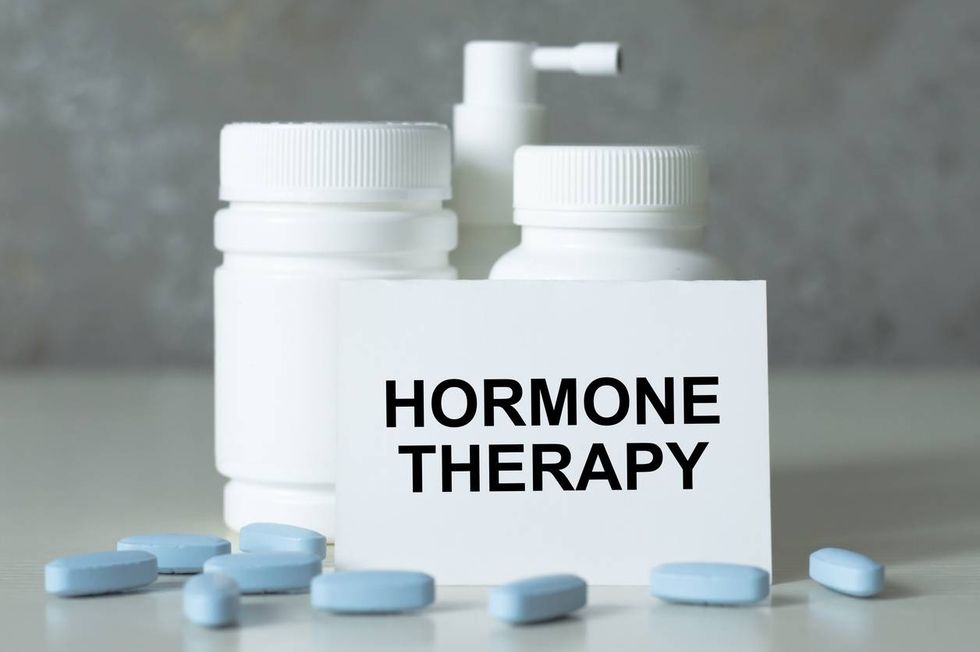
Cue the balloons: Health officials stepped outside the box and agreed to remove the black box safety warnings on menopause hormone therapy products, including low-dose vaginal estrogen products.
Hormone therapy (HT) treats symptoms that result from declining estrogen and progesterone during menopause. But the treatment options went full-on scarlet letter in 2003 after the flawed Women’s Health Initiative (WHI) study said HT caused breast cancer and heart problems among other health issues. And, as a result, many women didn’t get the treatment they needed for symptoms of menopause.
Now, after more than 20 years of research, the inaccurate warning labels stating that HT causes breast cancer, cardiovascular disease and dementia are being removed from products.
HT isn’t for everyone, but getting rid of the inaccurate information helps HT shake off its bad reputation. We’re in our HT era.
2. There’s an FDA-cleared lingerie that protects against STIs during oral sex (and it’s cute)

Manifesting works, people. Case-in-point: Lorals for Protection, the first FDA-cleared underwear line that protects against sexually transmitted infections (STIs) during oral sex.
The thin and stretchy latex design reduces the transmission of bodily fluids and harmful pathogens that can happen during oral contact. Each pair is full coverage for vaginal and anal fun, and fits like a regular pair of underwear.
Finally: an easy, sexy way to protect yourself during oral sex. Your move, dental dam.
3. Birth control pills can prevent endometrial cancer in people with polycystic ovary syndrome (PCOS)
iStock.com/Mindful Media
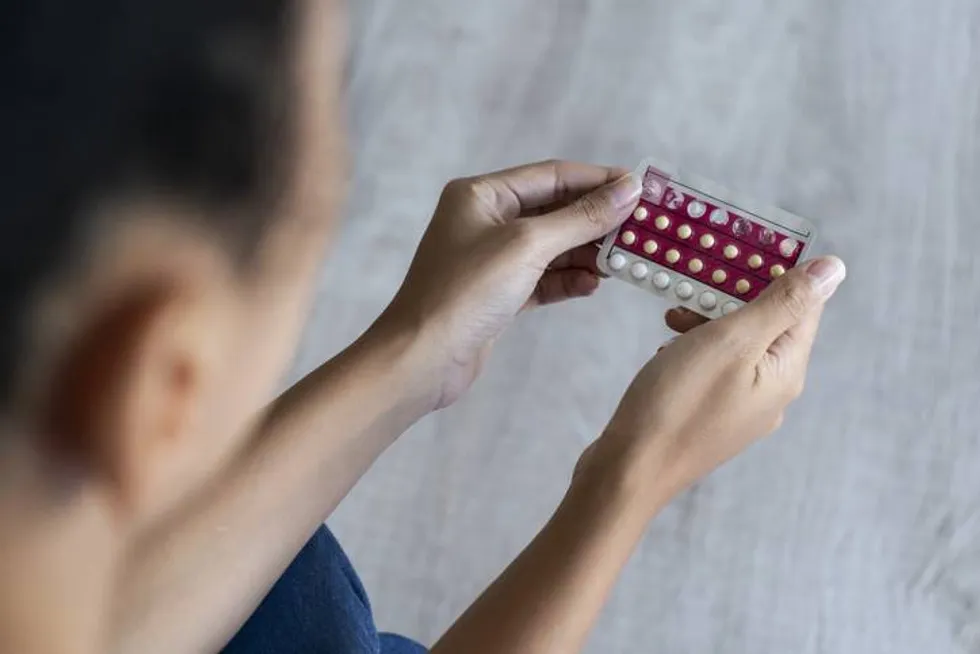
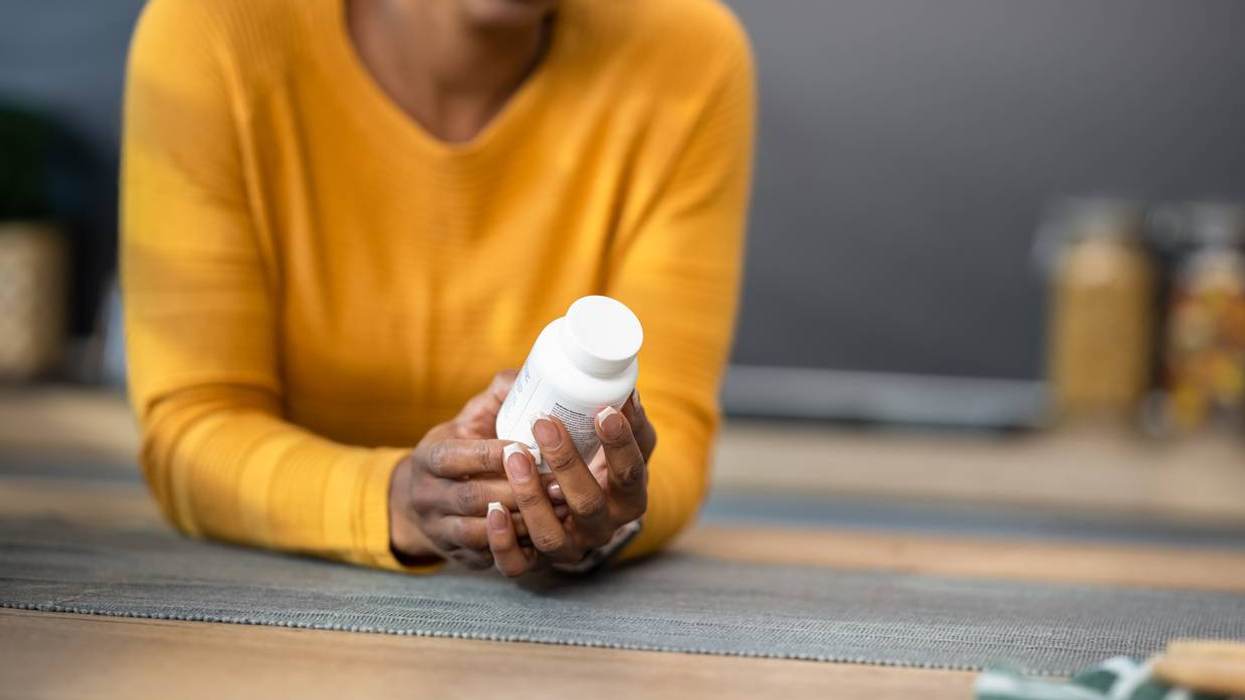
If you or someone you know has polycystic ovary syndrome (PCOS), it’s important to note that taking birth control pills can decrease the risk of endometrial cancer.
In one of our Real Women, Real Stories this year, Kayla Nixon shared that she learned about the benefits of birth control for people with PCOS only after she was diagnosed with cancer.
“When the oncologist asked if I’d ever gotten on birth control for my PCOS, he told me that I should have — because it could have prevented the cancer from developing. If I’d known this, I would have taken that step, and I also wish I’d known I had PCOS earlier so I could have had more time to take action.”
Read: I Was Told I Was Too Young to Have Endometrial Cancer — but I Did >>
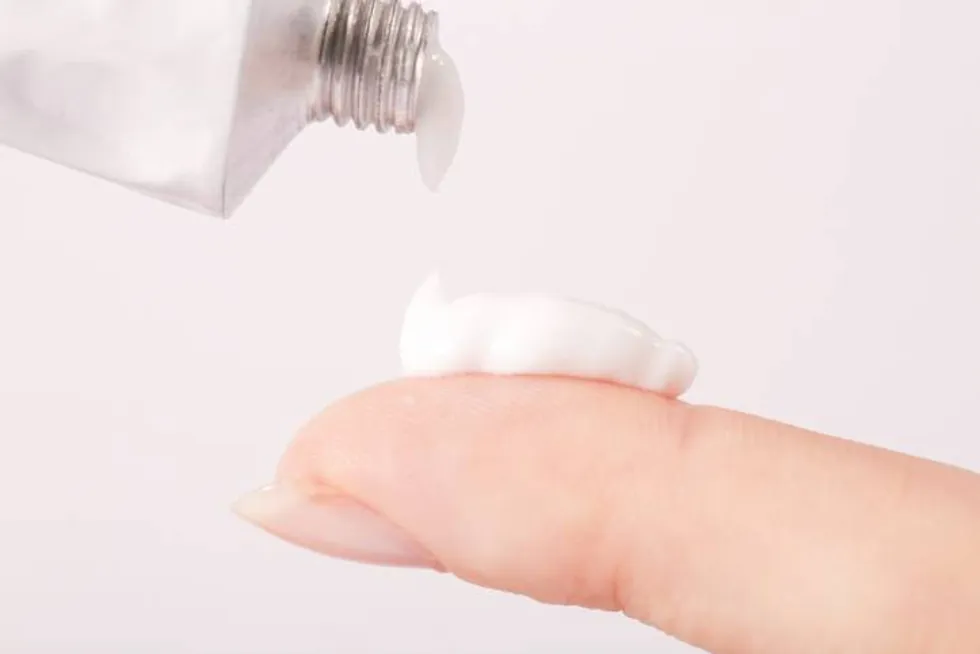
4. Local vaginal estrogen is safe for people with a history of breast cancer
iStock.com/simarik
For women with hormone-positive breast cancer — the most common type of breast cancer in the U.S. — estrogen is the enemy. But estrogen keeps your vagina healthy and lubricated, and without it, symptoms like dryness, burning and pain during sex can be life-altering.
But not all estrogen is created equal. Vaginal estrogen therapy to treat genitourinary syndrome of menopause (GSM) is localized, meaning the treatment only affects the vaginal area — not the entire body. And a 2025 review of more than 5,000 studies confirmed that women with a history of breast cancer who used local vaginal estrogen did not increase their risk of recurrence for breast cancer.
The review made headlines and put vaginal estrogen therapy in the spotlight and reminded us that vaginal estrogen is an option.
Read: More Research Shows Vaginal Estrogen Is Safe for People with a History of Breast Cancer >>
5. Monotasking is the new multitasking

iStock.com/FG Trade
Most of us associate multitasking with being productive. Who doesn’t shop for groceries, answer work emails and talk to their mother on the phone while walking the dog?
Unfortunately, the more you’re trying to do, the more likely you’re causing harm to your brain. Over time, multitasking can reduce your attention span, harm your working memory and stress your brain out, which can lead to serious health problems.
One idea: Monotasking. Science says our brains are designed to focus on one thing at a time.
We know this sounds impossible. But it’s worth a try. Just remind yourself about the time that you purchased 44 pineapples, emailed your boss the wrong report and let your dog roll around in the mud. Your mom is still talking about it.








Stories We Love
1
2

3
10 Women Who Shaped and Advanced Women's Health
Mar 04, 2016
4
Is AI Going to Make Your Doctor Obsolete?
Oct 19, 2026
5

6
Support Our Mission
Keep Trusted Women’s Health Information Free
Your donation ensures every woman continues to have access to credible health content.
More Stories






Everything you need to know about women’s health — in one place.