


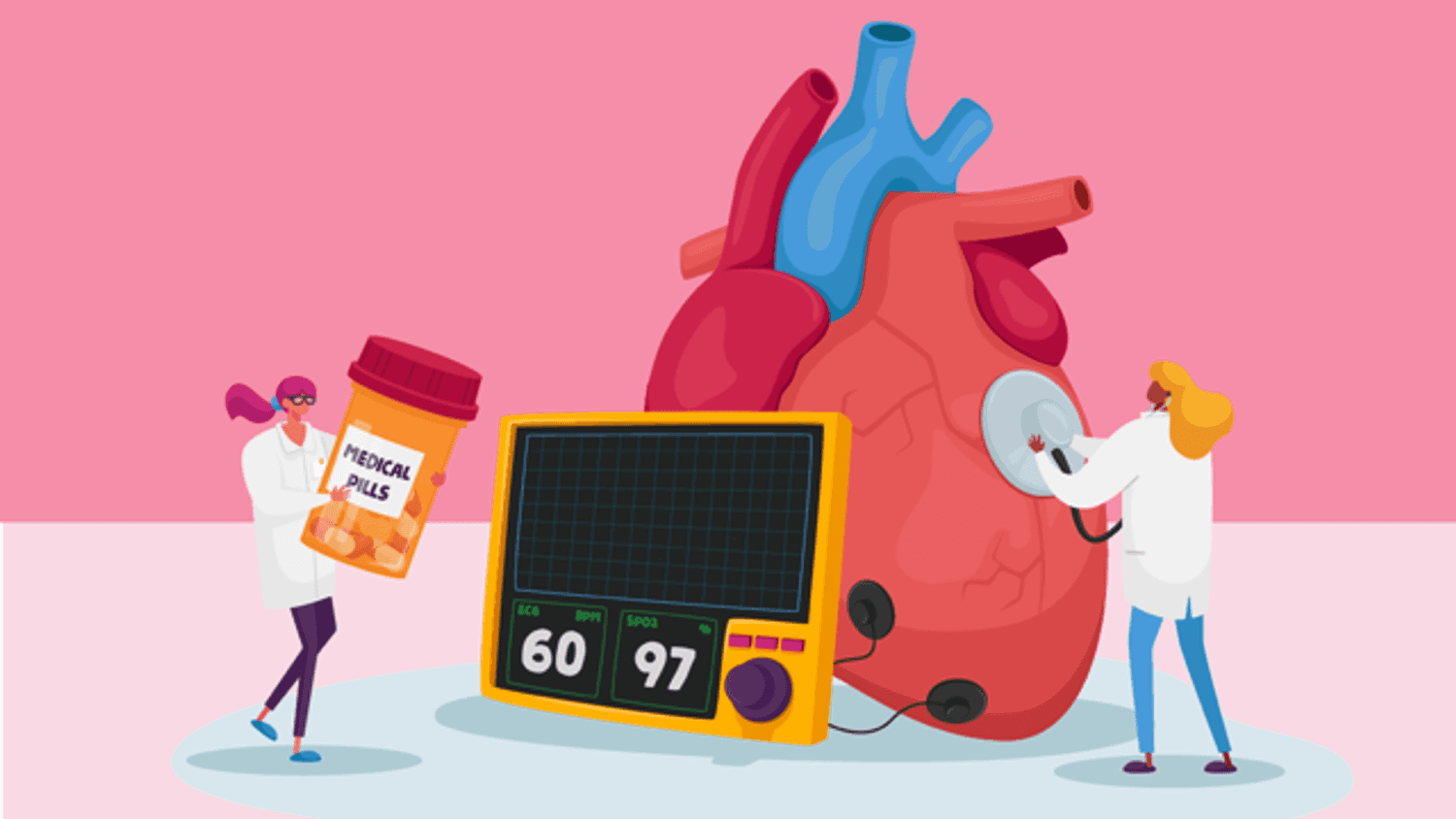
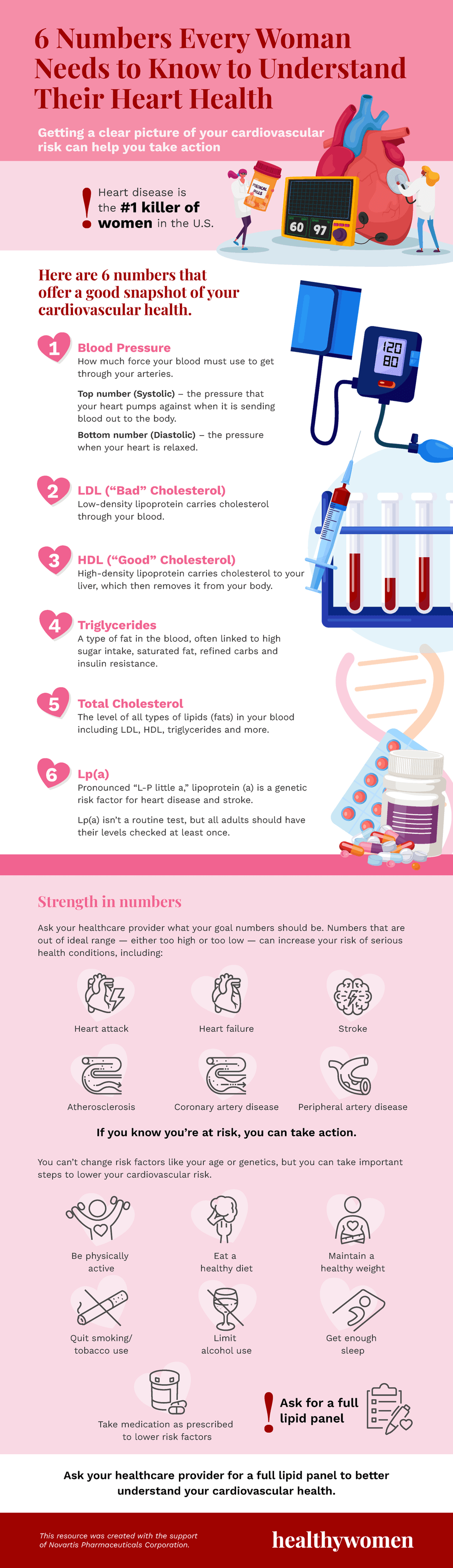
Heart disease is the #1 killer of women in the U.S.
Here are 6 numbers that offer a good snapshot of your cardiovascular health.
1. Blood Pressure – How much force your blood must use to get through your arteries.
Top number (Systolic) – the pressure that your heart pumps against when it is sending blood out to the body
Bottom number (Diastolic) – the pressure when your heart is relaxed
2. LDL (“Bad” Cholesterol) – Low-density lipoprotein carries cholesterol through your blood.
3. HDL (“Good” Cholesterol) – High-density lipoprotein carries cholesterol to your liver, which then removes it from your body.
4. Triglycerides – A type of fat in the blood, often linked to high sugar intake, saturated fat, refined carbs and insulin resistance.
5. Total Cholesterol – The level of all types of lipids (fats) in your blood including LDL, HDL, triglycerides and more.
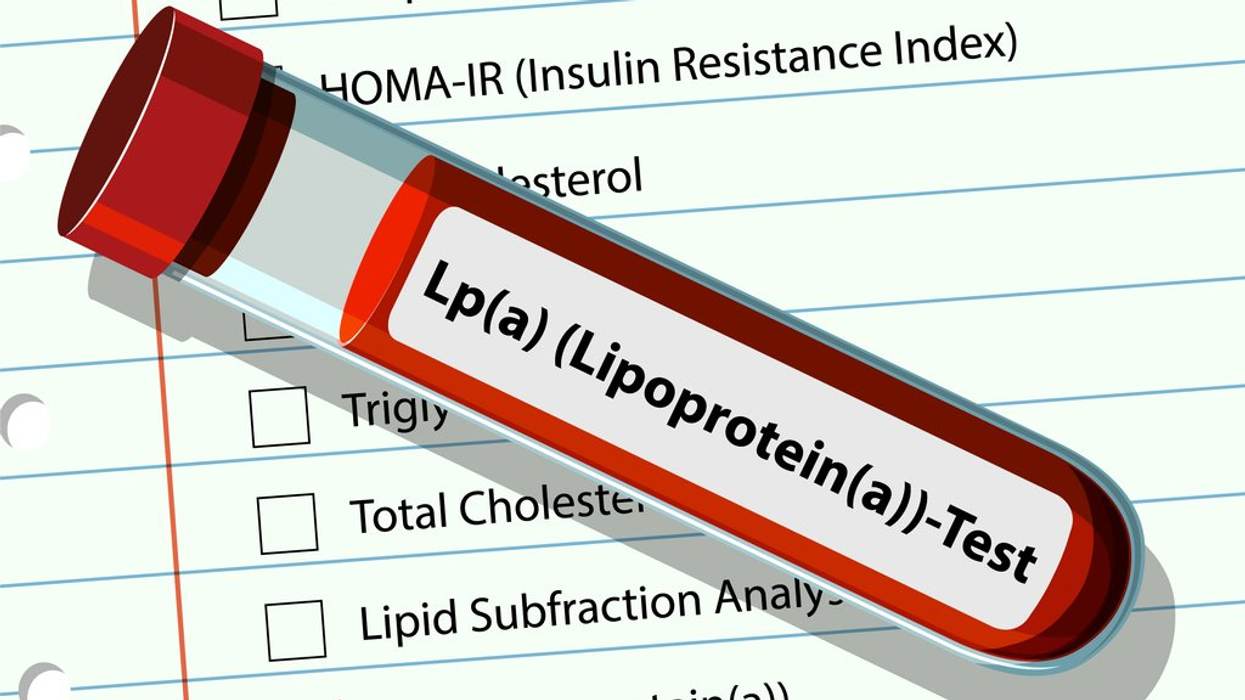
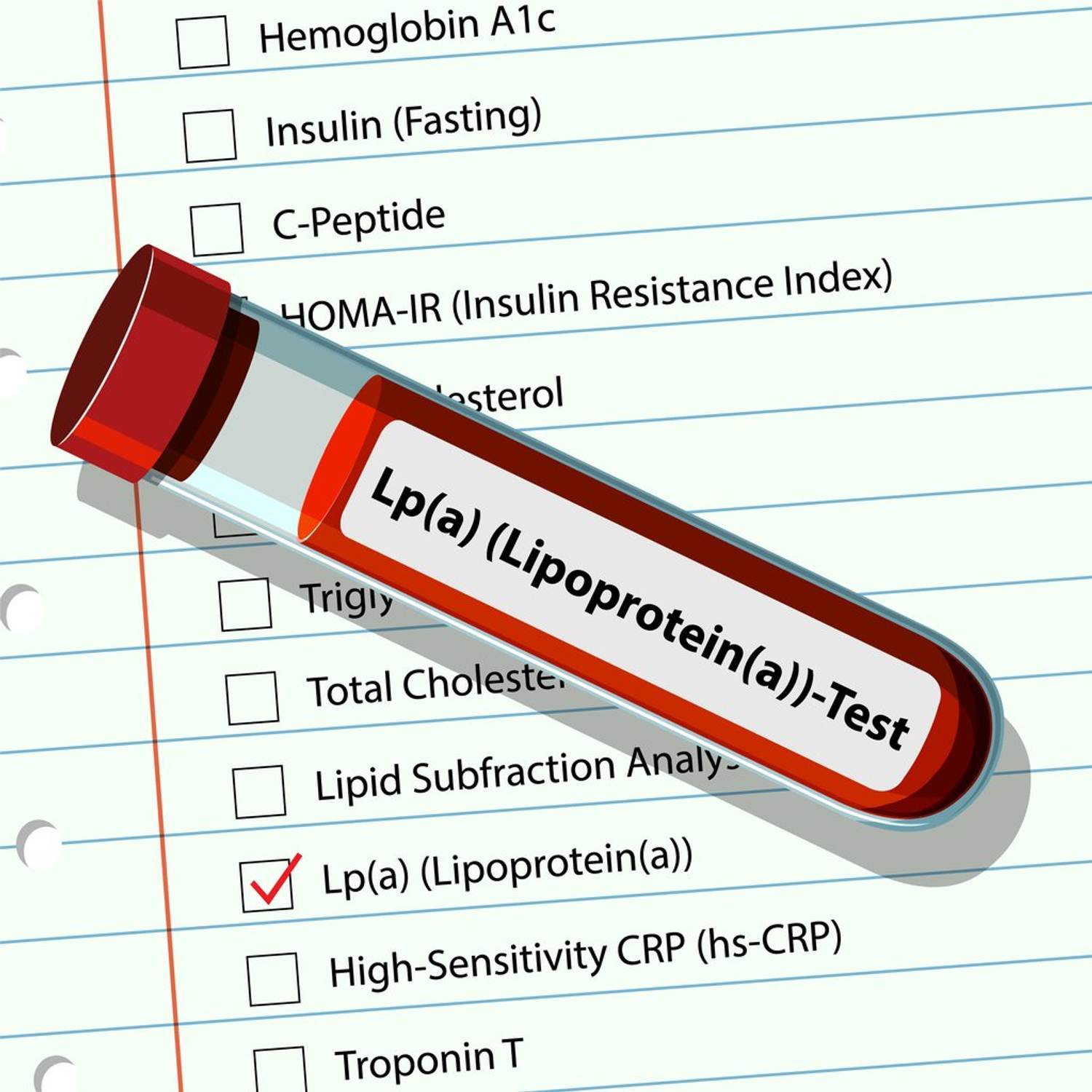
6. Lp(a) – Pronounced “L-P little a,” lipoprotein (a) is a genetic risk factor for heart disease and stroke.
Lp(a) isn’t a routine test, but all adults should have their levels checked at least once.
Strength in numbers
Ask your healthcare provider what your goal numbers should be. Numbers that are out of ideal range — either too high or too low — can increase your risk of serious health conditions, including:
- Heart attack
- Heart failure
- Stroke
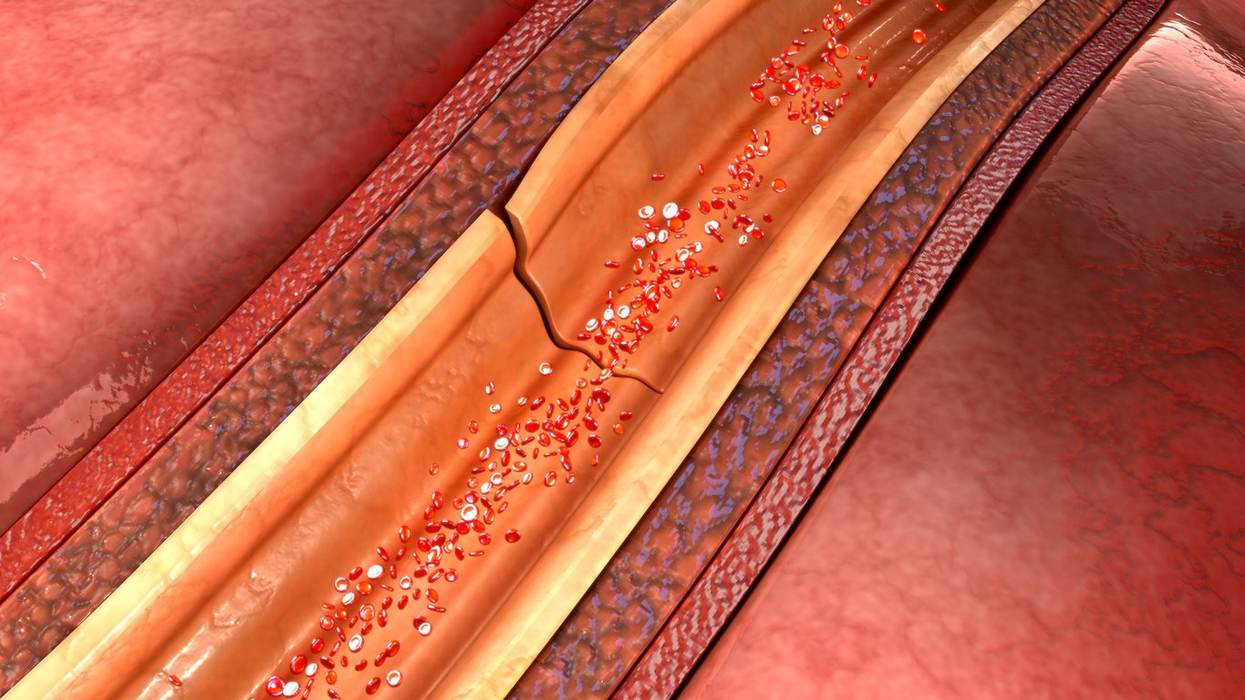
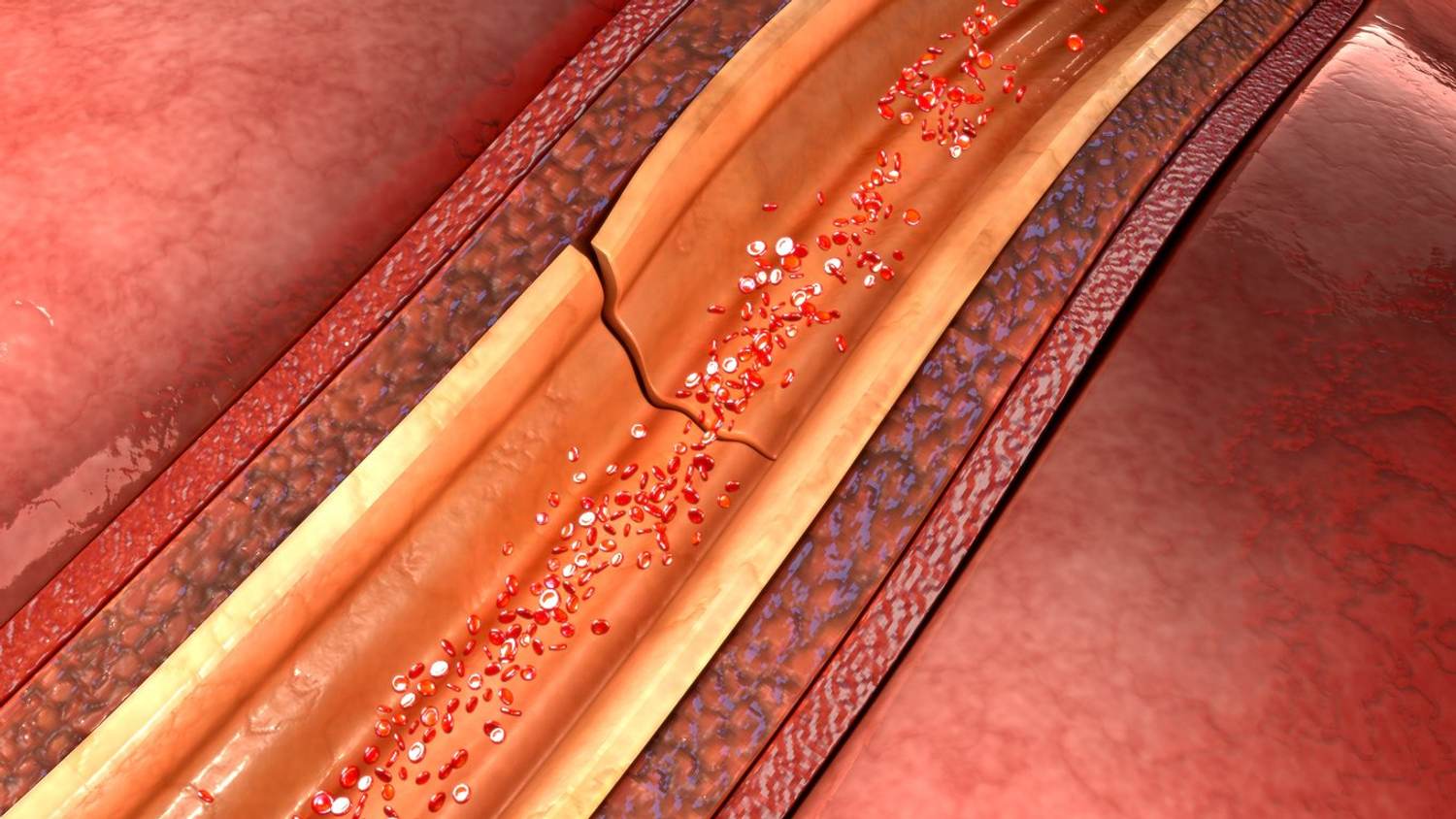
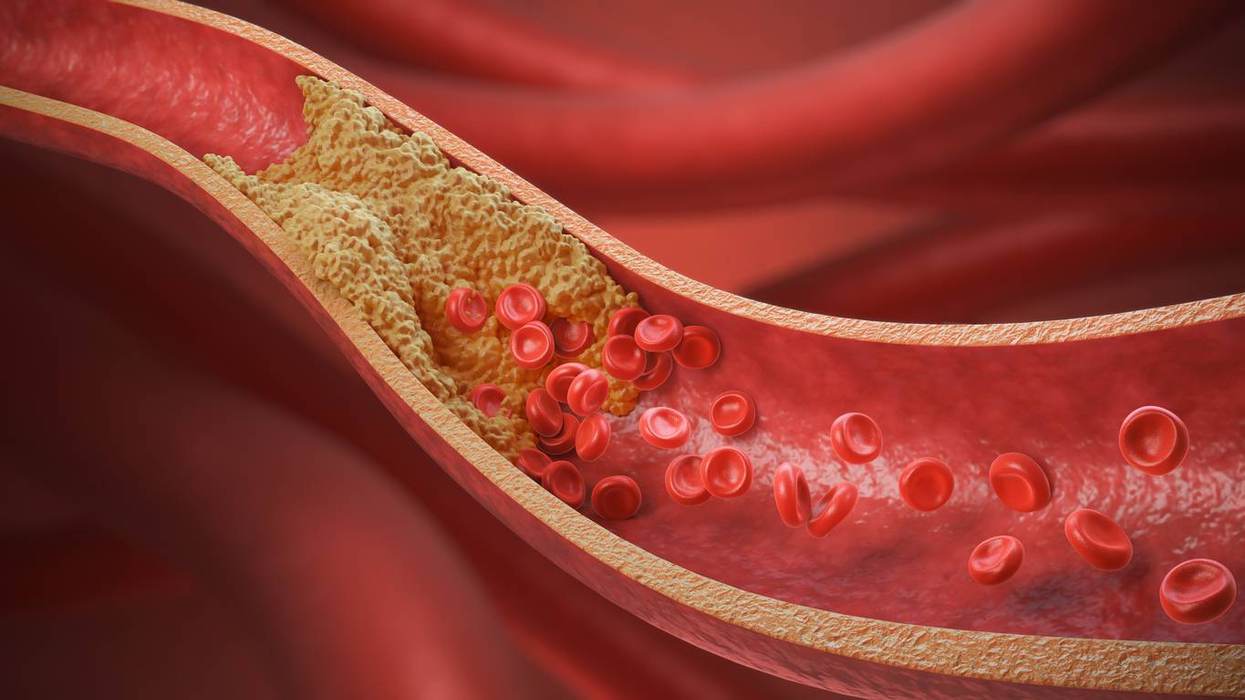
- Atherosclerosis
- Coronary artery disease
- Peripheral artery disease
If you know you’re at risk, you can take action.
You can’t change risk factors like your age or genetics, but you can take important steps to lower your cardiovascular risk.
- Be physically active
- Eat a healthy diet
- Maintain a healthy weight
- Quit smoking/tobacco use
- Limit alcohol use
- Get enough sleep
- Take medication as prescribed to lower risk factors
Ask for a full lipid panel
Ask your healthcare provider f or a full lipid panel to better understand your cardiovascular health.
This resource was created with the support of Novartis Pharmaceuticals Corporation.





Stories We Love
1

2
3
4

5
6
Support Our Mission
Keep Trusted Women’s Health Information Free
Your donation ensures every woman continues to have access to credible health content.
More Stories





Everything you need to know about women’s health — in one place.