
Search
Latest Stories
Newsletter Sign-Up
Newsletter
What is PrEP?
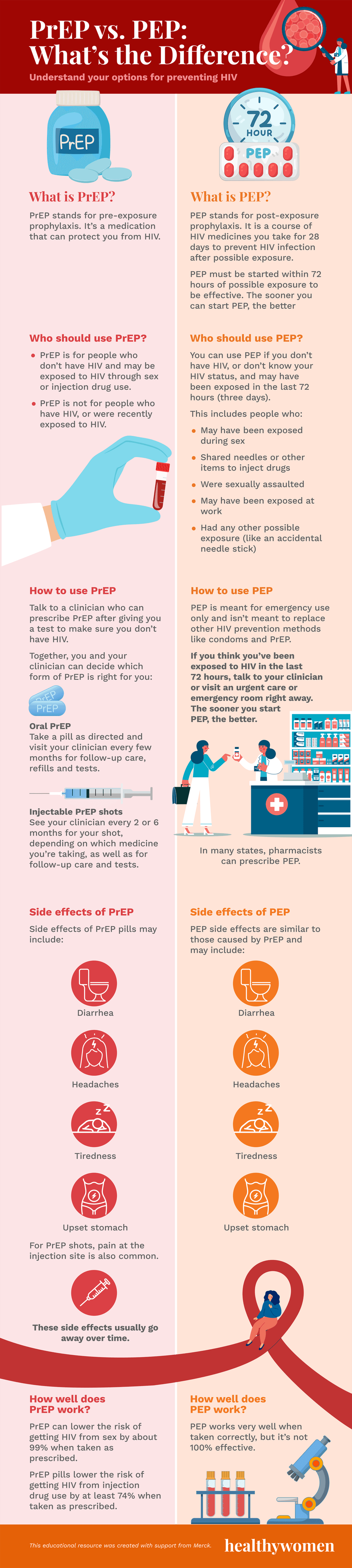
PrEP stands for pre-exposure prophylaxis. It’s a medication that can protect you from HIV.
Who should use PrEP?
PrEP is for people who don’t have HIV and may be exposed to HIV through sex or injection drug use.
PrEP is not for people who have HIV, or were recently exposed to HIV.
How to use PrEP
Talk to a clinician who can prescribe PrEP after giving you a test to make sure you don’t have HIV.
Together, you and your clinician can decide which form of PrEP is right for you:
- Oral PrEP
- Take a pill as directed and visit your clinician every few months for follow-up care, refills and tests.
- Injectable PrEP shots
- See your clinician every 2 or 6 months for your shot, depending on which medicine you’re taking, as well as for follow-up care and tests.
Side effects of PrEP
Side effects of PrEP pills may include:
- Diarrhea
- Headaches
- Tiredness
- Upset stomach
For PrEP shots, pain at the injection site is also common.
These side effects usually go away over time.
How well does PrEP work?
PrEP can lower the risk of getting HIV from sex by about 99% when taken as prescribed.
PrEP pills lower the risk of getting HIV from injection drug use by at least 74% when taken as prescribed.
What is PEP?
PEP stands for post-exposure prophylaxis. It is a course of HIV medicines you take for 28 days to prevent HIV infection after possible exposure.
PEP must be started within 72 hours of possible exposure to be effective. The sooner you can start PEP, the better.
Who should use PEP?
You can use PEP if you don’t have HIV, or don’t know your HIV status, and may have been exposed in the last 72 hours (three days).
This includes people who:
- May have been exposed during sex
- Shared needles or other items to inject drugs
- Were sexually assaulted
- May have been exposed at work
- Had any other possible exposure (like an accidental needle stick)
How to use PEP
PEP is meant for emergency use only and isn’t meant to replace other HIV prevention methods like condoms and PrEP.
If you think you’ve been exposed to HIV in the last 72 hours, talk to your clinician or visit an urgent care or emergency room right away. The sooner you start PEP, the better.
In many states, pharmacists can prescribe PEP.
Side effects of PEP
PEP side effects are similar to those caused by PrEP and may include:
- Diarrhea
- Headaches
- Tiredness
- Upset stomach
How well does PEP work?
PEP works very well when taken correctly, but it’s not 100% effective.
This educational resource was created with support from Merck.







Stories We Love
Support Our Mission
Keep Trusted Women’s Health Information Free
Your donation ensures every woman continues to have access to credible health content.
More Stories




Everything you need to know about women’s health — in one place.