
Search
Latest Stories
Newsletter Sign-Up
Newsletter
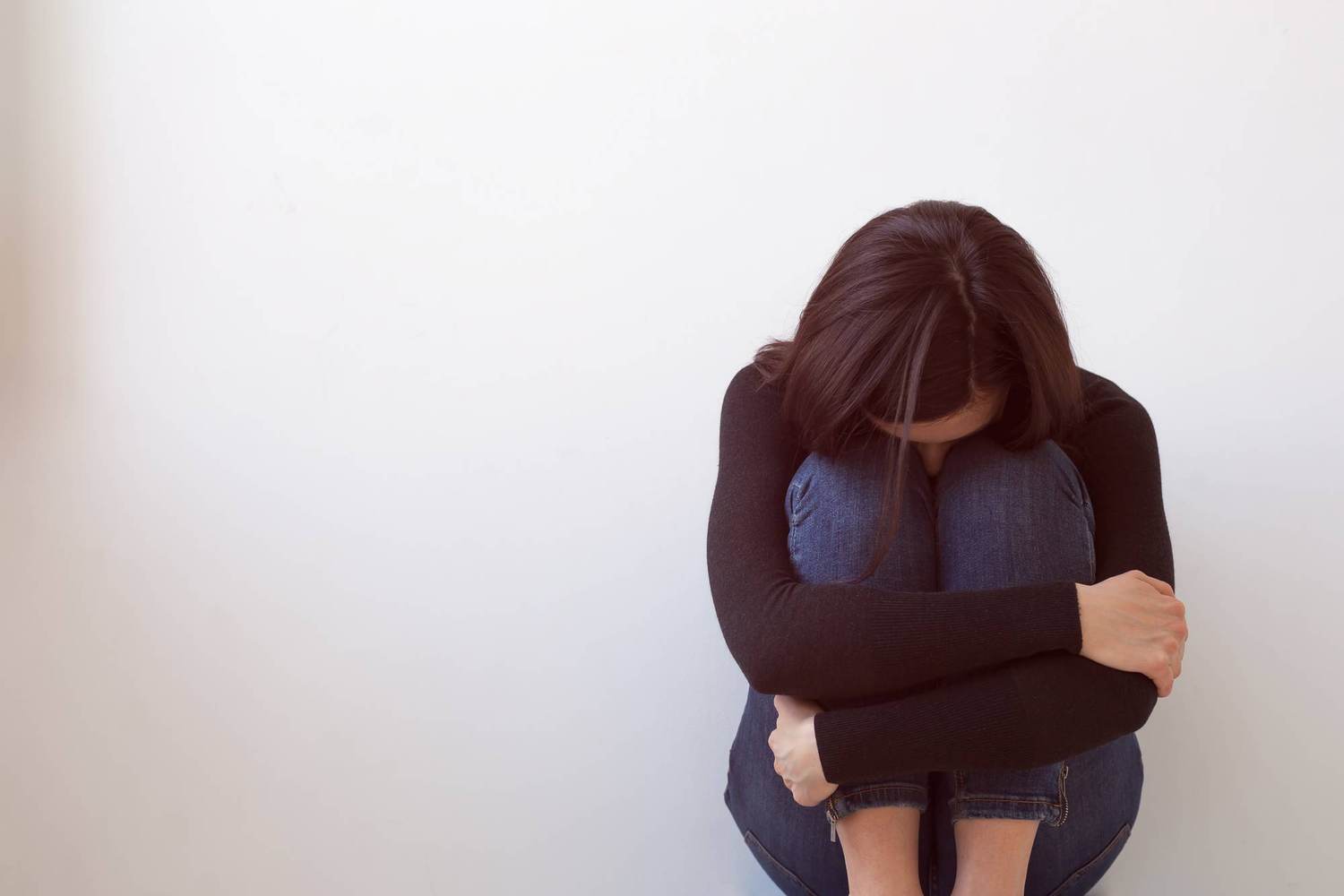
May is Mental Health Awareness Month and National Women’s Health Month.
As told to Erica Rimlinger
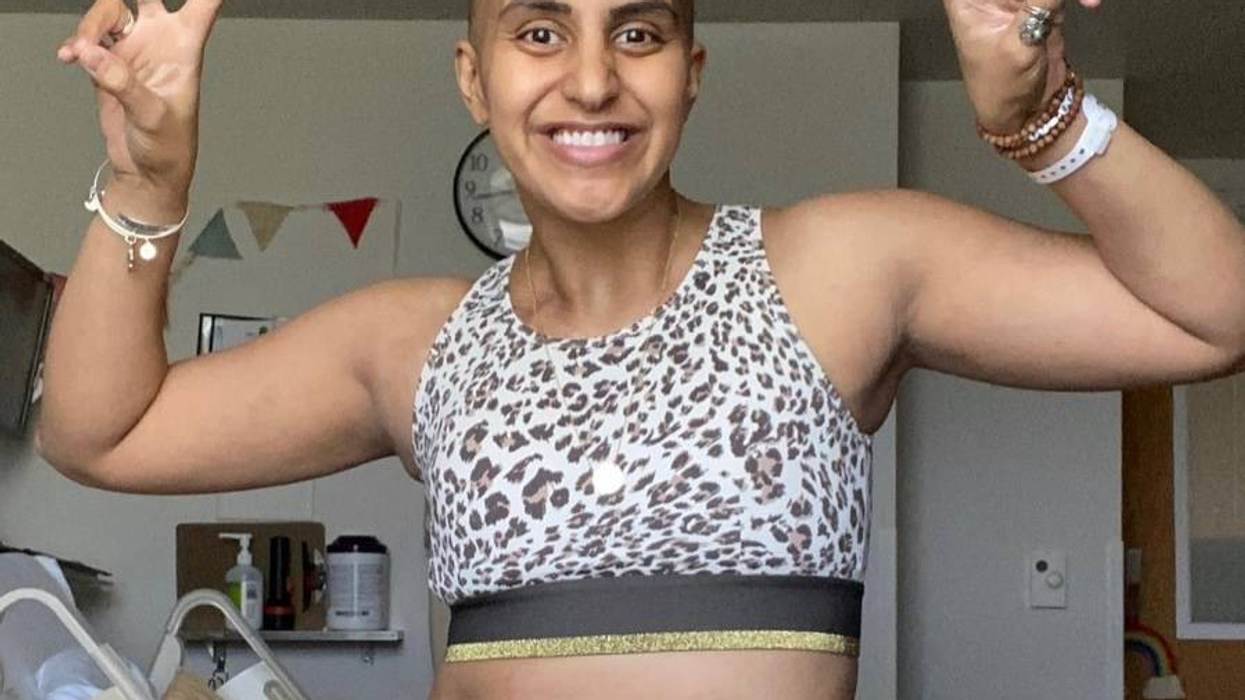
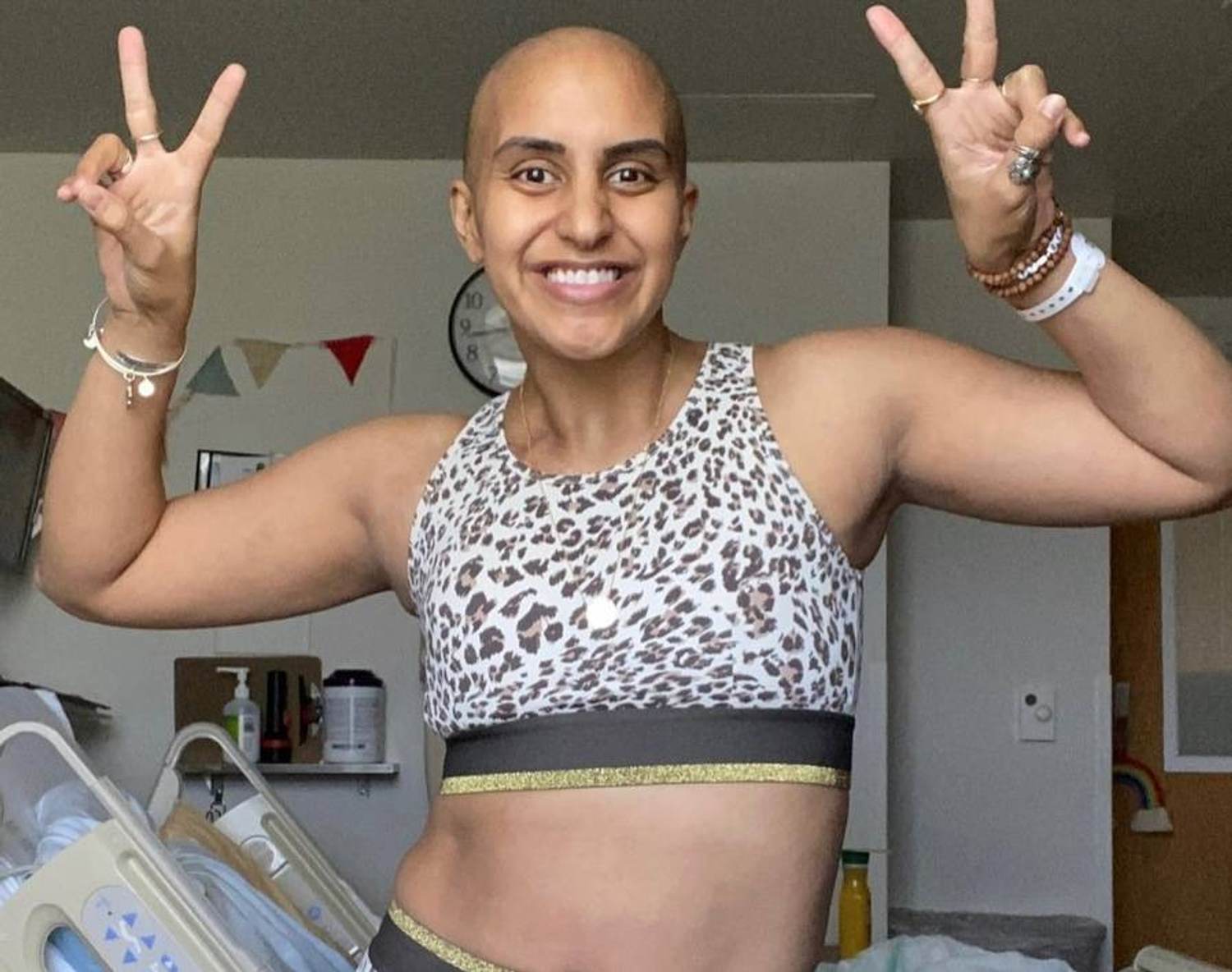
My first period divided my life into before and after. Before I started menstruating, I was a regular 14-year-old girl: skateboarding, swimming and hanging out with my friends. Then, my period came, and within a year, it felt like my personality split in half.
For two weeks out of every month, I experienced all the normal teenage ups and downs. The other two weeks, I cried hysterically in my room, physically crushed under the weight of my uncontrollable sadness and rage. I didn’t feel human and couldn’t even remember what the “real me” felt or thought. Honestly, I didn’t even know which half of me was the real me.
Later, when I understood my condition as premenstrual dysphoric disorder (PMDD) and met other women with the same experiences, I heard someone describe it as “being a werewolf.” That stuck with me. At 15, I genuinely believed I had turned into a monster.
Long before I learned about PMDD and had language for what I was experiencing, I was told I just had PMS with underlying mental health disorders. I cycled through diagnoses: depression, anxiety, bipolar disorder and panic attacks. These explanations described some of my symptoms, but none of them fully explained what I was experiencing.
I regularly saw a therapist who wasn’t a good fit and a psychiatrist who put me on birth control pills. Neither helped. Now, on top of two weeks of PMDD symptoms, I had anxiety and terrible headaches for the entire month. I didn’t feel empowered to question anything — I just went along with it until the side effects became unbearable.
Rejecting the birth control pills, I was then given an antidepressant. That didn’t work either. At some point, I stopped believing anything would. I just assumed this was who I was — angry, reactive and difficult.
I thought, and desperately hoped, I’d grow out of it. I didn’t. In college, the pattern continued and got significantly worse. During the bad weeks, I lay in bed with my whole body aching from depression, feeling as if someone I didn’t know hijacked my brain. The transformation was total. In that state, I was unable to think back to a time I felt human.
I hid it as best I could. I told people I was sick a lot. I canceled plans, including my own birthday celebration. No one really understood, and I didn’t know how to explain it. Looking back, I was carrying the weight of trying to live a full life while hiding half of it.
My moods got significantly darker. I started having suicidal thoughts. I mentioned it casually to a friend once, asking something like, “How do you deal with the suicidal thoughts from PMS?” She looked at me, shocked, and said, “PMS does not cause suicidal thoughts.”
That moment stuck with me. I knew something wasn’t right.
I spent the next few years seeking help and finding limited relief. I did everything I could: therapy, medication, doctors. I was surviving until I decided to get a non-hormonal IUD. Since this birth control device doesn’t use hormones to prevent pregnancy, I was assured by my doctor I’d be safe from any mood-altering side effects.
She was wrong. My mood spiraled downhill rapidly and I became suicidal again. Panicked, I called the doctor’s office to get it removed immediately. Afterward my mood lifted, but I noticed my PMDD was now worse than ever.
At that point, I was forced to go on short-term disability at work. During those two months, I fully committed to getting answers and improving my condition. I tried alternative therapies, including ketamine therapy. There was some temporary relief but still no real answers.
Strangely, I was finally pointed in the right direction by TikTok. By 2025, I’d gone deeper with my research, and a video describing PMDD appeared on my TikTok algorithm. The missing piece fell into place: I’d never heard of PMDD and had long stopped believing the story that I had “really bad PMS.” PMS symptoms didn’t apply to me. I didn’t have mild irritability or physical discomfort — I had weeks when my safety, relationships and ability to function were completely compromised.
Once I had a name for it, I went to work. I documented everything — every diagnosis, every medication and every pattern I could track. I compiled all the notes I’d taken on my moods, my eating and my sleeping habits. Armed, I presented them all to my primary care physician, who ordered a blood panel. When it returned with normal results, she essentially shrugged.
I then researched specialists and sent my records to a clinic in Chicago. The doctor, who showed up late and hadn’t even opened my file, wasn’t familiar with PMDD. Shocked, I blatantly said, “This is a mood disorder described in medical literature. Shouldn’t you know about this?”
As a young teenager, I would have slunk out of the office, defeated again, but at that point, I wasn’t willing to just accept that anymore. I understood that if I didn’t fight for my life, nobody would.
The second gynecologist I saw was also unfamiliar with PMDD. The third finally was. She not only understood the condition, she listened, validated what I was experiencing, made the diagnosis and set me on a path toward treatment.
I cried when I finally had an answer, partly from relief and partly from the grief of everything I had gone through without understanding why. I grieved the relationships that didn’t survive, the opportunities I missed and the years I spent questioning myself.
Today, I no longer feel the need to hide my PMDD or view it through a lens of shame. I have a treatment plan. I have tools. And I finally understand what’s happening in my own body. PMDD is still widely misunderstood — even among medical professionals. But there are answers out there and ways to manage it. For the first time, I can actually see a future that feels whole.
*Jessica Smith is not her real name.
Have your own Real Women, Real Stories you want to share? Let us know.
Our Real Women, Real Stories are the authentic experiences of real-life women. The views, opinions and experiences shared in these stories are not endorsed by HealthyWomen and do not necessarily reflect the official policy or position of HealthyWomen.





Popular
1
2
3
4

5
6
Support Our Mission
Keep Trusted Women’s Health Information Free
Your donation ensures every woman continues to have access to credible health content.More Stories
Everything you need to know about women’s health — in one place.