
Search
Latest Stories


Newsletter Sign-Up
Newsletter
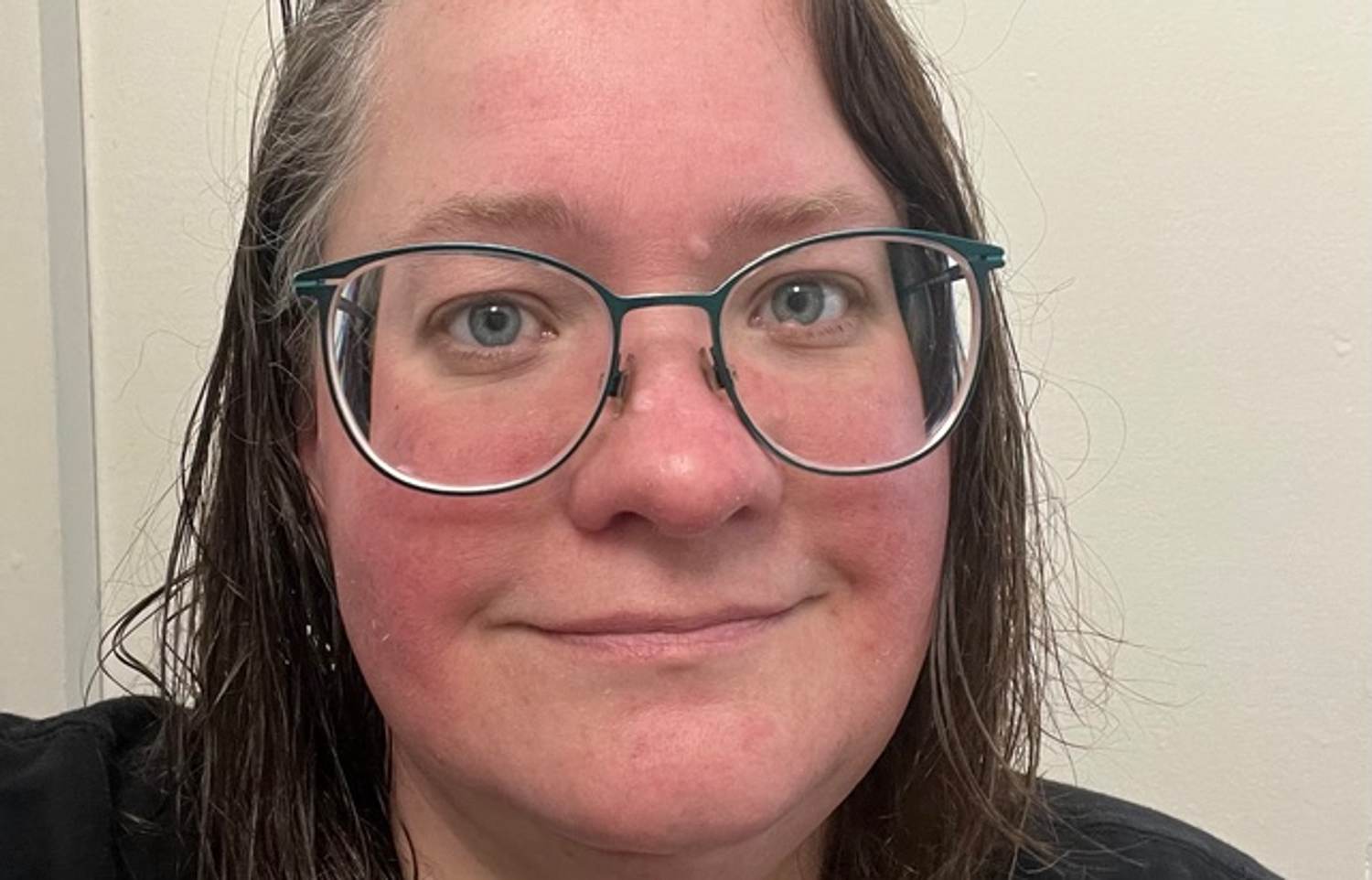
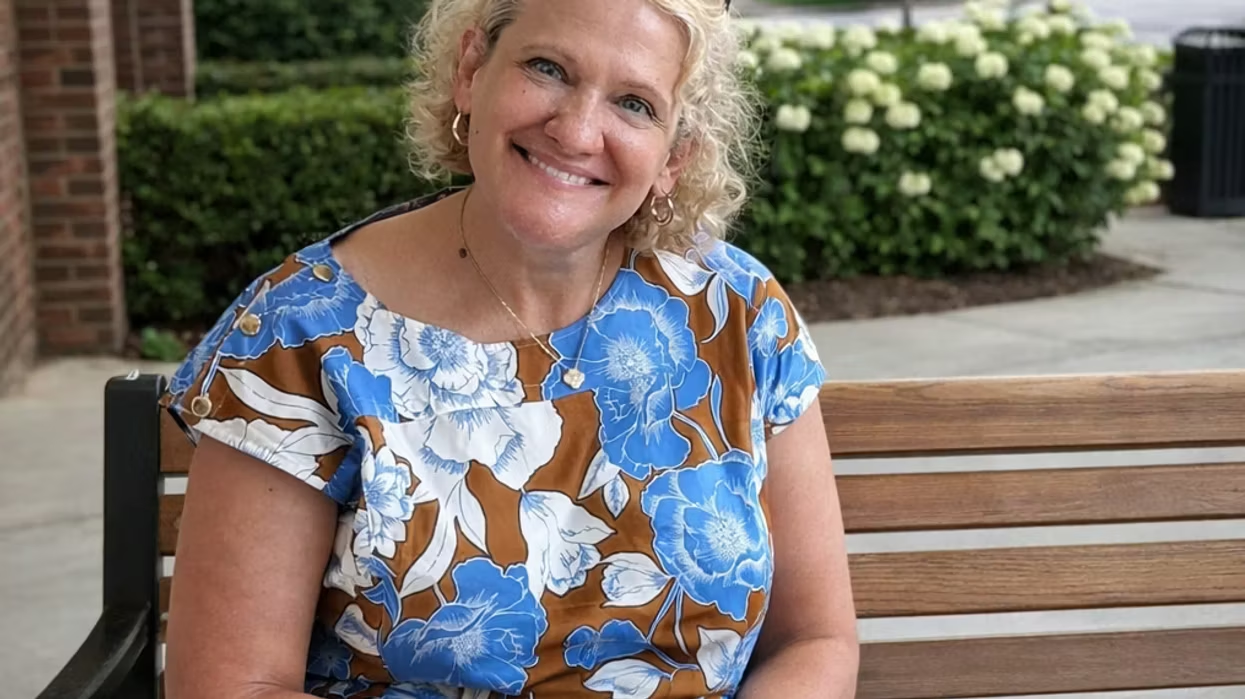
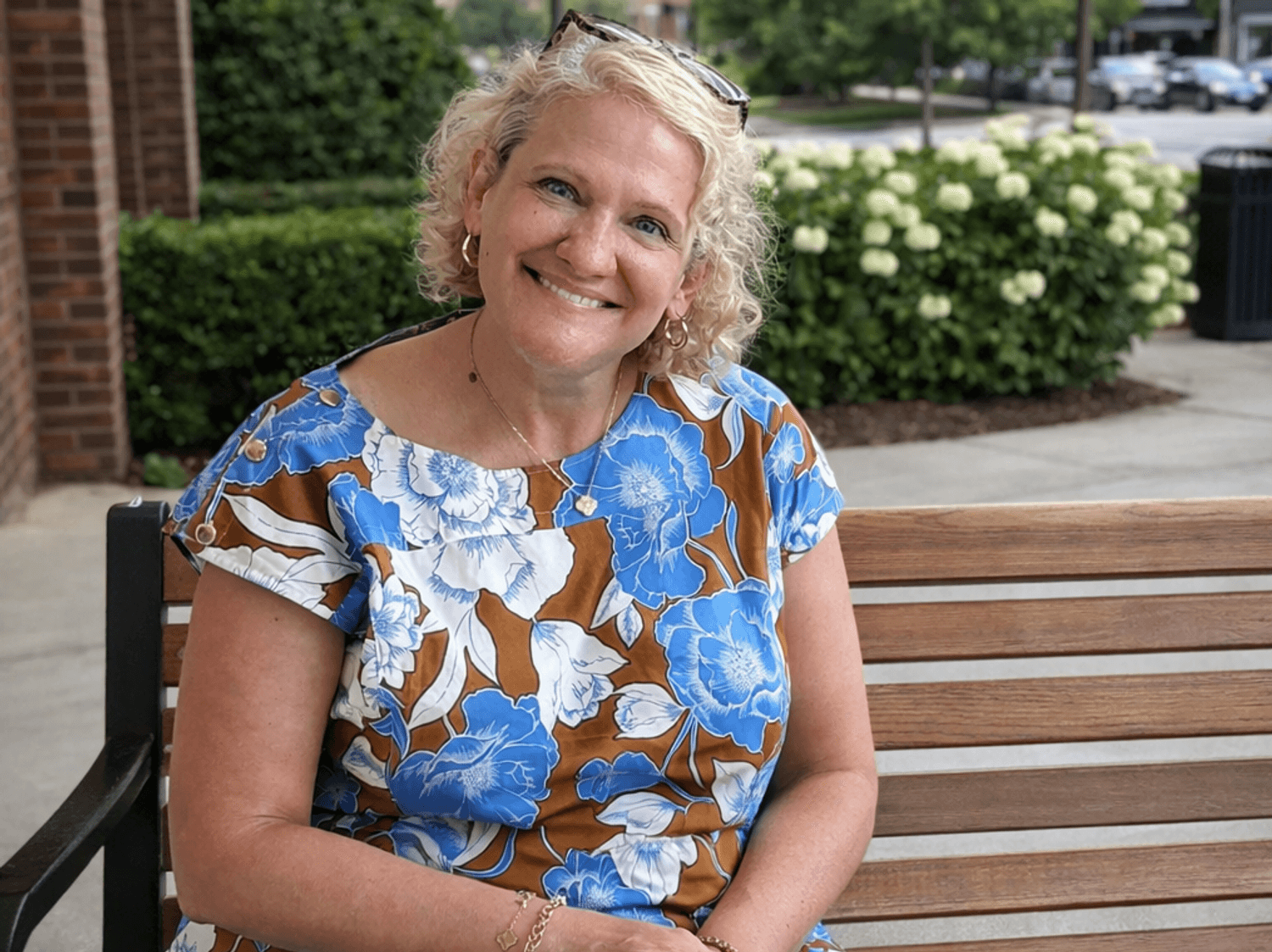
As told to Nicole Audrey Spector
January is Cervical Cancer Awareness Month.
In 2020, my then-teenage son and I were still getting used to a relatively new life. A few years prior, in my late 30s, I’d left my husband, moved from Washington to Utah and become a single mom. I was at a corporate job and my days were packed full between working and mothering.
Despite a busy schedule and a complete lack of symptoms, I made sure to keep annual health exams, including Pap tests. I’d had abnormal results in the past, which can signal serious problems like precancerous or cancerous cells. In my case, I was told that monitoring was all I needed to do.
Lying there on the thin, crumply sheet of paper on the exam table, I didn’t feel that anything was wrong. But as soon as the nurse practitioner began the exam, it was apparent that something was very wrong.
“Do you know you have a mass on your cervix?” she said.
“What?” I said. “I have what?!”
“I’m going to triage you to the next room,” she said. “The on-call doctor will come to help do a biopsy.”
My heart was leaping with panic and my mind was racing, but I felt some reassurance knowing that this issue was being taken seriously by my medical team.
Once the biopsy was done, I had to wait for about a week to get the results back. The wait was agonizing. I dreaded not only getting bad news but specifically getting bad news over the phone. When the nurse finally had the results back, I told her I needed to see her and a medical doctor in-person ASAP.
When I went in the next day, the nurse practitioner and the medical doctor told me I had cervical adenocarcinoma, a type of cervical cancer. I didn’t know anything about this type of cancer. I was desperate for answers.
“Will I overcome it?” I asked. “Will I survive?”
The doctor looked at me with eyes devoid of empathy.
“Hm,” she said absently. “I dunno.”
Her casual indifference was infuriating. I had no time for it.
I asked her to leave.
The doctor left and the nurse practitioner explained that I needed to be seen by a gynecologic oncologist to find out the stage of the cancer and discuss treatment options. She had all my medical records faxed to one of the best doctors in the state.
As soon as I left, I went to my vehicle and sobbed. I sent a text message to my partner and asked if I could call him at work. I called him as he was stepping outside, and he asked me for the results. The first thing he said when I told him I had cancer was, “We’ll get through this.”
Next, I had to make an even more emotional phone call — to my mom in Michigan. It’s such a cliché, but when she answered the phone and I told her I had the results, I asked, “Are you sitting down?”
“It’s cancer, isn’t it?” she said.
“Yes,” I said.
“Where are you?”
“In the parking lot at the hospital.”
“Well, what are you going to do now?”
“Believe it or not, I’m going to work.”
And that’s exactly what I did. I needed to be in a familiar environment where there would be no talk about cancer, no entertaining thoughts that I could die. The drive to Salt Lake City was 45 minutes. I blasted the rock station and let the raw wail of Ozzy Osbourne merge with my own.
I waited until a week passed to tell my 15-year-old son what was going on. As soon as I said the word “cancer” he asked with hopeful concern, “Now what?” I assured him we would find out soon. I felt better, lighter after talking with him.
About two weeks after diagnosis, I underwent a PET scan and learned from the radiologist that I had stage 1B1 cervical cancer and was right on the cusp of stage 2. Two weeks later I met with Dr. Hunn, the highly recommended gynecologic oncologist.
Dr. Hunn was everything I could have hoped for in an oncologist. She had thoroughly reviewed my case and said with empathy and confidence, “I’m going to get you through this and ultimately we will be successful.”
She laid out the following plan of attack:
–Six weeks of chemotherapy
–Six weeks of radiation therapy, five days a week
–Two to five rounds of brachytherapy if the tumor had not shrunk
–A full hysterectomy
I was fully on board, and I was ready to fight. Going through all these treatments made for an extremely challenging time. The radiation left burns on my lower abdomen. The chemo made me violently ill with vomiting and diarrhea. I had no appetite. Even my great love, coffee, was revolting.
I wound up needing two rounds of brachytherapy and then had the hysterectomy. I had no plans of having more kids, so a hysterectomy was a no-brainer emotionally, but the aftermath was still painful. Because this all happened in the height of Covid, I had to be mostly alone throughout treatments. Being masked up by myself after a surgery in which my womb was removed — while recovering from chemo and radiation — was terribly lonely. I bawled my eyes out.
My entire treatment lasted about three months. In 2021, I got the official best news ever: I was in remission.
Though I was worried from day one that I would die and had recently lost a dear friend to cancer, I made an effort to stay positive and optimistic throughout treatment. My nurse nicknamed me “Positive Petunia.” I’ve continued to embrace that upbeat mentality not just for myself but for others in the cancer community.
I’ve become deeply involved with a group of fellow cervical cancer survivors and am constantly learning how to be a better advocate — not just for cervical cancer, but for all types of cancer. That said, I do see a troubling lack of conversation around cervical cancer and other cancers that affect people below the belt, so to speak. On a societal level, we stigmatize them. Part of the purpose of advocacy is to end these stigmas.
Today, I remain disease-free. I live with some uncomfortable side effects from the cancer treatment, including neuropathy in my feet and lymphedema in my left leg. I’m only in my 40s, but some days, I feel so old. I remind myself lovingly that I’ve been through a lot.
I share my story now in part because it ties to a much greater and very relevant topic: the HPV vaccine. I didn’t even know I had HPV until the day I was diagnosed with cervical cancer. I’d only ever been told that my Pap tests were “abnormal.”
Though most HPV infections resolve on their own within a few years, some high-risk strains of the infection can cause various cancers, including cervical cancer. There is a way to stop the spread. The HPV vaccine is available to people between the ages of 9 and 45. As soon as I was eligible for the vaccine, after my treatment ended, I happily got it.
Part of building and supporting advocacy around diseases like cervical cancer means being educated on the availability and safety of critical preventive measures, like vaccines, along with screenings. Had I not had my routine Pap test exactly on time, I might not be here today.
Resources
This educational resource was created with support from Merck.
Have your own Real Women, Real Stories you want to share? Let us know.
Our Real Women, Real Stories are the authentic experiences of real-life women. The views, opinions and experiences shared in these stories are not endorsed by HealthyWomen and do not necessarily reflect the official policy or position of HealthyWomen.




Popular
1
2

3
4

5
6
Support Our Mission
Keep Trusted Women’s Health Information Free
Your donation ensures every woman continues to have access to credible health content.More Stories





Everything you need to know about women’s health — in one place.
