Hey, ladies! We’ve got some good news and some bad news.
The bad news is that heart disease is still the number 1 killer of women in the U.S. (We’d like to see that change, but it hasn’t — yet.)
The good news is that the American College of Cardiology and The American Heart Association released new guidelines earlier this year that offer more personalized care for preventing heart attacks and strokes.
“The 2026 ACC/AHA Multisociety Guideline on the Management of Dyslipidemia,” was developed with nine other medical organizations and focuses on detecting risk earlier and treating high cholesterol levels more aggressively.
We’re here to help break down 5 important things for women to know about these new guidelines.
- PREVENT. Your chances of developing cardiovascular disease (CVD) will now be assessed by your clinician using a risk calculator called PREVENT. The score can then be used by you and your clinician to help decide whether medication might be a good option for you, even if you don’t have symptoms or feel perfectly healthy.
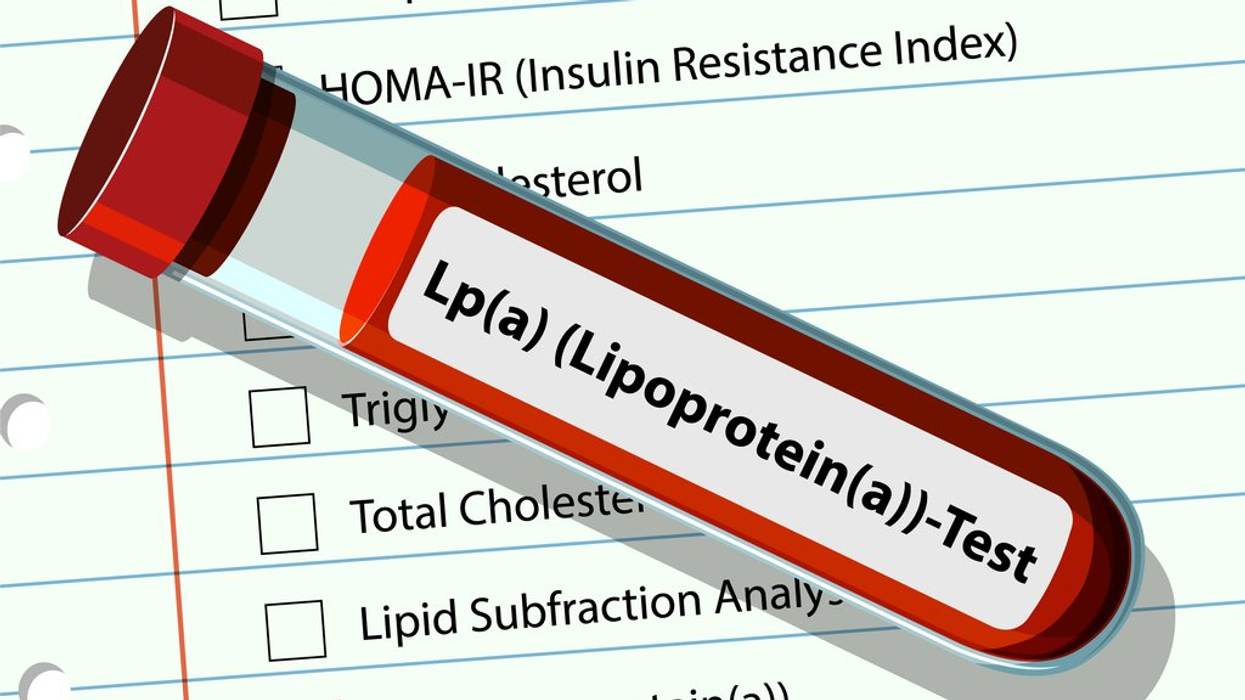
- Lp(a). The new guidelines suggest that everyone get one lipoprotein(a), or Lp(a), blood test once in their lifetime. Lp(a) is an inherited type of lipoprotein (a particle in your blood that transports cholesterol through your body) that can increase your risk for heart attack and stroke. And, while you can’t change your Lp(a) level directly, knowing your risk can help you make other decisions — like taking medication and making lifestyle changes — to lower your overall risk for CVD.
- Personalized cholesterol levels. Your ideal cholesterol levels are no longer one-size-fits all. Where you want your LDL cholesterol levels (also known as “bad cholesterol”) to be now depends on your personal circumstances, like whether you’ve already had a cardiovascular event or have other health conditions that put you at higher risk, like diabetes or obesity.
Read: Do Your Part for Your Heart >>
- Coronary calcium scan. If you and your clinician are considering a cholesterol medication for you, and you’re over 45 (it’s 40 for men), the new guidelines advise clinicians to consider recommending a coronary calcium scan, a CT scan that measures the calcium in your arteries, to help guide the decision.
- Statins aren’t the only option. If you and your clinician determine that you do need medicine to control your cholesterol levels, there are other options beyond statins that may be available, depending on your personal risk profile.