
Search powered by AI

Sexually Transmitted Diseases (STDs)

STDs are infections that spread during sex. Genital chlamydia is the most frequently reported bacterial sexually transmitted disease (STD) in the United States today. When diagnosed, chlamydia is easily treated and cured. READ MORE ABOUT CHLAMYDIA

Sexually Transmitted Diseases (STDs)
Genital Herpes

Genital Herpes

Genital herpes is a contagious infection caused by the herpes simplex virus. Although it is incurable, genital herpes responds well to treatment. READ MORE

Gonorrhea

Gonorrhea

Gonorrhea is a curable sexually transmitted infection (STI), second only to chlamydia as the most frequently reported STI in the United States. Gonorrhea is caused by Neisseria gonorrhoeae, also called gonococcus. READ MORE

HIV/AIDS

HIV/AIDS

Human immunodeficiency virus (HIV) is the virus that causes acquired immune deficiency syndrome (AIDS). AIDS is a disease in which there is a severe loss of the body's immune system. The immune system is our body's natural defense and allows us to fight off viruses, bacteria and other disease-causing infections. READ MORE

HPV

Human Papillomavirus, HPV

If the three letters H-P-V make you recoil, they shouldn't. Chances are, you have been infected by one or more types of the human papillomavirus (HPV) and didn't even realize it. In fact, according to the U.S. Centers for Disease Control and Prevention (CDC), most people will become infected by at least one type of HPV at some point in their lives. The CDC reports that 79 million people are currently infected with HPV. READ MORE

Trichomoniasis

Trichomoniasis

Trichomoniasis is the most common curable sexually transmitted disease (STD) in the United States. Infected women may experience a frothy, yellow-green vaginal discharge with a strong odor, discomfort during intercourse and urination, or itching in the genital area. READ MORE

Clinically Speaking: Questions and Answers About HIV and Bone Health

Clinically Speaking: Questions and Answers About HIV and Bone Health

Living with HIV means a higher risk for osteoporosis. Here’s what you need to know.

Conversación clínica: Preguntas y respuestas sobre el VIH y la salud ósea

Conversación clínica: Preguntas y respuestas sobre el VIH y la salud ósea

Vivir con VIH implica un mayor riesgo de osteoporosis. Aquí encontrarás lo que debes saber.

Marie McCoy

I Was Shocked When I Tested HIV+ in My 50s. Twenty Years Later, I’m Happier Than Ever.

I’m here to tell you to walk tall, keep your head up and know that you are a gorgeous warrior

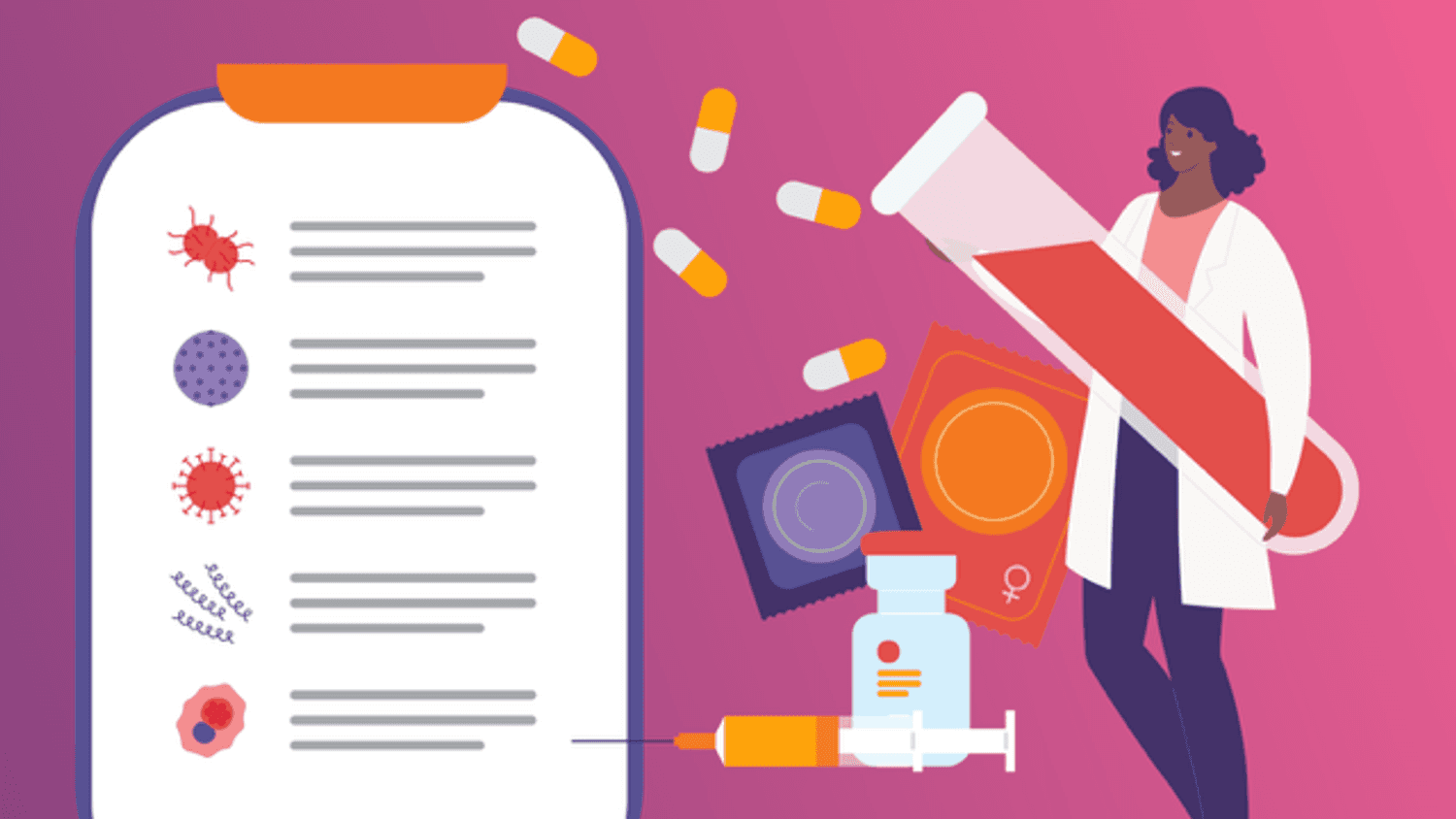
 Get the FYI on STIs infographic

Get the FYI on STIs

Learn what women had to say about symptoms, testing and treatments for sexually transmitted infections (STIs) in a recent survey

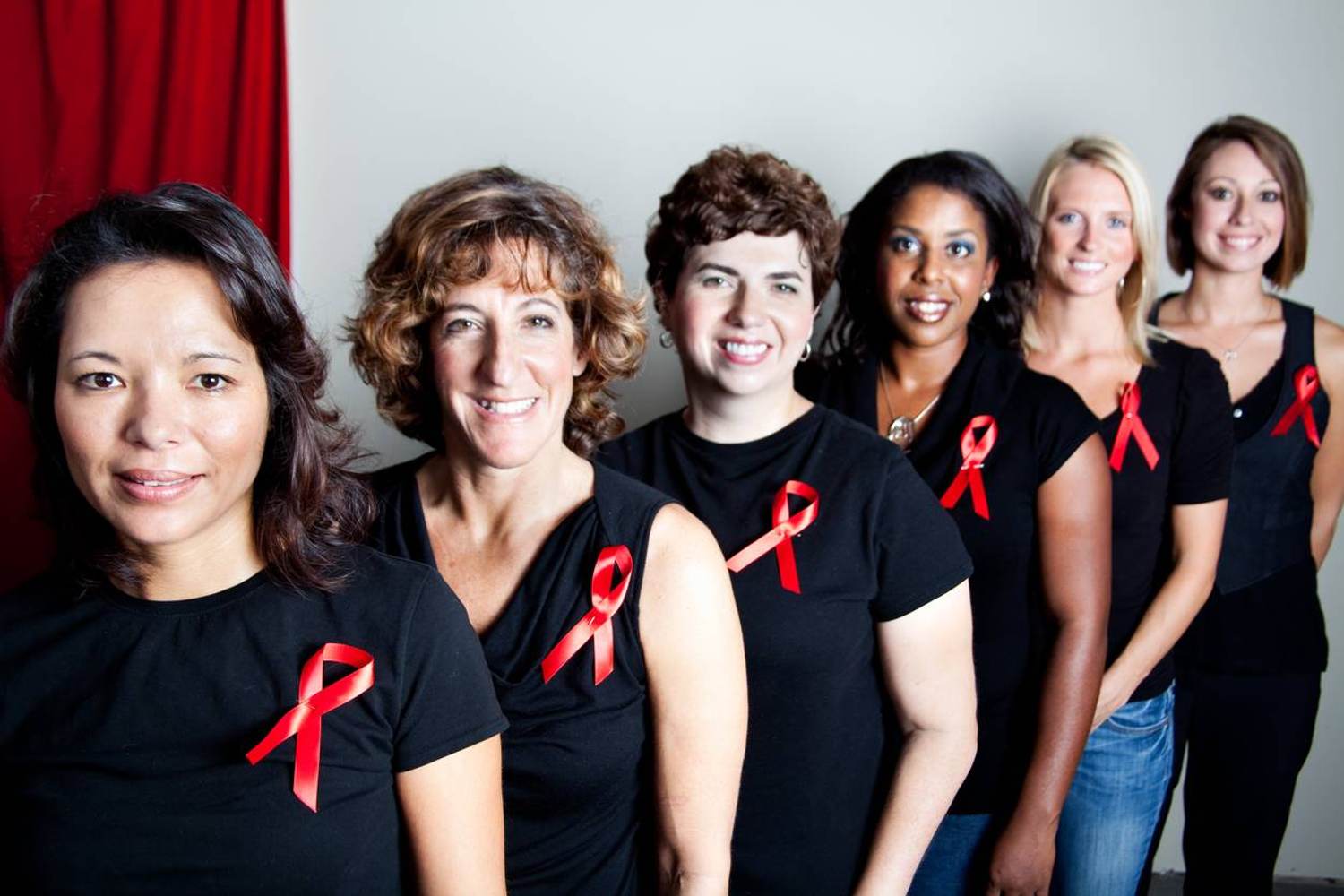
women wearing black shirts with aids awareness red ribbons

HIV and the Risk of Other Health Problems

If you’re living with HIV, you may be at greater risk of getting certain other conditions. Here’s what you need to know.

women wearing black shirts with aids awareness red ribbons

El VIH y el riesgo de otros problemas médicos

Si vives con VIH, podrías tener un mayor riesgo de padecer otros trastornos. Aquí encontrarás lo que debes saber.

 female volunteer holding red ribbon

How Does Your HIV Status Affect Your Gynecological Health?

Being HIV-positive can increase your risk for certain GYN conditions. Here’s what you need to know.

Related Articles
True or False? Human Papillomavirus (HPV)

True or False? Human Papillomavirus (HPV)

Take our quiz to see how much you know about HPV in women

Conditions & Treatments
HIV Testing: Knowing Your Status Can Save Your Life video

HIV Testing: Knowing Your Status Can Save Your Life

Watch this video to learn who should get tested for HIV and how to get tested

Videos
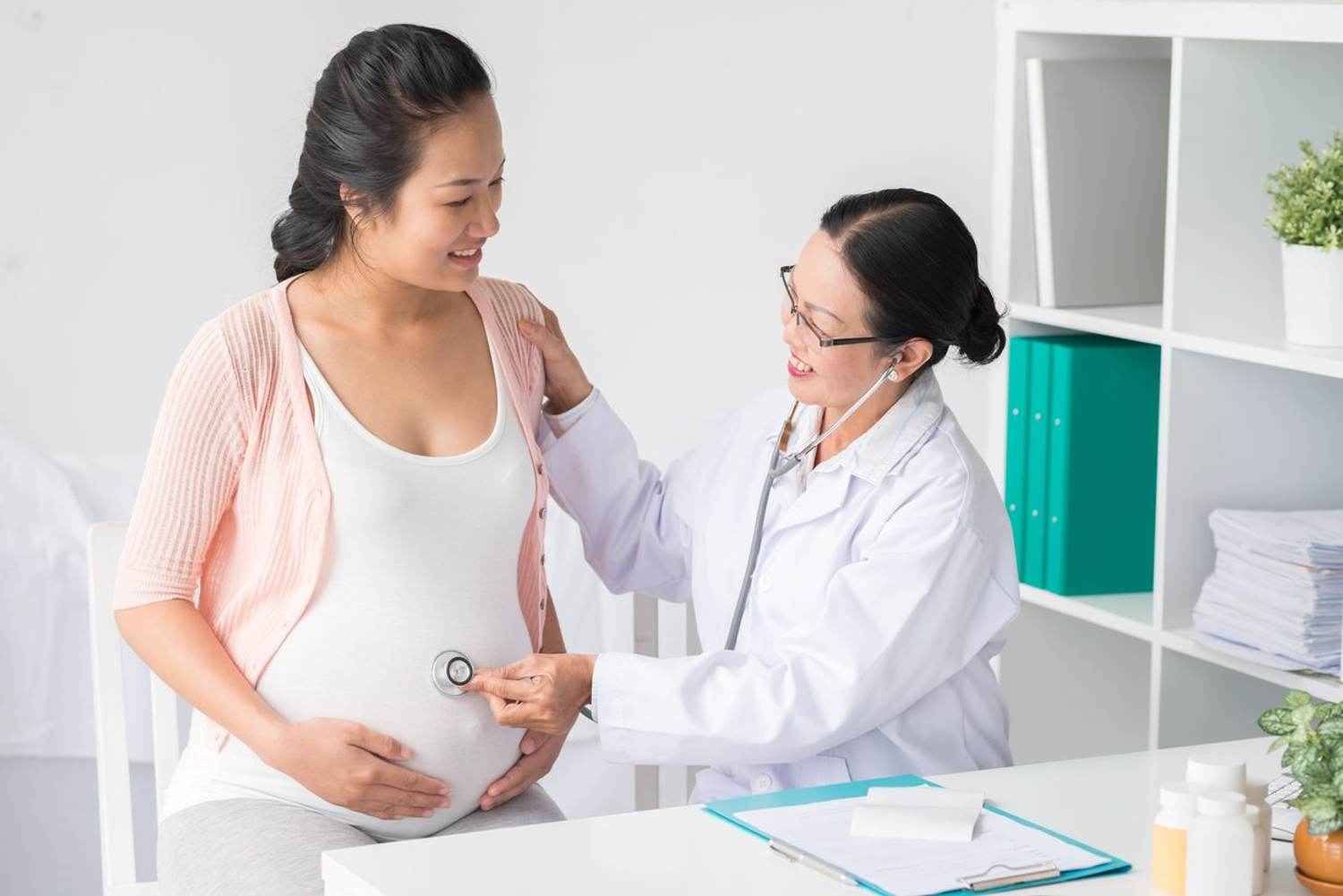
Asian doctor with stethoscope listening to belly of pregnant woman

FAQs About HIV and Pregnancy

Many women who live with HIV can get pregnant and have a healthy baby. Here’s what you need to know.

Conditions & Treatments