

Search
Latest Stories





Newsletter Sign-Up
Newsletter
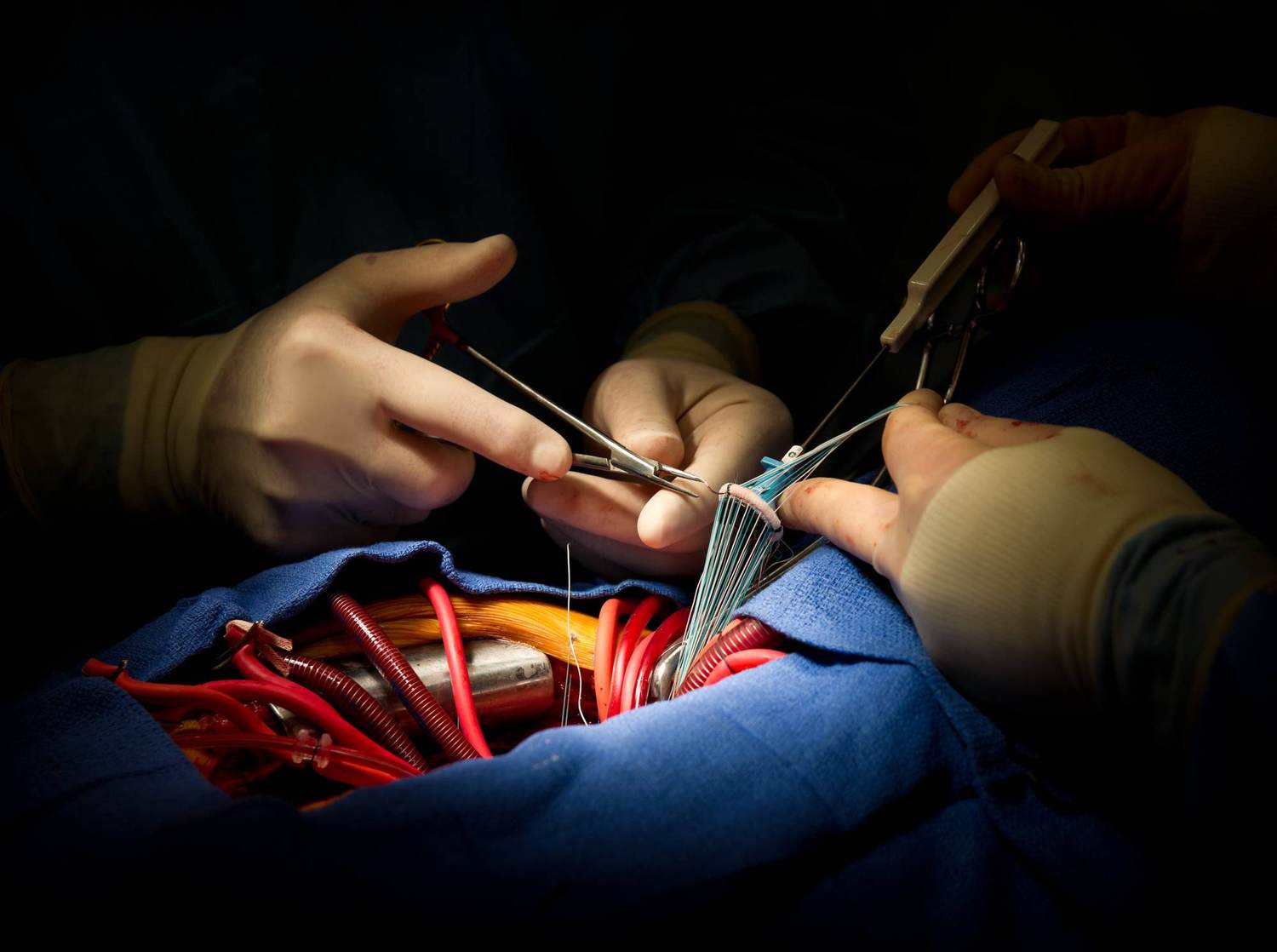
Rena Rubin comes from a family with a history of heart disease, so despite having no symptoms at the age of 30, she was encouraged to get checked. That check resulted in the diagnosis of mitral valve prolapse, a common heart condition where the valve flaps become floppy and bulge backward into the heart. She had no symptoms, so the doctor cleared her but encouraged her to continue getting checked.
Years later, Rubin, then in her 40s and still without symptoms, took her doctor’s advice. Only this time, she was diagnosed with a congenital bicuspid aortic valve, meaning she was born with two valve leaflets instead of the usual three. Her cardiologist reassured her that she was healthy and told her she might need a valve replacement someday — perhaps when she was 80.
For decades, that prediction stayed in the back of her mind.
"I felt completely fine," Rubin recalled. "I was active. I had no shortness of breath. No chest pain. Nothing."
Nearly 30 years later, regular echocardiograms — a type of ultrasound that shows how well the heart and its valves are functioning — showed her valve had become dangerously narrowed by calcium build-up. Her cardiologist’s decades-old prediction came true: It was time to replace her aortic valve.
Rubin's story highlights one of the biggest challenges of heart valve disease: It often progresses silently until significant damage has already occurred. Fortunately, advances in diagnosis, minimally invasive procedures and multidisciplinary heart care have transformed treatment, allowing many patients to return to healthy, active lives.
Understanding heart valve disease
The heart has four valves: the aortic, mitral, tricuspid and pulmonary. Working together, the valves make sure blood flows in the proper direction. Each heartbeat depends on these valves opening and closing with perfect timing.
"When those valves don't function properly, blood can't move through the heart efficiently," explained Nieca Goldberg, M.D., clinical associate professor of medicine at NYU Grossman School of Medicine, cardiologist and member of the HealthyWomen Women’s Health Advisory Council.
Heart valve disease can be present at birth or develop later in life. Regardless of the cause, valve disease generally affects the heart in one of three ways:
- Atresia: When a heart valve doesn’t form correctly before birth (congenital heart valve disease). This is usually diagnosed in infancy.
- Stenosis: The valve becomes stiff and narrowed, restricting blood flow.
- Regurgitation: Also known as leaky valve; the valve doesn't close completely, allowing blood to leak backward.
- Prolapse: Also called a floppy valve, the leaflets of the valve bulge backward and may not close tightly. This can sometimes be harmless but also may lead to regurgitation in some people.
Over time, these problems force the heart to work harder and, if left untreated, could potentially lead to abnormal heart rhythms, heart failure or even death. According to the American Heart Association, aortic stenosis, or the narrowing of the aortic valve, is among the most common and serious valve disorders. As the U.S. population ages, physicians expect the number of people living with valve disease to continue rising.
Symptoms of heart valve disease aren't always obvious
Symptoms of heart valve disease can include shortness of breath, fatigue, swelling in the legs, chest pain or pressure, difficulty exercising, and/or trouble lying flat because of breathing problems.
While it’s important to be aware of these signs, some patients, like Rubin, experience none of them, which is part of the reason the disease can be so difficult to diagnose in time.
"I never would have thought anything was wrong," she said. "People kept telling me I'd feel better after surgery, and I kept saying, 'But I already feel good.'"
Why checkups matter at any age
Heart valve disease can develop for several reasons.
Some people, like Rubin, are born with congenital abnormalities, while others develop valve disease later in life because of age-related calcium build-up, infections such as endocarditis, previous heart attacks or, less commonly today, rheumatic fever. Age remains the strongest risk factor for developing heart valve disease, although young people can also have issues with their heart valves.
Rubin credited routine monitoring with saving her life. Because both of her parents died from heart disease, physicians encouraged her and her brother to undergo screening while they were still healthy. Each year, she underwent an echocardiogram, a decision that allowed cardiologists to follow her condition for decades before it became dangerous.
Goldberg says echocardiograms remain the cornerstone of diagnosing valve disease. Depending on the situation, clinicians may also recommend transesophageal echocardiograms — which provide more detailed images — or cardiac MRI to better understand the anatomy before treatment.
"The goal is to identify problems before patients develop heart failure," Goldberg said.
Today's heart valve treatments are more personalized than ever
Surgery — whether traditional open-heart surgery or a minimally invasive procedure — is not necessary for everyone with a valve disease. For people with mild valve disease, medication, regular monitoring and symptom management may be sufficient. However, when the valve has significant structural damage or symptoms become more severe, a procedure is typically required.
Not long ago, open-heart surgery was the only option for many patients needing valve replacement, but there are several options available today.
One option is the traditional surgical aortic valve replacement (SAVR). There are also minimally invasive procedures like transcatheter aortic valve replacement (TAVR), which allows physicians to replace the valve through a catheter, often inserted through the groin, avoiding open-heart surgery altogether.
“TAVR was initially developed for patients considered too high-risk for surgery,” Goldberg said. “But now, because TAVR has been tested in people with moderate or low risk and has been successful, it’s being considered more frequently in patients.”
However, not everyone has equal access to heart valve care. Goldberg noted that access to specialty care remains a significant issue, particularly for uninsured patients and communities with fewer structural heart programs. And research shows that there are lower utilization rates of TAVR among Black, Hispanic and Asian patients, compared with white patients.
Why a heart team makes a difference
Choosing the right procedure isn't usually a decision made by just one physician.
Goldberg emphasized the importance of a multidisciplinary structural heart team, which may include a cardiologist, interventional cardiologist and a cardiac surgeon. Together, they evaluate imaging studies, medical history, age, frailty, anatomy and patient preferences before recommending treatment.
Not every hospital has a multidisciplinary structural heart team. However, most cardiologists can evaluate a patient's condition and refer them to a center with the specialists and advanced procedures needed for their care.
Rubin credited her own coordinated care team for making a frightening experience manageable.
"Everything was arranged," she said. "The testing, the appointments, even my short-term disability paperwork. I never had to wonder what came next."
Recovery involves more than healing the heart
Most people expect pain and some level of discomfort after heart surgery. Such was the case with Rubin — but what surprised her was a different side effect altogether, and it seemingly came out of nowhere.
"For about a month, I cried every day," she said. "There wasn't any reason. I'd just burst into tears."
Her physician reassured her that emotional changes can occur after major cardiac surgery — a reaction that many patients aren't prepared for.
Eventually, in Rubin’s case, the crying stopped as suddenly as it had begun.
"One day,” she said, “I woke up and it was gone."
Physically, recovery took about six weeks before she felt like herself again, although she remained out of work for three months. Today, she takes only a daily baby aspirin related to her valve replacement and has an annual appointment for an echocardiogram.
"I feel great," she said.
How age and other risk factors can influence your treatment options
Clinicians make treatment recommendations based on a variety of factors, including a patient's clinical evaluation, diagnostic test results, age, overall health, underlying medical conditions, and personal goals and preferences.
For older adults or people with a high surgical risk due to conditions such as multiple comorbidities or a history of heart failure, a minimally invasive procedure may be recommended over traditional open-heart surgery.
Younger patients, on the other hand, are often considered good candidates for mechanical heart valves and open-heart surgery because mechanical valves are generally more durable and can last for decades.
The importance of shared decision-making for heart valve disease treatment
Choosing the right treatment for heart valve disease isn’t based solely on test results, it’s also about finding an approach that aligns with a patient’s goals, preferences and lifestyle. Shared decision-making allows patients and their healthcare team to determine the treatment option that best fits their individual medical needs and personal priorities.
A patient’s input is an important part of the decision-making process. During conversations with their healthcare team, patients should discuss what matters most to them, whether that’s maintaining independence, staying active, improving quality of life, spending time with family or having a shorter recovery through a minimally invasive procedure. Others may prioritize having more energy and stamina, reducing shortness of breath, or participating in cardiac rehabilitation after treatment.
Patients should also feel empowered to ask questions about the different treatment options available, including the risks and benefits of each procedure and the types of replacement valves that may be appropriate for their condition. Understanding these options will help patients make informed decisions alongside their healthcare team.
Ultimately, the best treatment plan is one that combines clinical expertise with what matters most to the patient.
Don’t ignore signs or family history of heart valve disease
Goldberg encourages anyone diagnosed with valve disease — or who has a family history of congenital valve abnormalities — to establish care with a cardiologist and keep regular follow-up appointments.
As heart valve treatments continue to evolve, experts hope more patients will benefit from earlier diagnosis, personalized treatment plans and multidisciplinary care, turning what was once a life-threatening diagnosis into a highly treatable condition.
This educational resource was created with support from Edwards Lifesciences, a HealthyWomen Corporate Advisory Council member.








Popular
1

2

Biologics for Treating Asthma
Sep 22, 2026
3

Bye, Bye, Itch! Managing Chronic Hives at Home
Sep 23, 2026
4
Biofármacos para el tratamiento del asma
Sep 22, 2026
5

¿Qué es la urticaria crónica espontánea (UCE)?
Jun 29, 2026
6

The Skinny on Microdosing GLP-1 Drugs
Mar 06, 2025
Support Our Mission
Keep Trusted Women’s Health Information Free
Your donation ensures every woman continues to have access to credible health content.More Stories







Everything you need to know about women’s health — in one place.