




November is Stomach Cancer Awareness Month.
If gastroesophageal cancer sounds complex — it is.
Gastroesophageal cancer is the broad term for cancer involving the esophagus and/or stomach.
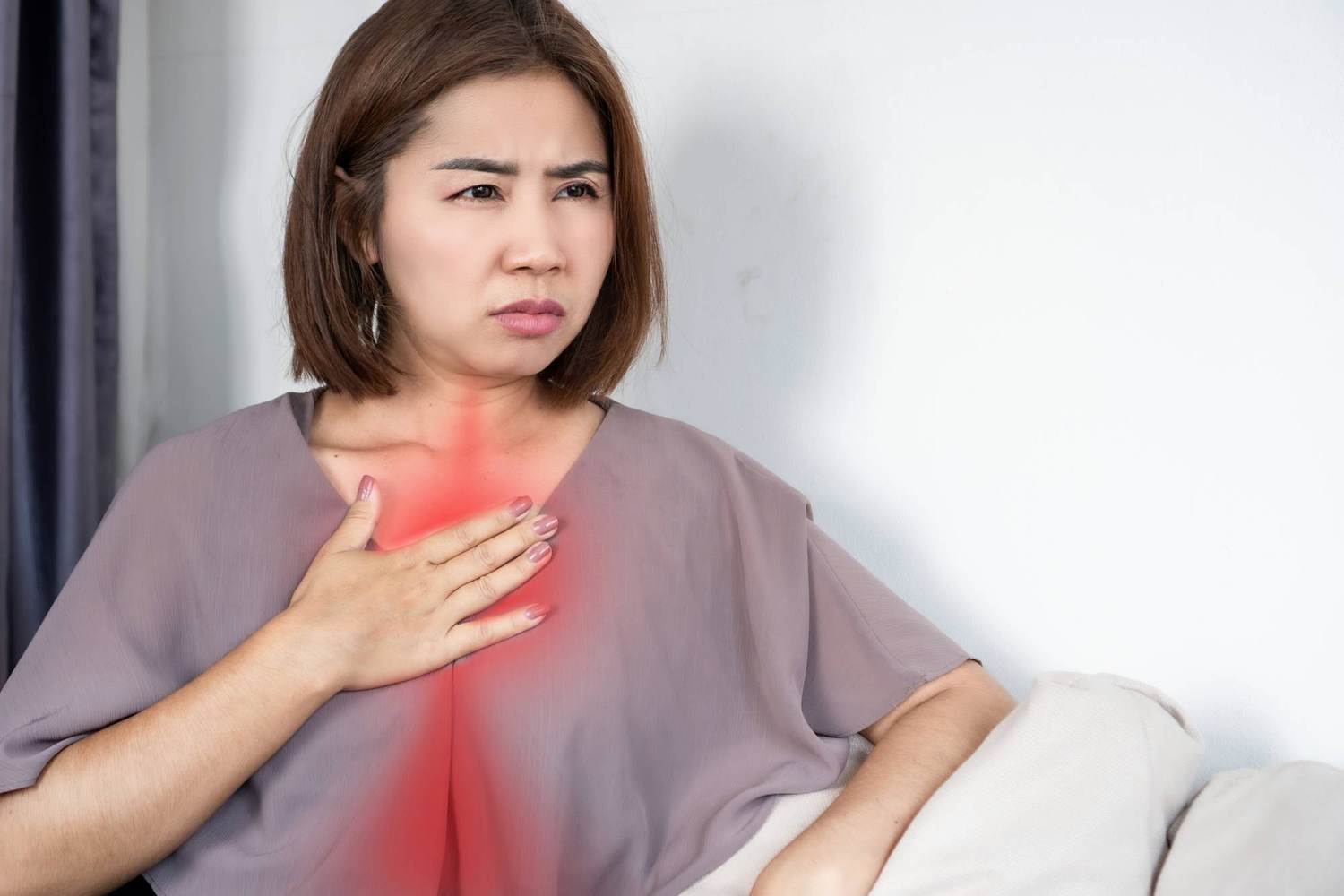
Unfortunately, these cancers are often diagnosed in advanced stages because early-stage symptoms like reflux or heartburn are ignored or dismissed as part of everyday life. And there’s no routine screening for gastroesophageal cancer.
But knowing the risk factors and what to look for can help catch the cancer in early stages when it’s most treatable.
Here’s what you need to know about gastroesophageal cancer.
What is gastroesophageal cancer?
Gastroesophageal cancer is cancer involving the esophagus, the gastroesophageal junction (where your food pipe connects to your stomach) and the stomach.
The most common type of gastroesophageal cancer is gastroesophageal adenocarcinoma (GEA).
Risk factors for gastroesophageal cancer
Long-term irritation of the esophagus and stomach is a common risk factor for gastroesophageal cancer.
Other risk factors can include:
- A diet high in meat, hot beverages and/or smoked foods
- Smoking
- Alcohol use
- Obesity
- Being over age 55
- A history of gastroesophageal reflux disease (GERD)
- A history of Barrett’s esophagus
- A history of Helicobacter pylori (H. pylori) infection
- Family history of esophageal cancer and other types of cancer
What are the symptoms of gastroesophageal cancer?
Symptoms of gastroesophageal cancer are often mild or nonexistent in early stages and become more noticeable as the disease progresses.
Symptoms of gastroesophageal cancer can include:
- Unexplained weight loss
- Abdominal pain
- Fluid or swelling in the abdomen
- Reflux
- Blood in stool
- Heartburn
- Indigestion
- Persistent nausea and/or vomiting
- Feeling full after a small meal
It’s important to talk to your clinician if you’re having any symptoms of gastroesophageal cancer — especially if you have reflux that happens every day or lasts for a long time.
Over time, acid reflux can cause damage to the lining of the esophagus and increase the risk for cell changes that can lead to cancer.
The good news is that early diagnosis of gastroesophageal cancer can make a big difference in treatment options and outcomes.
The importance of biomarker testing for gastroesophageal cancer
Biomarker testing is key when it comes to treatment for gastroesophageal cancer.
Cancer biomarkers include proteins, genes and substances that can be measured to show details about the cancer, including the most targeted treatments that will be most effective in fighting the cancer — a process called targeted therapy.
The survival rate for people living with advanced gastroesophageal cancer is poor, but research shows targeted therapies can lead to better outcomes.
Targeted therapy also helps preserve healthy cells by avoiding side effects and medications that are unlikely to work.
HER2 biomarker and stomach cancer
When it comes to treating gastroesophageal cancer, one important biomarker to know is human epidermal growth factor receptor 2 (HER2).
HER2 biomarkers are proteins found on the surface of cells that help with cell growth and repair. Cancers with high amounts of HER2 protein or HER2 genes are called HER2-positive and tend to grow and spread quickly to other parts of the body.
Knowing your HER2 status is important when finding the best treatment options for stomach and esophageal cancer. About 1 in 5 cases of stomach cancer are HER2- positive, which means HER2-blocking drugs may be an effective treatment option.
However, not all anti-HER2 treatments are successful for stomach cancer. One reason is the HER2 heterogeneity of stomach cancer, which means that not all the cancer cells are identical in stomach cancer like they are in other types of HER2-positive cancers, like breast cancer. The level of HER2 can also change over time or after treatment.
HER2 testing is routine for advanced gastroesophageal cancer, so it’s important to make sure you are tested for HER2, talk to your clinician about your HER2 test results and discuss how the results may impact your treatment plan.
Treatment options for gastroesophageal cancer
Treatment options for gastroesophageal cancer vary depending on different factors, such as biomarkers, stage of the cancer and location of the tumor.
For people with early-stage or locally advanced gastroesophageal cancer, treatment usually includes some form of surgery to remove the cancer from the area.
For people with advanced metastatic gastroesophageal cancer, treatment plans may include a combination of therapies including:
- Chemotherapy
- Radiation therapy
- Immunotherapy
- Targeted therapies
- Esophageal stents
The good news is there are new treatments for advanced gastroesophageal cancer and more on the horizon. In August 2026, the U.S. Food and Drug Administration approved a new HER2 therapy as first-line treatment for people with advanced, HER2-positive gastroesophageal cancer.
When combined with chemotherapy and immunotherapy, these drugs showed improved outcomes compared to people with advanced gastroesophageal cancer who didn’t have the combination of therapies.
Don’t ignore symptoms of gastroesophageal cancer
Gastroesophageal cancers are one of the leading causes of cancer death worldwide.
But knowing the facts, risk factors and symptoms can help you and your clinician recognize the disease in the early stages when it’s most treatable.
This educational resource was created with support from Jazz, a HealthyWomen Corporate Advisory Council member.







Stories We Love
1

2

3

4

5

6

Support Our Mission
Keep Trusted Women’s Health Information Free
Your donation ensures every woman continues to have access to credible health content.
More Stories







Everything you need to know about women’s health — in one place.