

Search
Latest Stories





Newsletter Sign-Up
Newsletter

Getting older is a privilege, but aging isn’t necessarily easy. The more birthdays under your belt, the higher your risk for certain diseases. This is true for many types of cancer, including some types of leukemia.
“Leukemia” is an umbrella term for cancers of the blood and blood-forming tissues. More specifically, leukemias affect blood cells, though they also affect blood marrow (the soft, fatty tissue inside your bones).
Some types of leukemia are more common in children, but anyone can get the disease. While leukemia is the 10th most common cancer in the United States, it’s still considered somewhat rare compared to other cancers — making up about 3% of all cancer cases.
Like most cancers, catching leukemia in the early stages can lead to better outcomes.
Here’s what you need to know about leukemia risk factors, symptoms, types, treatments and more.
What is leukemia?
Leukemia is a disease that causes the body to make too many unhealthy white blood cells.
White blood cells are part of the body’s immune system and are critical for protecting against infection and illness. They usually grow and divide in an orderly fashion, but with the changes produced by leukemia, the abnormal white blood cells, which are now leukemia cells, behave abnormally and do not die when they should.
Leukemia cells are usually immature white blood cells, which means they are still developing. As they multiply, they start to outnumber healthy cells and crowd them out.
White blood cells form in the blood marrow, which is why leukemias also affect soft, blood-forming tissues. While leukemia mainly starts in the bone marrow, it can spread to other places, including the lymphatic system, spleen and other tissues.
What causes leukemia?
Cancer is generally caused by genetic mutations (changes) that cause cells to multiply uncontrollably. In the case of leukemia, the DNA of the white blood cells changes, leading to the abnormal growth.
However, the exact cause of leukemia is unknown. Genetics or environmental triggers may make some people more likely to get leukemia.
Types of leukemia
There are several types of leukemia, which are classified based on the type of blood cells they affect and how fast they grow.
Lymphoid or myeloid leukemia refers to cancer of the lymphoid or myeloid white blood cells, respectively. The other way of classifying leukemia refers to whether it progresses quickly (acute) or slowly (chronic).
The combination of these factors make up the four most common types of leukemia:
- Acute lymphoblastic leukemia (ALL), fast-growing cancer of lymphocyte white blood cells
- Acute myeloid leukemia (AML), fast-growing cancer of myeloid white blood cells
- Chronic lymphocytic leukemia (CLL), slow-growing cancer of lymphocyte white blood cells
- Chronic myeloid leukemia (CML), slow-growing cancer of myeloid white blood cells
Of these, CLL is the most common in adults and ALL is the most common in children.
Risk factors for leukemia
Anyone can get leukemia, but risk factors for the disease can include:
- Smoking
- Exposure to certain chemicals
- A history of chemotherapy
- Radiation exposure
- Congenital diseases, such as Down syndrome
- Certain blood disorders
- Family history of leukemia
- Ethnicity/race
- Age
Leukemia symptoms
The symptoms of leukemia tend to show up faster in acute or fast-growing cases. Chronic or slow-growing leukemias may not show symptoms for years.
Symptoms can vary depending on the type, but common symptoms of leukemia include:
- Anemia
- Easy bleeding
- Bruising
- Infections
- Fatigue
- Night sweats
- Unintentional weight loss
Having these symptoms doesn’t necessarily mean you have leukemia, but if something feels off, it’s worth getting checked out.
How is leukemia diagnosed?
iStock.com/Md Saiful Islam Khan
The general symptoms of leukemia can make it difficult to pinpoint. For some people, getting diagnosed takes a while. For others, the disease is found accidentally.
For example, symptoms of acute leukemias come on suddenly, which may prompt a checkup with a clinician sooner rather than later. Meanwhile, symptoms of chronic leukemias are slower to crop up, so they may go undetected for months or even years.
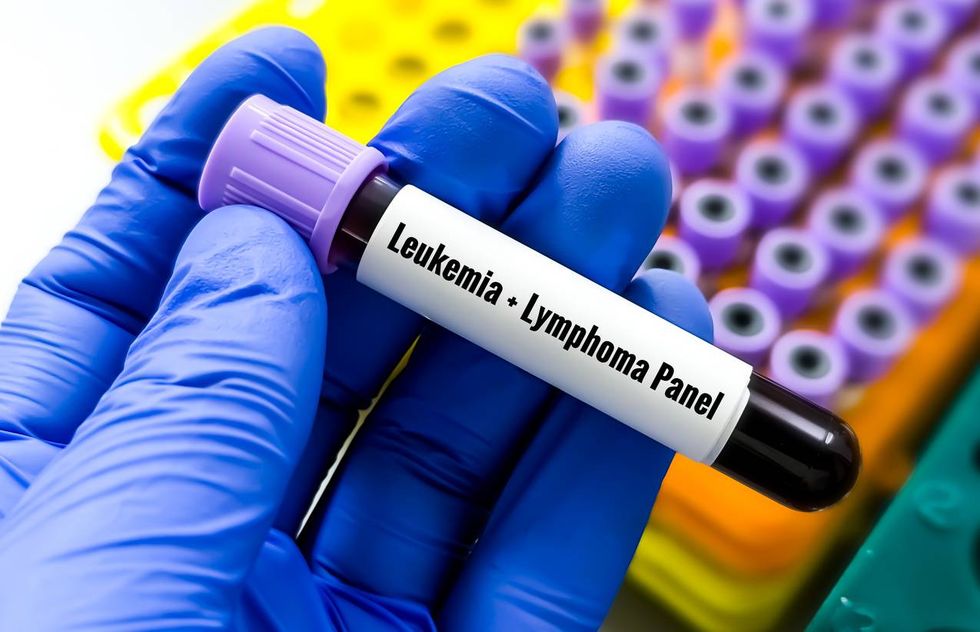
Testing for leukemia includes blood and bone marrow tests. If you have leukemia, blood tests show abnormal levels of blood cells or platelets. Blood marrow testing involves taking a sample of your blood marrow from your hipbone to see if there are leukemia cells present, and if so, what type of cells they are.
How is leukemia treated?
Treatment plans for leukemia vary from person to person depending on several factors, such as age, type of leukemia and whether it’s causing symptoms.
Common treatments for leukemia include:
- Chemotherapy
- Immunotherapy
- Targeted drugs
- Radiation
- Chimeric antigen receptor (CAR) T-cell therapy
- Bone marrow or stem cell transplant
For some people who go into remission, ongoing treatment may be needed to keep the cancer from coming back.
Leukemia survival rate
There isn’t a universal cure for leukemia, but many people go into complete remission, also called no evidence of disease, which means that there is no sign of leukemia in your body.
Most pediatric leukemias are curable, with a five-year survival rate of around 90% in childhood ALL.
For adults with CLL, the survival rate depends on what clinicians call a person’s prognostic score. Generally speaking, the lower the score, the higher a person’s chance of survival is. CLL has a five-year survival rate of about 90%, and survival rates have been increasing in recent years.
This resource was created with support by an educational grant from Johnson & Johnson and Servier.






Popular
1
Bye, Bye, Itch! Managing Chronic Hives at Home
Sep 23, 2026
2

Biologics for Treating Asthma
Sep 22, 2026
3

How EoE Affects Your Daily Life
Sep 24, 2026
4
Biofármacos para el tratamiento del asma
Sep 22, 2026
5
10 Reasons You Might Have Blood in Your Urine
Feb 24, 2025
6

The Skinny on Microdosing GLP-1 Drugs
Mar 06, 2025
Support Our Mission
Keep Trusted Women’s Health Information Free
Your donation ensures every woman continues to have access to credible health content.More Stories







Everything you need to know about women’s health — in one place.