
Search
Latest Stories


Newsletter Sign-Up
Newsletter
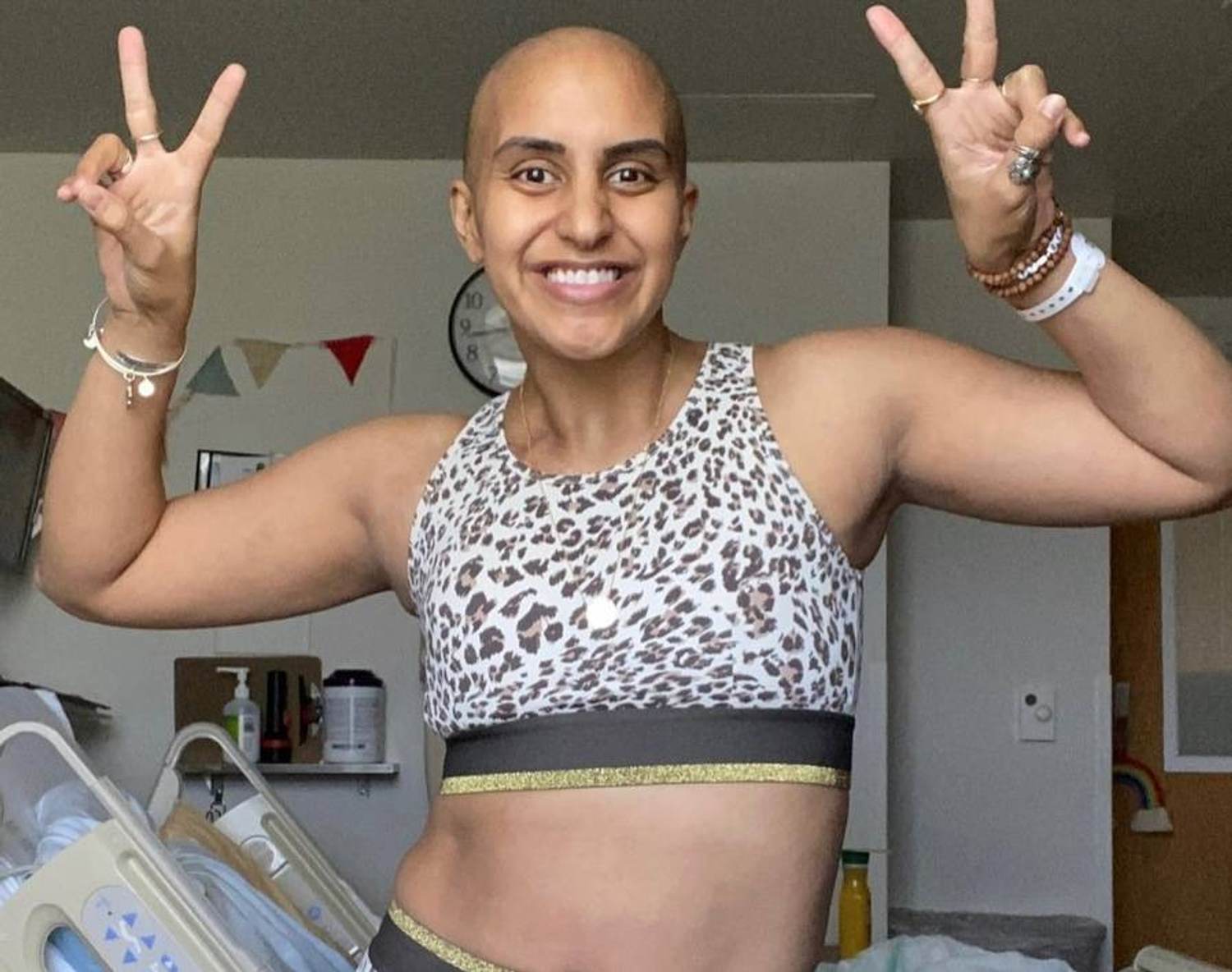
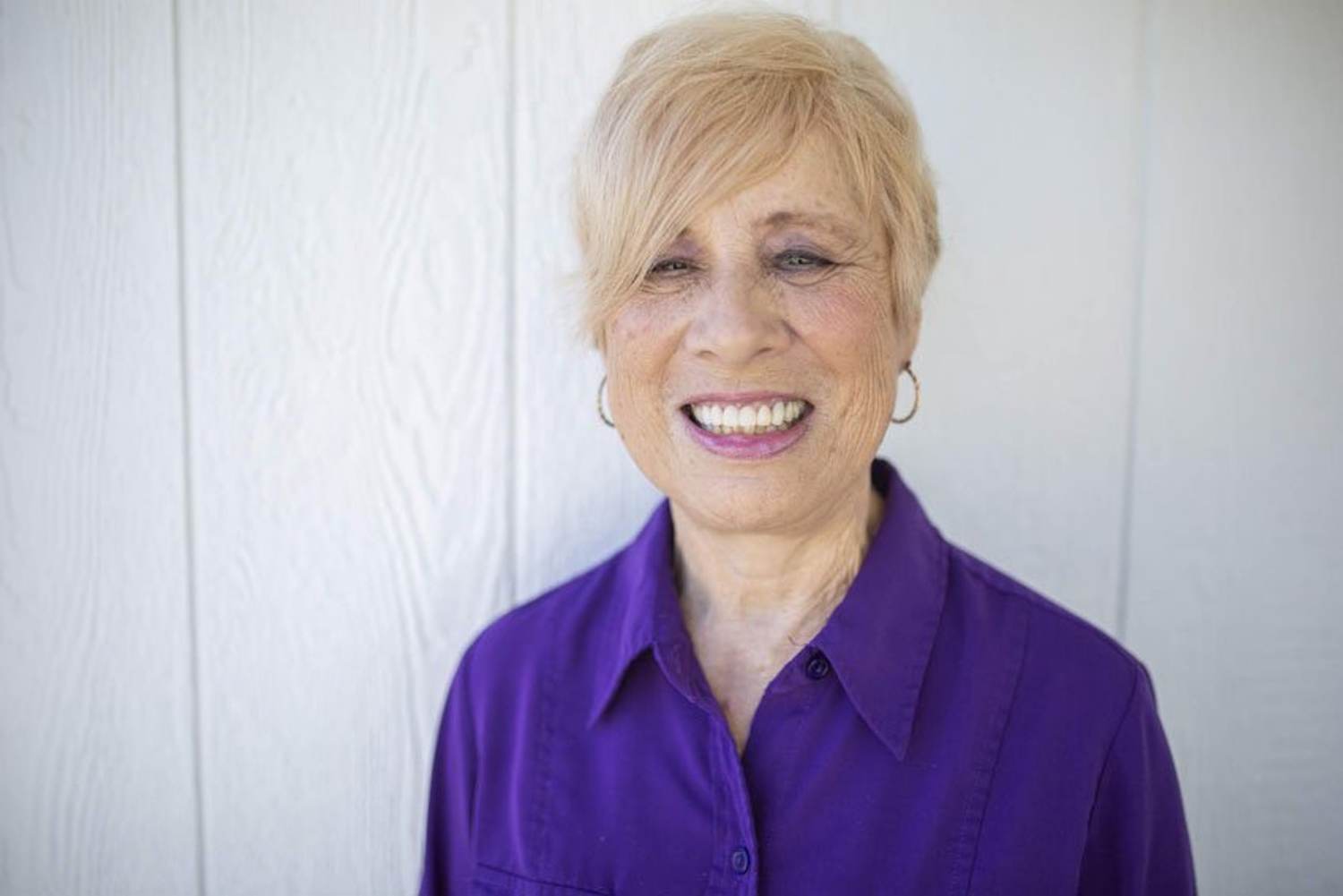
As told to Nicole Audrey Spector
When I discovered dance at the age of 10, I fell immediately in love with it and knew that I wanted to be a professional dancer. My family supported my ambitions and it was an incredibly proud moment when I landed my first job — as a backup dancer for Beyoncé at the Billboard Music Awards. I was just 17. A year previously I’d been told that I’d eventually have leukemia.
I’d been told in a letter from the American Red Cross. It arrived in the mail shortly after I’d donated blood for the first time. The letter detailed a troubling finding in my blood cell count (I can’t recall the specifics) and stated that I could no longer donate blood because in the next 10 to 15 years, I would develop leukemia.
My parents panicked when they read the letter and took me in for blood work. Everything looked fine. The doctor told us that the leukemia prediction was a false finding, one that often occurs in the blood work of people of Polynesian descent (I’m Hawaiian Samoan). I was perfectly healthy, the doctor assured us, and we were sent on our way.
And I was perfectly healthy. Until, at the age of 34, I wasn’t.
The symptoms came on gradually, in waves. First, it was a cough that wouldn’t quit. Then a relentless sore throat. Then loss of appetite, nausea, throbbing headaches, vicious night sweats and unintended weight loss.
My symptoms started when I was only a few months out from giving birth to my fifth child. At first I thought it was all sparked by postpartum hormonal changes. When I worsened, I figured I’d gotten a nasty flu on top of it all.
It was 2020. The world was on lockdown amid the Covid pandemic. Given my list of persistent flu-like symptoms it seemed probable that I had Covid. But I tested negative. My health continued to decline. By the time I was six-and-half months postpartum I was having trouble breathing and could barely finish a sentence.
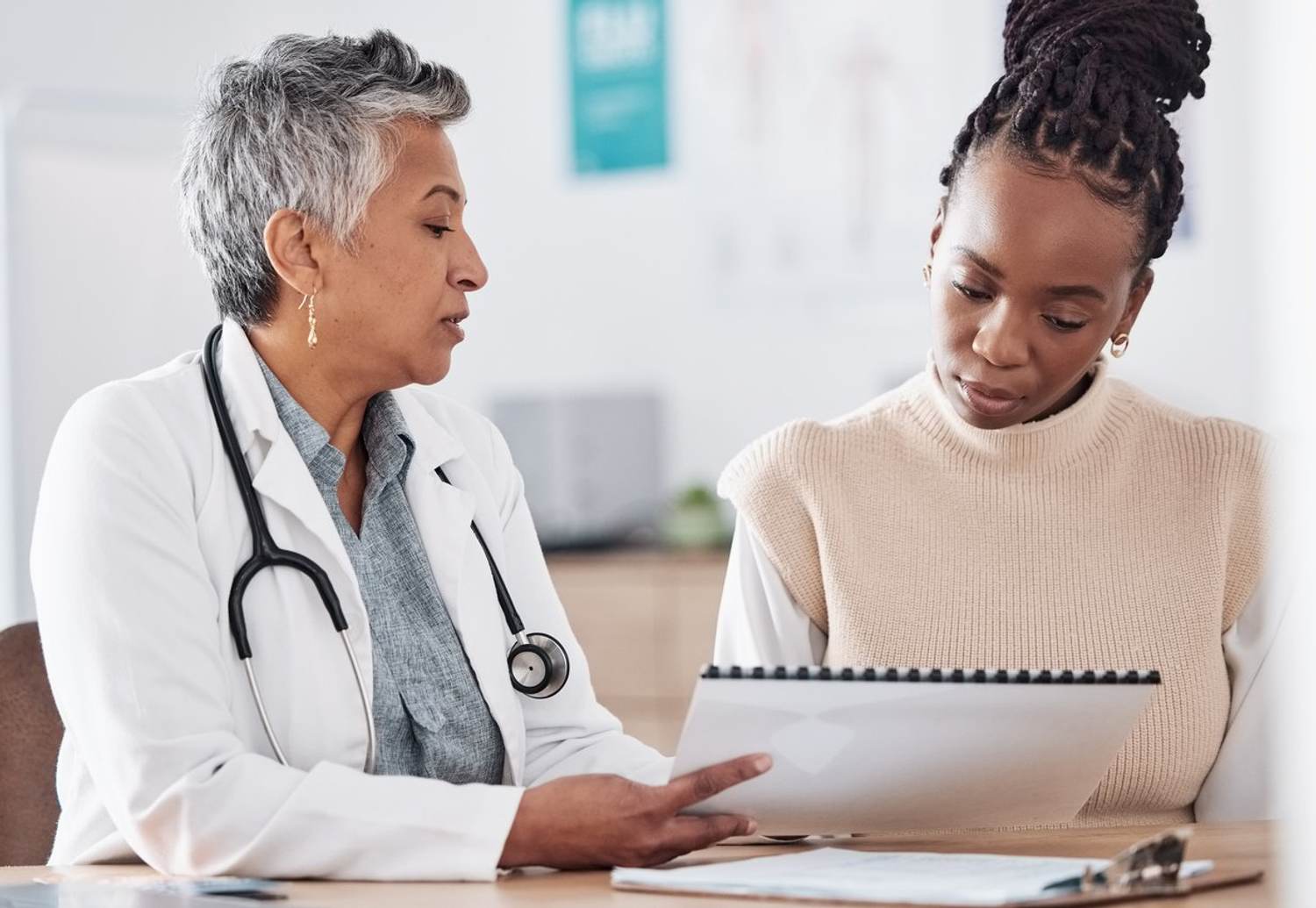
A good friend of mine who is a nurse practitioner was determined to get to the bottom of what was going on with me. He did a complete blood count (CBC), a blood test that reveals the numbers of cells in the blood including red blood cells, white blood cells and platelets. The test revealed I had basically no red blood cells and a very high count of white blood cells. It was no wonder I was in horrible shape.
I was rushed to the hospital where I was diagnosed with acute myeloid leukemia, an aggressive blood and bone marrow cancer. There was no time to reflect on the diagnosis or process what was happening. I was in critical condition and needed to be admitted and start chemotherapy immediately.
Being torn away from my children (all under the age of 10) was nearly unbearable. It was especially heartbreaking to part from my daughter, who was barely seven months old. Because of Covid protocol, nobody was allowed into the hospital with me. It was all terribly traumatic not only for me but for my family.
My treatment kicked off with “red devil chemo,” which is as harsh as it sounds. Because my treatment was so intense and could potentially cause serious side effects, including loss of fine motor skills and even death, I had to be monitored around the clock and could not leave the hospital for 31 days. I spent most of the time in total solitude.
And yet I wasn’t completely alone. I felt God’s presence all around and within me. I leaned heavily on his grace and love to give me strength. My faith got me through the days, but I also found inspiration and courage by connecting with the outside world on social media.
Covid was wreaking havoc everywhere, and it was a frightening and isolating time for everyone, not just me. I wanted to bring light and positive energy to the situation in whatever way possible. So, despite at times being literally unable to carry myself to the bathroom, I did what I was born to do: I danced.
Every day I recorded videos on my phone of myself dancing while hooked up to an IV. I posted my videos on TikTok along with updates on my condition and heartfelt messages sharing God’s infinite love. Sometimes hospital staff, covered head to toe in PPE, joined me in my dance moves.
Though I was covered in sores and aching in every possible way, dancing gave me joy. And the joy was contagious. My TikTok videos went viral and I became known as the “cancer dancer.”
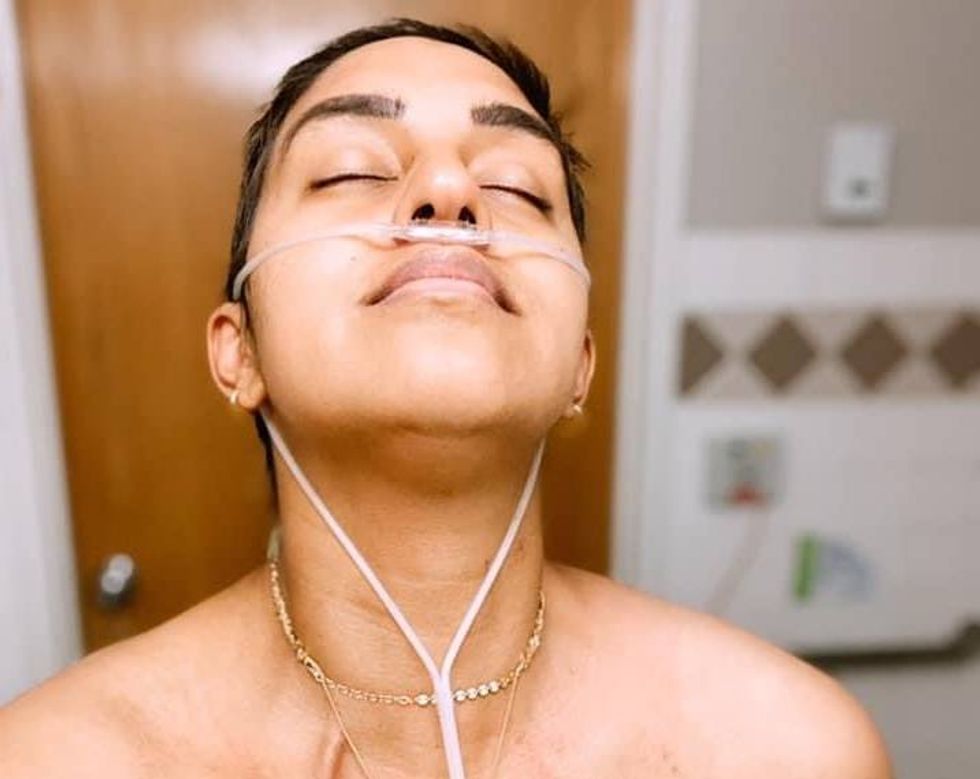
I think part of why my dance videos took off is because in them, I didn’t shy away from the bleak truth of what I was going through. I wanted to lay it all out there: the good, the bad and the terrifying — and there was a lot of terrifying stuff. It’s no exaggeration to say I was dying. The doctors’ original plan for me to go through six rounds of aggressive chemo was called off when, after round two, my body started shutting down.
The only way I would survive was by receiving a bone marrow transplant. Fortunately my brother was a 100% donor match. But this is a very serious surgery, and I needed to be healthy enough to undergo the transplant surgery. For a while, I wasn’t. I got Covid, which then led to acute kidney failure and pneumonia.
Miraculously, I survived it all and had a successful bone marrow transplant near the end of 2020. One hundred days later, I was declared in remission and was able to go home for good, rather than just a visit.
Getting back in the groove of my life was challenging. When I went into the hospital, my daughter was an infant. Suddenly she was a toddler. We’d missed out on so much together and for a while she didn’t really recognize me as her mom. For the first time in my life I experienced anxiety.
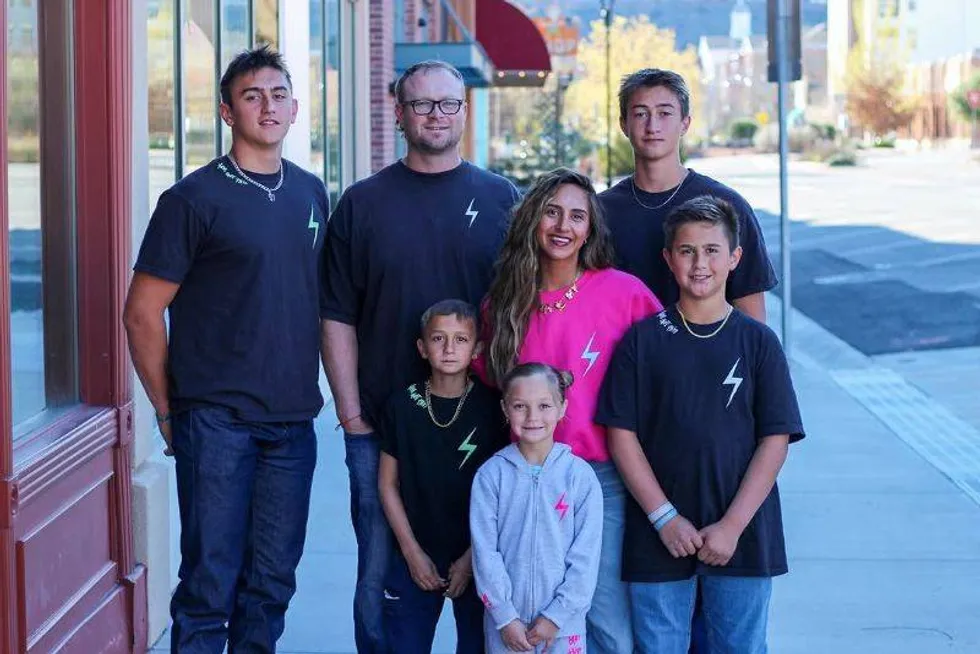
My husband was my rock. He and God got me through those days, as did letting go of the person I used to be. The old Tia was gone. And that was okay. In fact, it was a blessing. I hadn’t been a bad person prior to my diagnosis, but I was impatient and obsessed with getting from one big goal to the next. I would get caught up thinking about the future, as though the present day wasn’t a miracle in itself.
Cancer put everything into perspective for me. I now genuinely see every day — every moment — as a gift from God. I’ve learned to delight in things that used to get on my nerves, like picking up after kids and doing the laundry. How lucky I am to be a mom and to be able to do these mundane everyday tasks!
I am so grateful to be able to say that I remain cancer-free. I am as passionate as ever about using my time here to spread every bit of God’s light that I can and, for me, that means to keep dancing. But it also means to keep sharing about my journey with acute myeloid leukemia in the hopes of helping others.
I tell my story today in part because I want other women to know the importance of CBC blood tests. A CBC is often included in annual physicals, but not always. Make sure to ask for a CBC next time you’re getting a checkup or experiencing any symptoms. It might just keep you dancing.
This resource was created with support by an educational grant from Johnson & Johnson and Servier.
Have your own Real Women, Real Stories you want to share? Let us know.
Our Real Women, Real Stories are the authentic experiences of real-life women. The views, opinions and experiences shared in these stories are not endorsed by HealthyWomen and do not necessarily reflect the official policy or position of HealthyWomen.




Stories We Love
1
2
The New Biomarkers Impacting Cancer Care
May 13, 2026
3
Leukemia 101
Jul 28, 2026
4

5

6

Busted! 6 Myths About Head and Neck Cancers
Oct 06, 2026
Support Our Mission
Keep Trusted Women’s Health Information Free
Your donation ensures every woman continues to have access to credible health content.
More Stories


Everything you need to know about women’s health — in one place.
